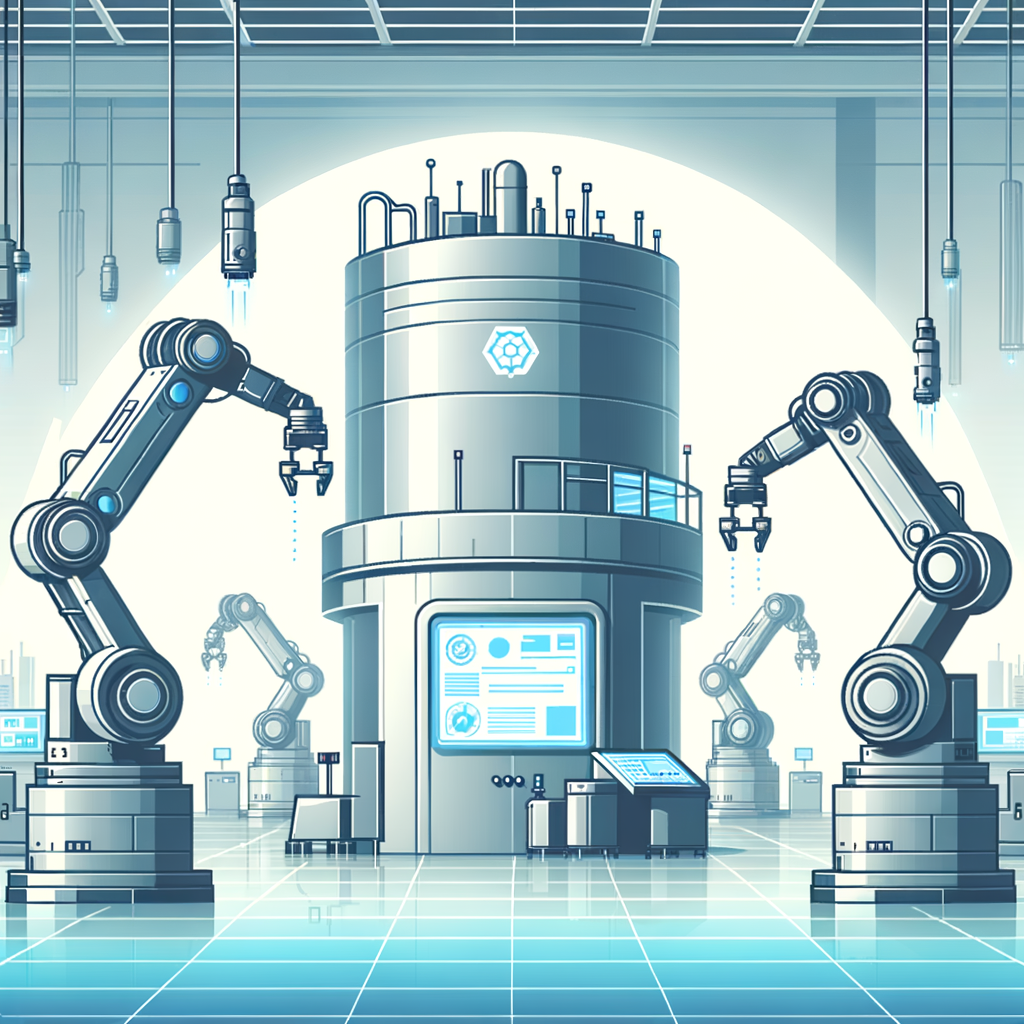
The world of manufacturing is on the brink of a new technological evolution, with autonomous polymer manufacturing plants poised to revolutionize how products are made, distributed, and consumed. These smart, self-operating facilities represent a marriage between advanced robotics, artificial intelligence, and cutting-edge polymer science. The implications for various industries, from automotive to healthcare, are both significant and wide-ranging. As automation increasingly integrates into manufacturing processes, these autonomous plants are set to redefine the boundaries of what is possible, promising improved efficiency, sustainable production methods, and greater customization capabilities. However, such transformation also raises questions about the societal and economic impacts, employment shifts, and the future of industrial operations. This article will delve into the future trajectory of autonomous polymer manufacturing plants, examining the intricate technologies that underpin them, their potential benefits, challenges, and the broader implications for industries worldwide.
At the core of these autonomous plants is an array of technologies working in synergy to create an environment where human intervention is minimal. With the integration of IoT (Internet of Things) devices, real-time data analytics, and seamless machine-to-machine communication, the traditional limitations of manufacturing are being transcended. These plants leverage advanced materials science in polymers, enabling the production of components with unique properties tailored to specific needs. The potential for innovation in product design and functionality is immense, with the ability to rapidly prototype and iterate designs based on real-time market feedback. Moreover, the environmental benefits of autonomous polymer manufacturing through sustainable production approaches promise a reduction in waste and carbon footprints.
The Technological Backbone of Autonomous Polymer Plants
The operation of autonomous polymer manufacturing plants relies heavily on the interplay of several advanced technologies. Central to these operations are Artificial Intelligence (AI) and Machine Learning algorithms which facilitate decision-making processes without human intervention. These systems analyze massive datasets compiled from IoT sensors, enabling them to adapt to changing circumstances and optimize production continuously. The AI models are trained to recognize patterns and anomalies within production lines, predicting potential issues before they occur, thus reducing downtimes and improving output quality.
Another critical technology within these plants is robotics. Industrial robots equipped with sensors and real-time processing capabilities operate with a high degree of precision and efficiency. These robots handle various tasks, from the intricate molding of polymers to the packaging of finished products. As these systems become increasingly sophisticated, they are equipped with machine vision and force sensors that mimic human dexterity, allowing for more complex operations. Furthermore, collaborative robots (cobots) work alongside the automated systems, ensuring any required human interaction is minimal and efficient.
Advanced materials science also plays a pivotal role, with innovations in polymer formulations allowing for materials with tailored properties such as enhanced strength, flexibility, or thermal resistance. These bespoke polymers are created through a combination of synthetic chemistry and bioengineering, leading to materials that not only meet industry requirements but also push the boundaries of what polymers can achieve. The ability to 3D print complex polymer structures directly on-site further complements these advancements, allowing for on-demand production and rapid prototyping.
Furthermore, cloud computing and edge technologies provide essential infrastructure for data management and analysis. These platforms offer scalable computing resources that process and store vast quantities of data generated by the plant’s operations. The cloud acts as a central hub where machine learning models are updated and deployed, while edge devices handle real-time data processing to ensure swift decision-making on the factory floor. This combination of computational power and real-time analytics enhances the plant’s responsiveness and adaptability in a dynamic production environment.
Potential Benefits of Autonomous Polymer Manufacturing
The shift towards autonomous polymer manufacturing plants offers numerous advantages. Foremost among these is increased efficiency. With automation handling most of the production process, these plants can operate 24/7 with minimal human oversight, significantly increasing output rates. This constant workflow reduces production bottlenecks and optimizes the use of resources and equipment, leading to cost savings and improved profitability for manufacturers.
Additionally, the level of precision and control provided by autonomous systems ensure that products are manufactured to the highest quality standards. Automated quality control mechanisms check components at each stage of production, identifying defects and allowing for immediate rectification. This early detection minimizes waste and leads to consistent product standards, reducing return rates and enhancing customer satisfaction.
Environmental considerations are also a major benefit. Autonomous polymer plants can implement circular economy practices more effectively, utilizing advanced sorting and recycling technologies to process polymer waste, and transforming it into raw materials for new projects. Energy-efficient operations and renewable energy sources further reduce the environmental footprint of these facilities. Such sustainable practices align with legislative pressures and consumer demands for eco-friendly products, offering a competitive edge to forward-thinking companies.
The customization capabilities afforded by autonomous plants represent another significant advantage. Through smart manufacturing techniques, companies can cater to market demands for personalized products. On-demand production and rapid prototyping allow manufacturers to swiftly adapt to consumer preferences, creating bespoke products without the traditional cost implications.
Challenges Facing the Adoption of Autonomous Polymer Plants
Despite the benefits, several challenges must be addressed to fully realize the potential of autonomous polymer manufacturing. The initial capital investment required to establish these highly specialized plants can be substantial. Equipment costs, R&D for tailor-made polymers, and software infrastructure are all significant upfront expenses. Small and medium enterprises may struggle to justify or afford such investments without viable financing models or incentives from the government or industry partners.
Moreover, the rapid technological advances require a continuous update of systems and skills, both of which present logistical and cost challenges. Manufacturing plants need to ensure their workforce is appropriately skilled to operate and maintain the advanced systems even in an autonomous setting. This necessitates ongoing training programs and changes in workforce composition. Employee upskilling is crucial, as the transition can lead to job displacement, causing potential socioeconomic issues.
Data security and privacy concerns also pose significant risks in these data-driven plants. The immense volume of data handled and shared across multiple platforms makes these systems vulnerable to cyber threats. Manufacturers must implement robust cybersecurity measures to safeguard their operations and intellectual property. Furthermore, navigating data privacy regulations, which vary significantly across regions, adds another layer of complexity.
Regulatory compliance is yet another hurdle, as governments must develop and enforce policies that accommodate and regulate this new form of manufacturing. The lack of existing regulatory frameworks specific to autonomous manufacturing processes and the varied global legislative landscape present challenges for companies operating in multiple jurisdictions.
Conclusion
The advent of autonomous polymer manufacturing plants signifies a pivotal moment in industrial operations, heralding a future where self-sustaining, precision-driven manufacturing processes set new industry standards. As these technologies advance, their integration presents transformative benefits such as increased efficiency, environmental sustainability, and customization potential. However, overcoming the barriers related to investment costs, skills development, regulatory compliance, and data security is crucial for the widespread adoption of this innovative manufacturing framework.
For industries willing to embrace these autonomous systems, the potential for innovation and leadership in high-tech manufacturing is immense. The role of governments, industry bodies, and educational institutions will be vital in providing support, shaping policies, and developing the necessary talent pool to drive this transformation. As automation becomes increasingly sophisticated, the collaboration between human ingenuity and machine intelligence holds the key to unlocking new possibilities in manufacturing.
Looking ahead, the continued evolution of autonomous polymer manufacturing will likely inspire novel business models and supply chains, enabling industries to respond dynamically to the changing demands of global markets. As companies capitalize on these developments, the landscape of industrial manufacturing will be reshaped, creating a more efficient, sustainable, and responsive production paradigm that has far-reaching impacts across economies and societies worldwide.