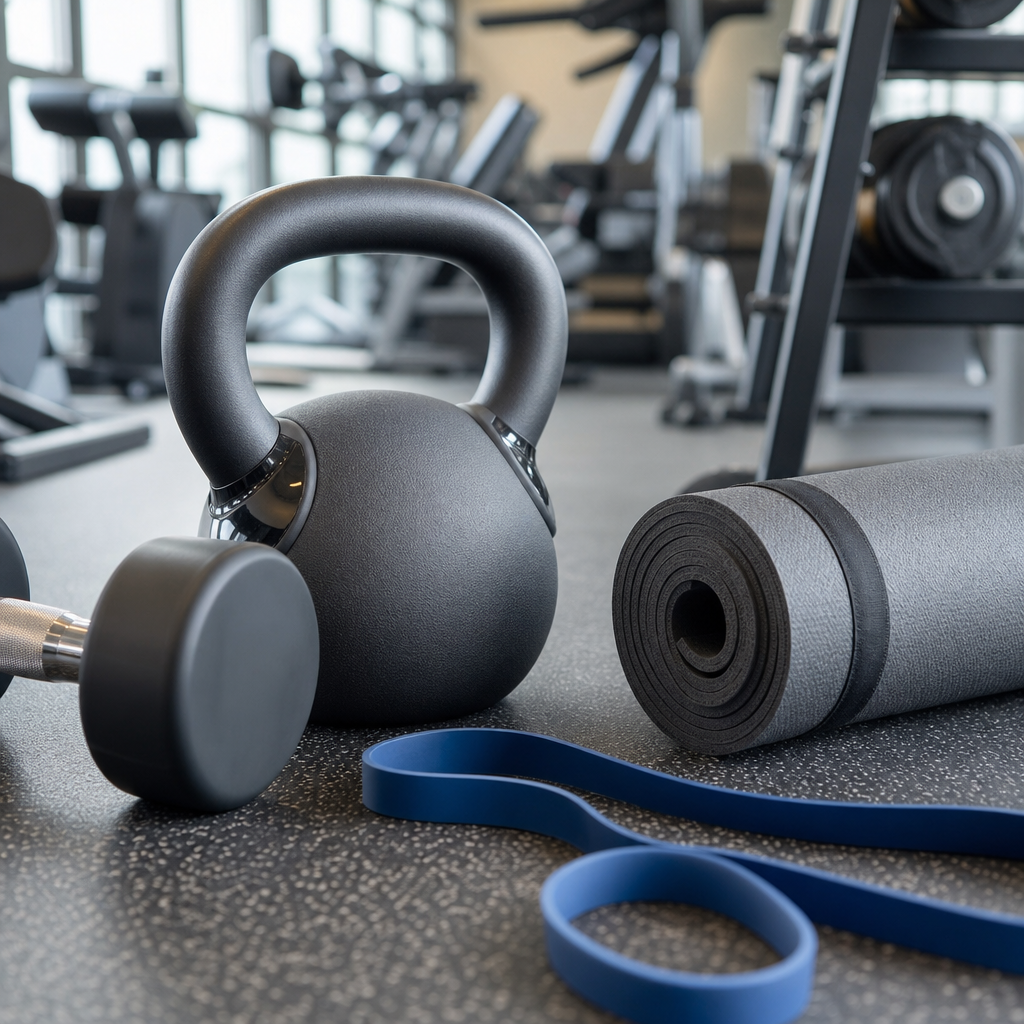
Polymers are central to modern health and fitness equipment because they make products lighter, safer, more durable, easier to clean, and more comfortable to use in homes, gyms, clinics, and sports facilities. In practical terms, a polymer is a large molecule made of repeating units, and in equipment design that includes plastics, elastomers, foams, fibers, coatings, and high-performance composites. I have worked with product teams evaluating treadmills, resistance bands, yoga mats, wearable accessories, and rehabilitation devices, and the same pattern appears repeatedly: smart polymer selection improves function while lowering maintenance, shipping weight, and total cost. That matters because users expect equipment to survive sweat, disinfectants, impact, flexing, UV exposure, and daily repetition without failing or becoming unpleasant to handle. As a hub topic within polymer innovations in consumer goods, health and fitness equipment shows how materials science directly shapes user outcomes. The right polymer can reduce vibration in a treadmill deck, improve grip on a kettlebell handle, prevent cracking in a water bottle lid, and make an ankle brace breathable enough for long sessions. For manufacturers, polymers also support scalable processes such as injection molding, extrusion, blow molding, thermoforming, and additive manufacturing. For consumers, the result is equipment that performs better, lasts longer, and feels more intuitive from the first workout.
Why polymers dominate modern fitness and wellness product design
Polymers dominate this category because no single traditional material can match their combination of low density, tunable mechanical properties, corrosion resistance, colorability, and processing flexibility. Steel is strong but heavy and prone to corrosion without coatings. Aluminum lowers weight but can be expensive and transmits vibration differently. Wood offers aesthetics yet struggles with moisture and cleaning chemicals. By contrast, polypropylene, ABS, nylon, TPU, EVA, silicone, polyurethane foam, and reinforced thermoplastics can be engineered for stiffness, elasticity, impact resistance, softness, or transparency depending on the application. In a treadmill, for example, the running belt often combines layered polymer systems that manage abrasion, flexibility, and friction. In resistance bands, thermoplastic elastomers and latex alternatives must deliver controlled elongation and recovery across thousands of cycles. In yoga and recovery products, closed-cell foams such as EVA or cross-linked polyethylene provide cushioning while resisting sweat absorption better than older porous materials.
These advantages are not only technical; they affect safety and user adherence. Equipment that is too heavy to move gets used less often at home. Handles with poor grip contribute to slips. Rigid contact surfaces increase pressure points and discomfort, shortening workout duration. A polymer overmold can transform a cold metal dumbbell handle into a stable, grippy surface that performs better in humid conditions. In rehabilitation, medical-grade silicones and flexible polyurethanes help create braces and supports that maintain skin comfort and dimensional stability. Designers also value how polymers support integrated features: living hinges in storage components, snap fits in casings, antimicrobial additives in selected applications, and textured surfaces molded directly into the part rather than added later. That reduces assembly steps and failure points.
Key polymer families used in health and fitness equipment
Different equipment categories rely on different polymer families because each use case imposes a distinct load, hygiene profile, and user expectation. Commodity thermoplastics such as polypropylene and polyethylene are common in housings, bottle bodies, protective covers, and storage trays because they are inexpensive, chemically resistant, and easy to process. ABS and polycarbonate blends appear in machine shrouds, display enclosures, and accessory components where toughness and dimensional stability matter. Nylon, especially glass-filled grades, is widely used for structural parts, pedal bodies, pulleys, and cable guides because it offers good wear performance and strength. Thermoplastic polyurethane is particularly valuable in grips, straps, coatings, and flexible protective parts due to its abrasion resistance and elastic behavior. Silicone remains a preferred choice for skin-contact accessories, seals, and flexible components that must tolerate temperature changes and repeated cleaning. Foams based on EVA, PU, and polyethylene are standard in mats, protective padding, seating, and insoles.
Reinforced polymers extend the performance ceiling further. Carbon-fiber-reinforced polymers are used in premium bicycle components, prosthetic running blades, rackets, and selected mobility or rehab devices where high stiffness-to-weight ratio justifies higher cost. Glass-fiber-reinforced thermoplastics serve in equipment frames, fan blades, and structural brackets when designers want lighter parts without sacrificing strength. In wearables and connected equipment, polymer substrates and encapsulants protect electronics from sweat and impact. Adhesives and coatings, both polymer-based, are equally important but often overlooked; they influence durability, tactile quality, and resistance to cleaning agents. Standards and validation methods matter here. Teams routinely assess tensile strength, elongation, Shore hardness, fatigue life, abrasion resistance, VOC emissions, and chemical compatibility using ASTM or ISO methods before finalizing a resin. Good equipment performance starts with matching these measurable properties to actual user behavior.
How polymers improve comfort, hygiene, and user safety
Comfort, hygiene, and safety are often the deciding factors in whether equipment succeeds in the market, and polymers directly control all three. Comfort begins with compliance and surface temperature. Foam rollers, seat pads, heart-rate straps, and brace liners feel usable because polymers can be formulated to compress predictably and recover without bottoming out. Durometer selection is crucial. A yoga mat that is too soft destabilizes balance poses, while one that is too hard transmits pressure to wrists and knees. In product trials, small changes in foam density and skin texture regularly produce large differences in perceived comfort. Safety depends on traction, edge behavior, and failure mode. Rubber-modified thermoplastics and textured elastomer surfaces improve grip even when exposed to sweat, reducing drops and slips. Rounded polymer housings also protect users from sharp edges that would be more likely with stamped metal parts.
Hygiene has become a major engineering requirement, especially in shared environments. Closed-cell polymer foams absorb less moisture than open-cell alternatives, which helps limit odor retention and speeds drying. Smooth, chemically resistant surfaces tolerate routine cleaning with quaternary ammonium compounds, diluted bleach, or alcohol-based solutions better than unfinished porous materials. That is why high-touch touchpoints on commercial equipment often use specific polyolefins, TPUs, or coated elastomers rather than fabrics alone. At the same time, designers must balance cleanability against skin feel. A highly glossy surface may wipe down well but become slippery. A heavily textured surface may feel secure but trap residue. The best products solve this through microtexture, drainage geometry, removable covers, or layered constructions that keep a comfortable top surface over a stable, cleanable substrate.
Applications across machines, accessories, wearables, and rehabilitation products
Health and fitness equipment is not one market; it is several overlapping ones, and polymer innovation looks different in each. In cardio machines, polymers appear in belts, rollers, bushings, housings, foot platforms, cable jackets, shock absorbers, and displays. Treadmills use polymer damping systems to reduce noise and joint stress. Exercise bikes use reinforced nylons in pedal systems and polycarbonate blends in console covers. Rowers and ellipticals rely on polymer bearings, wheels, and guide surfaces to control friction and wear. In strength equipment, urethane-coated dumbbells resist chipping better than many painted finishes, while polymer pulleys and cable coatings improve smoothness and reduce corrosion concerns. Home fitness accessories depend even more heavily on polymers: resistance bands, massage balls, mats, shaker bottles, jump ropes, grips, foam blocks, and storage systems are primarily polymer products from the start.
Wearables and rehabilitation devices are equally significant examples within polymer innovations in consumer goods. Smartwatch bands, chest straps, posture trainers, knee sleeves, and ankle supports all rely on soft, skin-compatible materials with stable mechanical performance over repeated movement. Medical-grade silicones, thermoplastic elastomers, spacer fabrics, and laminated foams are common because they manage sweat, flexibility, and contact comfort. In rehab, custom orthotics and braces increasingly use 3D-printed polymers such as PA12 or TPU to create latticed structures that reduce weight and improve ventilation. I have seen clinics shift from bulkier thermoformed devices to digitally fitted polymer alternatives that improve compliance simply because patients are more willing to wear them throughout the day. That is a direct reminder that material selection is not separate from health outcomes; it influences whether a product is actually used as intended.
Performance tradeoffs, sustainability pressures, and material selection decisions
No polymer is perfect, and responsible design means understanding tradeoffs rather than treating plastics as a universal solution. Some elastomers provide excellent grip but degrade faster under oils, UV light, or ozone. Some foams cushion well but compress permanently under sustained loads. Reinforced composites can cut weight dramatically but complicate recycling and repair. Designers also must account for creep, stress cracking, hydrolysis, and environmental stress fracture, especially in products stored in garages, exposed to sunlight, or cleaned aggressively. In water bottles and nutrition accessories, for example, BPA-free Tritan, polypropylene, and silicone each offer benefits, but they differ in clarity, dishwasher resistance, odor retention, and cost. In exercise mats, natural rubber provides excellent grip yet may trigger latex concerns and can carry a stronger odor than TPE or EVA alternatives.
| Application | Common polymers | Main benefit | Key limitation |
|---|---|---|---|
| Yoga mats | EVA, TPE, natural rubber | Cushioning and grip | Compression set or odor concerns |
| Resistance bands | Latex, TPE, TPU | Elastic recovery | Fatigue and tear risk |
| Machine housings | ABS, PC/ABS, PP | Impact resistance and moldability | Scratch visibility on some grades |
| Wearable straps | Silicone, TPU, TPE | Skin comfort and flexibility | Dust pickup or limited breathability |
| Structural components | Glass-filled nylon, CFRP | High strength-to-weight ratio | Higher cost and recycling difficulty |
Sustainability now influences nearly every material brief. Brands are under pressure to use recycled content, design for disassembly, reduce mixed-material assemblies, and cut packaging weight. Recycled polypropylene and PET are appearing in accessory lines, while bio-based polyamides and foams are gaining attention in premium products. Still, sustainability claims must be realistic. A multi-layer bonded part may perform exceptionally but be difficult to separate at end of life. A recyclable mono-material design may be easier to recover yet less durable. In my experience, the most credible strategy is to optimize the full life cycle: use materials efficiently, extend product lifespan, enable part replacement, and avoid unnecessary cosmetic complexity. Durable equipment that stays in service for years often has a lower real impact than a fashionable low-cost item replaced every season.
The future of polymer innovation in consumer health and fitness goods
The next phase of development is combining advanced polymers with digital design, sensor integration, and better circularity. Additive manufacturing is already allowing fast prototyping of grips, orthotics, helmet liners, and lattice-cushioned components that can be tuned for different body weights and movement patterns. Smart polymers and conductive polymer systems are opening new possibilities for embedded sensing in insoles, compression garments, and training accessories that track pressure, strain, or motion without adding bulky hardware. Expanded thermoplastic elastomers and novel foams are improving impact management while reducing mass, which is especially valuable in protective sports gear and rehabilitation supports. At the same time, manufacturers are investing in lower-VOC materials, solvent-free coatings, and cleaner processing routes because indoor air quality and worker safety are part of product quality, not side issues.
For buyers, product developers, and content teams mapping this subtopic hub, the central lesson is straightforward: polymers are not merely substitutes for metal, rubber, or fabric. They are enabling materials that determine performance, comfort, maintenance burden, manufacturability, and environmental profile across nearly every category of health and fitness equipment. The smartest decisions come from aligning material properties with actual use conditions, cleaning routines, user demographics, and product lifespan expectations. If you are evaluating consumer goods innovation, start by asking which polymer family is used, why it was chosen, how it was tested, and what tradeoffs were accepted. That simple framework reveals more about real product quality than marketing claims ever will. Use this hub as the starting point for deeper exploration into specific case studies, categories, and material technologies shaping the next generation of fitness and wellness products.
Frequently Asked Questions
1. What role do polymers play in modern health and fitness equipment?
Polymers are foundational to the design and performance of modern health and fitness equipment because they solve several practical challenges at once. In this context, the term “polymer” includes a broad family of materials such as plastics, elastomers, foams, fibers, coatings, and advanced composites. These materials are used in everything from treadmill housings and resistance bands to yoga mats, wearable accessories, exercise bike components, grip surfaces, and rehabilitation devices. Their value comes from their ability to be engineered for specific properties, including flexibility, impact resistance, chemical resistance, cushioning, low weight, and long-term durability.
One of the biggest advantages polymers bring is weight reduction. Compared with metal, wood, or other traditional materials, many polymer-based components can significantly reduce the overall mass of a product without compromising function. That matters in home fitness equipment, where users want machines that are easier to move, assemble, and store. It also matters in portable products such as foam rollers, mats, straps, protective supports, and wearable fitness accessories, where lower weight directly improves convenience and user adoption.
Polymers also improve safety and comfort. Soft-touch elastomers can be added to handles for a better grip, foams can absorb shock in mats and protective padding, and flexible materials can reduce hard impact zones around moving equipment. In a treadmill, for example, polymers may be used in deck systems, side rails, cable insulation, housings, feet, and vibration-dampening parts. In resistance products, polymer science determines how much stretch, recovery, and fatigue resistance a band or tube will have over time. In yoga and floor exercise products, polymer foams and elastomer blends affect traction, cushioning, resilience, and cleanability.
Another major benefit is durability in real-world environments. Fitness equipment is exposed to sweat, repeated loading, cleaning agents, humidity, skin oils, and frequent handling. Properly selected polymers can resist wear, corrosion, cracking, and chemical degradation better than many conventional materials. That durability supports longer product life, more reliable performance, and lower maintenance needs for gyms, clinics, and sports facilities. In short, polymers are not just secondary materials in fitness product design; they are often the reason a product can be lighter, safer, more comfortable, easier to maintain, and cost-effective at scale.
2. How do polymers make fitness equipment safer and more comfortable for users?
Polymers improve both safety and comfort by allowing designers to fine-tune how equipment feels, responds, and performs during use. Unlike rigid materials that offer limited flexibility in user interaction, polymers can be formulated to provide softness, grip, cushioning, controlled deformation, and impact absorption. This is especially important in products that come into direct contact with the body, such as exercise handles, seat coverings, braces, mats, straps, grips, wearables, and rehabilitation supports.
Comfort starts with surface feel and pressure management. Foam-based polymers are widely used to distribute body weight more evenly, reduce pressure points, and create a more forgiving interface between the user and the equipment. That is why polymer foams are common in bike seats, bench padding, kneeling pads, and mat systems. Elastomers and soft polymer overmolds also improve tactile comfort on handles and touch points, making the equipment easier to hold securely even during long or intense workouts. Better grip reduces the chance of slipping and can help users maintain proper form, which in turn reduces the risk of strain or injury.
Safety benefits extend beyond softness. Many polymers absorb energy and dampen vibration, which helps minimize repetitive stress on joints and muscles. In treadmills and cardio machines, vibration-dampening polymer components can reduce noise and create a smoother operating experience. In floor systems and training mats, shock-absorbing polymer layers help protect users during jumping, stretching, bodyweight training, and rehabilitation exercises. In protective supports and athletic braces, flexible polymer materials can provide stability while still allowing controlled movement, an important balance for injury prevention and recovery.
Polymers can also improve safety through design details such as rounded molded edges, non-slip textures, electrical insulation, and corrosion resistance. Because these materials can be molded into precise shapes and integrated into multi-material assemblies, product teams can eliminate sharp edges, improve ergonomic geometry, and create more user-friendly interfaces. For fitness equipment used in homes, gyms, clinics, and sports facilities, that combination of cushioning, grip, flexibility, and smart structural design is one of the main reasons polymers have become so important in user-centered product development.
3. Why are polymers important for durability and maintenance in gyms, homes, and clinical settings?
Durability and maintenance are critical in fitness environments because equipment is exposed to repeated mechanical stress and constant human contact. Polymers are especially valuable here because they can be engineered to handle wear, sweat, impact, cleaning chemicals, and environmental fluctuations far better than many people realize. In commercial gyms, high-traffic products may be used by dozens or even hundreds of people per day. In home settings, equipment often needs to remain functional with minimal upkeep. In clinics and rehabilitation centers, surfaces must be reliable, hygienic, and easy to sanitize. Polymers support all of those needs.
From a durability standpoint, many polymers resist rust, corrosion, and moisture damage, which gives them a practical edge over unprotected metals and traditional materials in humid or high-contact settings. Polymer coatings can shield metal structures from sweat and cleaning agents, while elastomeric and plastic components can tolerate repeated flexing and impact without permanent deformation. High-performance polymer composites can provide structural strength with lower weight, and specialized formulations can improve abrasion resistance in parts that experience sliding, rubbing, or repeated contact.
Maintenance is another area where polymers stand out. Smooth, non-porous polymer surfaces are generally easier to wipe down and disinfect than fabric-heavy or unfinished porous materials. This matters for seat covers, mats, housings, grips, rollers, and accessories that regularly come into contact with skin. Well-chosen polymers can resist staining, odor absorption, and surface degradation caused by sanitizers or detergents. In practical terms, that means less downtime, easier cleaning protocols, and a better user experience in shared environments where hygiene expectations are high.
It is also worth noting that polymer durability is not automatic; it depends heavily on material selection, formulation, processing quality, and the intended use case. A polymer that performs well in a low-stress home accessory may not be suitable for a heavily used commercial machine. Factors such as UV exposure, repetitive loading, temperature changes, and compatibility with disinfectants all influence long-term performance. When product teams evaluate health and fitness equipment carefully, polymer choices often become one of the biggest determinants of whether a product will remain safe, functional, attractive, and easy to maintain over time.
4. What types of polymers are commonly used in health and fitness equipment?
Health and fitness equipment uses a wide range of polymer types, each selected for specific performance needs. Broadly speaking, the most common categories include thermoplastics, elastomers, foams, fibers, coatings, and reinforced composites. Thermoplastics such as polypropylene, polyethylene, ABS, nylon, and polycarbonate are often used in housings, structural covers, handles, clips, shrouds, accessory parts, and protective enclosures. These materials are popular because they can be molded efficiently, offer good toughness, and can be tailored for stiffness, impact resistance, or chemical resistance depending on the application.
Elastomers are another major category. These include materials such as thermoplastic elastomers, silicone, polyurethane elastomers, and various rubber-like compounds used in grips, seals, feet, straps, bands, and vibration-dampening parts. Their key advantage is flexibility combined with resilience. In products like resistance bands, stretch cords, handle overmolds, and non-slip surfaces, elastomers provide the controlled elasticity and traction users expect. Foamed polymers, including EVA, polyurethane foam, and polyethylene foam, are widely used in mats, pads, rollers, protective equipment, and seat cushioning because they deliver shock absorption, softness, and lightweight performance.
Fiber-based polymers also play an important role. Synthetic fibers such as polyester, nylon, and aramid can appear in straps, reinforcement layers, wearables, support textiles, and composite structures. These materials are useful when designers need tensile strength, flexibility, low weight, or resistance to repeated loading. In more advanced equipment, polymer matrix composites reinforced with glass or carbon fibers can be used where high stiffness-to-weight ratio is important. That may apply to specialized sports equipment, premium rehabilitation devices, or high-performance machine components where reducing mass without sacrificing strength is a priority.
Coatings and surface treatments are another part of the polymer story. Polymeric coatings can improve scratch resistance, chemical resistance, grip, cleanability, and appearance. They also help protect underlying materials from corrosion, moisture, and wear. The key point is that there is no single “fitness polymer.” Instead, product designers choose from a toolbox of polymer families to balance cost, safety, performance, appearance, comfort, and manufacturability. The best results come from matching the material to the actual demands of the product rather than relying on generic assumptions about plastic or rubber performance.
5. Are polymers in fitness equipment becoming more sustainable and better for long-term product design?
Yes, sustainability has become a much more important consideration in