Polymers shape nearly every ergonomic office product people touch during the workday, from keyboard wrist rests and chair arm pads to pen grips, monitor mounts, cable organizers, and sit-stand desk components. In product development work, I have seen material choice determine whether an office supply feels supportive for eight hours or irritating after twenty minutes. The use of polymers in designing ergonomic office supplies matters because comfort, durability, hygiene, weight, cost, and manufacturability all depend on how a material behaves under repeated human contact. For a hub page on polymer innovations in consumer goods, office supplies are one of the clearest application areas because they combine biomechanics, industrial design, and mass manufacturing in a highly visible way.
A polymer is a material made of long molecular chains, either natural or synthetic, engineered to deliver specific properties such as flexibility, toughness, low friction, impact resistance, or softness. Ergonomics refers to designing products that fit the human body and reduce strain, fatigue, and injury risk. When these ideas meet, designers use polymers to tune hardness, texture, thermal feel, rebound, and structural strength for different touchpoints. A mouse shell may use ABS for rigidity, thermoplastic elastomer for grip, and PTFE feet for smooth movement. A task chair may combine polypropylene, nylon, polyurethane foam, polyester mesh, and glass fiber reinforcement in one assembly. Each polymer solves a distinct problem, and the best products succeed because those problems are solved as a system rather than in isolation.
This topic matters more now because office work has expanded beyond the traditional corporate cubicle. People work in homes, coworking spaces, classrooms, healthcare settings, and mobile environments. That shift has increased demand for lightweight, adjustable, easy-to-clean supplies that can be produced at scale without sacrificing comfort. It has also raised expectations around sustainability, low volatile organic compound emissions, and long product life. Understanding how polymers support ergonomic office supplies helps buyers choose better products, helps designers specify better materials, and helps manufacturers identify where polymer innovations in consumer goods are creating measurable gains in user comfort and product performance.
Core Polymers Used in Ergonomic Office Supplies
The most common polymers in ergonomic office supplies are selected for a balance of tactile performance and production efficiency. Polypropylene is widely used for chair shells, storage accessories, and keyboard trays because it is light, chemically resistant, fatigue resistant, and relatively inexpensive. ABS is common in mouse bodies, staplers, monitor risers, and desktop accessories because it offers dimensional stability, good impact performance, and a surface that textures well in injection molding. Nylon, often polyamide 6 or 6,6, appears in load-bearing chair components, casters, and hinge assemblies because it combines strength with wear resistance. When reinforced with glass fiber, nylon can replace metal in parts that need stiffness without excessive weight.
For soft-contact surfaces, thermoplastic elastomers and silicone are especially important. TPE gives manufacturers a process-friendly way to overmold soft grips onto hard plastic substrates, which is why it appears on pens, scissors, mice, and handheld organizers. Silicone is favored in premium wrist rests and anti-slip desk accessories because it remains stable across a broad temperature range and resists skin oils better than many softer compounds. Polyurethane is another essential material, particularly in foam form for seat cushions, arm pads, and standing mat cores. Its formulation can be tuned for resilience, compression set resistance, and pressure distribution. In practical ergonomic testing, the difference between a cheap foam and a well-specified polyurethane foam is immediately noticeable after a few hours of seated use.
Surface polymers also play a major role. PTFE is used for low-friction glide feet under mice and desk accessories. Polyester and engineered mesh textiles, though not always thought of first in discussions of polymers, are central to breathable backrests and seat covers. Polycarbonate appears where toughness and transparency matter, such as shielded desktop dividers or adjustable monitor accessory components. The key lesson is that ergonomic office supplies rarely rely on one polymer alone. They are multi-material systems, and successful design comes from matching each polymer to the mechanical load, contact duration, cleaning regime, and expected service life of the specific component.
How Polymers Improve Ergonomics in Everyday Office Tools
Polymers improve ergonomics by controlling pressure, grip, posture support, motion, and sensory comfort. For hand tools and accessories, grip is the first issue. A pen barrel made only from hard polystyrene may be cheap, but it often forces a tighter pinch because the surface is slick and unforgiving. Add a thermoplastic elastomer grip with a Shore hardness tuned for finger compression, and the same writing task demands less force. That reduces localized pressure on the distal phalanges and can improve endurance during long note-taking sessions. The same principle applies to scissors, box cutters, hole punches, and staplers used in administrative work.
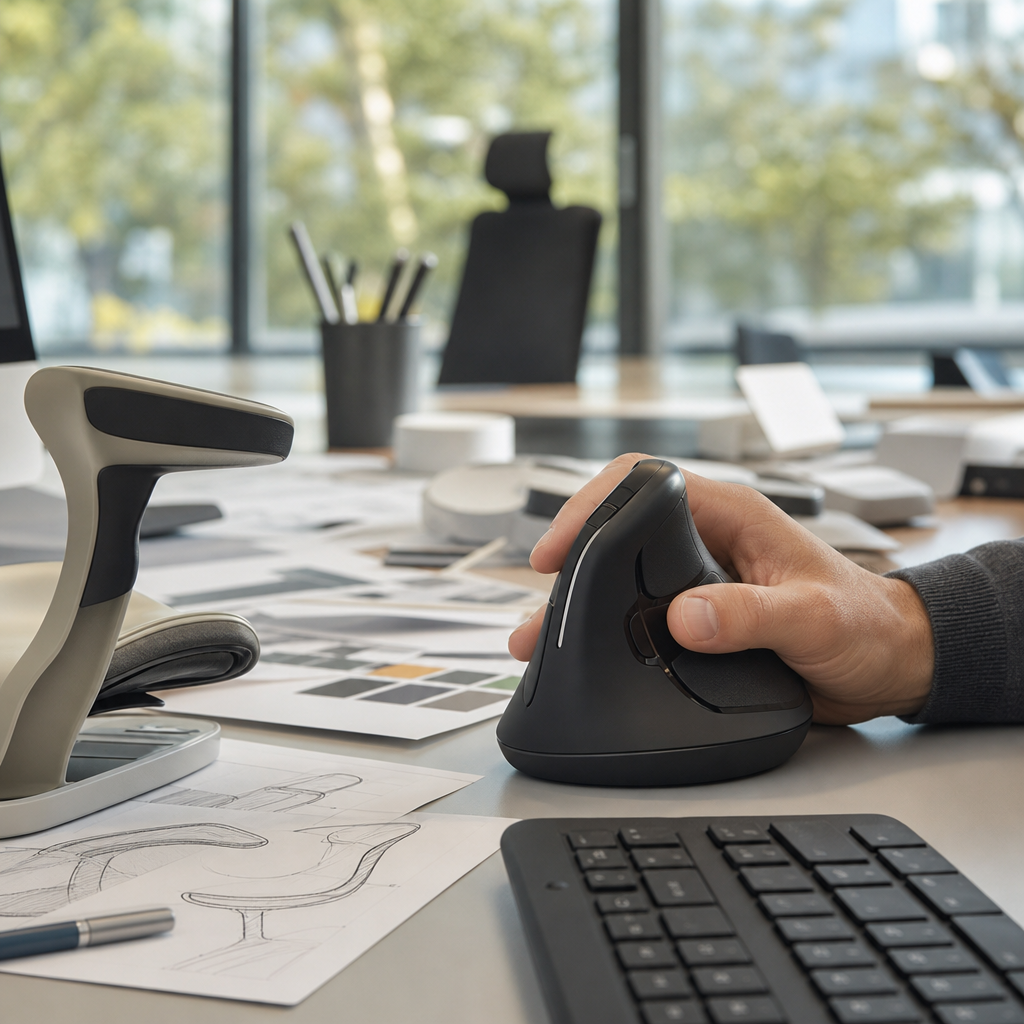
For computer peripherals, polymers affect both static comfort and dynamic performance. Mouse housings depend on rigid polymers for dimensional accuracy, yet users perceive quality through softer side grips, textured finishes, and low-friction feet. Keyboard wrist supports rely on polyurethane foam, gel-filled polymer packs, or silicone to spread contact pressure across the forearm rather than concentrating it at one edge. In testing, poorly chosen soft materials often bottom out, heat up, or develop permanent indentations that undermine support. Better materials recover shape quickly and maintain support under thousands of compression cycles. That performance directly influences whether a product remains ergonomic over time instead of merely feeling soft on the first day.
Chair components show the broadest ergonomic role for polymers. Flexible polypropylene back shells can provide controlled deflection. Mesh polymers increase airflow and reduce heat buildup. Polyurethane seat foam manages immersion and support. Nylon armrest structures allow adjustment mechanisms to stay light enough for frequent repositioning. These are not cosmetic contributions. They influence lumbar contact, shoulder position, seat pressure mapping, and user compliance with healthy posture. When a chair feels too hot, too hard, or too heavy to adjust, users stop using its ergonomic features. Polymer selection therefore affects not just comfort, but whether the design intent works in real daily behavior.
Material Selection Criteria: Comfort, Durability, Safety, and Cost
Selecting polymers for office supplies requires balancing comfort with engineering realities. Designers typically begin with the user interaction: Is the part gripped, leaned on, sat on, or adjusted? Then they translate that interaction into material properties such as modulus, elongation, coefficient of friction, compression set, creep resistance, and chemical resistance. A wrist rest needs soft support without excessive permanent deformation. A monitor arm bushing needs low wear and dimensional consistency. A chair caster needs impact toughness, rolling performance, and compatibility with carpet or hard flooring. The right polymer is rarely the softest or strongest in absolute terms; it is the one that performs best under the actual use profile.
Durability is especially important in ergonomic products because repeated micro-movements create fatigue loads. Office chair back flexures may cycle thousands of times each month. Pen clips snap because brittle polymers are pushed beyond their elastic limit. Adjustable footrests fail when low-grade plastics creep under constant load. Standards and test methods help here. BIFMA performance criteria guide furniture evaluation, while ASTM and ISO methods cover tensile properties, hardness, abrasion, flammability, and emissions. In my experience, products that pass early user trials can still fail in the field if engineers overlook creep, UV exposure near windows, hydrolysis in humid environments, or cleaning chemical compatibility in shared offices.
Safety and cost also shape final decisions. Low-emission materials matter in enclosed indoor environments. Flame-retardant requirements may apply to some products, but additive choice must be handled carefully to avoid brittle performance or regulatory issues. Cost pressure often pushes commodity polymers, yet total value depends on tooling efficiency, scrap rate, assembly time, warranty exposure, and lifespan. A slightly more expensive TPE that bonds reliably in overmolding can reduce failures and improve perceived quality enough to justify the spend. Material selection is therefore not a single purchase decision. It is a lifecycle decision that connects user comfort, manufacturing yield, compliance, service life, and brand reputation.
Manufacturing Methods That Enable Better Polymer Ergonomic Design
Polymer innovation in consumer goods depends as much on processing as on chemistry. Injection molding remains the dominant method for office supplies because it supports precise, repeatable production of complex geometries. Ergonomic benefits come from that precision. Designers can add palm contours, radiused edges, ventilation channels, living hinges, snap fits, and texture zones directly into the mold. Gas-assist molding can reduce sink and weight in larger parts, while multi-shot molding enables hard-soft combinations in one cycle. That is how many premium pens, mice, and desktop tools achieve secure grip without secondary adhesives or sleeves.
Foaming and overmolding processes are equally important. Molded polyurethane foams are widely used for arm pads and seat cushions because density and resilience can be tailored to the target support profile. Overmolding places TPE or silicone-like compounds over rigid substrates to create durable, integrated grip surfaces. In office products that are cleaned frequently, this can outperform glued pads that peel over time. Additive manufacturing also has a growing role in prototyping ergonomic shapes and validating hand fit before steel tooling is cut. I have used printed models repeatedly to test finger grooves, thumb rests, and edge radii, then translated those learnings into production polymers once the geometry was proven.
Emerging manufacturing techniques also support sustainability goals. Regrind management in injection molding can reduce waste if material properties remain within specification. Expanded polypropylene and other bead foams can lower weight in protective packaging and some accessory cores. Thermoforming supports large lightweight panels for partitions and desk accessories. The manufacturing choice matters because ergonomics is not only about shape on a CAD screen. It is about whether that shape can be produced consistently, with the intended softness, texture, tolerance, and structural behavior, at the scale required for schools, offices, and consumer retail channels.
Real-World Applications Across Consumer Office Products
Office seating is the clearest case study for polymer innovations in consumer goods. A modern ergonomic chair may use a glass-filled nylon frame for stiffness, polypropylene seat components for controlled flex, polyurethane foam for cushioning, polyester elastomer mesh for ventilation, and TPE contact pads where a softer feel is needed. Herman Miller and Steelcase popularized this material layering strategy because one material cannot deliver structure, breathability, and softness simultaneously. The result is a lighter chair with fewer metal parts, easier adjustability, and lower shipping weight than older all-metal designs.
Desktop accessories offer another strong example. Monitor arms often combine aluminum with nylon bushings and polymer cable guides to reduce friction and noise. Gel wrist rests use polyurethane films or silicone skins around viscoelastic cores to balance pressure relief with cleanability. Anti-fatigue mats for standing desks commonly use polyurethane because it delivers rebound and resists compression better than low-cost PVC foams. Even simple cable organizers show thoughtful polymer use: TPU straps retain flexibility through repeated bends, while polypropylene clips provide structure without cracking under normal indoor conditions.
| Office product | Typical polymers | Ergonomic benefit |
|---|---|---|
| Task chair | PP, nylon, PU foam, polyester mesh | Support, airflow, lighter adjustments |
| Computer mouse | ABS, TPE, PTFE | Grip, shell stability, smoother motion |
| Standing mat | PU, EVA | Cushioning, rebound, reduced foot fatigue |
| Pen or stylus | PP, ABS, TPE, silicone | Lower pinch force, better control |
| Monitor arm | Nylon, acetal, PC blends | Quiet movement, durable adjustment points |
Hybrid and home-office products extend the pattern. Portable laptop stands use glass-filled polymers to keep weight low while maintaining stiffness. Foldable document holders use acetal hinges for long cycle life. Shared-space accessories increasingly favor antimicrobial additives and easy-wipe surfaces, though these features should be evaluated carefully because hygiene performance depends on cleaning protocols as much as on chemistry. Across categories, the strongest products are designed around actual user behavior: long contact times, repeated adjustments, limited maintenance, and the need for comfort without excessive bulk.
Sustainability, Compliance, and the Future of Polymer Office Supplies
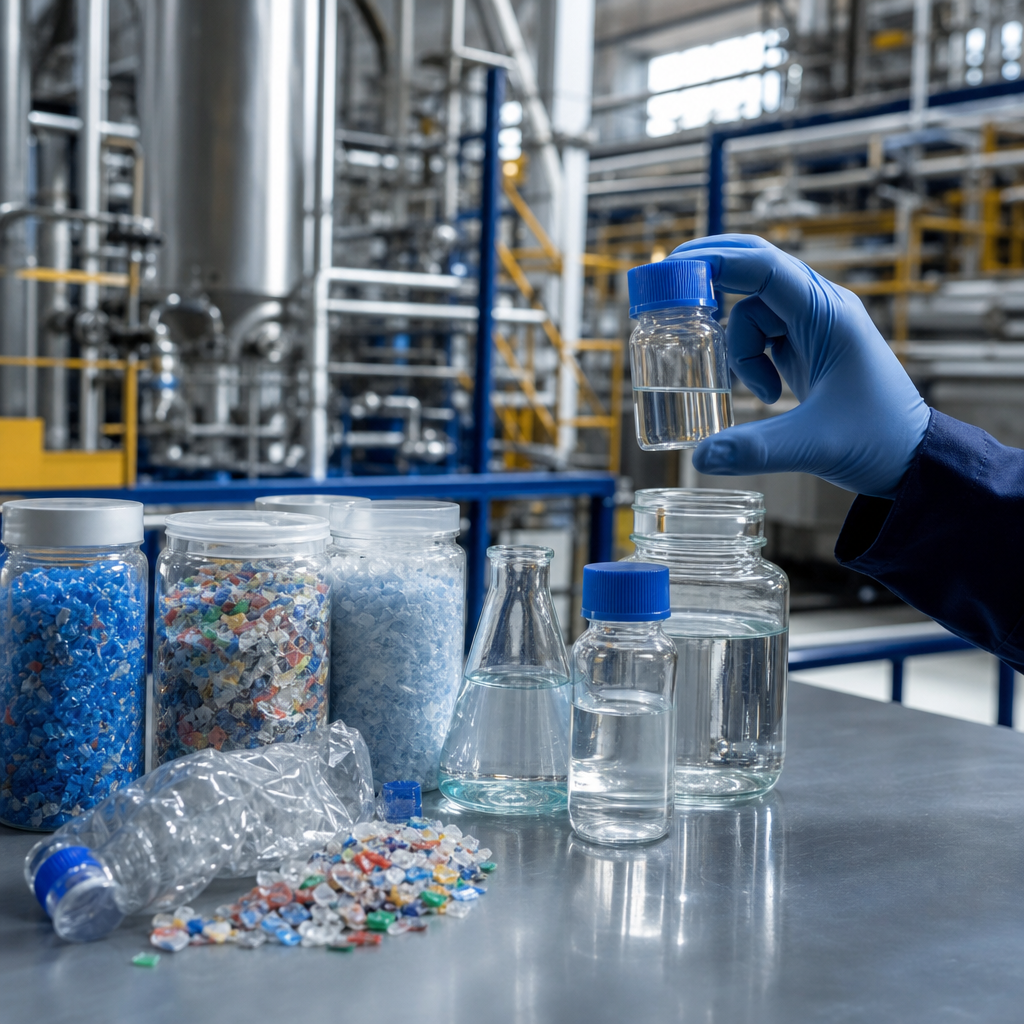
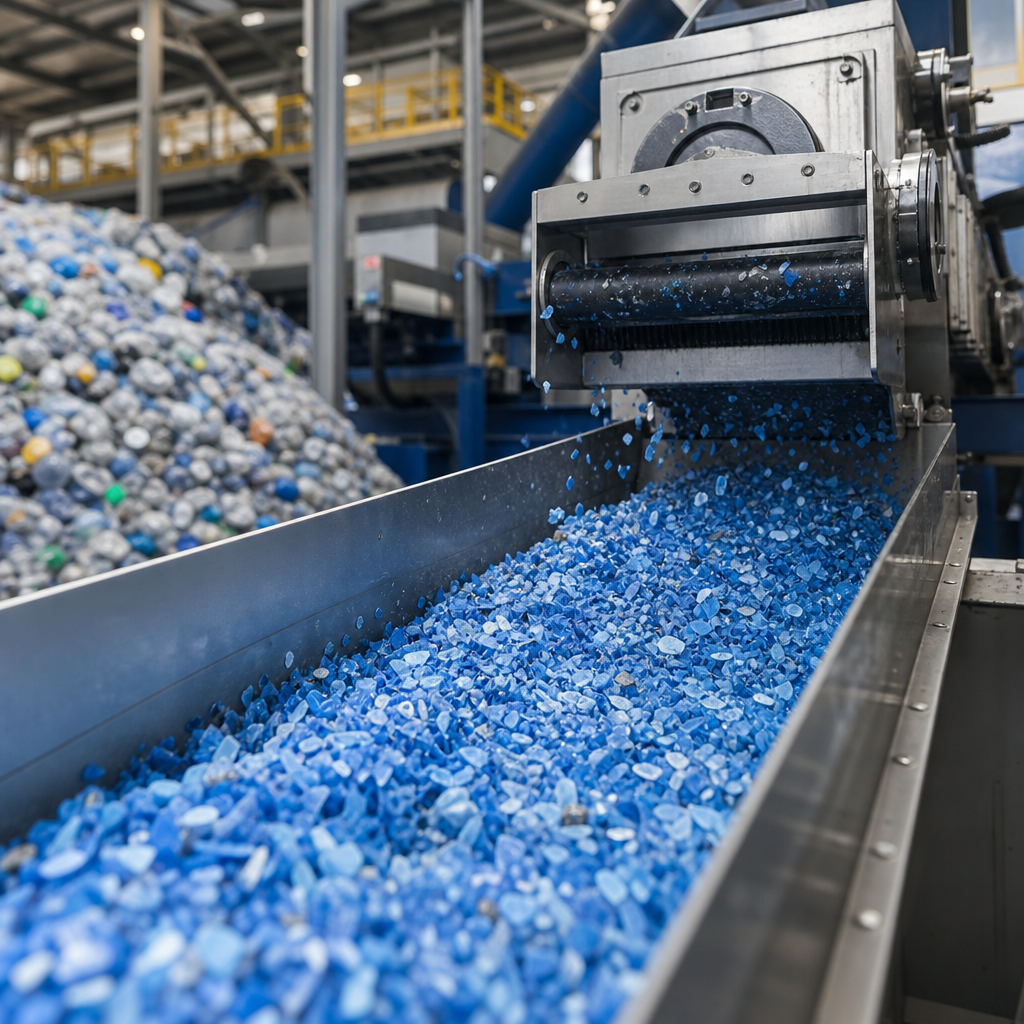
Sustainability is now central to polymer selection in office supplies, but it requires careful tradeoffs. Recycled polypropylene and recycled PET are increasingly common in trays, organizers, chair shells, and textile components. Bio-based polymers are also entering the market, although their suitability depends on mechanical demands and indoor aging performance. In specification reviews, I look beyond recycled content claims to ask harder questions: Can the product be disassembled? Are polymer families mixed in ways that complicate recycling? Does the softer overmold prevent material recovery? A durable chair that lasts twelve years can have a better environmental profile than a greener-looking product that fails in three.
Compliance and user health remain nonnegotiable. Manufacturers must account for regulations covering restricted substances, flammability, and chemical emissions, especially in large commercial purchases. GREENGUARD-style indoor air quality certifications, BIFMA-level furniture testing, and documented material disclosures increasingly influence procurement. These are not box-checking exercises. They signal whether a product is likely to perform safely in real occupied environments. As AI-assisted product design, simulation, and digital material databases improve, engineers can compare creep curves, hardness ranges, and environmental data earlier in development, reducing trial-and-error and improving documentation.
The future of the use of polymers in designing ergonomic office supplies will be defined by smarter blends, better recyclability, and more precise human-centered tuning. Expect wider use of mono-material strategies where possible, foams with improved resilience and lower emissions, and tactile surfaces engineered for comfort without sticky coatings. For buyers and specifiers, the main takeaway is simple: evaluate office products by the polymers they use, how those materials are processed, and whether the design supports real work habits over time. If you are building a better workspace or researching polymer innovations in consumer goods, start with the material stack behind the product, then follow the evidence from comfort claims to actual performance.
Frequently Asked Questions
Why are polymers so important in ergonomic office supplies?
Polymers are essential in ergonomic office supplies because they give designers precise control over comfort, flexibility, surface feel, durability, and weight. In practical terms, they make it possible to create products that support the body for long periods without adding unnecessary bulk or cost. A keyboard wrist rest, for example, needs a surface that feels soft enough to reduce pressure on the wrists, but it also needs an internal structure that prevents the material from collapsing too quickly. Different polymers can be selected or combined to achieve that balance.
They also allow manufacturers to tailor products to specific ergonomic goals. A chair arm pad may need cushioning and abrasion resistance, while a monitor mount may need rigidity, dimensional stability, and low overall weight. Cable organizers benefit from flexibility and toughness, and pen grips need a tactile, non-slip surface that remains comfortable through repeated use. Polymers can be engineered for each of these conditions far more easily than many traditional materials.
Another major reason polymers matter is manufacturability. They can be molded into complex shapes that fit the hand, wrist, forearm, or workstation geometry with a high degree of consistency. That supports both ergonomic performance and mass production. In short, polymers are not just filler materials in office products; they are often the reason a product feels supportive through a full workday instead of becoming distracting, irritating, or ineffective after a short period of use.
Which types of polymers are commonly used in ergonomic office products?
Several polymer families are used in ergonomic office supplies, and each one is chosen for a specific performance reason. Thermoplastic elastomers, often called TPEs, are common in soft-touch components such as wrist rests, grip overlays, and arm pad surfaces because they provide cushioning, flexibility, and a comfortable tactile feel. Polyurethane is also widely used, especially in foam form, for padded supports and seating-related accessories where pressure distribution matters.
Rigid structural parts are often made from polymers such as polypropylene, ABS, nylon, or polycarbonate. These materials are useful in monitor stands, keyboard trays, desk accessory housings, cable management parts, and adjustable mechanisms because they can offer strength, impact resistance, and dimensional stability. Polypropylene is valued for its light weight and chemical resistance, ABS is popular for its toughness and good surface finish, and nylon is frequently selected where wear resistance and mechanical performance are important.
Silicone is another polymer seen in ergonomic office items, particularly where a non-slip, easy-to-clean, and temperature-stable material is desirable. It can be used for grips, desk pads, or anti-slip feet. In some products, multiple polymers are combined in a single design through overmolding or layered construction. That allows a firm inner core for structure and a softer exterior for comfort. The most effective ergonomic products rarely rely on one material alone; they use the right polymer in the right place to support both human comfort and long-term product performance.
How do polymers improve comfort during long hours of office work?
Comfort in ergonomic office supplies is not simply about softness. It is about how a material behaves under continuous contact, repeated pressure, body heat, skin oils, and movement over time. Polymers help improve comfort because they can be formulated to provide controlled cushioning, surface grip, and flexibility without becoming unstable or unpleasant during extended use. That matters in products like wrist rests, mouse pads, chair arm pads, and pen grips, where even small material flaws become noticeable very quickly.
A well-chosen polymer can reduce pressure points by distributing load more evenly across contact areas. For example, a supportive elastomer or foam can compress enough to feel comfortable while still maintaining enough resilience to avoid a bottoming-out sensation. In pen grips, a slightly compliant polymer can reduce finger fatigue while improving control. On chair arm pads, a polymer surface can soften the interface between the user and the armrest without trapping too much heat or creating a sticky feel.
Surface texture is another major factor. Polymers can be molded or finished to create smooth, matte, grippy, or micro-textured surfaces that influence how a product feels against skin or fabric. That helps prevent slipping while avoiding the abrasive or sweaty sensation that can make an accessory uncomfortable after twenty minutes. In real ergonomic product development, these details matter as much as shape. The right polymer selection can turn a well-designed office tool into something people can actually use comfortably for eight hours a day.
What should manufacturers consider when choosing polymers for durability and hygiene?
Durability and hygiene are both critical in office environments because ergonomic supplies are handled constantly and expected to perform reliably over long periods. From a durability standpoint, manufacturers need to evaluate compression set, tear resistance, abrasion resistance, impact strength, UV stability, and resistance to oils, sweat, and cleaning products. A wrist rest that cracks, hardens, or permanently deforms after regular use will quickly lose its ergonomic value, even if it felt excellent at first.
Hygiene is equally important because office accessories come into frequent contact with hands, skin, desks, and shared workspaces. The surface characteristics of a polymer can determine whether it is easy to wipe clean or likely to trap dust, oils, and debris. Non-porous or low-porosity materials are generally preferred for surfaces that need regular cleaning. Resistance to common disinfectants is also important, especially in shared offices, healthcare administration settings, educational spaces, and hot-desking environments.
Manufacturers also need to think about how a material ages. Some soft polymers can become tacky over time, while others may discolor, crack, or lose flexibility. These changes affect both sanitation and user experience. A hygienic office product should maintain a stable surface, resist breakdown, and remain easy to clean throughout its service life. The best material choices balance tactile comfort with practical maintenance, ensuring that ergonomic benefits do not come at the expense of cleanliness, appearance, or long-term reliability.
Are polymers a sustainable choice for ergonomic office supply design?
Polymers can be a sustainable choice, but the answer depends heavily on the specific material, the product design, and the manufacturing approach. Not all polymers perform the same from an environmental standpoint. Some are easier to recycle, some can incorporate recycled content, and some support lightweight designs that reduce shipping emissions and material use. In ergonomic office supplies, sustainability often improves when a product is durable enough to remain useful for years instead of being replaced frequently due to wear, cracking, or discomfort.
Design strategy matters as much as material chemistry. A well-designed polymer product that uses fewer parts, avoids unnecessary mixed-material assemblies, and can be disassembled for recycling may be more sustainable than a product made from a theoretically greener material but built for short-term use. Long service life is especially important in ergonomic products because failure usually means the product is discarded even if only one component wore out. Selecting polymers with strong fatigue resistance, stable tactile properties, and cleanable surfaces can directly support sustainability by extending product lifespan.
There is also growing interest in recycled polymers, bio-based polymers, and cleaner manufacturing methods for office products. These options can reduce environmental impact when they still meet ergonomic and performance requirements. The key is to avoid treating sustainability as a separate feature. In office supply design, the most responsible polymer choice is usually one that delivers comfort, manufacturability, safety, and long-term durability while minimizing waste and supporting practical end-of-life management. When those factors are aligned, polymers can absolutely play a meaningful role in more sustainable ergonomic product development.