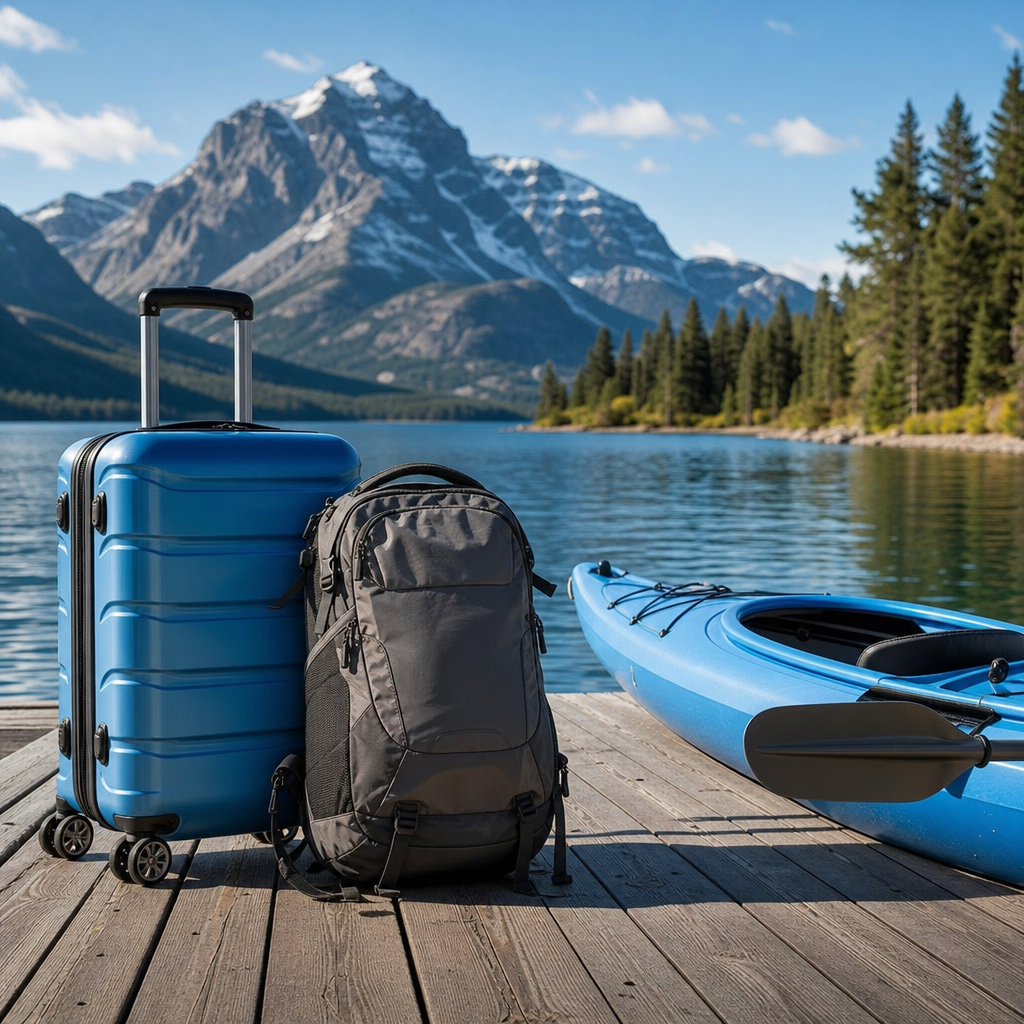
Innovations in polymers for travel and leisure products are reshaping how luggage, footwear, sporting equipment, outdoor gear, and personal accessories perform in daily use. In this field, polymers are not just plastics in the casual sense; they include engineered thermoplastics, thermosets, elastomers, foams, films, fibers, and composite matrices designed for weight reduction, toughness, weather resistance, tactile feel, and manufacturability. I have worked with product teams selecting materials for hard-shell cases, soft bags, wearables, and recreation equipment, and the pattern is consistent: the right polymer system can cut mass, survive repeated impacts, simplify assembly, and improve consumer perception at the same time. That is why polymer innovations in consumer goods matter so much within travel and leisure categories, where every gram, every drop test, and every scratch on a visible surface affects user satisfaction, warranty costs, and brand reputation.
Travel and leisure products place unusual demands on materials because they move between airports, beaches, mountain trails, hotel rooms, gyms, and storage closets. A suitcase shell must resist cracking in cold baggage holds, absorb abrasion on conveyors, and still look premium after years of handling. A hiking midsole needs resilience, low compression set, and traction compatibility. Goggles, coolers, paddle sports equipment, and camping accessories need UV stability, hydrolysis resistance, chemical resistance to sunscreens or insect repellents, and safe skin contact where relevant. Consumers also expect sustainability, lighter carry weights, quieter wheels, recycled content, and easy-clean surfaces. As a result, product developers are moving beyond commodity resins and adopting advanced blends, copolymers, bio-based feedstocks, high-performance reinforcements, and digital material selection workflows. This hub article explains the major material families, the performance problems they solve, the tradeoffs designers must manage, and the application patterns linking polymer innovations in consumer goods across the broader case studies and applications landscape.
High-performance polymers in luggage, bags, and protective travel gear
In travel products, the most visible polymer story is the shift from basic ABS and PVC-heavy constructions toward engineered polycarbonate, polypropylene, thermoplastic elastomers, and multilayer laminate systems. Polycarbonate dominates premium hard-shell luggage because it combines impact strength, dimensional stability, and clarity of formulation control. In practice, not all polycarbonate shells are equal. Molecular weight, sheet extrusion quality, coextruded cap layers, and rib geometry determine whether a shell flexes and recovers or whites out and fractures under a corner drop. Many manufacturers now use blends such as PC/ABS to balance processability and toughness, although pure polycarbonate often performs better in cold-impact tests when the design supports it. Polypropylene has also advanced considerably, especially in injection-molded cases where living hinges, low density, and excellent fatigue resistance are useful. Modern nucleated or impact-modified polypropylene grades can deliver strong dent recovery at lower weight than many alternatives.
Soft luggage and backpacks show equally important advances. Thermoplastic polyurethane films and coatings have replaced heavier, less durable legacy coatings in many premium bags because TPU improves abrasion resistance, flexibility, hydrolysis performance, and weldability. Instead of stitching every seam and then taping it, designers can RF weld or heat weld compatible layers, reducing leak paths and streamlining manufacture. EVA and expanded polypropylene inserts add structured protection without excessive mass, especially around laptop sleeves and camera compartments. Wheel housings increasingly rely on glass-filled nylon or acetal for stiffness and creep resistance, while overmolded TPE tread materials reduce rolling noise and improve floor grip. I have seen warranty claims fall simply by changing wheel compounds and axle bushing materials, because polymer friction behavior under dust and moisture is often more important than headline hardness values. These examples show how polymer innovations in consumer goods create better travel experiences through targeted materials engineering rather than cosmetic redesign alone.
Advanced elastomers and foams in footwear, sporting goods, and comfort-driven products
Comfort products in leisure markets depend heavily on elastomer and foam innovation. Footwear is the clearest example. Traditional EVA midsoles are still common because they are economical, lightweight, and easy to process, but expanded thermoplastic polyurethane, polyether block amide foams, and supercritical foamed polyolefins now offer better energy return, lower density, and more consistent cushioning over time. Brands market bounce and propulsion, but the engineering metrics are resilience, compression set, fatigue life, and temperature sensitivity. Expanded TPU beads, for example, can be steam molded into midsoles with excellent rebound and durability, which is why they gained traction first in performance running. Polyether block amide foams have gone further in high-end applications where low-temperature flexibility and high energy return justify cost. In sandals, travel clogs, and insoles, closed-cell crosslinked foams reduce water uptake and improve hygiene, while antimicrobial additives are used selectively where regulations and efficacy data support them.
Sporting goods extend these same principles. Helmet liners increasingly use expanded polypropylene because it handles multiple low-energy impacts better than some older materials and can be tuned for density and crush behavior. Protective pads combine viscoelastic polyurethane systems with breathable textile laminates to absorb force while staying wearable. In rackets, ski boots, and cycling components, thermoplastic composites are displacing some thermoset structures because they support faster cycle times, weldable joints, and recyclability pathways. Even yoga mats and resistance bands reflect material evolution, shifting from phthalate-plasticized vinyl toward TPEs, natural rubber blends, and specialized olefin foams to address odor, slip, and sustainability concerns. The lesson across these products is straightforward: polymer choice defines feel as much as it defines durability. Consumers experience that choice immediately through softness, rebound, grip, warmth, and noise, making material development central to perceived product quality.
Sustainability, recycled content, and circular design in consumer polymer applications
Sustainability now sits at the center of polymer innovations in consumer goods, especially for brands selling travel and leisure products to environmentally aware buyers. The first practical shift has been toward recycled PET in linings, webbing, and shell fabrics. Recycled polyester can perform well when feedstock quality and extrusion control are managed, but it is not a universal solution; hydrolysis resistance, color consistency, and contamination levels still require tight specification. Hard goods manufacturers are also exploring post-consumer recycled polypropylene and polycarbonate blends, often using compatibilizers and additive packages to stabilize impact performance. Bio-based options are expanding too, including castor-oil-derived polyamides, bio-attributed polyolefins produced through mass-balance systems, and PLA blends for selected non-heat-critical accessories. These materials can reduce fossil feedstock dependence, but responsible use depends on application fit, infrastructure realities, and honest communication about end-of-life outcomes.
Design for circularity matters just as much as feedstock origin. In my experience, products become difficult to recover when brands combine too many incompatible materials, permanent adhesives, decorative metallization, and dark pigments that disrupt optical sorting. Better practice means reducing mixed-material complexity, labeling resin families, using mechanical fasteners where possible, and designing replaceable high-wear parts such as wheels, handles, straps, and buckles. Life cycle assessment tools are increasingly used to compare options, but results must be interpreted carefully. A recycled polymer with poor durability can create more total impact if the product fails early and must be replaced. Conversely, a highly durable engineering polymer may have a higher initial footprint but lower impact over a longer service life. The strongest sustainability strategies pair lower-impact materials with repairability, longer warranties, and realistic claims supported by standards such as Global Recycled Standard, ISCC PLUS, or relevant ISO life cycle methods.
Processing technologies accelerating polymer innovation
Material performance is inseparable from processing technology. Injection molding remains the backbone of travel hardware, buckles, closures, wheel cores, and protective housings, but process control has become much more sophisticated. Mold-flow simulation helps engineers predict weld lines, sink, warpage, and fiber orientation, which is crucial when using filled nylons or thin-wall polypropylene. Gas-assist and microcellular foaming reduce weight while maintaining stiffness in selected parts. Thermoforming still dominates many luggage shells, yet multilayer sheet design and controlled cooling now deliver better impact resistance and surface quality than older monolayer constructions. Overmolding is another major enabler because it bonds rigid substrates to soft-touch TPE zones for handles, grips, seals, and anti-slip features without secondary assembly. Where the chemistry is matched correctly, overmolding improves comfort and water resistance while reducing loose-part failures.
Additive manufacturing has also become a practical development tool for polymer-rich consumer goods. It is not replacing volume production for most travel items, but it accelerates prototyping, ergonomic testing, and low-volume customization. Selective laser sintering with nylon powders is particularly useful for validating latch geometries, housings, and wearables with complex channels or snap fits. Thermoplastic composite processing is moving forward as well, especially through organosheet forming and hybrid molding, where continuous-fiber reinforcement is combined with injection-molded ribs and attachment points in one integrated part. The following table summarizes how key polymer processing methods map to common travel and leisure applications.
| Process | Typical polymers | Travel and leisure applications | Main advantage | Main limitation |
|---|---|---|---|---|
| Injection molding | PP, PA, PC, ABS, POM, TPE | Buckles, wheel hubs, handles, housings | High precision and scale | Tooling cost |
| Thermoforming | PC, ABS, multilayer sheets | Hard-shell luggage, protective covers | Large lightweight shells | Less local detail than molding |
| Foaming and bead molding | EPP, ETPU, EVA | Helmet liners, midsoles, inserts | Low weight and energy absorption | Property variation by density |
| Film lamination and welding | TPU, PET, nylon laminates | Dry bags, technical packs, inflatables | Water resistance and clean seams | Material compatibility constraints |
| Additive manufacturing | PA12, TPU, photopolymers | Prototypes, custom fit components | Fast iteration | Limited economics at scale |
Testing, compliance, and material selection criteria that determine success
Choosing the best polymer for a travel or leisure product requires disciplined testing, not brochure claims. Mechanical testing usually starts with tensile, flexural, impact, hardness, and fatigue data, but field performance depends on environmental exposure and assembly conditions. For luggage shells, I would never approve a material based only on room-temperature Izod impact numbers; cold-drop testing, scratch resistance, hinge-cycle testing, and chemical exposure to cleaners matter just as much. For outdoor gear, QUV accelerated weathering can reveal color shift and embrittlement risks, while hydrolysis testing is critical for TPU-coated fabrics in humid climates. Footwear foams need compression set and rebound testing after heat aging, not just initial cushioning values. Sporting goods often require dynamic impact and repeated-load protocols tailored to actual use. Standard methods from ASTM, ISO, and UL help create repeatability, but application-specific validation remains essential.
Compliance adds another layer. Consumer products may need to address REACH, Proposition 65, CPSIA, food-contact rules for certain containers, and restricted substance lists imposed by major brands. Flame retardancy is occasionally relevant in travel electronics accessories or transportation-adjacent products, though unnecessary additives should be avoided when not required. Skin-contact items may need biocompatibility or irritation review, especially when coatings, colorants, or antimicrobial claims are involved. Material selection also depends on joining methods, decoration requirements, and repair strategies. A polymer that performs well structurally may still fail commercially if it cannot be welded cleanly, printed reliably, or matched to adjacent materials in thermal expansion. The strongest development teams use a stage-gate process: define use cases, shortlist material families, prototype quickly, test against abuse conditions, then lock specifications only after supplier audits and production trials. That disciplined workflow is the real engine behind durable polymer innovations in consumer goods.
Where the market is heading next across the consumer goods hub
The next wave of innovation will come from smarter combinations of materials, design, and data. Expect broader use of mono-material architectures in bags and cases to improve recyclability without sacrificing premium aesthetics. Watch for chemically recycled polyamides and polyesters entering higher-value components where purity and traceability are critical. In leisure wearables and sporting accessories, sensor integration will push growth in flexible polymers, conductive inks, and encapsulants that survive sweat, bending, and washing. Advanced surface technologies will also matter more, including anti-scratch hard coats, low-friction wheel treads, stain-release finishes, and bio-based water repellents that avoid problematic fluorinated chemistries. AI-assisted formulation and simulation tools are already shortening development cycles by predicting how additives, fillers, and process conditions affect end performance.
As the hub page for polymer innovations in consumer goods, this article connects the major themes shaping case studies and applications across luggage, footwear, outdoor equipment, protective gear, and everyday leisure accessories. The key takeaway is simple: polymers are no longer chosen just for cost and moldability. They are strategic performance platforms that influence weight, comfort, safety, aesthetics, sustainability, service life, and brand differentiation. The best products come from matching polymer chemistry to actual user conditions, validating performance through rigorous testing, and designing for repair and material recovery from the start. If you are building or sourcing travel and leisure products, review your material stack part by part, challenge legacy resin choices, and use this hub as the starting point for deeper application-specific decisions.
Frequently Asked Questions
What kinds of polymer innovations are having the biggest impact on travel and leisure products today?
The biggest advances are coming from high-performance engineered polymers that deliver more than basic moldability. In luggage, for example, manufacturers are using advanced polycarbonate blends, polypropylene formulations, and reinforced composites to create shells that are lighter, more impact resistant, and better able to recover from dents or rough handling. In footwear, innovation is centered on foamed polymers, thermoplastic elastomers, and advanced midsoles that improve cushioning, energy return, durability, and weight reduction. Sporting goods and outdoor gear are seeing similar gains through polymer matrices used in composites, weather-resistant coatings, flexible films, and high-strength fibers that improve performance without adding bulk.
Another major shift is the move toward multi-functional materials. A polymer is no longer chosen just because it is “strong” or “light.” Product teams now evaluate how materials perform across a full use cycle, including UV exposure, temperature swings, chemical contact, abrasion, moisture, tactile feel, color retention, and manufacturability. That is why innovations in polymer compounding, additive packages, and processing techniques matter so much. A small change in resin formulation or foam structure can influence whether a backpack strap feels comfortable, whether a ski helmet maintains impact performance in cold weather, or whether a travel accessory keeps its shape after years of repeated use.
Processing innovation is equally important. Improved injection molding, blow molding, thermoforming, overmolding, and additive manufacturing methods allow product designers to create more complex geometries, thinner walls, integrated features, and better surface finishes. In practical terms, that means fewer assembled parts, better ergonomics, reduced production waste, and more durable products. Taken together, these material and process innovations are reshaping travel and leisure categories by making products more comfortable, reliable, lightweight, and tailored to specific user needs.
How do manufacturers choose the right polymer for products like luggage, footwear, and outdoor gear?
Material selection starts with understanding the real-world demands of the product, not with choosing a polymer by name. A luggage shell, a trail running shoe sole, and a waterproof outdoor pouch all face very different service conditions. Product teams typically begin by defining performance requirements such as stiffness, flexibility, impact resistance, weight, weatherability, fatigue life, scratch resistance, chemical resistance, and expected lifespan. They then narrow the field based on processing needs, cost targets, appearance requirements, sustainability goals, and supply chain reliability.
For luggage, for instance, the key question is often how to balance impact toughness with low weight and premium feel. Polycarbonate may be attractive for its toughness and visual quality, while polypropylene may offer a compelling cost-to-weight ratio and strong fatigue resistance. In footwear, the focus may shift toward cushioning behavior, rebound, compression set, slip resistance, and bonding compatibility with other layers. In outdoor gear, water resistance, low-temperature flexibility, UV stability, and resistance to dirt, oils, or cleaning agents can become critical. A material that performs beautifully in a controlled lab test may still fail in the field if it becomes brittle in the cold, degrades under sunlight, or feels uncomfortable in the hand.
Experienced teams also look beyond the raw polymer and consider the full material system. Fillers, reinforcements, foaming approaches, coatings, laminates, fabric backings, and additives can dramatically alter performance. Just as important, they consider how the material behaves during manufacturing. A polymer that looks ideal on paper may warp during molding, show sink marks, resist bonding, or create inconsistent foam density. The best selections come from a combination of property data, prototyping, field testing, and close collaboration between designers, materials engineers, processors, and suppliers.
Why are polymers so important for making travel and leisure products lighter without sacrificing durability?
Polymers are central to lightweighting because they offer a rare combination of low density, design flexibility, and tunable mechanical performance. Compared with many metals and traditional materials, polymers allow manufacturers to reduce mass while still engineering products to handle impact, flexing, abrasion, and environmental exposure. This is especially valuable in travel and leisure applications, where people directly feel every extra gram in a suitcase, hiking pole, helmet, shoe, or protective case. Lower weight can improve portability, user comfort, transportation efficiency, and overall product appeal.
The real advantage is that polymer systems can be engineered at multiple levels. The base resin matters, but so do reinforcement strategies, cellular structures, wall thickness design, and geometry optimization. A well-designed polymer component can use ribs, curved forms, energy-absorbing sections, or foam cores to achieve strength and stiffness efficiently. In footwear, a foamed polymer midsole can reduce weight while also improving cushioning and responsiveness. In sporting goods, composite polymer matrices combined with fibers can create structures that are very stiff and strong for their mass. In luggage and gear housings, smart polymer selection can improve impact resistance while keeping shells thin and easy to handle.
Durability is preserved by matching the polymer to the actual loading and environment. Lightweight does not mean weak when the material is chosen intelligently. Engineers evaluate repeated drops, crack growth, hinge fatigue, puncture resistance, abrasion, and aging under UV, heat, humidity, and cold. By tailoring molecular structure, additives, reinforcements, and processing conditions, manufacturers can create lightweight products that survive real use rather than just laboratory benchmarks. That is why modern polymers are so valuable: they do not simply replace heavier materials, they often enable a more optimized and higher-performing design.
Are newer polymer materials also becoming more sustainable for travel and leisure applications?
Yes, sustainability is becoming a much more active part of polymer innovation, although the answer is nuanced. Progress is happening through recycled content, bio-based feedstocks, mono-material design strategies, lightweighting, durability improvements, and more efficient manufacturing. In travel and leisure products, extending service life is itself a meaningful sustainability gain. A suitcase that lasts years longer, a shoe component that retains performance over more miles, or an outdoor product that resists weathering and damage can reduce replacement frequency and lower overall material consumption.
Recycled polymers are increasingly used in selected components, especially where performance requirements can still be met consistently. Some brands are incorporating recycled polyesters, recycled polyamides, or recycled thermoplastics in shells, fabrics, trims, and accessory parts. Bio-based polymers and partially renewable feedstocks are also gaining attention, particularly in foams, fibers, and flexible components. At the same time, engineers are working to simplify product construction so that parts are easier to separate, identify, and potentially recycle at end of life. This is particularly relevant in categories that have traditionally relied on multi-material laminates and bonded assemblies, which can be difficult to recover.
That said, sustainable polymer selection is rarely as simple as choosing a material labeled “green.” The full picture includes durability, repairability, process energy, transportation weight, recyclability infrastructure, and how the product is actually used. A high-recycled-content polymer that cracks early may be less sustainable in practice than a more durable alternative that keeps a product in service much longer. The strongest sustainability strategies usually come from balancing environmental goals with performance, manufacturability, and realistic end-of-life pathways. In other words, the best outcomes are driven by systems thinking, not marketing claims alone.
What should brands and consumers look for when evaluating polymer quality in travel and leisure products?
They should look past generic claims like “premium plastic” or “advanced composite” and focus on performance indicators tied to real use. For brands, that means asking detailed questions about impact resistance, fatigue life, abrasion behavior, UV stability, hydrolysis resistance, cold-temperature toughness, compression set, flex retention, and compatibility with manufacturing methods. It also means understanding consistency from batch to batch, because even a capable polymer can underperform if formulation control or processing quality is poor. Good material selection is always supported by testing, validation, and an honest understanding of where the product will be used.
For consumers, useful clues often come from how the product feels and behaves rather than from resin names alone. A well-engineered polymer product should feel appropriately solid for its weight, show good fit and finish, resist creasing or whitening in vulnerable areas, and recover well from normal flexing or handling. In luggage, that may mean a shell that feels resilient rather than brittle and hardware or handles that do not seem overly rigid or fragile. In footwear, it may mean cushioning that is responsive without collapsing too quickly. In outdoor gear, it may show up as coatings and flexible parts that remain supple instead of cracking after repeated exposure.
It is also wise to evaluate design and construction alongside the polymer itself. Even the best material can be undermined by thin stress points, poor hinge design, weak bonding, or inadequate sealing. Conversely, a thoughtfully engineered product can get excellent performance from a material that is not especially exotic. The most reliable signal of polymer quality is usually the combination of material transparency, credible performance testing, warranty confidence, and field reputation. When brands clearly explain why a material was chosen and how it was validated, that is often a strong sign that polymer engineering is being used as a real performance tool rather than just a marketing phrase.