In the quest for environmental sustainability, materials science finds itself at the forefront, pioneering the creation and advancement of sustainable polymer composites. These innovative materials are engineered to possess environmentally friendly attributes while maintaining or even exceeding the performance characteristics of traditional polymers. Sustainable polymer composites herald a transformative journey toward greener manufacturing processes, reduced carbon footprints, and ultimately, a healthier planet. This burgeoning field amalgamates recycled materials, biopolymers, and novel manufacturing techniques, leading to promising solutions in various industries ranging from automotive to aerospace, and consumer goods.
The global reliance on synthetic polymers poses significant environmental challenges, most notably in terms of waste management and resource depletion. Traditional petroleum-based polymers offer advantages such as durability and versatility but often come with considerable drawbacks. The non-biodegradability of these polymers contributes to landfill overflow and marine pollution, presenting a pressing need for alternative solutions. Sustainable polymer composites thus emerge as a compelling answer, combining different materials to optimize performance and sustainability.
Sustainability in polymer composites primarily revolves around maximizing the use of renewable resources and minimizing environmental impact through the lifecycle of the product. Researchers are diligently working on improving the processing techniques and lowering the energy consumption associated with these materials. The overarching aim is to balance cost and performance while ensuring environmental benefits.
With the global agenda increasingly focused on sustainability, understanding innovations in sustainable polymer composites has never been more critical. This article delves into emerging technologies and methodologies that are sculpting a sustainable future in polymers. We will explore the core innovations, address industry applications, and reflect on future potential and challenges. By comprehending the strides made in this domain, we can better appreciate the holistic nature of the world’s transition toward sustainability.
The development of sustainable polymer composites revolves around utilizing renewable resources, repurposing waste materials, and incorporating new manufacturing methods that significantly reduce the ecological footprint. Key innovations in this field include the utilization of natural fibers, biopolymer advancements, recycled composites, and advanced manufacturing techniques.
Natural Fiber-Reinforced Composites
Natural fibers, derived from plants or animals, have garnered attention as a sustainable alternative to synthetic fibers for reinforcing polymer composites. Materials like flax, hemp, jute, and kenaf offer compelling advantages, including biodegradability, low density, and cost-effectiveness. These fibers exhibit desirable mechanical properties making them viable competitive alternatives in various applications.
A significant advantage of using natural fibers lies in their ability to drastically reduce the overall weight of the composite material, which is particularly beneficial in automotive and aerospace applications. Weight reduction directly corresponds to fuel and energy savings, which translate into reduced carbon emissions during the use phase of any product. Moreover, the renewability of plant-based fibers contributes to a more sustainable lifecycle.
To enhance the mechanical properties of natural fiber composites, researchers are focusing on fiber treatment processes and hybridization techniques that involve combining different fiber types. Treatments such as alkaline treatment, silane treatment, and enzymatic treatment are employed to improve fiber-matrix adhesion, thus improving the overall strength and durability of the composites.
Biopolymers and Biocomposites
Biopolymers, derived from renewable biological resources, form an essential component of sustainable composites. Biopolymers like polylactic acid (PLA), polyhydroxyalkanoates (PHA), and starch-based polymers offer a promising alternative to conventional petroleum-based plastics.
Among these, PLA is a notable biopolymer widely utilized due to its biodegradability and relatively high mechanical strength. Derived from renewable resources such as corn starch or sugarcane, PLA composite materials are gaining traction in packaging, medical devices, and even 3D printing industries. However, research remains ongoing to enhance their thermal stability and mechanical properties to match or surpass traditional polymers.
Another intriguing innovation is the development of biocomposites that combine biopolymers with natural fibers. These hybrids capitalize on the benefits of both components, achieving improved overall sustainability. For instance, combining PLA with flax fibers results in a completely biodegradable composite offering commendable strength, which has applications in various industries aiming for eco-friendly product lines.
Recycled Polymer Composites
The incorporation of recycled materials into polymer composites presents a significant advancement in sustainable development. By repurposing post-consumer and post-industrial waste, manufacturers considerably reduce the demand for virgin materials, thus lowering the environmental impact.
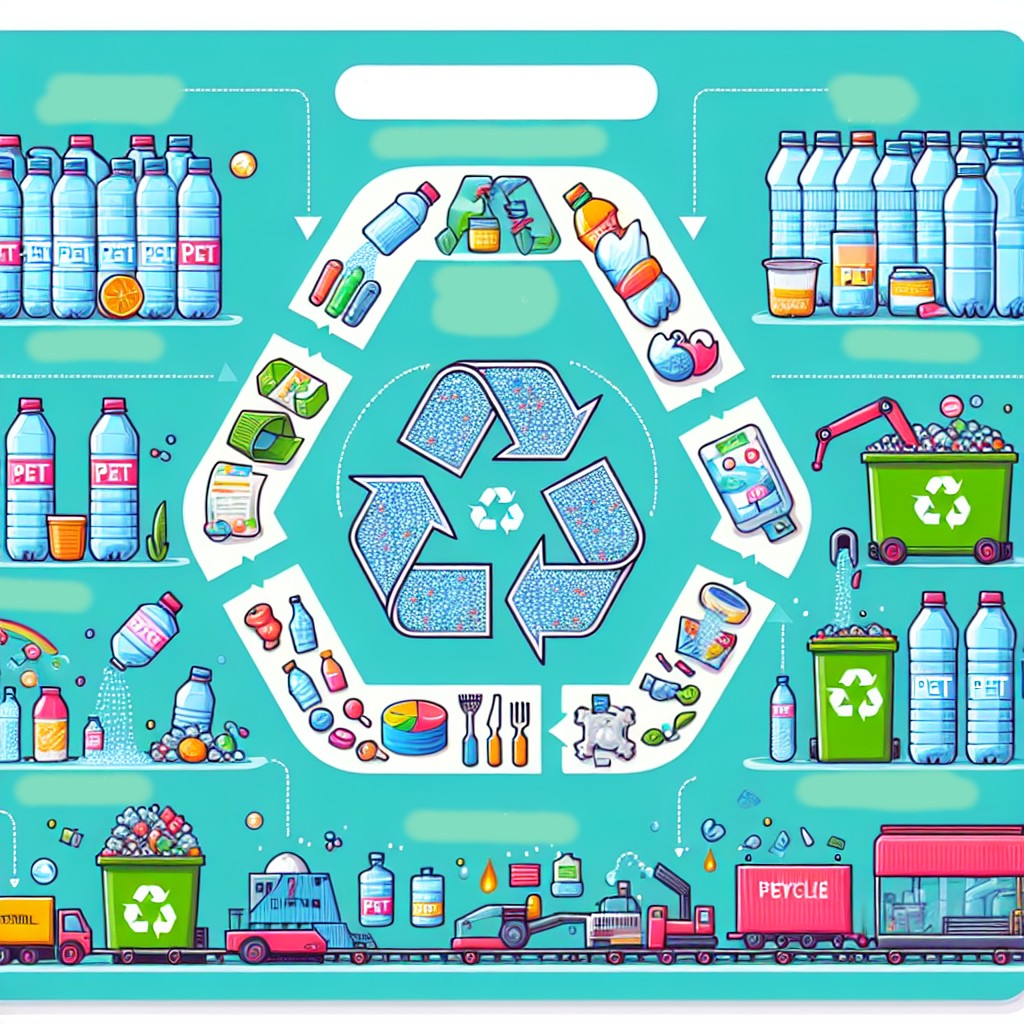
Recycling efforts typically focus on commonly used polymers such as polyethylene (PE), polypropylene (PP), and polyethylene terephthalate (PET). These recycled polymers, once processed and purified, can be combined with natural or synthetic fibers to form robust composite materials. A notable example includes recycled PET employed as a matrix material, which is reinforced with glass fibers, resulting in a composite with satisfactory mechanical properties suitable for non-structural applications.
Beyond conventional recycling, innovative efforts are directed at converting waste materials such as ocean plastic and textile waste into viable composite materials. These initiatives not only address the waste generated but also contribute to community projects promoting circular economy principles. Recycled composites are particularly beneficial as they extend the lifecycle of plastic materials, reducing the overall ecological footprint.
Advanced Manufacturing Techniques
Manufacturing methods play a critical role in the development of sustainable composites. Innovations in processing techniques are essential to optimize energy use, material efficiency, and production feasibility. Novel methods such as 3D printing, automated additive manufacturing, and reactive processing are increasingly applied to enhance the sustainability of polymer composites.
3D printing, particularly, has become a potent tool for creating intricate composite materials with minimal waste. The additive nature of this technology allows for precise material usage with limited excess, significantly reducing waste. Furthermore, 3D printing facilitates the use of a wide range of sustainable materials, including biopolymers and recycled composites, thus broadening the possibilities for eco-friendly applications across industries.
Another advanced method is reactive processing which involves polymerization reactions during the composite formation. This technique is advantageous in that it often requires lower energy consumption compared to traditional processing methods. Moreover, it allows for the precise tailoring of polymer properties to meet specific performance requirements, thus enhancing the overall utility and sustainability of the final product.
Applications and Impact
The demand for sustainable polymer composites continues to grow as industries recognize the environmental and performance benefits these materials offer. Their applications are diverse, spanning across sectors such as automotive, construction, aerospace, packaging, and consumer goods, each benefiting from the unique properties these composites provide.
In the automotive industry, sustainable composites are utilized to reduce vehicle weight, thus improving fuel efficiency and reducing emissions. Materials such as natural fiber-reinforced composites are increasingly employed in interior components and under-the-hood applications. Automotive manufacturers are also exploring the adoption of biocomposites, aiming to further enhance sustainability across vehicle lifecycles.
In the construction sector, these composite materials offer an appealing option for sustainable building practices due to their strength, durability, and reduced environmental impact. Applications include cladding materials, decking, and insulation, where biocomposites offer an advantageous combination of performance and ecological benefit.
The aerospace sector is characterized by high performance needs, making traditional composites initially more favorable. However, with advancements in sustainable materials, there is a growing adoption of lighter and more eco-friendly composites crafted from biopolymers or recycled fibers, particularly in non-structural components.
Packaging represents another critical application, where environmentally conscientious consumers demand sustainable solutions. Biodegradable polymers and recycled materials are increasingly used in packaging applications, offering comparable performance to their traditional counterparts while providing eco-friendlier disposal options.
Furthermore, consumer goods industries are integrating sustainable composites into their product lines, driven by consumer demand and corporate responsibility strategies. Everyday products such as electronics, furniture, and sporting goods are gradually embedding a larger proportion of sustainable materials, reflecting broader market trends and legislative pressures.
Conclusion
The trajectory of sustainable polymer composites promises a revolutionary shift in how materials are conceived, produced, and utilized across numerous industries. Innovations in natural fibers, biopolymers, recycled composites, and advanced manufacturing techniques are catalyzing this transformation, driving significant progress toward reducing environmental impact while enhancing material performance and functionality.
As researchers continue to push the boundaries of sustainable material science, they navigate challenges such as cost, processing complexity, and performance limitations inherent in the transition from conventional to new-age materials. However, collaboration among industry leaders, policymakers, and academia fosters an environment conducive to overcoming these impediments, ensuring these sustainable materials are accessible and scalable on a global scale.
For consumers and producers alike, an understanding of the developments and potential in sustainable polymer composites will guide informed decision-making. The desire for eco-friendly, high-performing materials will inevitably dictate the future landscape of industrial production, propelling sustainable composites to the forefront of innovative solutions.
Ultimately, embracing the advancements in sustainable polymer composites not only addresses immediate environmental concerns but also aligns with a broader vision for a sustainable future. This ongoing innovation brings us closer to achieving essential sustainability goals, highlighting the synergistic potential of science, technology, and environmental stewardship in crafting a resilient, eco-friendly world.