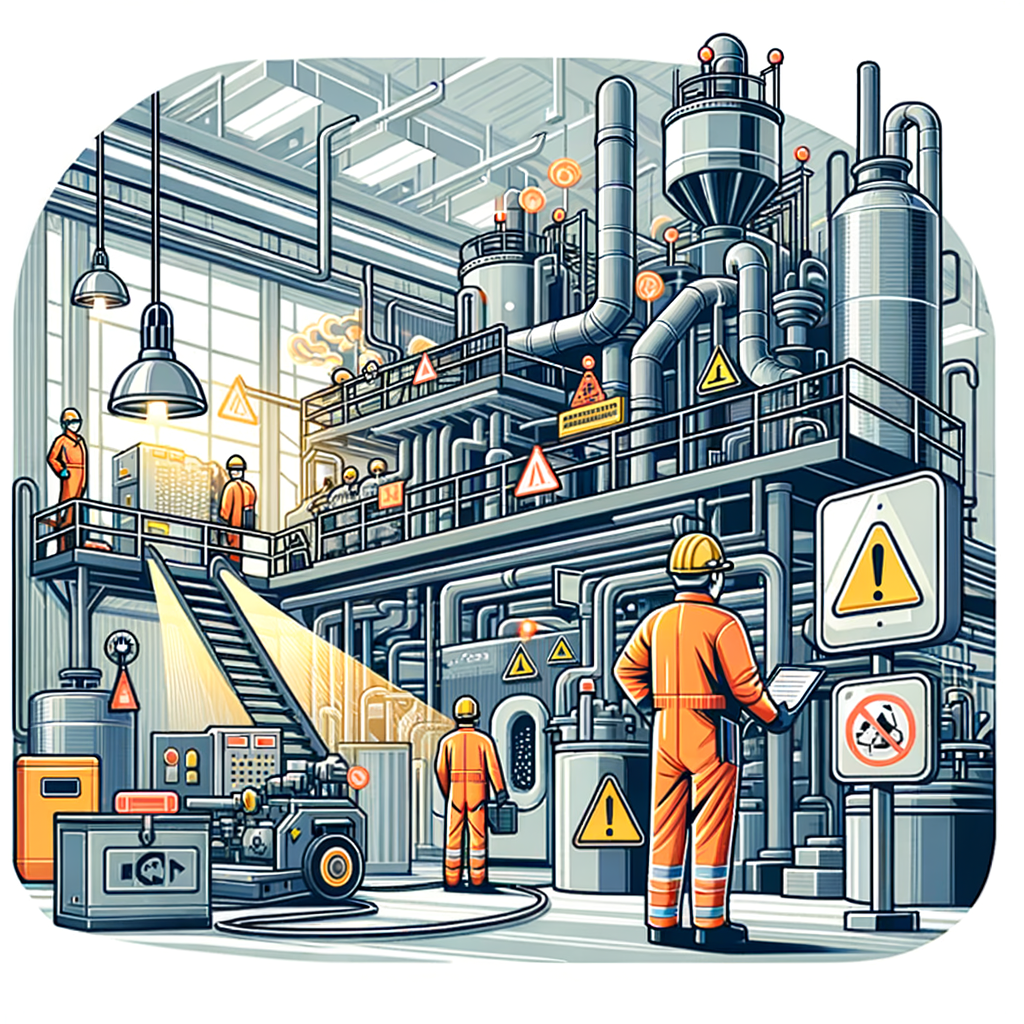
The polymer production industry is intricately connected to an array of raw materials, many of which are derived from petrochemicals, minerals, and natural compounds. These materials are essential for creating plastics, synthetic fibers, rubbers, and more. However, the industry often faces challenges, particularly with raw material shortages. These shortages can originate from various disruptions, such as supply chain obstacles, geopolitical tensions, or natural catastrophes, and their effects can ripple through production schedules and financial performances. As global demands fluctuate and economic landscapes evolve, managing these shortages becomes crucial for sustaining operations and maintaining market competitiveness. Businesses must strategize effectively to counteract the impacts of these shortages. Developing adaptive approaches not only ensures continuity of supply but also enhances resilience against future disruptions. This article delves into identifying the root causes of shortages, explores strategies for mitigating them, and offers insights into maintaining a balanced production line amidst these challenges.
Identifying the Causes of Raw Material Shortages
Understanding why raw material shortages occur is essential in formulating strategies to manage them. Often, these shortages are not due to a single cause but rather a combination of factors. Key contributors include supply chain disruptions, such as transportation bottlenecks, which are becoming increasingly common due to events like the COVID-19 pandemic. This pandemic created logistical nightmares, leading to port closures and shipping delays that affected raw material shipments.
Geopolitical tensions also play a significant role in material availability. Tariffs and trade restrictions can suddenly limit access to once readily available materials. When countries impose sanctions or trade embargoes, industries relying on affected materials must seek alternative suppliers, which may not be immediately accessible or reliable.
Furthermore, natural disasters like earthquakes, hurricanes, or floods can disrupt mining and transportation in critical regions. For instance, a significant earthquake in a mineral-rich area can halt production and shipment, severely disrupting availability. These environmental factors cannot be controlled but must be anticipated as part of risk management.
Another factor is the fluctuating demand for certain materials influenced by market trends or technological advancements. For example, the increasing demand for electric vehicles has heightened the need for specific polymers, thereby straining the supply chains of traditional plastics.
Strategies for Mitigating Shortages
Navigating through raw material shortages requires a multifaceted approach involving proactive planning, diversification, and technological innovation. Firstly, effective inventory management can cushion the impacts of shortages. By maintaining an optimal stock level that considers lead times and potential delays, companies can mitigate immediate disruptions.
Diversification of suppliers is another strategic option. Relying on a single supplier limits flexibility and increases vulnerability in times of crisis. By expanding the supplier base, preferably encompassing different geographical locations, companies can reduce this risk. Multi-sourcing mitigates dependency on risk-prone regions.
Investing in technology and digitalization can greatly enhance resilience. Predictive analytics tools can forecast potential disruptions based on historical data and current market analyses, allowing companies to strategize proactively. Real-time tracking systems can provide insights into supply chain status, enabling quicker responses to disruptions.
Collaboration and strong relationships with suppliers can also be advantageous. By establishing partnerships rather than contractual agreements, both parties can work towards mutual benefit, ensuring priority in supply allocations during shortages.
Moreover, adopting a circular economy approach, where recycled materials are reused in production, can substantially alleviate supply pressures. Not only does this reduce dependency on virgin materials, but it also promotes sustainability—attracting environmentally conscious consumers.
Innovative Alternatives and Technological Integration
When traditional raw materials become scarce, the need for innovative alternatives grows. Research and development in the field of bio-based polymers present significant potential, offering options that can either supplement or replace conventional materials. Bio-based polymers, sourced from agricultural byproducts or renewable resources, reduce reliance on finite petrochemical supplies.
These alternatives, while promising, require investment and commitment to realize their full potential. Companies should consider partnerships with research institutions or innovation-driven start-ups, focusing on accelerated development and commercialization of such materials.
Additionally, advancements in polymer recycling technologies have made it possible to regenerate high-quality polymers from recyclable waste. This not only lessens the burden on raw material supply chains but also aligns with increasing regulatory demands for sustainable practices. Optimizing these recycling processes can be a game changer in times of raw material scarcity.
Technology integration doesn’t end with material science. Implementing smart manufacturing systems can enhance operational efficiency, ensuring resources are used optimally. IoT and AI integration can provide data-driven insights that optimize material use and reduce waste during production, thus conserving available resources.
Continuous Monitoring and Risk Management
To sustain polymer production amidst ongoing and potential raw material shortages, continuous monitoring of both market conditions and supplier landscapes is crucial. Adopting a dynamic risk management framework allows for real-time identification and mitigation of emerging challenges.
Creating a robust monitoring system involves establishing key performance indicators (KPIs) that track essential metrics such as lead times, supplier performance, and inventory levels. Regularly reviewing these KPIs aids in early detection of potential shortages, allowing companies to take preemptive actions.
Scenario planning is another effective technique, where businesses can model various supply chain disruption scenarios and assess their impacts on production. This proactive stance allows companies to maintain a strategic buffer and an action plan tailored for different contingencies.
Companies also benefit from engaging in industry forums and consortiums that foster knowledge sharing and collaboration. These platforms enable access to broader market insights and communal strategies against shared challenges, including raw material shortages.
Conclusion
Managing raw material shortages in polymer production requires a proactive, strategic approach that combines thorough understanding, diversified sourcing, and adoption of innovative technology. By identifying the underlying causes of shortages, companies can tailor strategies that effectively mitigate disruptions. Techniques, such as supplier diversification and investment in alternative materials, contribute significantly to resilience.
Embracing technological advancements not only optimizes existing resources but also opens pathways to new materials and processes that reduce dependency on consistent availability of traditional raw materials. Continuous monitoring and comprehensive risk management practices further empower organizations to navigate the complexities of raw material supply chains successfully.
As the global demand for polymers evolves, organizations that integrate flexibility and innovation into their supply chain strategies will position themselves better in tackling raw material shortages. This resilience not only ensures continuity but also enhances competitiveness in a challenging market landscape. By adopting these multifaceted strategies, the polymer production industry can sustain its growth and meet the ever-changing demands effectively.