Polymer plants play a vital role in the production of materials integral to numerous industries, ranging from automotive to consumer goods. Polymers’ versatility and durability have made them indispensable, yet the processes involved in their manufacture present a myriad of health and safety challenges. In this article, we will explore these critical concerns and how they ought to be addressed to ensure the safety of workers and the surrounding environment. Considering the inherently hazardous nature of working with chemicals, the polymer manufacturing industry must prioritize and implement strict health and safety measures. This discussion includes an overview of the typical risks faced in polymer plants, strategies to mitigate those risks, and the implementation of regulatory standards to maintain a safe working environment. By examining these elements, we aim to underscore the importance of vigilance and proactive measures in the polymer industry.
Identifying Health and Safety Risks
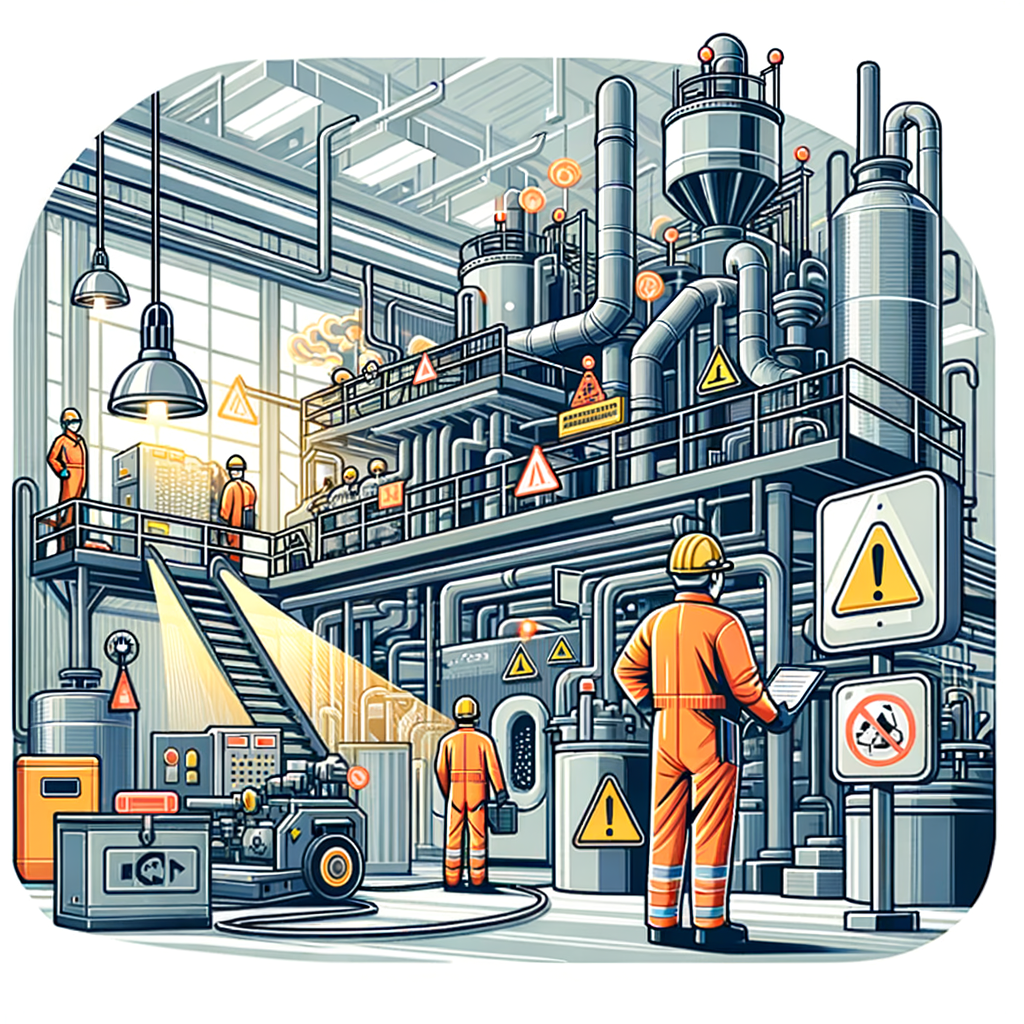
The first step in addressing health and safety concerns in polymer plants is identifying the risks inherent in the manufacturing process. Polymer production involves handling volatile organic compounds (VOCs), high temperatures, and intricate machinery. Exposure to VOCs can have dire consequences on human health, including respiratory issues, while high temperatures pose burn risks, and machinery can lead to severe injuries. Beyond immediate dangers, the prolonged exposure to chemical agents used in the polymerization process can lead to chronic health problems like skin conditions and cancer. Measuring and monitoring levels of these chemicals is crucial in minimizing unnecessary exposure. Employees working with potentially harmful substances must be provided with appropriate personal protective equipment (PPE), including respirators, gloves, and protective clothing to shield against inhalation and skin contact.
Implementing Robust Safety Protocols
Establishing and enforcing robust safety protocols is another key component of mitigating risks in polymer plants. Safety protocols should be detailed and cover every aspect of the work environment, providing clear instructions for dealing with both everyday tasks and emergency situations. Regular training sessions ensure that all employees are familiar with safety procedures, reinforcing the importance of adherence to these protocols. Training should be an ongoing process that includes updates on the latest safety standards and technologies. It should also address behavioral aspects such as awareness and responsiveness to hazardous situations. To foster a safety-minded culture, employees should be encouraged to report unsafe conditions without fear of retribution. Establishing a comprehensive risk assessment process that continuously evaluates potential hazards and implements appropriate measures promptly can significantly reduce workplace accidents.
Equipment maintenance is a critical part of safety protocols. The complex machinery used in polymer processing must be regularly inspected and maintained to prevent malfunctions that could lead to accidents. This includes routine checks for wear and tear as well as ensuring safety features are functional. Furthermore, implementing an automated monitoring system can greatly enhance safety measures. These systems can provide real-time data on equipment conditions, alerting operators to potential issues before they lead to failure or accidents.
Environmental and Regulatory Compliance
Another vital aspect of safety in polymer plants is adherence to environmental and regulatory standards set by authorities such as the Occupational Safety and Health Administration (OSHA) in the United States, or its counterparts in other countries. These regulations are designed to protect both the workforce and the environment from the harmful effects of polymer manufacturing processes. Compliance with these standards is not only a legal obligation but also a moral one, emphasizing the company’s commitment to responsible production. Organizations should conduct regular audits to ensure their processes align with these regulations, making necessary adjustments and documenting all compliance efforts.
In addition to preventing human risk, attention should also be paid to environmental safety. Polymer plants often release emissions and by-products that could be detrimental to the environment. Therefore, implementing waste management systems that properly treat and dispose of chemical by-products is essential. Techniques such as recycling waste materials where possible, reducing emissions through cleaner processes, and using less harmful chemicals can greatly reduce the environmental impact of the plant’s operations.
Adopting Technological Innovations
Modern technological advancements offer new solutions for safety concerns in polymer plants. From improved chemical sensors that detect harmful emissions to advanced personal protective equipment designed to shield workers more effectively, technology provides a robust backup in safety strategies. Increasing automation can reduce the need for direct human intervention in hazardous areas, thereby decreasing the potential for accidents. Predictive maintenance technologies can foresee equipment malfunctions before they happen, minimizing downtime and risk. However, introducing new technologies requires additional training to ensure employees can safely and effectively incorporate these tools into their daily operations. As technology continues to advance, staying informed about innovative safety solutions is paramount for continuous improvement in safety standards within the industry.
Fostering a Culture of Safety
The creation of a safety-centric organizational culture is crucial in polymer plants. This culture should encourage open communication about safety concerns and foster an environment where every employee feels responsible for safety. Leadership must not only enforce safety rules but also actively promote safety as a core value of the organization. Incentive programs that reward safety compliance and innovative safety ideas can motivate employees to prioritize safety. This culture should extend to contractors and visitors to ensure that everyone who enters the plant understands and abides by safety protocols. Incident reporting should be encouraged and viewed as opportunities for learning and improvement rather than assigning blame.
Regular safety drills and simulations can prepare workers to respond effectively to emergencies. By fostering a mature understanding of potential hazards and the importance of safe practices, employees are more likely to follow protocols naturally and without hesitation. Moreover, the psychological aspect of health and safety should not be overlooked; stress and fatigue can contribute to accidents and should be managed through reasonable working hours and support systems. An inclusive safety culture promotes worker satisfaction which in turn leads to better productivity and reduced turnover rates.
Conclusion
Addressing health and safety concerns in polymer plants requires a multifaceted approach that includes identifying risks, implementing rigorous safety protocols, adhering to regulations, leveraging modern technologies, and cultivating a strong safety culture. Given the potentially severe consequences of neglect, the industry must remain vigilant and continuously seek improvements in their safety measures. By prioritizing health and safety, polymer plants not only protect their workers and surrounding communities but also enhance their operational efficiency and reputation. The integration of these practices into daily operations demonstrates a commitment to sustainable production and corporate responsibility. As polymers continue to hold a crucial place in the global market, ensuring their safe and responsible manufacture is imperative.
In summary, safety in polymer plants should be seen as an ongoing project rather than a final destination. With constant advancements in technology and evolving industry standards, it is essential for polymer manufacturers to remain adaptable and forward-thinking in their approach. Only by doing so can they ensure a safe and healthy environment not just for their workforce, but for the world at large, securing a sustainable future for all stakeholders involved.