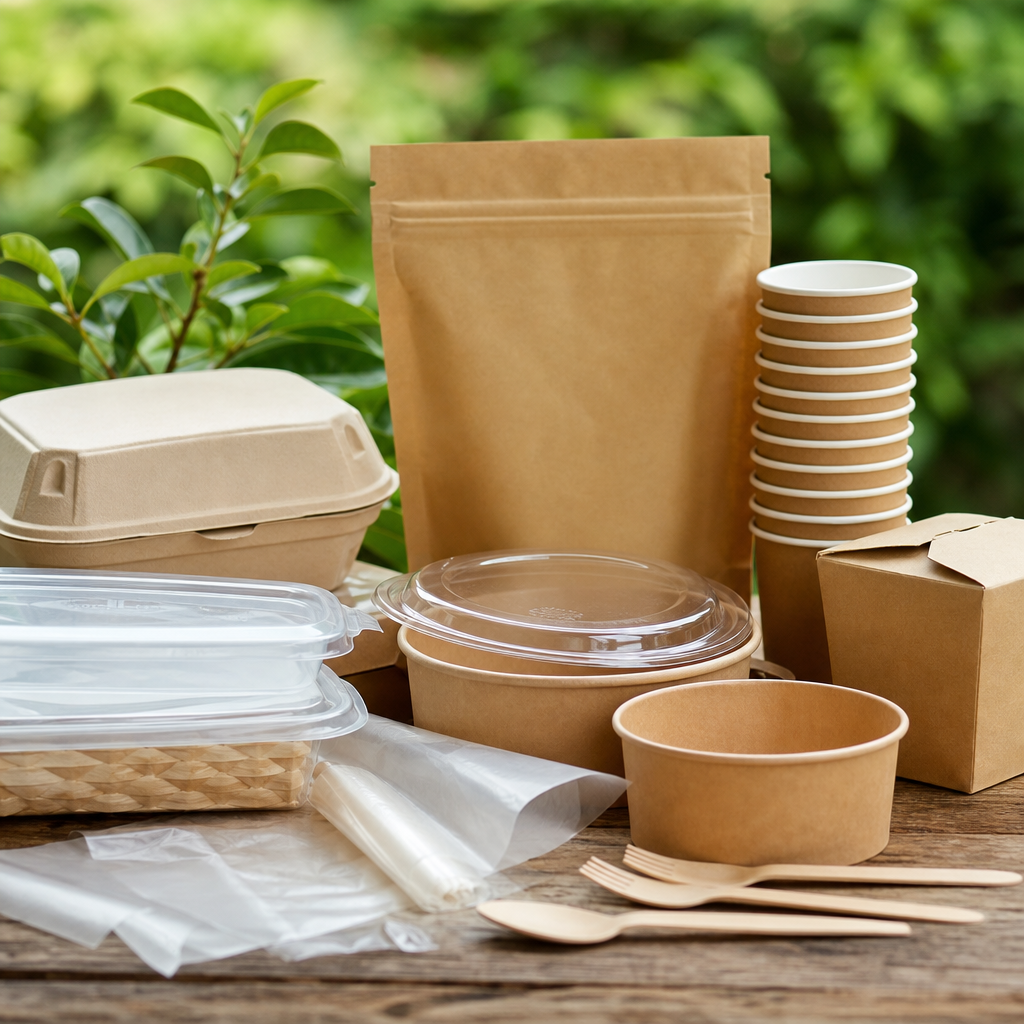
Polymers sit at the center of modern packaging, and their role in developing eco-friendly packaging has become one of the most important stories in consumer goods innovation. In simple terms, a polymer is a large molecule made of repeating units, and packaging polymers include familiar materials such as polyethylene, polypropylene, polyethylene terephthalate, polylactic acid, and cellulose-based films. What has changed is not the basic chemistry alone, but the design goal: packaging must now protect products, reduce waste, lower emissions, support recycling systems, and meet rising expectations from regulators, retailers, and consumers. In my work reviewing packaging programs, I have seen that the best results do not come from replacing one material with another overnight. They come from understanding how polymers behave across the full packaging life cycle, from resin selection and converting to use, collection, reprocessing, and end-of-life management.
Eco-friendly packaging does not mean one universal material. It means choosing polymer solutions that reduce total environmental impact for a specific application. A lightweight mono-material pouch may outperform a heavier fiber option if transport emissions and product protection are considered. A compostable polymer may be valuable for food-soiled service ware, yet a poor choice where industrial composting access is limited. Recycled-content polyethylene can cut virgin resin demand, but only if the package is designed to remain compatible with sorting and reprocessing. That is why polymer innovations in consumer goods matter so much: packaging is one of the largest and most visible uses of polymers, and small material improvements can scale across millions of units. For brands building a durable sustainability strategy, this hub explains how polymer science, packaging engineering, and real market applications come together.
Why polymers remain essential in sustainable packaging
Packaging has to perform several jobs at once. It protects goods from oxygen, moisture, light, contamination, puncture, compression, and tampering. It must run efficiently on high-speed filling lines, seal consistently, print clearly, survive distribution, and open without frustrating the user. Polymers remain essential because they deliver this combination of performance at low weight and relatively low processing energy. Polyethylene provides toughness and heat-sealability. Polypropylene offers stiffness and moisture resistance. PET gives clarity and strong gas-barrier performance in bottles and trays. Ethylene vinyl alcohol can provide excellent oxygen barrier in multilayer structures when used correctly. Cellulose films and bio-based polymers expand the toolkit when renewable feedstocks or compostability are priorities.
From a sustainability standpoint, lightweighting is one of the earliest and still most effective polymer innovations in consumer goods. Reducing wall thickness in a bottle, cap, or flexible pouch lowers material use immediately and often cuts transport emissions at the same time. Concentrated detergents in lighter bottles, refill pouches for personal care products, and downgauged stretch films in logistics are straightforward examples. During packaging reviews, I have repeatedly found that teams focus first on visible material swaps while ignoring unnecessary resin mass. In many cases, the fastest environmental gain comes from using less polymer without sacrificing shelf life or line efficiency. That is a practical lesson brands continue to relearn.
Key polymer innovation pathways shaping eco-friendly packaging
There are four main pathways driving progress. First is recycled content, especially post-consumer recycled resin in PET, HDPE, and increasingly PP. Food-grade recycled PET has become a benchmark because bottle-to-bottle systems are well established in many markets. Second is mono-material design, where packages are simplified so they can move through existing recycling streams more effectively. Third is bio-based and compostable polymers, including PLA, PHA, starch blends, and cellulose derivatives for selected use cases. Fourth is functional enhancement, such as advanced coatings, compatibilizers, and barrier technologies that reduce complexity while preserving performance.
These pathways are not interchangeable. Recycled content works best where collection and reprocessing systems are mature. Mono-material redesign often helps flexible packaging, where legacy laminates made of PET, aluminum, nylon, and PE are difficult to recycle together. Compostable polymers are useful in closed systems or where food contamination makes mechanical recycling unrealistic. Functional innovation matters because many sustainability targets fail when a package loses barrier protection and more product is wasted. Preventing food waste can outweigh moderate differences in packaging material impact. That tradeoff should always be evaluated directly rather than assumed.
| Innovation pathway | Typical polymers | Main sustainability benefit | Key limitation | Common consumer goods use |
|---|---|---|---|---|
| Recycled content | rPET, rHDPE, rPP | Reduces virgin resin demand and often lowers carbon footprint | Supply quality, odor, color, and food-contact constraints | Beverage bottles, household cleaner bottles, caps |
| Mono-material design | PE, PP, PET | Improves recyclability in existing streams | Barrier and stiffness may be harder to achieve | Stand-up pouches, snack packs, e-commerce mailers |
| Bio-based or compostable | PLA, PHA, cellulose, starch blends | Can use renewable feedstocks or support organics programs | Infrastructure is uneven; improper disposal creates confusion | Food service items, produce films, specialty wraps |
| Functional enhancement | EVOH, coatings, compatibilizers | Maintains protection with less material or simpler structures | May complicate recycling if poorly specified | Barrier films, retort packs, personal care packaging |
Recycled polymers and circular packaging systems
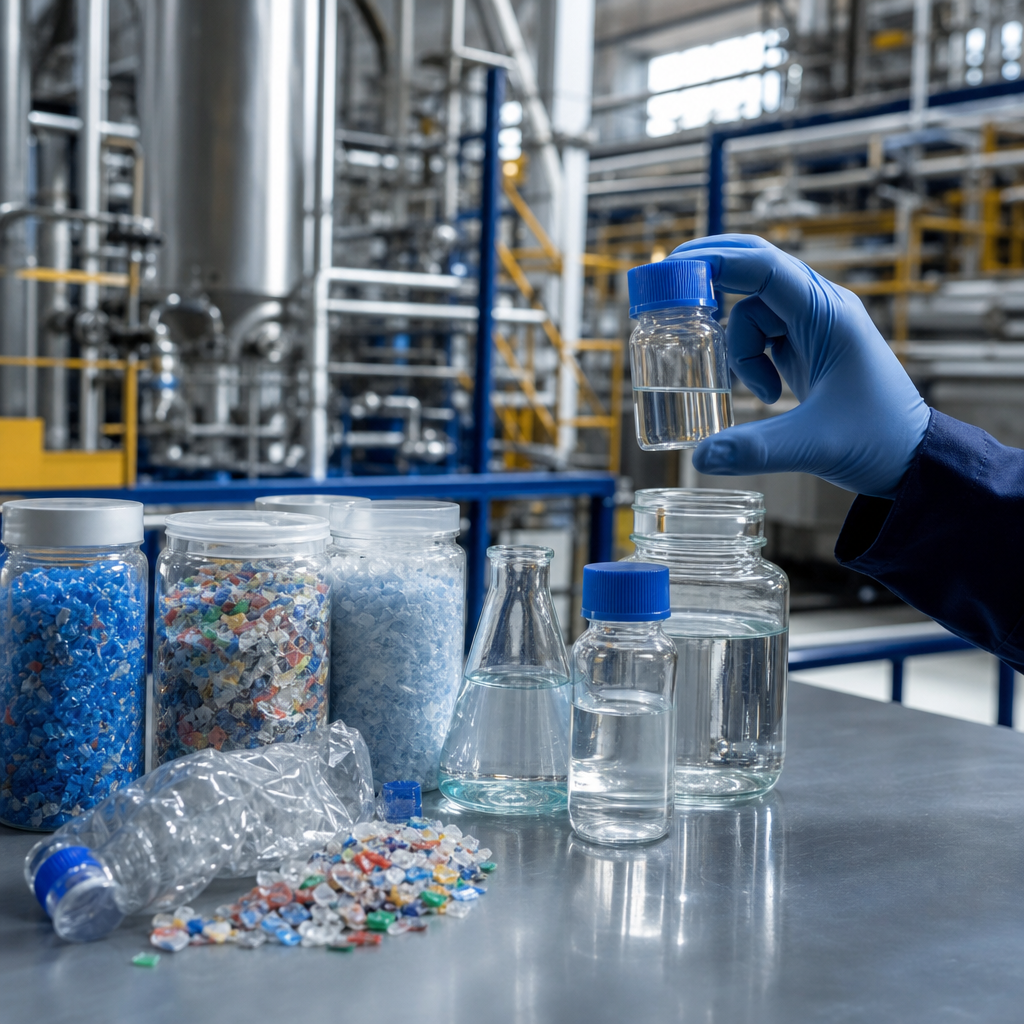
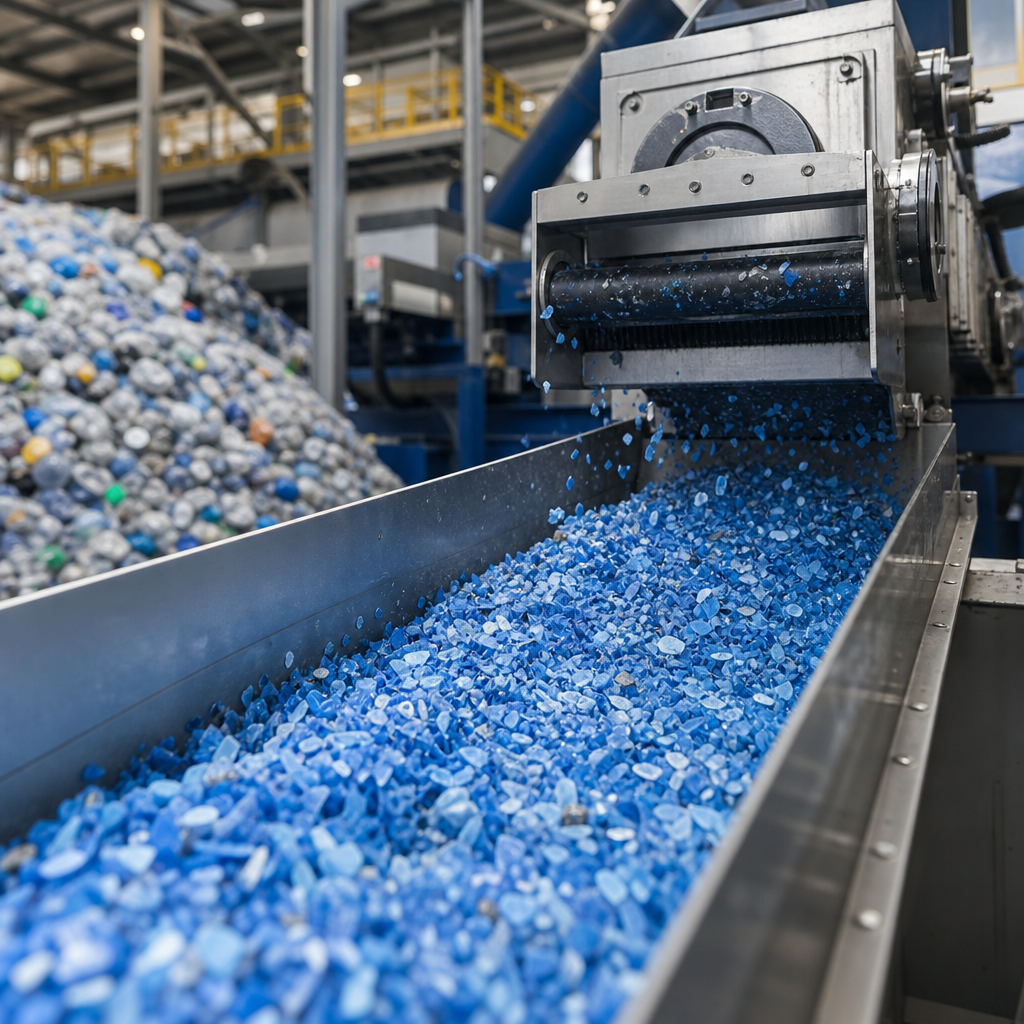
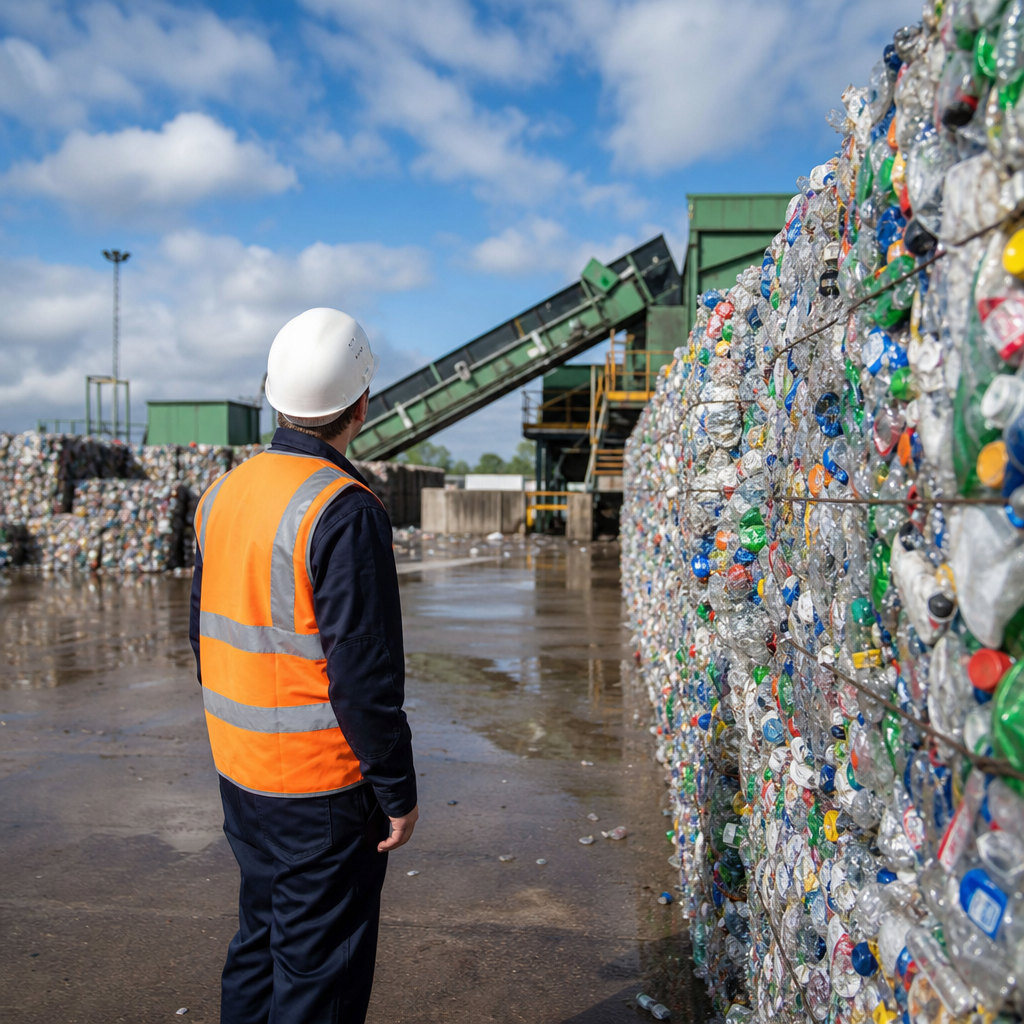
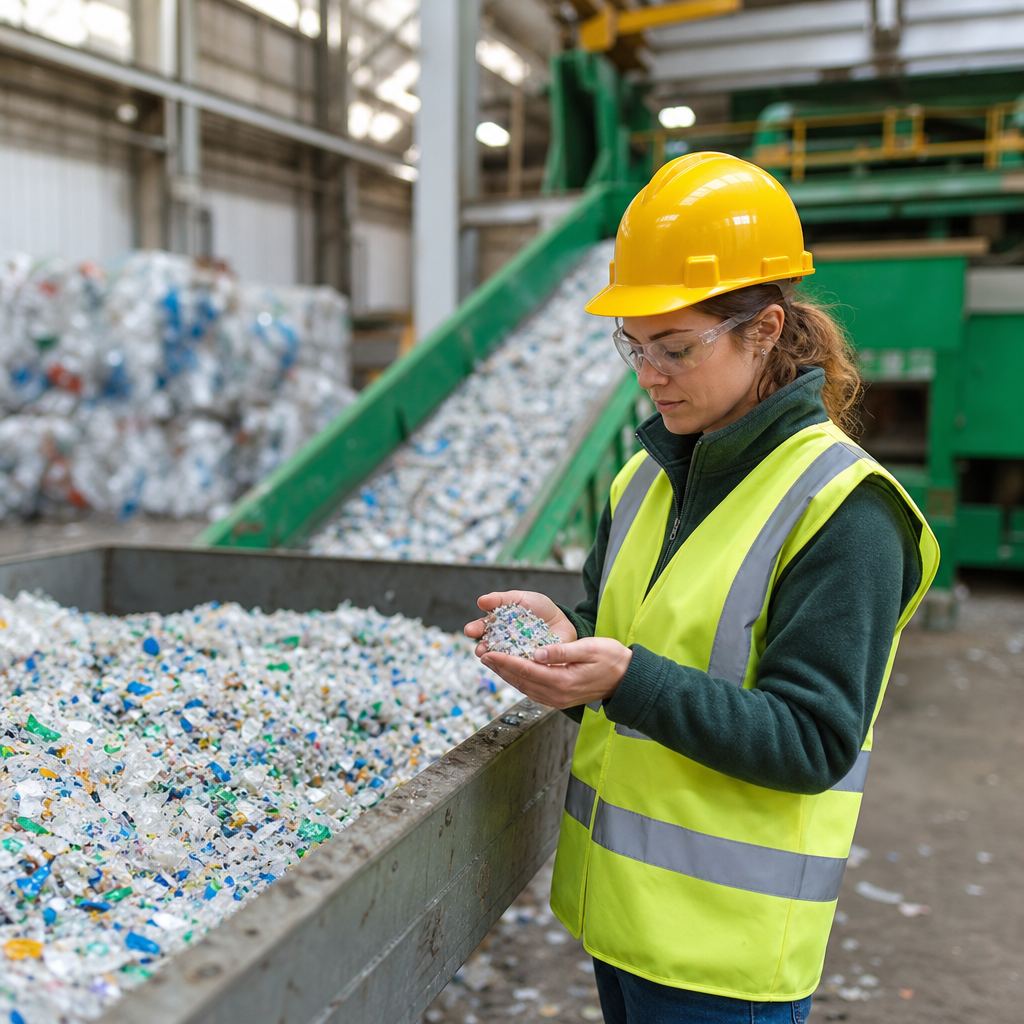
Recycled polymers are now a defining feature of eco-friendly packaging because they connect design decisions to circular economy outcomes. PET leads the field. Clear beverage bottles can be collected, sorted with near-infrared systems, washed, flake-processed, and pelletized into food-contact resin through approved decontamination processes. That makes high recycled-content PET both technically credible and commercially visible. HDPE follows in household and personal care bottles, though maintaining appearance and processing consistency can be harder. Polypropylene is advancing, but supply remains more fragmented because collection and sorting systems historically favored PET and HDPE.
Brands should understand that recycled content is not a free sustainability win. The package still has to be sortable, and the resin still has to meet functional targets. Dark pigments can defeat optical sorting. Full-body shrink sleeves can interfere unless they are designed to separate properly. Incompatible labels, adhesives, and barrier layers can lower yield in reprocessing. The Association of Plastic Recyclers and RecyClass have both published design guidance that packaging teams should use early, not after artwork approval. In practice, the most successful programs align polymer choice, decoration, closures, and labeling with recycling specifications from the beginning.
Bio-based and compostable polymers in the real world
Bio-based polymers are made partly or wholly from renewable feedstocks, while compostable polymers are designed to break down under specific composting conditions. The two ideas overlap but are not the same. Bio-PET, for example, can be bio-based without being compostable, and a fossil-derived polymer can be engineered to compost under controlled conditions. This distinction matters because consumers often assume plant-based means backyard compostable, which is usually incorrect. Clear labeling and realistic disposal instructions are essential.
PLA has become one of the most recognized compostable packaging polymers, especially for cups, films, and thermoformed containers. PHA is gaining attention because some grades can biodegrade in a broader range of environments, though performance and cost vary widely. Cellulose-based films offer a renewable route and can work well in selected dry-food or confectionery applications. In my experience, these materials succeed when they are matched to systems that actually exist, such as food-service collection linked to industrial composting. They underperform when used mainly for marketing while entering regions with no organics processing. A package is only as sustainable as the disposal pathway available to the user.
Flexible packaging, mono-material design, and barrier performance
Flexible packaging is where polymer innovation is moving fastest because the format offers major source reduction but has historically struggled with recyclability. Traditional high-performance pouches often use multilayer laminates combining PET, aluminum foil, nylon, and PE. These structures provide excellent barrier and durability, yet they are difficult to separate in mechanical recycling. The industry response has been a major push toward mono-material PE or PP formats with improved sealant, stiffness, and barrier properties. This is one of the most significant polymer innovations in consumer goods today.
Replacing a laminate is not just a resin swap. Engineers must rethink modulus, dart impact, seal window, coefficient of friction, haze, and oxygen or water-vapor transmission rates. A snack pouch needs crispness retention. A detergent refill pouch must resist stress cracking and leaking. A coffee package may require a degassing feature plus aroma retention. New PE-based structures use machine-direction orientation, advanced sealant layers, and thin barrier coatings to close the performance gap. Some applications can convert now; others still need hybrid structures. The practical rule is simple: design for recyclability, but never ignore the cost of damaged goods or shortened shelf life.
Case studies across consumer goods categories
Beverages provide the clearest evidence of scalable polymer progress. Major water and soft drink brands have expanded recycled PET content in bottles, and tethered caps made from polyethylene or polypropylene are being adopted in regions with cap-retention requirements. These changes improve material recovery and reduce litter risk. In household care, trigger-spray cleaner systems increasingly pair durable bottles with refill concentrates, cutting polymer use per cleaning cycle. Personal care brands are testing all-PP or all-PE packaging for tubes, caps, and jars to simplify recycling, though premium appearance remains a challenge when recycled resin color varies.
Food packaging shows both the promise and the complexity of eco-friendly polymer use. Produce applications can benefit from lightweight breathable films that reduce spoilage. Meat and cheese packages often need high oxygen barriers, making simplification harder. Frozen food requires toughness at low temperatures. Dry goods such as cereals or pet treats are better candidates for recyclable flexible formats because barrier demands are manageable. E-commerce adds another layer: mailers, air pillows, and protective wraps must balance cube efficiency, puncture resistance, and easy return or store-drop-off options. Across these sectors, the lesson is consistent. Polymer selection works best when it is tied to product risk, logistics, and available recovery infrastructure, not just headline claims.
How brands should evaluate eco-friendly packaging choices
The right decision starts with a structured assessment. First define the package function, including barrier needs, abuse conditions, and regulatory requirements. Then compare options using life cycle assessment, recycled-content feasibility, and compatibility with collection systems in target markets. I advise teams to pressure-test three questions early: Will this package protect the product as well as the current one, can consumers dispose of it correctly where it is sold, and will the new format run reliably on existing filling equipment? If any answer is uncertain, the project needs more development before launch.
Trusted tools and frameworks help. ISO 14040 and 14044 guide life cycle assessment. ASTM and EN standards define compostability testing. APR and RecyClass design protocols clarify recyclability considerations. Retailers may add their own scorecards, and extended producer responsibility laws increasingly make packaging fees dependent on material choices. Brands that treat these standards as design inputs rather than compliance afterthoughts move faster and make fewer costly reversals. As this hub expands, related articles should dive deeper into recycled resin qualification, compostable packaging claims, mono-material flexible design, and sector-specific consumer goods case studies. Together, those topics show that polymers are not the obstacle to sustainable packaging. Poor design choices are.
The role of polymers in developing eco-friendly packaging is ultimately about precision, not slogans. Polymers can lower emissions through lightweighting, support circular systems through recycled content, enable cleaner recovery through mono-material design, and open new use cases through bio-based or compostable formats. But every benefit depends on fit. A package must match the product, the supply chain, the waste system, and the consumer’s real behavior. That is why polymer innovations in consumer goods deserve close technical attention. They shape cost, performance, compliance, and environmental outcomes at the same time.
For decision-makers, the practical takeaway is clear. Start with function, use recognized design guidance, test claims against local infrastructure, and measure tradeoffs with credible data. The strongest packaging programs combine material science with realistic implementation. If you are building a sustainable packaging roadmap, use this hub as the foundation, then move into the connected case studies and application pages that examine each polymer pathway in detail. Better packaging decisions start with better material understanding, and polymers remain one of the most powerful tools available to get that decision right.
Frequently Asked Questions
What role do polymers play in eco-friendly packaging?
Polymers are the structural foundation of most modern packaging, so they play a central role in making packaging more eco-friendly. In practical terms, polymers determine how a package performs: how well it protects food or consumer goods, how much it weighs, how resistant it is to moisture and oxygen, and whether it can be recycled, composted, or reused. Traditional packaging has long relied on polymers such as polyethylene, polypropylene, and polyethylene terephthalate because they are lightweight, durable, versatile, and cost-effective. In eco-friendly packaging, those same performance advantages are still important, but the design priorities have expanded to include lower environmental impact across the product life cycle.
That means polymer selection is no longer only about strength or shelf life. It is also about reducing raw material use, incorporating recycled content, improving recyclability, enabling compostability where appropriate, and lowering transportation emissions through lightweighting. For example, a well-designed polymer package can use less material than glass or metal while still preserving the product effectively, which may reduce overall emissions. At the same time, newer polymer systems such as biobased plastics and cellulose-derived films are being developed to address concerns about fossil-resource dependence and end-of-life disposal. In short, polymers are not just packaging ingredients; they are the tools engineers use to balance protection, sustainability, economics, and consumer expectations.
Which polymers are most commonly used in sustainable packaging, and how do they differ?
Several polymers are especially important in sustainable packaging discussions, and each offers a different mix of benefits and tradeoffs. Polyethylene, often used in films, pouches, and bottles, is popular because it is lightweight, flexible, and widely used in existing packaging systems. High-density and low-density versions serve different purposes, and in many applications polyethylene can be made more sustainable through downgauging, mono-material design, and the addition of recycled content. Polypropylene is another common option, valued for stiffness, heat resistance, and relatively low weight. It appears in caps, containers, and flexible packaging structures and can also support improved recyclability when packaging is simplified into compatible material streams.
Polyethylene terephthalate, or PET, is widely used in beverage bottles and food containers and is especially notable because it has a relatively established recycling infrastructure in many markets. Recycled PET has become a major part of circular packaging strategies because it can reduce demand for virgin resin while maintaining strong performance. Beyond conventional fossil-based polymers, polylactic acid, or PLA, has gained attention as a biobased polymer derived from renewable feedstocks such as corn starch or sugar sources. PLA can be useful in compostable packaging systems, though its effectiveness depends heavily on local composting infrastructure and specific application requirements. Cellulose-based films are another promising category, especially for brands seeking renewable material content and paper-like sustainability positioning, though barrier properties and moisture sensitivity must be carefully managed. The key point is that no single polymer is universally the most sustainable; the best choice depends on product needs, local waste systems, shelf-life demands, and whether the goal is recyclability, compostability, renewable sourcing, or reduced material use.
Are biodegradable and compostable polymers always better for the environment?
Not necessarily. This is one of the most misunderstood topics in sustainable packaging. Biodegradable and compostable polymers can be valuable tools, but they are not automatically the best environmental choice in every scenario. Their real benefit depends on how the packaging is collected, processed, and disposed of after use. A compostable polymer may sound ideal, but if it ends up in a landfill, incinerator, or conventional recycling stream, its environmental advantage may be limited or even lost. Many compostable materials also require industrial composting conditions, including controlled heat, moisture, and microbial activity, which are not available in every community.
In some cases, a highly recyclable conventional polymer may deliver better overall results than a compostable alternative, especially if strong recycling infrastructure already exists. For example, a mono-material polyethylene package designed for recyclability may be more practical and scalable than a compostable package in a market without compost collection. There are also performance considerations. Eco-friendly packaging must still protect products effectively, because product waste, especially food waste, often carries a larger environmental footprint than the packaging itself. If a biodegradable package shortens shelf life or fails in transport, it may create a bigger sustainability problem. The most accurate way to compare options is through life-cycle thinking, which considers raw materials, manufacturing energy, transportation, use, and end-of-life outcomes. So while biodegradable and compostable polymers are important innovations, they should be viewed as targeted solutions rather than universal answers.
How do polymer innovations help reduce the environmental impact of packaging?
Polymer innovation reduces environmental impact in several practical and measurable ways. One major strategy is lightweighting, where engineers redesign packages to use less material while maintaining the required strength and barrier performance. Because polymers are inherently lightweight, even small reductions in thickness or resin use can significantly lower material consumption and transportation emissions. Another important innovation is the move toward mono-material packaging. Historically, many packages combined layers of different plastics, foils, and adhesives to achieve high performance, but those structures are often difficult to recycle. New polymer technologies are allowing manufacturers to create simpler package formats that still provide protection while fitting more easily into recycling systems.
Advances in recycled-content polymers are also making a meaningful difference. Improved sorting, cleaning, and processing technologies are increasing the quality and usability of post-consumer recycled resins, especially in PET and polyolefin applications. In parallel, material scientists are developing polymers from renewable feedstocks, including biobased alternatives that can reduce dependence on fossil resources. Functional coatings and barrier enhancements are another area of progress, helping thinner or more sustainable polymer structures preserve food and consumer products for longer periods. Some innovations focus on reuse, such as durable polymer packaging designed for refill systems or multiple distribution cycles. Others improve compatibility with circular economy models by making labels, inks, closures, and films easier to recover and reprocess. The broad trend is clear: polymer science is moving packaging from a linear use-and-dispose model toward systems that are lighter, smarter, and more recoverable.
What should companies consider when choosing polymers for eco-friendly packaging?
Companies should begin by understanding that eco-friendly packaging is not defined by a single material claim. Choosing the right polymer requires balancing product protection, regulatory compliance, cost, consumer expectations, brand goals, and end-of-life realities. The first question should be functional: what must the package do? Packaging has to protect the product from moisture, oxygen, light, contamination, and physical damage. It also needs to survive filling, transportation, storage, and retail handling. If the polymer cannot deliver those basics, the package will not be truly sustainable because damaged goods and product waste can undermine any material benefit.
After performance, companies should look closely at infrastructure and life-cycle outcomes. Is the package likely to be recycled in the markets where it is sold? Can it include post-consumer recycled content? Would a compostable polymer actually be collected and processed properly? Is a renewable feedstock meaningful in this application, or would a lightweight recyclable polymer perform better overall? Brands should also consider package design details, such as whether the structure is mono-material, whether labels and closures are compatible with recycling, and whether unnecessary layers can be eliminated. Regulatory trends are equally important, since many regions are introducing rules around recyclability, recycled content, extended producer responsibility, and packaging waste reduction. Finally, clear consumer communication matters. Even the most thoughtfully chosen polymer can fail its sustainability promise if disposal instructions are confusing. The best packaging decisions come from a systems-based approach in which polymer selection aligns material science, waste management realities, and long-term circular packaging goals.