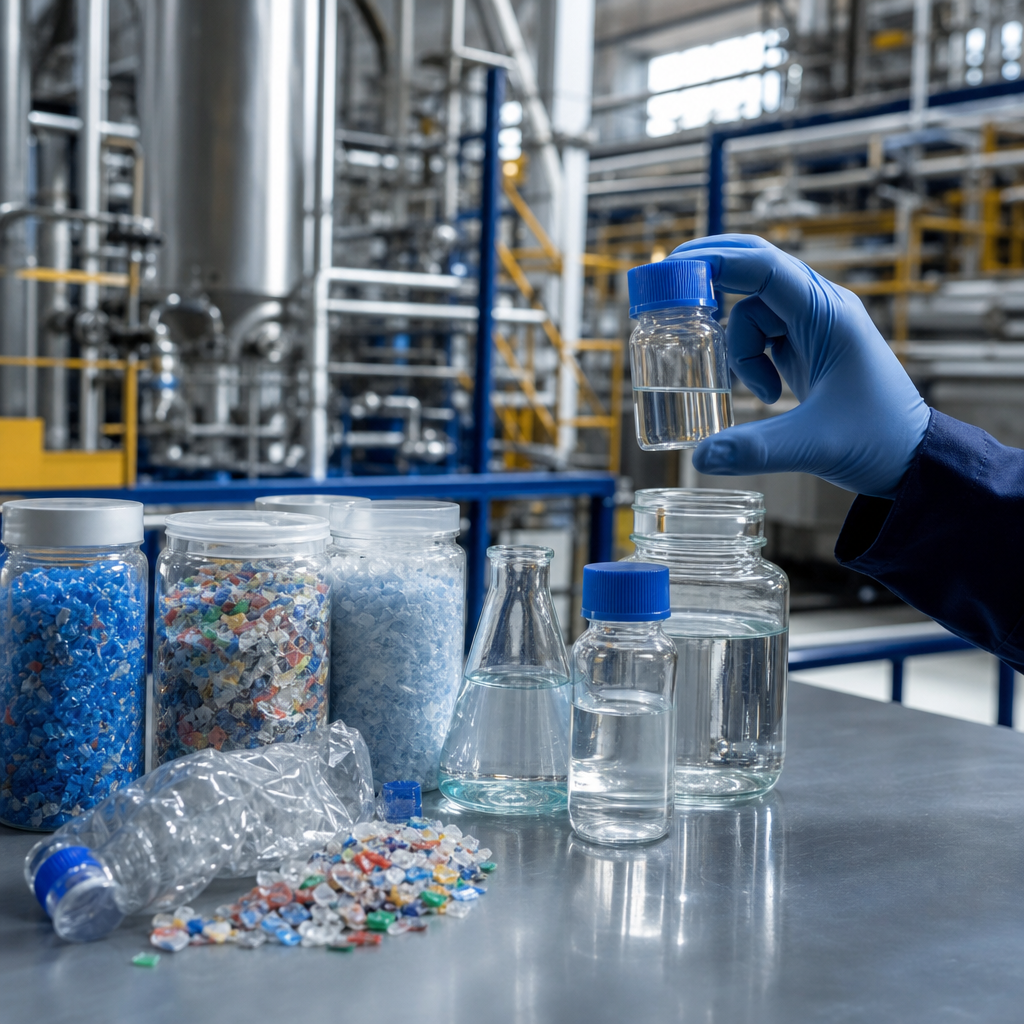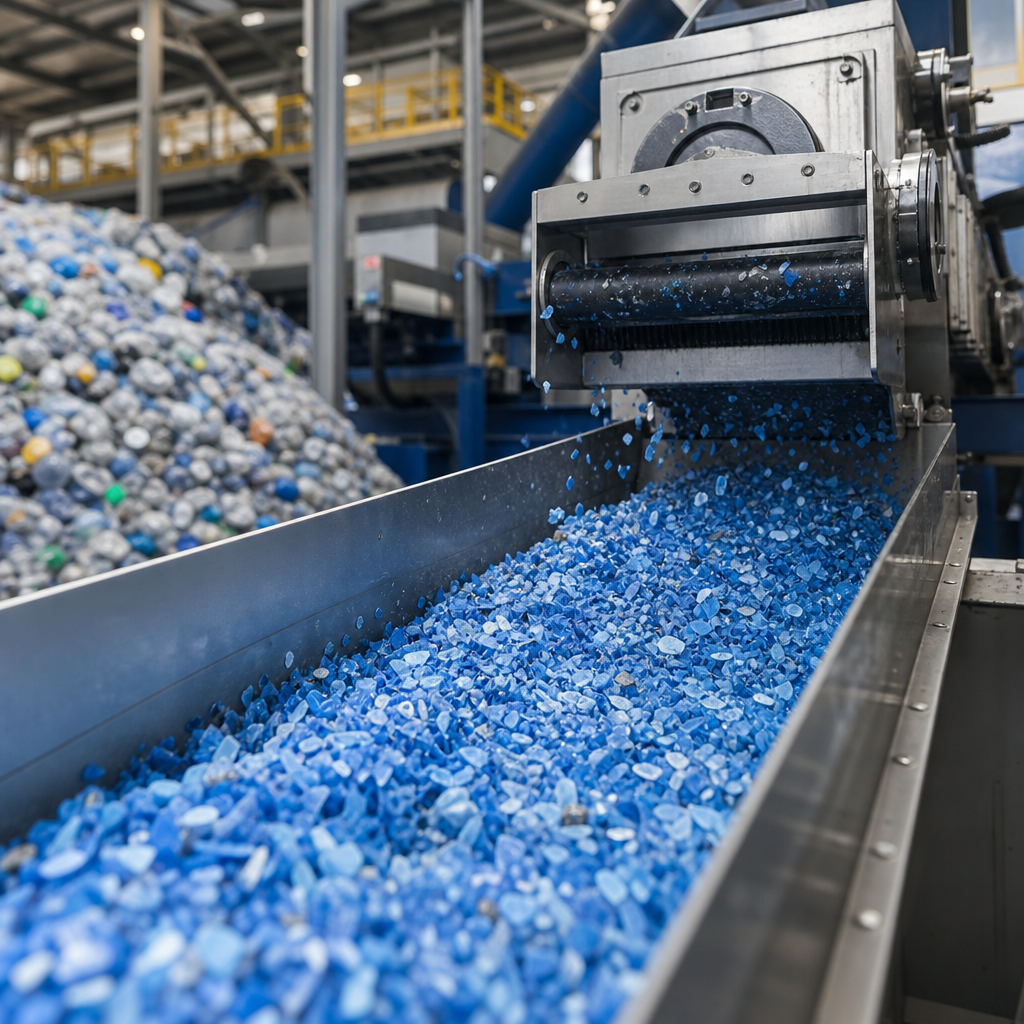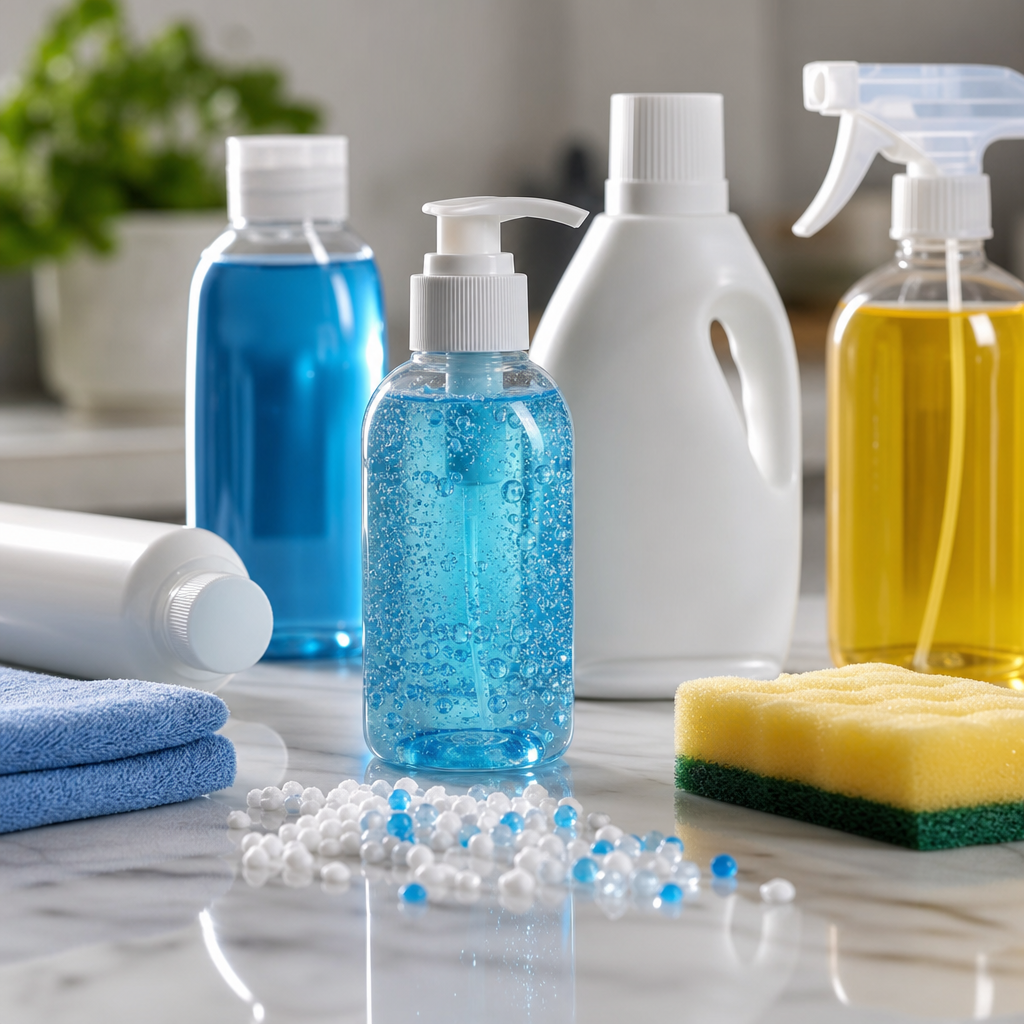
Innovations in polymers for household cleaning products are reshaping how detergents, sprays, wipes, dish liquids, and hard-surface cleaners perform, feel, and meet rising expectations for safety and sustainability. In this consumer goods category, polymers are the functional backbone that controls viscosity, suspends particles, stabilizes emulsions, modifies foam, delivers active ingredients, and leaves surfaces with a desired finish. When formulators discuss polymer innovations in consumer goods, they are usually referring to advances in molecular architecture, biodegradability, renewable feedstocks, compatibility with surfactants, and performance under real household conditions such as hard water, variable temperatures, and repeated use. This matters because cleaning products now must do more than remove soil. They must work in concentrated formats, support refill systems, reduce packaging waste, satisfy tightening chemical regulations, and align with consumers who scrutinize ingredient lists. In practice, I have seen a single polymer change whether a bathroom cleaner streaks on glass, whether a laundry capsule dissolves reliably, or whether a disinfecting wipe dries out halfway through the pack. As a hub topic within case studies and applications, this article maps the main classes of cleaning polymers, the newest technical directions, and the tradeoffs product teams evaluate when moving from legacy chemistry to modern polymer systems across consumer goods markets worldwide.
What polymers do in household cleaning formulations
Polymers are large molecules made from repeating units, but in cleaning products their role is practical rather than abstract. They thicken liquids so a toilet bowl cleaner clings to vertical surfaces. They act as dispersants so particulate soils and mineral residues stay suspended instead of redepositing. They stabilize emulsions in creamy cleansers, encapsulate fragrance for timed release, and form films that improve shine or anti-fog performance on glass and hard surfaces. In laundry, anti-redeposition polymers keep loosened dirt from settling back onto fabric, while dye transfer inhibitors reduce color bleeding in mixed loads. In automatic dishwashing, specialized copolymers manage calcium and magnesium ions, helping prevent scale and haze on dishes. These functions are essential because surfactants alone rarely deliver the full balance of cleaning power, aesthetics, and storage stability required in modern retail products.
Several polymer families dominate household applications. Acrylic and maleic-based copolymers are common dispersants and scale inhibitors. Cellulose derivatives such as hydroxyethyl cellulose and carboxymethyl cellulose provide thickening and soil suspension. Polyvinyl alcohol is widely used in water-soluble films for unit-dose detergents. Polyquaterniums can deposit conditioning or anti-static benefits in certain fabric and surface products. Associative thickeners, including hydrophobically modified alkali-swellable emulsions and polyurethane rheology modifiers, tune flow so sprays atomize cleanly yet liquids do not run off surfaces. The innovation lies not only in inventing new chemistries, but in refining molecular weight, charge density, branching, and hydrophobe placement to fit a specific formula. Small structural changes often produce major differences in clarity, pumpability, and tolerance to electrolytes, bleach, enzymes, or solvents.
How polymer design is improving cleaning performance
The strongest recent advances come from precision design. Instead of selecting a generic thickener or dispersant, formulators increasingly choose polymers engineered around target use conditions. For example, hard-surface cleaners containing high surfactant levels can lose viscosity or become stringy if the rheology modifier is poorly matched. New associative polymers are built with controlled hydrophobic segments that interact predictably with surfactant micelles, creating shear-thinning flow. That means the product sits thick in the bottle, spreads evenly when poured, and becomes easy to rinse after scrubbing. Consumers perceive that as better cling and less residue, even though the difference originates at the molecular level.
In laundry, polymer architecture is being optimized for cold-water washing, which has grown as households seek energy savings. Low-temperature cleaning is harder because soils, oils, and enzymes behave differently. Modern soil-release polymers based on polyester or grafted structures adsorb onto synthetic fibers and reduce oily soil adhesion during wear and washing. This is especially relevant for polyester activewear, where body oils and odor compounds can persist after ordinary washing. I have worked on formulations where changing the soil-release polymer improved panel scores on odor freshness without increasing surfactant load, which also helped maintain fabric feel. Similarly, anti-redeposition polymers with tailored charge interactions can hold particulate dirt in suspension more effectively in short wash cycles, a key benefit as quick programs become standard on newer machines.
Another performance frontier is controlled deposition. Some household products are designed not just to remove unwanted matter but to leave behind a useful microscopic layer. Rinse aids for dishwashers use polymers that promote sheet flow and reduce spotting. Certain floor cleaners deposit a polymer film that enhances gloss and scuff resistance. In bathroom and kitchen care, hydrophilic or hydrophobic film-forming polymers can reduce fogging, improve water beading, or make surfaces easier to wipe clean the next time. The challenge is balancing benefit with buildup. Effective innovation therefore focuses on thin, uniform, durable films that can survive normal use but can still be removed during routine cleaning. That balance separates a premium consumer experience from the common complaint that a product leaves residue.
Sustainability trends driving polymer innovation in consumer goods
Sustainability is now the main force steering polymer selection in household cleaning products. Brand owners are under pressure to reduce reliance on persistent chemistries, lower carbon footprints, and support circular packaging systems. As a result, suppliers are developing biodegradable polymers, bio-based content, and highly efficient materials that work at lower dosage. Biodegradability is particularly important for rinse-off products that enter wastewater streams. The Organization for Economic Cooperation and Development has established standard biodegradation test methods used widely in screening, and many product teams now require polymer suppliers to provide data from recognized protocols rather than broad marketing claims. This has changed portfolio decisions across detergents and surface cleaners.
Bio-based polymers are advancing, but the picture is nuanced. Cellulosics, starch derivatives, alginates, and fermentation-derived biopolymers can replace petrochemical ingredients in some systems, especially where thickening or film formation is the primary function. However, replacing a synthetic dispersant or chelant is more difficult because performance under alkaline conditions, bleach stability, and hard-water tolerance must be preserved. In real development work, a bio-based polymer may lower the renewable carbon gap yet force compromises in clarity, preservation strategy, or temperature stability. The best programs avoid simplistic substitution and instead redesign the whole formula, packaging, and claims platform around what the new polymer actually does well.
Concentrated and refillable formats also favor polymer innovation. When water is removed from a product, the formula becomes more crowded, and incompatibilities become more obvious. A polymer that was stable in a dilute all-purpose cleaner may haze or phase separate in a refill concentrate. New high-efficiency rheology modifiers and dispersants help maintain shelf stability in these compact systems. They also support lower packaging weights because the product can be delivered in smaller bottles, tablets, or soluble sachets. Polyvinyl alcohol films for unit doses remain important here, though scrutiny around environmental fate has increased, pushing suppliers toward better dissolution profiles, impurity control, and more robust wastewater compatibility data.
Key polymer technologies and where they are used
Different household formats need different polymer solutions, and that is why this subtopic serves well as a hub within case studies and applications. The table below summarizes major technologies, their primary functions, and the consumer goods examples where they are most often applied.
| Polymer technology | Primary function | Typical household application | Innovation focus |
|---|---|---|---|
| Acrylic/maleic copolymers | Dispersancy, scale inhibition | Automatic dishwashing, laundry detergents | Lower dosage, better biodegradation profile, phosphate-free support |
| Cellulose derivatives | Thickening, suspension, anti-redeposition | Surface cleaners, laundry liquids | Bio-based sourcing, improved salt tolerance, clearer formulas |
| Polyvinyl alcohol | Water-soluble film formation | Laundry and dish unit doses | Fast dissolution, film strength, environmental fate validation |
| Associative rheology modifiers | Viscosity control and cling | Bathroom, toilet, and kitchen cleaners | Electrolyte tolerance, sprayability, low residue |
| Soil-release polymers | Reduce oily soil adhesion on fibers | Laundry detergents for synthetics | Cold-water efficacy, odor control support, microfiber compatibility |
| Film-forming surface polymers | Gloss, anti-fog, easy-clean effects | Glass, floor, and specialty surface care | Thin durable films with minimal buildup |
What matters in practice is fit-for-purpose performance. A dispersant that excels in an automatic dishwashing tablet may fail in a bleach cleaner because oxidation stability is different. A thickener that gives beautiful flow in a neutral floor cleaner may collapse in a highly alkaline degreaser. Formulation teams therefore rely on compatibility maps, accelerated aging, and machine or panel testing rather than assuming one polymer platform can serve every category. This is also where case studies become useful: actual application data reveals how polymers behave under package stress, freeze-thaw cycles, and consumer misuse conditions that bench screening alone often misses.
Regulation, safety, and formulation tradeoffs
Polymer innovation in consumer goods is shaped as much by regulation as by chemistry. In the United States, the Environmental Protection Agency, state-level ingredient disclosure rules, and retailer restricted substance lists influence material choice. In Europe, REACH registration, the Detergents Regulation, and classification under the CLP framework can affect which monomers, residuals, and preservatives are acceptable. Formulators must also consider volatile organic compound limits in certain spray products, microplastics restrictions under development in some jurisdictions, and wastewater expectations from municipalities and downstream customers. The result is a design environment where performance, cost, and compliance are inseparable.
Safety and trust depend on understanding residual monomers, impurities, and interactions with other actives. For example, cationic polymers can be incompatible with anionic surfactants, causing haze or loss of performance. Some polymers may increase preservative demand by introducing nutrient content or by changing water activity and microbial risk. Highly viscous systems can create child-safety concerns if they are mistaken for gels meant for other uses, so packaging and sensory design matter. I have seen promising polymer systems rejected not because they failed to clean, but because they complicated toxicology review, supply continuity, or wastewater communication. The best innovation programs surface these issues early, before scale-up and artwork are locked.
Where the next wave of innovation is heading
The next phase of household cleaning polymers will be defined by multifunctionality, digital formulation tools, and tighter proof of environmental fate. Multifunctional polymers that thicken, disperse, and deposit benefits simultaneously can simplify formulas and reduce total ingredient load. Machine-learning tools are beginning to help suppliers predict polymer-surfactant compatibility and optimize molecular design before lab synthesis, shortening development cycles. At the same time, evidence standards are rising. It is no longer enough to say a polymer is greener; suppliers increasingly need biodegradation curves, renewable carbon accounting, and use-case data from dishwasher, washing machine, or hard-surface studies. This trend favors companies that can connect polymer science to realistic consumer performance.
For brands building a strong portfolio in polymer innovations in consumer goods, the opportunity is clear. Better polymers make cleaning products more effective, more stable, and more aligned with modern sustainability goals. They enable concentrated detergents, durable refill systems, improved cold-water laundry, and surface cleaners that leave fewer streaks and less residue. They also require disciplined evaluation, because every gain in one area can create a tradeoff in compatibility, cost, or regulatory fit. The practical path forward is to study application-specific case studies, compare polymer platforms by function, and test under real household conditions rather than relying on broad ingredient claims. Use this hub as the starting point, then explore the linked subtopic articles to identify which polymer technologies best match your product, market, and performance targets.
Frequently Asked Questions
1. What role do polymers play in household cleaning products?
Polymers are some of the most important functional ingredients in modern household cleaners because they help determine how a product looks, pours, spreads, cleans, and performs over time. In detergents, sprays, wipes, dish liquids, and hard-surface cleaners, polymers are used to control viscosity, meaning they can make a formula thicker, thinner, or more stable depending on the desired user experience. They also help suspend particles such as abrasives, fragrances, or encapsulated actives so those ingredients do not settle out during storage.
Beyond texture and stability, polymers directly influence cleaning performance. Some are designed to keep soils dispersed in wash water so they do not redeposit onto surfaces or fabrics. Others improve wetting and surface coverage, helping cleaning agents spread more evenly. In spray cleaners and surface treatments, polymers can form thin films that alter shine, reduce streaking, or leave behind protective layers. In dishwashing and laundry applications, certain polymers bind with minerals or interact with stains to improve removal efficiency.
What makes polymer innovation especially important is that these materials can be engineered very precisely. Formulators can tailor molecular weight, charge, branching, and compatibility with surfactants or solvents to achieve targeted performance. That means polymers are not just passive thickeners anymore. They are increasingly multifunctional tools that support cleaning power, sensory appeal, product stability, and sustainability goals all at once.
2. How are new polymer innovations improving the performance of cleaners like sprays, wipes, and detergents?
Recent polymer innovations are making household cleaners more efficient, more user-friendly, and more specialized for specific cleaning tasks. One major area of improvement is rheology control, or the way a product flows under different conditions. Advanced polymers can allow a cleaner to remain stable and thick in the bottle, then become easier to spray, pump, or wipe during use. This helps improve dosing, reduce mess, and deliver a more consistent cleaning experience.
In surface cleaners and sprays, new polymers are being used to reduce streaking, improve cling on vertical surfaces, and enhance the final appearance of glass, counters, tile, and stainless steel. For wipes, polymer systems can improve liquid retention in the substrate while also controlling release, so the wipe stays moist in the package but still deposits enough active cleaner during use. In liquid detergents and dish products, polymer innovations can boost soil suspension, anti-redeposition performance, and emulsion stability, helping products clean more effectively across a wider range of temperatures and water qualities.
Another important advance is multifunctionality. Instead of relying on separate ingredients for thickening, suspension, deposition, foam control, and surface finish, formulators are increasingly using polymers that perform several of these roles at once. This can simplify formulations, reduce raw material complexity, and improve product robustness. In practical terms, consumers see benefits such as better grease cutting, smoother pouring, fewer residues, more stable fragrances, and products that maintain performance even after long shelf storage or exposure to temperature changes.
3. Why are polymers so important for balancing cleaning power with safety and sustainability?
Polymers are central to this balance because they can help formulators achieve high performance without simply increasing the level of harsher or more resource-intensive ingredients. A well-designed polymer can improve how surfactants, solvents, enzymes, or disinfecting agents are delivered to a surface, allowing the overall system to work more effectively at lower use levels. This can support milder formulations while still meeting consumer expectations for strong cleaning results.
From a safety standpoint, polymers can also improve product control and reduce unwanted exposure. For example, they may help stabilize emulsions, prevent phase separation, reduce splashing, or control spray droplet behavior. In some applications, polymers can encapsulate or modulate the release of active ingredients, fragrances, or preservatives, which can improve stability and make the user experience more predictable. These effects are especially valuable in products used frequently around the home, where convenience and handling characteristics matter almost as much as cleaning efficacy.
On the sustainability side, innovation is focused on polymers that are more biodegradable, more compatible with renewable feedstocks, or more efficient at lower concentrations. There is also growing interest in polymers that enable concentrated formulations, refill systems, cold-water cleaning, and reduced packaging waste. Because polymers influence viscosity, stability, and delivery, they can make it possible to remove water from formulas, maintain product integrity in compact formats, and reduce transportation impacts. In short, polymer science is helping the cleaning industry move toward products that do more with less while still delivering the performance consumers expect.
4. What types of polymer properties do formulators look for when designing household cleaning products?
Formulators evaluate polymers based on a broad set of performance and compatibility criteria, because a polymer has to do more than function well on its own. It must also work within a complex mixture that may include surfactants, builders, solvents, fragrances, preservatives, chelants, dyes, and active cleaning agents. One of the first properties considered is molecular architecture, including molecular weight, branching, and whether the polymer is linear, crosslinked, or associative. These structural features strongly influence viscosity building, film formation, solubility, and interaction with other ingredients.
Charge is another key factor. Polymers may be nonionic, anionic, cationic, or amphoteric, and that affects how they interact with soils, surfaces, and surfactant systems. For example, the right charge profile can improve particle suspension, anti-redeposition, or deposition onto a target surface. Formulators also consider pH stability, salt tolerance, temperature response, clarity, odor profile, and compatibility with packaging materials. A polymer that performs well in a lab beaker may still fail if it causes haze, clogs a sprayer, destabilizes fragrance, or changes texture over time.
Consumer-facing attributes matter as well. The polymer must help create the intended sensory experience, such as a rich dish liquid texture, a sprayable yet clingy bathroom cleaner, or a wipe solution that feels neither overly slippery nor too dry. Finally, regulatory and environmental considerations are increasingly part of polymer selection. This includes biodegradability, renewable content, microplastic concerns, and regional chemical compliance. The best polymer innovations are those that satisfy all of these demands simultaneously: technical performance, formulation stability, user experience, manufacturability, and evolving sustainability expectations.
5. What future trends are shaping polymer innovation in household cleaning products?
The future of polymer innovation in household cleaning products is being shaped by the convergence of performance demands, environmental pressure, and smarter formulation design. One major trend is the development of more sustainable polymer platforms, including bio-based polymers, readily biodegradable materials, and systems designed to address concerns about persistence in the environment. As retailers, regulators, and consumers place more attention on ingredient profiles, polymer developers are under increasing pressure to create materials that provide premium functionality with a stronger environmental story.
Another trend is high-efficiency multifunctional polymers that can replace several conventional ingredients in one package. These materials are attractive because they simplify formulas, reduce supply chain complexity, and help maintain performance in concentrated or water-reduced products. This is especially relevant as refillable cleaners, dissolvable formats, compact detergents, and low-waste packaging become more popular. Polymers that support stability and user-friendly dispensing in these newer product formats will likely see strong demand.
There is also growing interest in precision performance. Rather than designing one polymer for broad use across many products, companies are increasingly tailoring polymers for very specific jobs such as anti-streak glass cleaning, enhanced hard-water tolerance, improved grease release, controlled foam behavior, or better active deposition on selected surfaces. Advances in analytical tools and formulation modeling are helping speed up this customization. Looking ahead, the most important polymer innovations will likely be those that can deliver visible cleaning benefits, support safer and simpler formulations, and align with the household cleaning sector’s shift toward sustainability, convenience, and premium product experience.