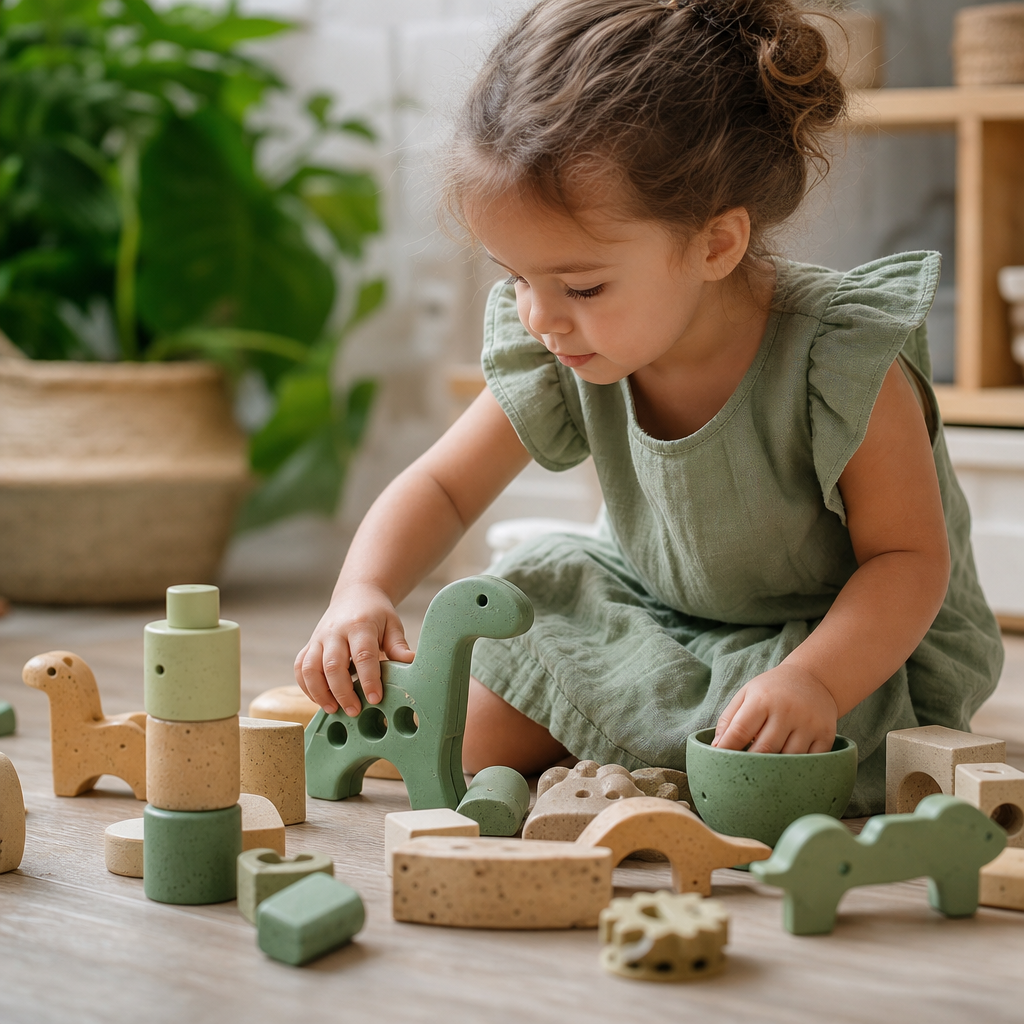
Polymers sit at the center of modern toy design, and their influence on sustainability is far greater than most consumers realize. In the toy industry, a polymer is any large molecular material, usually plastic or elastomer based, engineered to deliver properties such as durability, flexibility, color retention, impact resistance, and processability at scale. Sustainable toys are products designed to reduce environmental harm across sourcing, manufacturing, use, and end-of-life. When these two ideas meet, the result is one of the most important shifts in consumer goods: replacing wasteful, hard-to-recycle toy materials with safer, longer-lasting, lower-impact polymer systems.
I have worked with packaging and product teams evaluating polymer choices, and toys present a uniquely demanding application. A toy must survive drops, bites, UV exposure, cleaning, transport, and years of rough handling while still meeting strict safety standards. That is why sustainability in toys cannot mean simply switching to any “green plastic.” It requires selecting polymers that satisfy regulatory requirements, child safety, mechanical performance, cost targets, and realistic recovery pathways. Materials that fail too early, shed additives, or cannot be manufactured consistently often create more waste, not less.
This matters because the global toy market produces millions of units every year, many made from petroleum-derived plastics such as ABS, polypropylene, polyethylene, PVC, and thermoplastic elastomers. Conventional materials enabled affordability and mass access, but they also contributed to fossil resource use, difficult mixed-material assemblies, and short product life cycles. The next generation of polymer innovations in consumer goods is changing that pattern through recycled resins, bio-based feedstocks, mono-material design, safer additive packages, and improved sorting compatibility. For brands, retailers, and product developers, understanding how polymers affect sustainable toy development is now a strategic requirement rather than a niche materials conversation.
Why polymers dominate toy manufacturing
Polymers dominate toy manufacturing because they combine low weight, design freedom, and scalable processing better than wood, metal, paperboard, or textiles alone. Injection molding allows complex shapes with tight tolerances, integrated clips, living hinges, and detailed textures in a single cycle. Blow molding supports hollow balls and ride-on parts. Extrusion and thermoforming serve simpler geometries, while rotational molding can create large outdoor toys. These processes make polymers efficient not just in cost, but also in material yield, because scrap can often be reground internally when quality controls allow.
Different toy categories rely on different polymer families. ABS is common in rigid construction toys because it delivers stiffness, gloss, dimensional stability, and good colorability. Polypropylene is used in storage bins, figurines, and many molded housings because it is chemically resistant, lightweight, and relatively easy to recycle. High-density polyethylene appears in outdoor toys and thicker structural parts because it handles impact and weathering well. Thermoplastic elastomers provide soft touch zones, tires, grips, and squeeze components without the permanence of vulcanized rubber. Even where paper or fabric is visible, polymers are often present in coatings, fasteners, windows, and protective layers.
From a sustainability perspective, this dominance creates both the problem and the opportunity. The problem is obvious: large polymer volumes can become long-lived waste if toys are poorly designed for reuse or recovery. The opportunity is that material innovation inside polymers can transform the whole product system without sacrificing function. A well-selected resin can lower embodied carbon, eliminate problematic additives, increase recycled content, reduce breakage rates, and simplify disassembly. In practice, the biggest sustainability gains often come not from abandoning polymers entirely, but from using better polymer systems more intelligently.
What makes a toy polymer sustainable
A sustainable toy polymer is not defined by one label. It is judged across several criteria: feedstock origin, manufacturing energy demand, safety profile, product durability, recyclability, compatibility with existing collection systems, and likelihood of actual recovery. Life cycle assessment is the best framework for comparing options because it evaluates tradeoffs instead of assuming that renewable automatically means lower impact. I have seen bio-based materials outperform fossil plastics in one metric and underperform in another when transport distances, additives, or product failure rates are included.
Safety remains nonnegotiable. Toys sold in major markets must comply with standards and chemical restrictions such as EN 71 in Europe, ASTM F963 in the United States, and limits associated with REACH, CPSIA, and heavy metal migration requirements. A polymer can appear environmentally attractive but still be unsuitable if it requires plasticizers, flame retardants, colorants, or stabilizers that complicate compliance. This is one reason why some manufacturers are reducing reliance on PVC in children’s products. The concern is not only the base polymer, but the additive package required to achieve softness, durability, or color.
Durability is equally important. A toy that lasts ten years and is handed down has a very different footprint from a toy that cracks in six months. The most credible sustainable toy programs therefore prioritize robust design, repairability, modular replacement parts, and polymers with proven impact strength. Brands increasingly ask suppliers for recycled content declarations, chain-of-custody documentation, and resin performance data after repeated processing. Those requests reflect a mature view of sustainability: the best material is the one that remains safe, useful, and recoverable through real-world use conditions.
Recycled and bio-based polymers in consumer goods
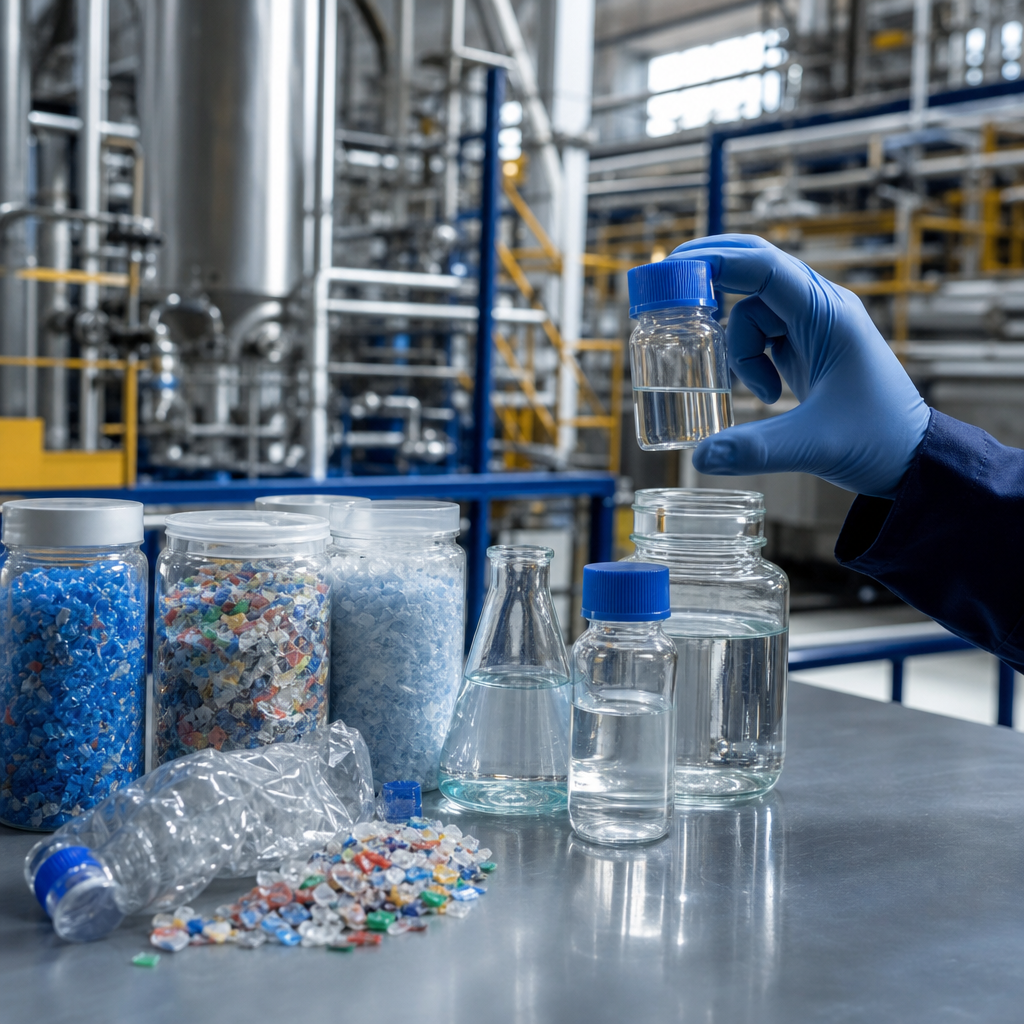
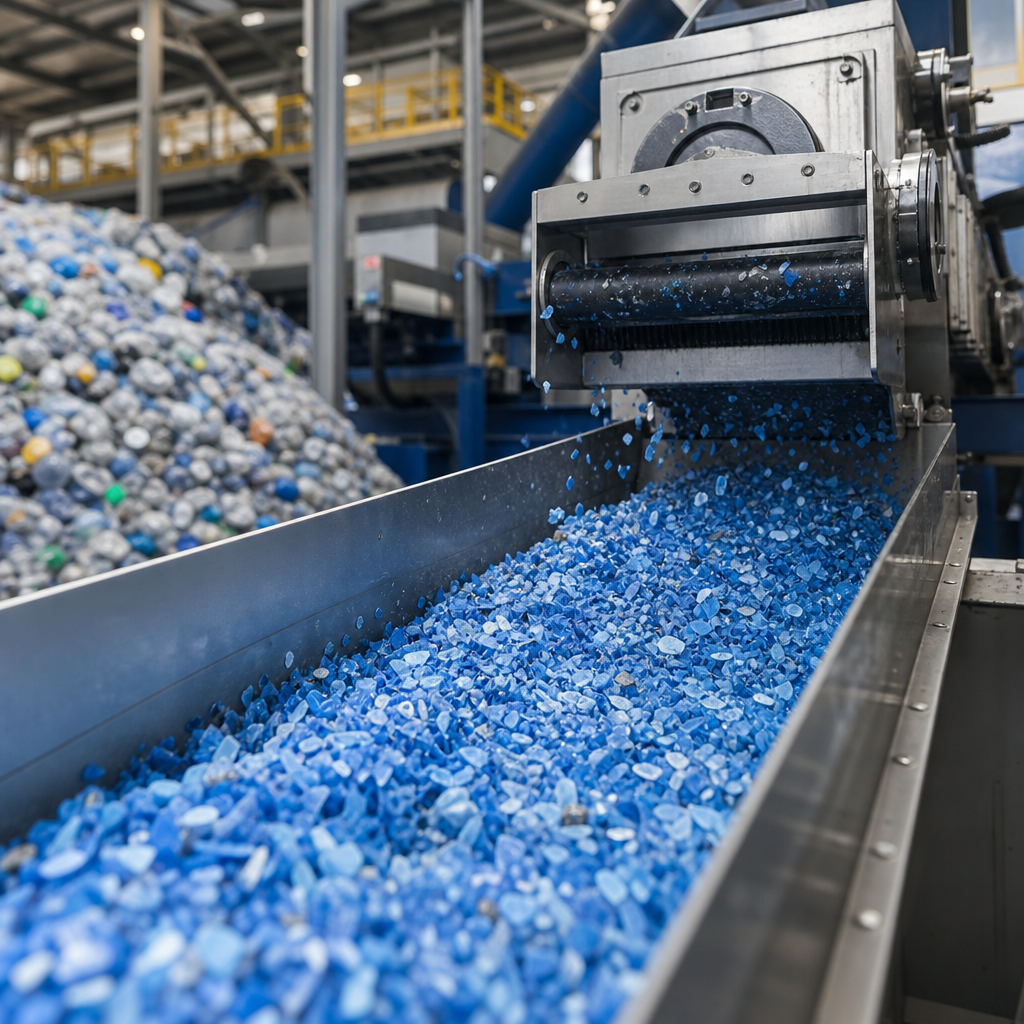
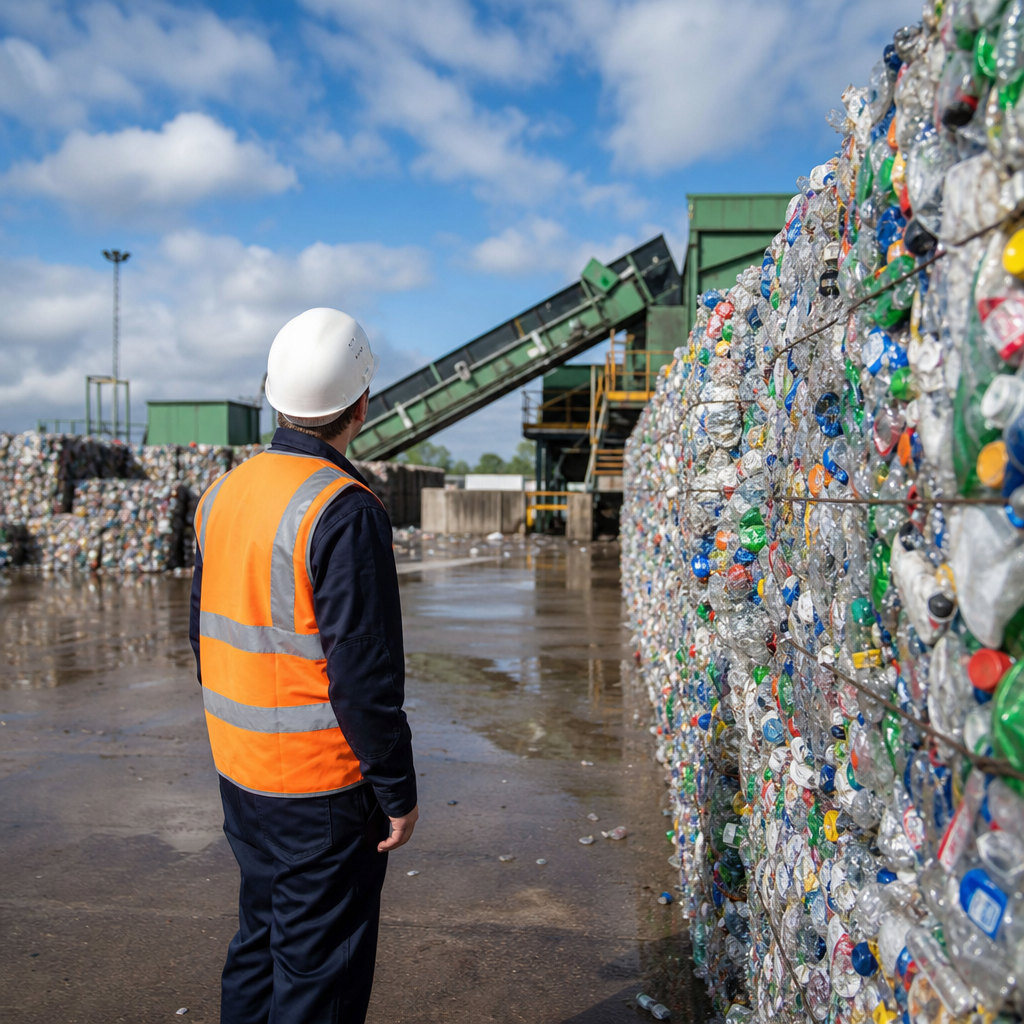
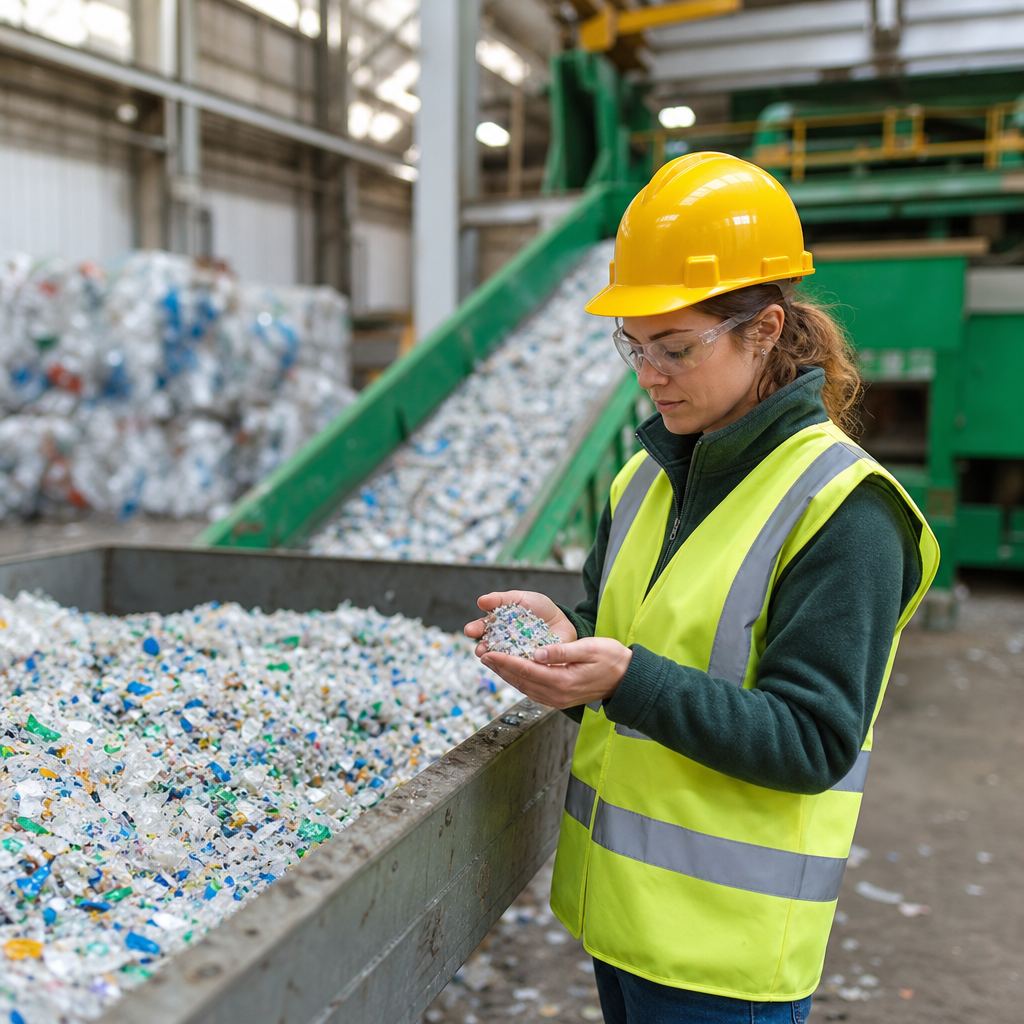
Recycled polymers are reshaping sustainable toy development because they directly reduce demand for virgin fossil feedstock. Post-industrial recycled resin comes from manufacturing scrap and is generally more consistent, while post-consumer recycled resin comes from used products and packaging collected after sale. For toys, quality control is especially strict because odor, contamination, color variation, and mechanical drift are unacceptable. That is why food-contact or closed-loop grades of recycled polyethylene terephthalate, polypropylene, and polyethylene often attract the most interest. Mechanical recycling is currently the dominant route, though chemical recycling is expanding for streams that are too mixed or degraded for standard remelting.
Bio-based polymers are also gaining traction, but they must be understood precisely. A bio-based polymer uses renewable feedstock such as sugarcane, corn, cellulose, or castor oil, yet it is not necessarily biodegradable. Bio-based polyethylene, for example, is chemically similar to conventional polyethylene and can enter the same recycling stream. Polylactic acid, or PLA, comes from renewable sources and can perform well in certain rigid applications, but it has heat and impact limitations that make it unsuitable for many high-abuse toys unless blended or reinforced. Polyamide 11 from castor oil is another notable example, offering strong mechanical properties with renewable content.
Brands in polymer innovations in consumer goods increasingly use a portfolio approach rather than betting on a single “miracle material.”
| Polymer option | Main sustainability benefit | Typical toy use | Key limitation |
|---|---|---|---|
| Recycled ABS | Reduces virgin fossil input in rigid parts | Construction elements, housings | Color consistency and impact variation |
| Recycled PP | Widely available and lightweight | Figures, bins, simple molded parts | Property loss after multiple cycles |
| Bio-based PE | Renewable feedstock with familiar processing | Squeeze toys, containers, accessories | Still persistent if littered |
| PLA blends | Renewable content and lower fossil dependence | Novelty items, low-heat rigid parts | Heat resistance and toughness constraints |
| TPE with recycled content | Soft-touch performance with material savings | Grips, wheels, sensory toys | Sorting challenges in mixed assemblies |
The most successful programs pair these materials with clear specifications for melt flow index, odor, heavy metal screening, impact testing, and color management. That discipline is what turns sustainability claims into products that retailers can stock confidently and parents can trust.
Design strategies that improve toy sustainability
Material choice alone cannot deliver sustainable toys. Design strategy determines whether a polymer advantage is fully realized or lost in assembly complexity. The first principle is simplification. A mono-material product is easier to recycle than a toy made from five bonded plastics, metal pins, foam inserts, and decorative films. Where multiple materials are necessary, mechanical fasteners and reversible joints are better than permanent adhesives because they support repair and separation. Snap-fits, screw-based access panels, and modular subassemblies can extend product life without major cost penalties when designed early.
The second principle is designing for long use. In my experience, toy breakage often occurs at stress concentrators: thin ribs, sharp internal corners, overconstrained clips, and brittle bosses around screws. Better polymer engineering reduces these failures through rib-to-wall ratio control, generous radii, gate placement optimization, and resin selection matched to drop performance. UV stabilizers matter for outdoor toys, and hydrolysis resistance matters where water exposure is frequent. When a toy survives years of use, its environmental profile improves because the manufacturing impact is amortized over a longer lifespan.
The third principle is avoiding decorative choices that block recovery. Dark carbon-black pigments historically confused optical sorting systems in recycling plants, though newer detectable blacks are improving that issue. Metallic coatings, glued labels, and overmolded mixed materials can also reduce recyclability. Digital product passports and molded resin identification marks are becoming more relevant, especially in Europe, because they help sorters and refurbishers identify what a toy contains. Sustainable toy design is therefore a systems exercise linking polymer science, tooling decisions, logistics, and end-of-life handling.
Real-world case studies and market direction
Several major toy companies have publicly committed to increasing renewable or recycled plastic content, and their progress illustrates how difficult but achievable the transition is. Construction toy manufacturers have explored plant-based polyethylene for selected flexible elements such as leaves, bushes, and softer accessories, where the polymer’s performance aligns with existing part requirements. That decision reflects good materials governance: use bio-based resin where properties already fit, rather than forcing it into precision components that require the unique dimensional stability and clutch performance of specialized engineering plastics.
In mass-market consumer goods, recycled polypropylene and recycled ABS are appearing more often in product casings, storage systems, and accessory ranges. Some outdoor toy brands have adopted rotationally molded polyethylene with recycled content for larger, thicker components that tolerate wider processing windows. I have also seen companies redesign packaging and toy systems together, reducing mixed packs and plastic windows so the sustainability story is not undermined by secondary materials. The strongest case studies do not treat the polymer switch as a standalone gesture; they pair it with simplified packs, better labeling, and longer warranty support.
Market direction is also being shaped by retailer scorecards, extended producer responsibility policies, and investor scrutiny around virgin plastic reduction. Consumer goods teams now face more detailed questions about polymer traceability, mass balance accounting, and verification of recycled content claims. Third-party certification programs such as ISCC PLUS for circular and bio-based feedstocks are becoming more visible in procurement conversations. The result is a more disciplined market where sustainable toys are expected to prove material origin, safety, and performance rather than rely on vague environmental branding.
Challenges, tradeoffs, and the next wave of innovation
The shift toward sustainable polymers in toys still faces serious constraints. Recycled resin supply can be inconsistent by region and grade. High-purity streams suitable for child-focused applications are limited, and prices can exceed virgin material during tight markets. Bio-based polymers may compete with agricultural land use goals or require industrial composting systems that are unavailable to most households. Some high-performance engineering plastics still lack scalable lower-impact alternatives for demanding applications involving precision fit, electrical insulation, or repeated mechanical stress.
There are also technical tradeoffs inside the factory. Recycled polymers can show wider melt flow variation, more gels, or elevated odor if feedstock control is weak. Tooling may need modification, and quality teams often tighten incoming inspection, DSC testing, FTIR checks, and color measurement to maintain consistency. These are manageable issues, but they require investment and experienced polymer processing knowledge. Claims about biodegradability create another risk. If consumers think a toy will harmlessly disappear in nature, littering may increase. In reality, many compostable materials only break down under specific industrial conditions.
The next wave of innovation will likely come from better compatibilizers for mixed recycled streams, depolymerization technologies that recover near-virgin monomers, safer additive systems, and digital tracking that connects each product to its material identity. Expect more toys designed as serviceable platforms, with replacement modules, standardized screws, and recyclable mono-material shells. For companies building a hub around polymer innovations in consumer goods, toys are one of the clearest proving grounds because they combine demanding safety requirements with visible consumer expectations. The lesson is straightforward: sustainable toys are not created by marketing language. They are created by disciplined polymer selection, evidence-based design, and honest life cycle thinking.
The impact of polymers on developing sustainable toys is therefore practical, measurable, and industry defining. Better polymers can lower virgin fossil dependence, remove problematic additives, improve durability, and make recovery more realistic at scale. Yet the material alone is never the whole answer. The best outcomes come from matching polymer chemistry to actual use conditions, designing products for long life and easier disassembly, and validating claims through standards, testing, and traceable sourcing. That is why sustainable toy development belongs within the broader conversation about polymer innovations in consumer goods: the same material decisions affecting toys also shape packaging, household products, electronics accessories, and everyday items across the consumer market.
For product teams, the main takeaway is clear. Start with the function the toy must deliver, then choose the lowest-impact polymer system that can meet safety, performance, and recovery requirements without compromise. Audit additives, simplify assemblies, avoid unnecessary mixed materials, and ask suppliers for verifiable data instead of broad environmental promises. For brands and retailers, support polymers that fit existing recycling infrastructure or clearly improve product lifespan. For parents and buyers, favor toys built to last, repair, and be passed on, because longevity is still one of the strongest sustainability advantages any toy can offer.
If you are building out a materials strategy under case studies and applications, use this topic as your hub and evaluate each toy category through the lens of polymer performance, safety, and end-of-life reality. That approach leads to better products, more credible sustainability claims, and stronger decisions across the entire consumer goods portfolio.
Frequently Asked Questions
1. Why are polymers so important in the development of sustainable toys?
Polymers are central to sustainable toy development because they largely determine how a toy is made, how long it lasts, how safe it is during use, and what happens to it at the end of its life. In the toy industry, polymers include a wide range of plastic and elastomer materials that can be engineered for specific performance needs such as flexibility, toughness, color stability, impact resistance, and lightweight construction. Those properties matter because a truly sustainable toy is not just one made from a “green” material; it is one that delivers durability, repair potential, lower manufacturing waste, and reduced environmental impact over time.
For example, a toy made from a well-selected durable polymer may stay in use for years, survive drops, resist cracking, and be passed down between children. That longer lifespan can significantly reduce the need for replacement products, which lowers material consumption and emissions across the product lifecycle. Polymers also enable precision manufacturing methods such as injection molding, which can improve material efficiency and reduce scrap when designed properly. In addition, they can be tailored to meet strict safety requirements, which is essential in children’s products.
From a sustainability perspective, the role of polymers goes beyond material selection alone. Manufacturers also consider whether a polymer can be recycled, whether it contains additives that complicate disposal, whether it can be sourced from renewable or recycled feedstocks, and whether it supports simpler product designs with fewer mixed materials. In short, polymers are important because they influence nearly every environmental and functional dimension of a toy, from sourcing and production to durability, recyclability, and overall product footprint.
2. Are bioplastics and bio-based polymers always better choices for sustainable toys?
Not necessarily. Bioplastics and bio-based polymers can support sustainability goals, but they are not automatically the best option in every toy application. The term “bioplastic” is often misunderstood because it can refer to materials that are bio-based, biodegradable, or both. A polymer made partly from renewable plant-based sources may reduce dependence on fossil feedstocks, but that does not guarantee it is recyclable, compostable in real-world conditions, or lower impact across its full lifecycle. For toy manufacturers, the right question is not simply whether a polymer is bio-based, but whether it performs well, meets safety standards, lasts long enough, and fits available end-of-life systems.
In toys, performance is especially important. Materials must withstand repeated handling, exposure to moisture, UV light, cleaning, and mechanical stress. If a bio-based polymer degrades too quickly, cracks easily, or cannot maintain color and shape, the toy may need to be replaced sooner, undermining any sustainability benefit. Likewise, if a polymer is marketed as compostable but the toy is unlikely to enter an industrial composting stream, the environmental advantage may be limited. Many toys are also made from mixed components, coatings, inks, and fasteners, which can further complicate biodegradation or compostability claims.
That said, bio-based and next-generation polymers can be valuable when selected thoughtfully. Some are designed to closely match the performance of conventional plastics while reducing fossil resource use. Others may work well in specific toy categories such as packaging, simple molded parts, or low-stress accessories. The most sustainable choice depends on balancing material origin, durability, process efficiency, child safety, recyclability, and real disposal pathways. In practice, a well-designed toy made from recycled or highly recyclable conventional polymer may be more sustainable than a poorly performing toy made from a trendy bio-based resin. The key is evidence-based material selection rather than marketing language alone.
3. How do polymers affect the durability and lifespan of sustainable toys?
Polymers have a direct impact on whether a toy can remain useful, attractive, and safe over an extended period, which is one of the most important elements of sustainability. A toy that lasts for many years generally has a lower environmental burden per use than one that breaks quickly and must be replaced. Because polymers can be engineered for very specific mechanical and visual properties, they allow manufacturers to design toys that resist impact, maintain structural integrity, retain color, and perform consistently through repeated play. This is especially important for products such as ride-on toys, building components, bath toys, dolls, action figures, and outdoor play items.
Different polymers serve different durability goals. Some are chosen for stiffness and dimensional stability, while others are selected for flexibility, softness, or resistance to wear and environmental stress. The right material can help prevent cracking, warping, fading, or brittleness over time. Additives and stabilizers may also be used to improve UV resistance, thermal stability, or long-term appearance, although these choices must be carefully managed so they do not interfere with recyclability or introduce unnecessary chemical complexity.
Durability also supports circularity. If a toy remains functional longer, it is more likely to be reused, donated, refurbished, or resold instead of discarded. In many cases, the greenest toy is the one that does not need to be remanufactured. However, durability should be paired with smart design. A very durable polymer in a toy that is impossible to repair, impossible to disassemble, or made from multiple incompatible materials may still create end-of-life problems. The best sustainable toy designs use polymers not only to maximize lifespan but also to support maintenance, component replacement, and eventual material recovery where possible.
4. What makes a polymer-based toy easier to recycle or reuse?
A polymer-based toy becomes easier to recycle or reuse when it is designed with material simplicity, compatibility, and disassembly in mind. One of the biggest barriers to recycling toys is that many products combine several different materials, including rigid plastics, soft elastomers, metal fasteners, electronics, paints, adhesives, and decorative elements. When these materials are tightly bonded or difficult to separate, recycling becomes expensive or impractical. By contrast, toys made from a limited number of clearly identified, compatible polymers are more likely to fit into existing recycling systems or specialized recovery programs.
Material choice is only part of the equation. Product architecture also matters. If a toy can be easily opened for repair, cleaning, battery removal, or part replacement, it is more likely to be reused and less likely to be thrown away after minor failure. Modular design can extend product life by allowing damaged parts to be replaced rather than requiring complete disposal. Standardized components, mechanical fasteners instead of permanent adhesives, and clear resin labeling all improve the chances of successful recovery. Even small design decisions, such as avoiding dark pigments that are difficult for sorting systems to detect, can make a meaningful difference in recyclability.
Reuse often offers even greater environmental value than recycling. A polymer toy that remains safe, durable, and visually appealing can circulate through families, schools, childcare centers, and donation channels multiple times. For that reason, sustainable design should consider washability, resistance to odor absorption, surface durability, and maintenance over time. In the best-case scenario, a toy is designed first for long use, then for easy repair and second-life use, and finally for material recovery. Polymers support all of these outcomes when manufacturers prioritize design for circularity from the beginning.
5. How are toy manufacturers using polymers to reduce environmental impact across the full product lifecycle?
Toy manufacturers are increasingly using polymers as a tool to reduce environmental impact at multiple stages of the product lifecycle, not just at the point of raw material sourcing. At the front end, companies may choose recycled polymers, certified bio-based resins, or lower-impact material blends to reduce reliance on virgin fossil resources. During manufacturing, polymers can be optimized for efficient processing, allowing shorter cycle times, lower energy use, reduced scrap, and more consistent part quality. Lightweight polymer components can also lower transportation emissions because they reduce shipping weight compared with heavier alternatives.
During the use phase, polymers contribute to sustainability by enabling safety, longevity, and performance. A toy that is durable, easy to clean, and resistant to wear is more likely to stay in circulation longer. Manufacturers are also rethinking how polymers are used in product design by reducing unnecessary part count, simplifying assemblies, and minimizing decorative treatments that make recycling harder later. In some cases, companies are moving toward mono-material concepts or easier-to-disassemble structures so products can be repaired or sorted more effectively at end-of-life.
At the end of the lifecycle, leading manufacturers are exploring take-back initiatives, closed-loop material recovery, and partnerships with specialty recyclers for hard-to-process toy waste. Some are improving polymer traceability and chemical transparency so the materials in each toy are better understood and more responsibly managed. Others are using life cycle assessment to compare polymer options based on emissions, durability, energy use, and disposal outcomes rather than relying on assumptions. This broader systems approach is what defines progress in sustainable toy design. Polymers are not just passive ingredients in toys; they are strategic materials that shape environmental performance from design and production to reuse, recovery, and disposal.