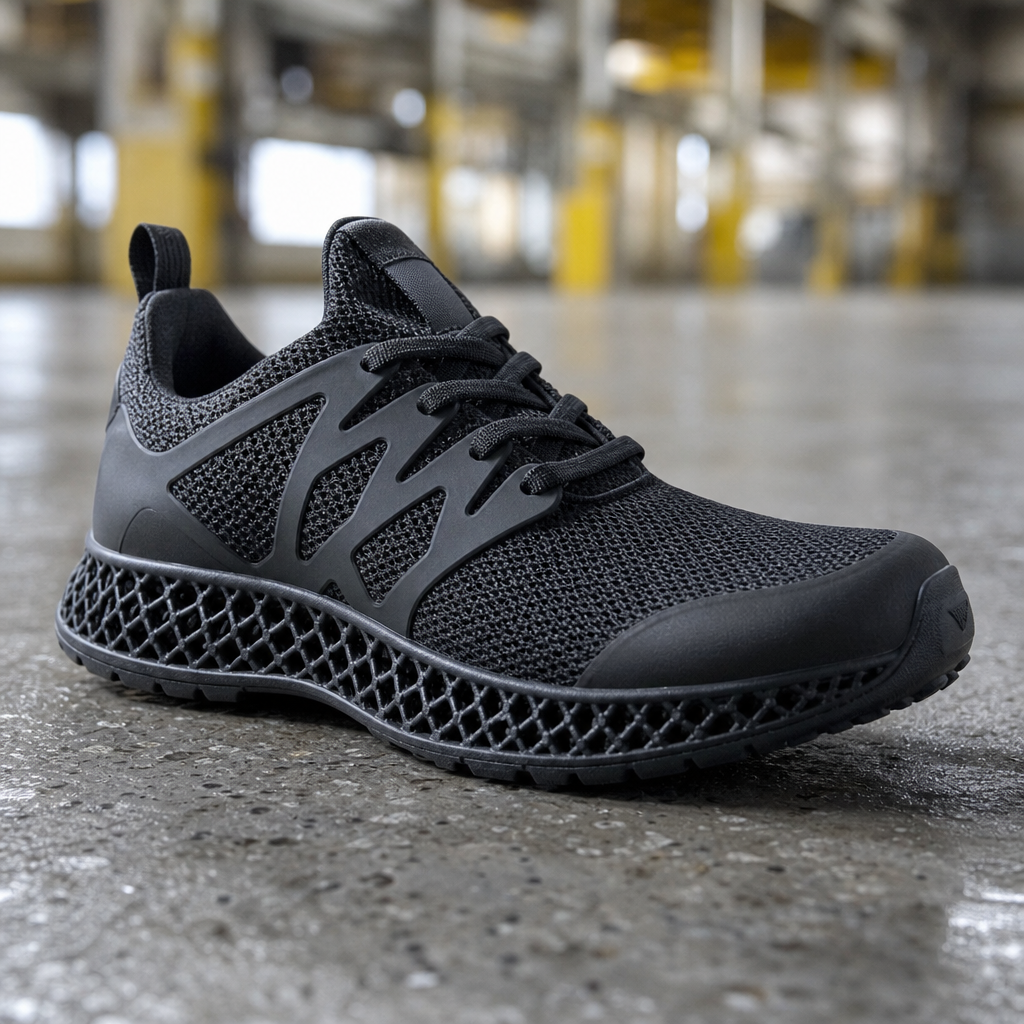
Innovations in polymers for wear-resistant footwear are reshaping how shoes handle abrasion, flex fatigue, impact, moisture, and long-term comfort across running, work, outdoor, and casual categories. In this context, polymers are large-chain materials engineered into midsoles, outsoles, toe caps, plates, foams, coatings, and adhesives, while wear resistance refers to the ability to resist material loss, cracking, compression set, and surface breakdown under repeated use. I have worked with footwear material evaluations where the real challenge was not finding a durable polymer, but balancing durability with grip, weight, energy return, manufacturability, cost, and recyclability. That balance matters because consumers now expect a single pair of shoes to last longer, perform in more conditions, and maintain appearance without becoming heavier or stiffer. For brands, polymer choice directly affects warranty claims, return rates, and product positioning. For designers and product developers, this topic sits at the center of consumer goods innovation because footwear combines demanding mechanics, high production volume, and visible user feedback. As a hub within polymer innovations in consumer goods, footwear offers a clear case study of how material science moves from lab formulations into products people use every day.
Wear-resistant footwear depends on where and how the shoe fails. Outsoles usually lose tread through abrasion against asphalt, concrete, rock, or factory flooring. Midsoles soften or collapse because of repeated compression cycles. Uppers split at flex zones, scuff at contact points, or degrade from sweat, hydrolysis, and ultraviolet exposure. Bond lines can delaminate when adhesives do not match substrate chemistry. Modern polymer innovation addresses each failure mode with targeted materials: high-abrasion rubber compounds in contact zones, expanded thermoplastic elastomers for cushioning, thermoplastic polyurethane films for reinforcement, polyamide or polyester meshes for uppers, and reactive hot-melt systems for bonding. Standard test methods such as DIN abrasion, Taber abrasion, Ross flex, Shore hardness, rebound resilience, tensile strength, and compression set give developers measurable ways to compare compounds. The result is a more disciplined material selection process. Instead of treating durability as a single property, footwear engineers treat wear resistance as a system outcome created by polymer chemistry, part geometry, processing conditions, and actual use environment.
How polymer design improves outsole durability
Outsoles remain the most visible example of wear-resistant footwear innovation because they absorb direct friction and impact. Traditional vulcanized rubber is still important, but newer formulations use carefully tuned blends of natural rubber, styrene-butadiene rubber, nitrile rubber, thermoplastic rubber, fillers, and coupling agents to raise abrasion resistance without sacrificing traction. Carbon black has long improved toughness and wear life, while silica systems can improve wet grip and rolling efficiency when properly dispersed. In my experience reviewing outsole compounds, the biggest gains often come from formulation details rather than a dramatic switch to an entirely new polymer. A change in filler loading, crosslink density, or oil content can shift a sole from chalking and rapid tread loss to stable wear over months of use.
Thermoplastic polyurethane is one of the most important materials in this area. TPU offers strong abrasion resistance, tear strength, and design versatility, especially in molded outsoles for hiking shoes, industrial footwear, and high-wear urban sneakers. Compared with many commodity thermoplastics, TPU resists scraping and edge damage exceptionally well. It also processes cleanly through injection molding, enabling precise lug geometries and multi-density constructions. Brands use TPU not only in full outsoles but also in heel clips, toe bumpers, rand components, and stabilizing shanks. The tradeoff is that TPU can become heavier than foam-led alternatives and may require careful formulation to avoid hydrolysis issues in certain polyester-based grades. Polyether TPU grades usually offer better hydrolysis resistance, which matters in humid climates and sweat-heavy applications.
Another major development is strategic zonal engineering. Instead of building the whole outsole from one compound, designers place harder, more wear-resistant polymers at heel strike and toe-off zones, with softer compounds in areas that need grip. This approach has become common in running shoes and work boots. It extends life without making the entire shoe feel harsh. Computer-aided wear mapping, pressure analysis, and gait data help decide where to deploy each polymer. The same design logic appears across consumer goods: tailor the material to the local stress instead of overengineering the whole product. In footwear, that principle saves weight and cost while improving real-world durability.
Foam innovation in midsoles and high-fatigue components
Consumers often think of wear as outsole loss, but midsole degradation is just as important because it changes ride, stability, and injury risk. Ethylene-vinyl acetate dominated midsoles for decades because it is light, inexpensive, and easy to foam, yet standard EVA can lose cushioning through compression set and mechanical breakdown. Newer formulations improve resilience by adjusting vinyl acetate content, crosslinking systems, and cell structure. Supercritical foaming techniques also create more consistent microcellular structures, reducing density while preserving rebound. In performance footwear, this has allowed shoes to remain lively for more miles than older compression-molded EVA platforms.
Expanded thermoplastic polyurethane changed the category by proving that a foam can deliver both energy return and better long-term resilience than conventional EVA. Commercial examples have shown that bead-expanded TPU can retain cushioning over extensive cyclic loading while tolerating cold conditions better than some alternative foams. More recently, polyether block amide and high-performance olefin-based foams have pushed the sector further, especially for lightweight running and lifestyle shoes. These materials often show lower compression set and more stable rebound behavior over repeated impacts. However, wear resistance here means structural endurance, not just softness. A responsive foam that wrinkles, packs out, or cracks early is not an innovation that survives consumer use.
Plate systems and stabilizers also rely on polymers with excellent fatigue resistance. Nylon, Pebax-type materials, glass-filled polyamides, and composite-reinforced thermoplastics are used in propulsion plates, torsion bars, and motion-control frames. These components endure thousands of bending cycles. If the polymer becomes brittle, creeps under load, or separates from surrounding foam, performance declines quickly. The best systems are co-designed: foam, plate, adhesive, and geometry must work together. I have seen prototypes with excellent lab rebound fail because the plate edge cut into the foam during cyclic testing. That is a reminder that polymer innovation is rarely about a single miracle material; it is about interaction between materials inside a complex product.
Upper materials, films, and coatings that resist scuffing and flex cracking
Footwear uppers have evolved from heavy leather and simple textiles into layered polymer systems engineered for targeted durability. High-tenacity polyester, nylon 6, nylon 6,6, and thermoplastic polyurethane films now reinforce zones that once depended on stitched overlays. This reduces seam failure and allows designers to tune flexibility. TPU films are especially valuable because they bond well to textiles, resist abrasion, and can be patterned for support. In athletic and safety footwear, thin TPU skins protect mesh from toe drag, pedal abrasion, and lateral scuffing without adding much mass.
Coatings matter as much as base fabrics. Polyurethane dispersions, silicone finishes, fluorine-free water-repellent treatments, and acrylic topcoats each affect abrasion, stain resistance, and weatherability. In work footwear and school shoes, repeated flexing at the vamp is a classic failure point. Polymer-coated textiles and synthetic leathers now use softer backing layers plus tougher surface coats to reduce visible cracking. Some microfiber synthetic leathers outperform low-grade leather in abrasion consistency because the polymer matrix and fiber network are engineered rather than naturally variable. The tradeoff is breathability and end-of-life complexity, which is why many brands are investing in mono-material constructions or easier-to-separate laminates.
Additive manufacturing is also influencing upper durability. Printed lattice reinforcements and localized thermoplastic deposits can place material only where wear occurs. That improves scrape resistance while avoiding the bulk of sewn-on overlays. For premium and specialized footwear, this enables rapid tuning after field tests. If a trial group shows medial forefoot abrasion, developers can adjust deposit thickness and polymer hardness in the next prototype cycle. That kind of iteration speed is becoming a competitive advantage in consumer goods broadly, not just in shoes.
Processing, testing, and sustainability tradeoffs in polymer selection
The most successful wear-resistant footwear programs treat processing as part of material performance. Injection temperature, mold cooling, foaming pressure, mixing quality, and adhesive curing all influence final durability. A well-designed TPU outsole can still fail if moisture in the resin causes processing defects. A high-rebound foam can underperform if cell morphology becomes inconsistent. Bonding is particularly critical when combining low-surface-energy polyolefins, foams, textiles, and rubber compounds. Primers, plasma treatment, corona treatment, and reactive polyurethane hot melts are common ways to improve adhesion, but each adds cost or complexity. That is why development teams use design of experiments rather than relying on isolated material claims from suppliers.
| Footwear component | Common advanced polymer | Main wear benefit | Typical limitation |
|---|---|---|---|
| Outsole | TPU or high-abrasion rubber blend | Excellent abrasion and tear resistance | Higher weight or cost than simpler compounds |
| Midsole | Expanded TPU, PEBA, advanced EVA | Better rebound and lower compression set | Premium pricing and processing complexity |
| Upper reinforcement | TPU film or coated nylon | Scuff resistance with low added mass | Can reduce breathability |
| Protective plate or shank | Polyamide or composite thermoplastic | High fatigue resistance and stability | Integration issues with surrounding foam |
Testing must mirror actual use. DIN abrasion can rank outsole compounds, but it does not fully predict wet tile slip, gravel chipping, or heat buildup during long runs. Ross flex helps reveal cracking tendencies, but field wear patterns depend heavily on gait and terrain. The strongest development teams combine lab methods with controlled user trials, visual wear mapping, and return analysis. In one material review, a sole compound that looked outstanding in abrasion numbers created poor winter traction because hardness climbed in cold conditions. Another foam retained rebound in the lab but lost perceived comfort because the geometry amplified pressure under the metatarsals. Real wear resistance is always material plus design plus user context.
Sustainability now shapes polymer decisions across footwear and the wider consumer goods sector. Recycled TPU, recycled polyester, bio-based EVA feedstocks, castor-oil-derived polyamides, and thermoplastic systems designed for easier reprocessing are gaining traction. The challenge is straightforward: durability and circularity do not automatically align. Filled or multi-material structures can improve wear but complicate recycling. Some recycled polymers show broader property variation, which requires tighter incoming quality control. Still, longer-lasting shoes usually have a lower replacement frequency, which can reduce lifecycle impact. The most credible strategies pair durability gains with simplified material architecture, repairable construction, or take-back systems. That is where polymer innovation becomes commercially mature rather than merely experimental.
What footwear teaches us about polymer innovation in consumer goods
Footwear is a strong hub topic for polymer innovations in consumer goods because it compresses the same decisions seen in luggage, sporting goods, protective equipment, mobile accessories, and furniture into one demanding product. Every shoe must survive abrasion, repeated loading, moisture exposure, temperature swings, and user scrutiny, often at mass-market cost targets. The winning lesson is that polymer innovation succeeds when it is application-specific. Material developers define the exact failure mode, select the polymer architecture that addresses it, and validate performance with realistic testing. They do not chase novelty for its own sake.
For product teams, several practical rules hold up. First, define wear by component: abrasion, creep, hydrolysis, flex cracking, or adhesion loss require different solutions. Second, evaluate the whole stack, not one resin in isolation. Third, use zonal design to put expensive polymers only where they earn their keep. Fourth, align processing with chemistry, because even a proven polymer can fail when molded or bonded poorly. Fifth, treat sustainability as a design constraint from the beginning, not a marketing layer added at launch. These principles explain why the best wear-resistant footwear feels lighter, lasts longer, and performs more consistently than older designs.
The key takeaway is simple: advances in TPU, engineered rubber blends, resilient foams, reinforced textiles, and smarter bonding systems have made footwear more durable without sacrificing comfort or style. That progress matters far beyond shoes because it shows how polymer science improves everyday consumer goods through measurable performance gains. If you are mapping this subtopic, use footwear as the reference case, then explore adjacent applications where abrasion resistance, fatigue life, and material efficiency decide product success. Start by comparing failure modes across products, and the right polymer strategy becomes much clearer.
Frequently Asked Questions
1. What polymer innovations are making modern footwear more wear-resistant?
Several polymer advances are driving major gains in footwear durability. One of the biggest is the move from traditional single-density materials to highly engineered compounds tailored for specific stress zones in the shoe. In outsoles, advanced rubber blends and thermoplastic polyurethane (TPU) formulations are being designed to better resist abrasion, chipping, and surface breakdown, especially in high-contact areas such as the heel strike zone and forefoot. In midsoles, expanded thermoplastic elastomers, EVA blends, and TPU-based foams are improving resilience so the material rebounds more effectively after repeated compression, which helps reduce permanent flattening over time.
Another important innovation is the use of multi-layer polymer systems. Instead of asking one material to do everything, manufacturers now combine foams, films, plates, coatings, and adhesives that each solve a specific wear problem. A shoe might use a soft, energy-returning midsole core, a tougher carrier foam around it, a high-abrasion outsole compound underneath, and a protective polymer film or coating in exposed upper areas. This layered approach improves long-term performance because the materials are selected based on how they handle flex fatigue, moisture exposure, impact loading, and repeated friction.
Polymer processing has also improved. Better molding, foaming, and bonding methods create more consistent cell structures in foams and stronger interfaces between components. That matters because wear often begins at weak spots: where a midsole collapses unevenly, where an outsole separates, or where repeated bending causes cracking. With better material engineering and manufacturing control, footwear can maintain shape, cushioning, traction, and structural integrity for longer across running, work, outdoor, and casual use.
2. How do polymers improve abrasion resistance without making shoes stiff or uncomfortable?
That balance is one of the central challenges in footwear design, and modern polymers are much better at achieving it than older materials. Abrasion resistance usually comes from tougher, denser compounds, but those same properties can increase stiffness and weight if used everywhere. The solution is selective material placement. Designers use harder-wearing polymers only where the shoe experiences the greatest friction, such as the outsole perimeter, toe drag area, or heel edge, while keeping more flexible and cushioned materials in the midsole and upper.
Advanced elastomers and TPU compounds are especially useful here because they can be formulated to resist scuffing and material loss while still maintaining elasticity. In practical terms, that means the outsole can tolerate repeated contact with pavement, trails, shop floors, or ladders without feeling harsh underfoot. Likewise, thin polymer skins, toe cap overlays, and abrasion-resistant films can reinforce high-wear upper zones without adding the bulk and rigidity associated with older protective materials.
Comfort also depends on how a polymer behaves over thousands of flex cycles, not just how it feels in the store. A material that starts soft but quickly packs out or cracks can become uncomfortable faster than a slightly firmer material with excellent resilience. That is why wear-resistant footwear often relies on polymers engineered for both surface durability and fatigue resistance. When those two qualities are combined properly, the shoe remains flexible at the forefoot, stable through the stride, and protective over a much longer service life.
3. Why is flex fatigue resistance so important in wear-resistant footwear?
Flex fatigue resistance is critical because shoes do not simply wear down from rubbing against the ground; they also fail internally from repeated bending, stretching, and compressing. Every step creates a cycle of deformation, especially at the forefoot, the outsole grooves, and the transition between the heel and midfoot. Over time, weaker polymers can develop microcracks, lose elasticity, or separate from adjacent layers. Once that starts, the visible wear often accelerates quickly.
Innovative footwear polymers are designed to survive these repeated strain cycles without becoming brittle or taking a permanent set. In midsoles, this means the foam can compress and recover again and again without collapsing prematurely. In outsoles, it means flex grooves and lugs can bend repeatedly without chunking, cracking, or shearing away. In uppers and bonded areas, it means films, coatings, and adhesives can move with the foot rather than splitting at fold lines.
This matters across almost every footwear category. Runners need consistent cushioning and smooth transition through many miles. Workers need shoes that do not crack or delaminate under constant bending and load-bearing. Outdoor users need materials that can flex in cold, wet, or uneven conditions without failing. Casual wearers benefit too, because long-term comfort often comes down to whether the shoe retains its original mechanical behavior. A polymer that resists flex fatigue helps preserve performance, appearance, and fit for much longer than a material that only looks durable on day one.
4. How do moisture, temperature, and environment affect polymer wear in footwear?
Environmental conditions have a major influence on how polymers age and wear. Moisture can soften some materials, weaken adhesive bonds, promote hydrolytic degradation in susceptible polymers, and change how outsole compounds grip and abrade. Temperature also matters: cold conditions can make certain polymers stiffer and more prone to cracking, while high heat can accelerate softening, compression set, and material breakdown. UV exposure, dirt, oils, salts, and chemicals can further affect surface integrity and long-term performance.
That is why newer footwear polymers are often engineered with specific environmental demands in mind. Trail and hiking shoes may use compounds designed to maintain flexibility and abrasion resistance in wet and variable climates. Work footwear may incorporate polymers that better tolerate oils, industrial surfaces, repeated impact, and prolonged standing. Running shoes may prioritize foam resilience across changing temperatures so the ride does not become dramatically firmer in winter or mushier in summer. Protective coatings and films can also act as barriers against water uptake, scuffing, and chemical exposure in vulnerable areas.
For consumers, this means wear resistance should be judged in context. A shoe that performs extremely well on dry roads may not be the best option for muddy trails or oily workshop floors. The most durable footwear is usually the product of matching the polymer system to the actual use environment. When brands get that match right, the result is not just slower outsole wear, but better retention of cushioning, structural support, and upper integrity throughout the life of the shoe.
5. What should consumers look for when evaluating wear-resistant polymer footwear?
Consumers should look beyond broad marketing terms like “durable foam” or “high-performance rubber” and focus on how the shoe’s materials are used throughout the design. A well-built wear-resistant shoe usually combines multiple polymers for specific tasks: a resilient midsole that resists compression set, an outsole compound formulated for abrasion resistance, reinforcements in high-scuff upper areas, and adhesives or bonding systems designed to hold under repeated flexing. The more clearly a brand explains what each material is doing, the easier it is to judge whether the design is credible.
It is also helpful to consider the likely failure points for your use case. If you drag your toes, look for reinforced toe caps or abrasion-resistant overlays. If you log high mileage on pavement, outsole durability and midsole resilience should be top priorities. If you stand all day at work, compression resistance and long-term cushioning retention matter just as much as surface toughness. If you use shoes in wet or harsh environments, pay attention to coatings, bonding quality, and whether the materials are described as resistant to hydrolysis, oils, or temperature swings.
Finally, durability is best understood as a system, not a single feature. A very hard outsole will not guarantee long life if the midsole packs out early or the upper cracks at flex points. Likewise, an advanced foam is less impressive if the outsole wears smooth too quickly. The strongest footwear designs use polymer innovation to balance abrasion resistance, fatigue performance, impact protection, moisture management, and comfort retention. That systems-level approach is what separates footwear that merely survives initial wear from footwear that continues performing well over time.