Polymers are the hidden engineering materials inside nearly every high-tech gadget people use daily, from smartphones and wireless earbuds to smartwatches, laptops, medical wearables, and game controllers. In practical terms, a polymer is a large molecule built from repeating units, and in electronics it can appear as a structural plastic, a flexible film, an adhesive, a coating, a foam, or even an electrically functional material. When I have evaluated device teardowns and materials selections, the same pattern appears repeatedly: the gadget may be sold on processor speed or camera quality, but its durability, weight, signal performance, and manufacturability often depend on polymer choices made early in design. That is why polymer innovations in consumer goods matter. They affect drop resistance, water sealing, thermal management, battery safety, tactile feel, radio transparency, sustainability, and cost. Understanding how polymers are used in high-tech gadgets gives product teams, buyers, and industry observers a clearer view of why certain devices feel premium, survive daily wear, or enable entirely new form factors.
In consumer electronics, polymers are rarely interchangeable commodity materials. Engineers choose among thermoplastics such as polycarbonate, ABS, PET, nylon, PEEK, LCP, and TPU; thermosets such as epoxy and silicone systems; and specialty formulations filled with glass fiber, minerals, carbon, flame retardants, or conductive additives. Each option brings a balance of stiffness, impact strength, heat resistance, dielectric behavior, chemical resistance, optical clarity, and processability. A smartphone back cover, for example, requires different properties than a battery pouch film or a flexible printed circuit. The rise of foldables, fast charging, 5G antennas, miniaturized sensors, and wearable health devices has made polymer selection more strategic, not less. As this hub for polymer innovations in consumer goods, the article maps the major application areas, explains why specific materials are used, and outlines the design tradeoffs shaping the next generation of gadgets.
Structural housings, frames, and cosmetic parts
The most visible use of polymers in high-tech gadgets is the enclosure. Polycarbonate, ABS, and PC/ABS blends dominate many housings because they combine impact resistance, dimensional stability, and efficient injection molding. PC/ABS is especially common in laptops, routers, printers, and accessory shells because it balances the toughness of polycarbonate with the processability and surface finish of ABS. In handheld devices, this blend can survive repeated drops better than more brittle materials while still supporting molded clips, screw bosses, and thin walls. Glass-filled nylon appears in internal brackets and frames where extra stiffness is required, while TPU and TPE overmolds create soft-touch grips on earbuds cases, styluses, and ruggedized electronics.
Premium design does not eliminate polymers; it changes where and how they are used. Even gadgets with aluminum or stainless-steel exteriors rely on polymers for antenna windows, button carriers, camera surrounds, gaskets, and internal load-bearing features. Radio signals struggle to pass through metal, so polymer inserts become essential in phones, smartwatches, and connected audio devices. Surface engineering also matters. UV-cured hard coats improve scratch resistance on transparent parts, while in-mold decoration and laser texturing help manufacturers achieve matte, glossy, or patterned finishes without adding secondary steps. In real products, these details determine whether a device feels solid after years of pocket abrasion and thermal cycling. A well-selected housing polymer protects internals, supports assembly, and communicates quality through touch and appearance.
Flexible displays, films, and optical layers
Modern gadgets depend heavily on polymer films, especially where glass alone cannot deliver flexibility or low weight. PET and polyimide are foundational materials in display stacks, touch sensors, and flexible printed circuits. Polyimide is particularly valuable because it maintains mechanical integrity at elevated processing temperatures and tolerates repeated bending. In foldable phones and rollable display prototypes, colorless polyimide and multilayer protective films have been developed to serve as parts of the cover window system, reducing shatter risk while enabling curvature that conventional glass cannot match. Adhesive interlayers, optical clear adhesives, and barrier coatings are equally important. They control reflection, improve impact behavior, and protect sensitive organic layers from oxygen and moisture.
Optical performance in consumer gadgets is also a polymer story. PMMA, cyclic olefin polymers, and engineered polycarbonates are used in light guides, lenses, camera components, diffuser plates, and LED optics. These materials can be molded into intricate geometries with high repeatability, which is critical for compact sensors and imaging modules. In wearable devices, transparent silicones and optical-grade adhesives help couple light efficiently between LEDs, photodiodes, and skin for heart-rate or blood oxygen sensing. Small material changes can alter haze, refractive index matching, and long-term yellowing. That is why optical polymers are not chosen by cost alone. They are selected and qualified through transmission testing, UV exposure studies, and environmental aging protocols to ensure the device still performs after years of use.
Adhesives, sealants, and water resistance
Many consumers associate gadget quality with seamless construction, but seamless devices are usually held together by sophisticated polymer chemistries rather than visible screws. Epoxy adhesives, acrylic pressure-sensitive adhesives, UV-curable systems, and silicone sealants are central to electronics assembly. In smartphones and tablets, thin adhesive tapes bond displays to frames, secure batteries, isolate vibration, and manage gap tolerances. Liquid adhesives may be used around camera modules or structural ribs where precise load distribution is needed. These materials reduce part count and support slimmer designs, but they must also survive heat, humidity, drop shock, and chemical exposure from sweat, skin oils, and cleaning agents.
Water resistance depends heavily on elastomeric polymers. Silicone and fluorosilicone gaskets seal button interfaces, speaker openings, charging ports, and sensor windows, while microporous membranes based on expanded fluoropolymer structures can block liquid water yet allow air pressure equalization for microphones and vents. Achieving an IP67 or IP68 rating is not just about adding a rubber ring. Engineers validate compression set, adhesion durability, and compatibility with housing materials across thousands of cycles and wide temperature ranges. I have seen devices fail not because the gasket material was poor in isolation, but because stack-up tolerances or surface contamination compromised sealing. The lesson is simple: in high-tech gadgets, polymer sealants are system components, and their performance depends on design discipline as much as chemistry.
Battery packs, thermal control, and electrical insulation
Battery technology is one of the clearest examples of polymers enabling safety and miniaturization. Lithium-ion cells use polymer-rich separator films, binder systems, insulating wraps, and adhesive layers throughout the pack. The separator, often a microporous polyolefin film such as polyethylene or polypropylene, keeps electrodes apart while allowing ionic transport. If the separator is damaged or thermally unstable, the risk of internal shorting increases sharply. Around the cell, polymer tapes and foams cushion expansion, isolate conductive parts, and maintain spacing during drops. In pouch cells, multilayer laminate films combine polymers with metal barriers to deliver low weight and controlled permeability. Without these materials, the slim batteries inside phones, earbuds, and wearables would be far harder to package safely.
Polymers also support thermal management, even though they are usually less thermally conductive than metals. Silicone gap fillers, phase-change materials, thermally conductive epoxies, and filled engineering plastics help move heat from chips, power modules, and batteries toward spreaders or enclosures. In fast-charging devices and compact laptops, this matters enormously. A polymer can insulate electrically while still conducting enough heat to prevent hotspots, something metals cannot do without creating short-circuit risk. Flame-retardant grades, certified under standards such as UL 94, are used where ignition resistance is required. The best designs treat thermal polymers as tuned interfaces rather than generic fillers. Hardness, compression behavior, pump-out resistance, and long-term aging all affect whether the material continues to perform after repeated heating cycles.
Antennas, connectors, and precision electronic components
As wireless standards have advanced from Bluetooth and Wi-Fi to 5G and ultra-wideband, polymers have become more important in radio-frequency design. Materials with low dielectric constant and low dissipation factor help antennas transmit and receive efficiently, especially at higher frequencies where losses matter more. Liquid crystal polymer, or LCP, is a standout example. It offers low moisture absorption, excellent dimensional stability, and favorable high-frequency electrical properties, which is why it appears in flexible antenna modules, interconnects, and miniature components in smartphones and wearables. When engineers need reliable performance in a very small package, LCP often outperforms more common plastics that absorb moisture and shift electrically over time.
Connectors and precision parts also rely on high-performance polymers such as PBT, PPS, and PEEK. These materials resist soldering temperatures, hold tight tolerances, and maintain insulation properties under mechanical stress. Fine-pitch connectors in laptops and cameras need polymer housings that will not creep excessively, crack during insertion, or deform during reflow assembly. The same is true for coil bobbins, sensor carriers, and MEMS packaging elements. The table below summarizes how common polymer families align with gadget functions.
| Polymer | Typical gadget use | Key reason it is selected |
|---|---|---|
| PC/ABS | Laptop and accessory housings | Impact resistance, good finish, easy molding |
| Polyimide | Flexible circuits and display films | Heat resistance and bend durability |
| Silicone | Gaskets, sealants, wearable interfaces | Elasticity, sealing, skin compatibility |
| LCP | Antenna modules and precision interconnects | Low RF loss and low moisture uptake |
| TPU | Cable jackets, straps, protective overmolds | Flexibility and abrasion resistance |
| PEEK/PPS | High-temperature precision components | Dimensional stability and chemical resistance |
Wearables, medical sensing, and user comfort
Wearable electronics place unusual demands on polymers because the material touches skin, flexes constantly, and houses sensitive sensors in a very small volume. Smartwatch bands use silicone, fluoroelastomers, TPU, and woven polymer fibers because they must balance softness, sweat resistance, color stability, and easy cleaning. The housing materials around optical sensors need to block stray light while maintaining biocompatibility where contact occurs. Adhesives in continuous glucose monitors, fitness patches, and ECG wearables must stick securely for days without causing excessive irritation, a difficult requirement because skin chemistry, motion, and humidity vary significantly from user to user.
Medical-grade polymer selection in consumer health devices is stricter than standard accessory design. ISO 10993 biocompatibility testing, sterilization compatibility for some components, and resistance to lotions or disinfectants can all influence the final bill of materials. I have found that the winning material is often not the strongest polymer on paper but the one that maintains function and comfort over long wear periods. Soft silicones can improve conformity and sensor signal quality, while breathable adhesive constructions reduce skin occlusion. In hearing aids and premium earbuds, acoustic meshes and molded polymers are tuned for both fit and sound performance. These examples show that polymer innovation in consumer goods is not only about engineering efficiency; it is also about human factors.
Sustainability, recycling, and the next wave of materials
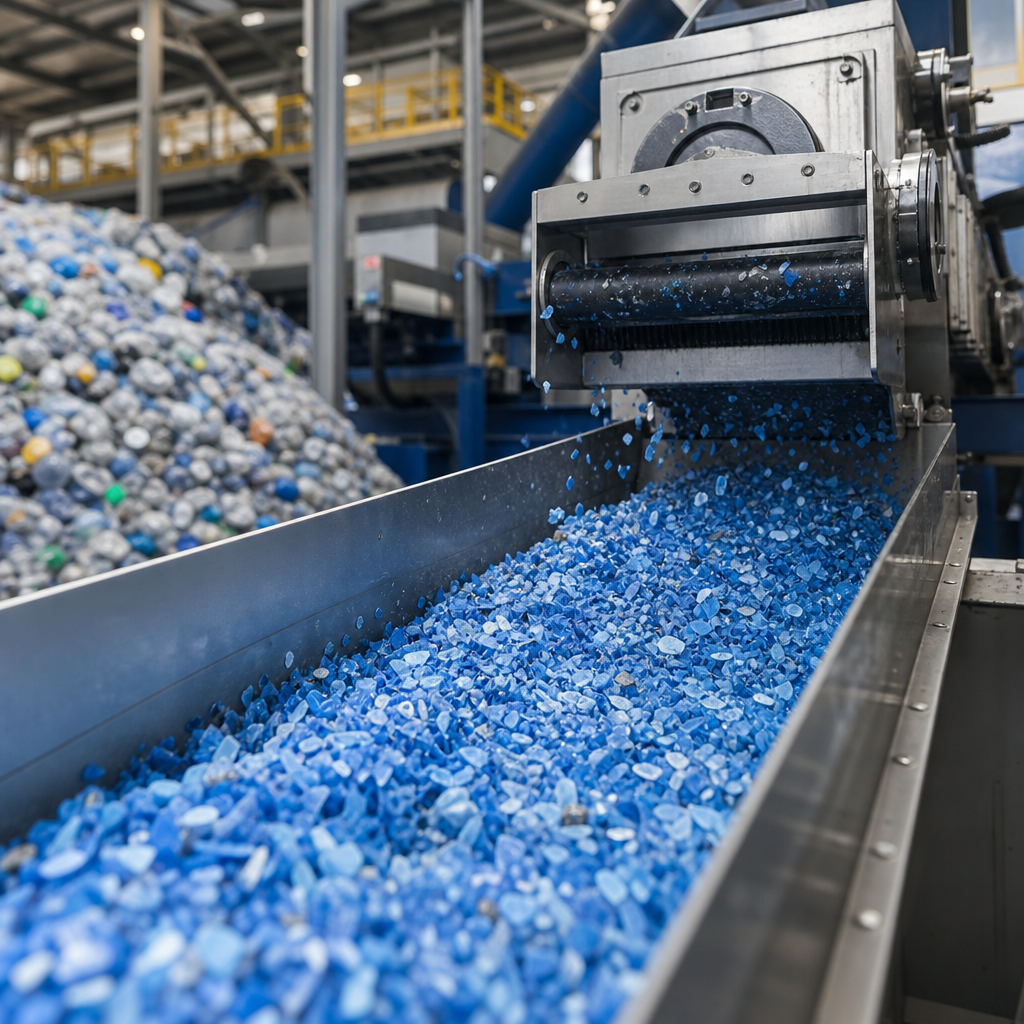
Sustainability has become a serious driver of polymer development in gadgets, although progress is uneven. Brands increasingly use post-consumer recycled polycarbonate, ABS, PET, and ocean-bound plastic blends in accessories, speakers, peripherals, and selected device housings. Recycled content can lower virgin resin demand, but it also introduces variability in color, odor, contamination risk, and mechanical properties. That means qualification work becomes more demanding. Designers may need tighter supplier controls, robust traceability, and cosmetic strategies that hide natural variation. Regulatory pressure is growing as well, with restrictions on certain flame retardants and increasing attention to repairability, disassembly, and end-of-life recovery.
Looking ahead, several polymer directions are especially important. Bio-based engineering plastics are gaining traction where they can match conventional performance. Monomaterial strategies may simplify recycling in accessories and simple devices. High-frequency communication will increase demand for low-loss polymers in antenna systems. Foldable and wearable devices will push further into stretchable conductors, self-healing coatings, and ultra-thin barrier films. At the same time, manufacturers must manage tradeoffs carefully. A more sustainable polymer is not automatically the right choice if it compromises battery safety, signal reliability, or long-term durability. The best product teams evaluate polymers through the full lens of performance, manufacturability, compliance, and circularity. That approach consistently produces better gadgets and more credible environmental claims.
Polymers are used in high-tech gadgets far beyond simple plastic shells. They form the housings people hold, the films that let screens bend, the adhesives that keep devices slim, the sealants that block water, the insulating layers that protect batteries, the RF materials that support wireless performance, and the skin-contact components that make wearables comfortable enough to use every day. Across consumer electronics, the most successful polymer innovations in consumer goods solve multiple problems at once: they reduce weight, improve durability, support miniaturization, and simplify manufacturing without sacrificing safety or user experience.
The central takeaway is that polymer choice is a strategic design decision, not an afterthought. When teams select materials with the right mechanical, thermal, optical, electrical, and human-contact properties, gadgets become more reliable and more capable. When they choose poorly, failures appear as cracked housings, weak antenna performance, battery issues, degraded optics, or uncomfortable wear. If you are building content, products, or purchasing criteria around electronics materials, use this hub as your starting point and explore each application area in greater depth. The more closely you examine polymers, the more clearly you will understand how modern gadgets actually work.
Frequently Asked Questions
What role do polymers play inside high-tech gadgets?
Polymers do far more than provide the outer plastic shell of a device. Inside modern gadgets, they serve as structural materials, flexible connectors, insulating layers, protective coatings, adhesives, foams, and precision films. In smartphones, for example, polymers may appear in antenna windows, internal brackets, cable insulation, display films, battery separators, pressure-sensitive adhesives, and water-resistance seals. In wireless earbuds and smartwatches, they are especially important because engineers need materials that are lightweight, moldable, durable, and compatible with tiny, densely packed components.
One reason polymers are so widely used is that they can be engineered to deliver very specific performance. Some are rigid and dimensionally stable, making them useful for housings and internal frames. Others are soft and elastic, which makes them ideal for gaskets, overmolded grips, vibration dampers, and wearable device straps. Certain polymer films are optically clear and carefully tuned for displays and touch sensors, while others are chemically resistant and protect internal components from sweat, oils, humidity, or cleaning agents.
Polymers also help solve design problems that metals and ceramics cannot solve as easily. They can reduce weight, simplify manufacturing, improve drop performance, electrically insulate sensitive circuits, and enable thin, curved, or flexible form factors. In short, polymers are hidden engineering materials that make gadgets smaller, lighter, tougher, more comfortable, and more manufacturable.
Why are polymers often chosen over metal or glass in electronic devices?
Polymers are often selected because they offer a combination of low weight, design freedom, electrical insulation, and cost-effective manufacturing. Compared with metal, many polymers are much lighter, which matters in devices people carry or wear all day. A smartwatch, headset, medical wearable, or handheld game controller benefits immediately from even small weight reductions. Polymers can also be molded into complex shapes with clips, ribs, bosses, and channels built directly into the part, reducing assembly steps and saving space inside compact electronics.
Compared with glass, polymers are generally more impact-resistant and less brittle. While glass remains essential in screens and optical components, polymer layers often support those systems by adding flexibility, cushioning, or shatter resistance. For example, clear polymer films are commonly used in display stacks, touch interfaces, and protective layers where a designer needs optical performance along with lower weight or greater toughness.
Another major advantage is functional customization. Engineers can choose flame-retardant polymers for safety, high-temperature polymers for parts near heat-generating components, soft elastomers for seals and buttons, and chemically resistant grades for devices exposed to skin oils, sweat, or outdoor conditions. Some polymers can even be filled with glass fibers, minerals, or conductive additives to tailor stiffness, dimensional stability, shielding behavior, or thermal properties. That ability to tune performance is a big reason polymers are so central to electronics design.
Are polymers only used as plastics, or can they also perform electrical and advanced technical functions?
They are not limited to being simple plastics. While many people think of polymers only as casings or cosmetic parts, advanced polymers also perform highly technical roles in electronics. Some polymer materials act as dielectric insulators in circuit boards, cables, and capacitors. Others serve as battery separators, encapsulants for semiconductor packaging, conformal coatings for moisture protection, or adhesive layers that bond delicate assemblies without damaging them.
There are also electrically functional polymers used in specialized applications. Conductive polymers and polymer composites can help with antistatic control, electromagnetic interference management, flexible circuitry, sensors, and wearable electronics. In certain devices, polymer-based films are part of touch sensors, OLED structures, flexible displays, printed electronics, and biosignal-monitoring patches. These materials are valuable because they can bend, stretch, or conform to curved surfaces in ways that traditional rigid materials cannot.
In practical engineering terms, the real power of polymers is their versatility across multiple functions in the same device. A single gadget may use one polymer for structural support, another for optical clarity, another for sealing, another for electrical insulation, and another for thermal interface or adhesive performance. That layered use of different polymer families is common in advanced gadgets and is one of the reasons materials selection is such a critical part of product development.
How do polymers help make gadgets smaller, lighter, and more durable?
Polymers contribute to miniaturization because they can be processed into thin walls, intricate shapes, multilayer films, and flexible components that fit into tight spaces. Injection-molded polymer parts can integrate multiple functions into one piece, such as mounting features, snap fits, cable guides, and reinforcement ribs. That reduces part count and frees up valuable internal volume. In foldables, wearables, and compact wireless devices, polymer films, foams, and elastomers are especially useful because they can compress, bend, cushion, and seal without adding much mass.
Weight reduction is another major benefit. Replacing heavier materials with carefully selected polymers can improve comfort, portability, and energy efficiency. A lighter device is easier to carry, but it can also experience lower inertial stress during drops. That matters for consumer electronics that are regularly tossed into bags, worn during exercise, or handled on the move. In accessories like earbuds and headsets, low mass directly affects long-term comfort and fit.
Durability comes from more than just impact strength. Polymers can be formulated to resist abrasion, sweat, UV exposure, household chemicals, repeated flexing, and thermal cycling. Soft polymer seals help keep out dust and water. Internal polymer foams can absorb shock and protect delicate assemblies. Adhesive polymers help hold components together even when devices are subjected to vibration or repeated daily use. When engineers combine the right polymers with good mechanical design, the result is a gadget that stands up better to real-world conditions while still feeling sleek and lightweight.
What should manufacturers consider when choosing polymers for smartphones, wearables, and other advanced electronics?
Material selection in electronics is rarely about choosing the strongest or cheapest polymer alone. Engineers have to balance mechanical performance, thermal behavior, electrical properties, chemical resistance, manufacturability, aesthetics, regulatory compliance, and long-term reliability. A smartphone housing insert, for instance, may need excellent dimensional stability, tight molding tolerances, flame resistance, and compatibility with adhesives or coatings. A wearable strap needs softness, skin compatibility, sweat resistance, color stability, and resistance to oils, sunscreen, and cleaning products.
Thermal performance is a particularly important factor. High-tech gadgets generate heat, and polymers near processors, batteries, charging circuits, or LED modules must tolerate elevated temperatures without warping, cracking, or losing key properties. Electrical performance matters too, since many polymer parts must insulate circuits, avoid unwanted signal interference, or work alongside antennas and sensors. In devices with wireless charging, Bluetooth, Wi-Fi, or 5G features, the interaction between materials and signal performance can strongly influence design choices.
Manufacturing considerations are just as important. Some polymers mold easily at high volumes and deliver excellent surface finish, while others are chosen because they bond well, maintain tight tolerances, or support overmolding and multilayer assembly. Reliability testing also plays a major role. Manufacturers typically evaluate polymers under drop tests, humidity exposure, thermal cycling, abrasion, UV exposure, chemical contact, and repeated mechanical loading. The best polymer choice is usually the one that meets the device’s performance targets across all these conditions, not just in one category. That is why polymer selection in high-tech gadgets is a highly engineered decision rather than a simple materials substitution.