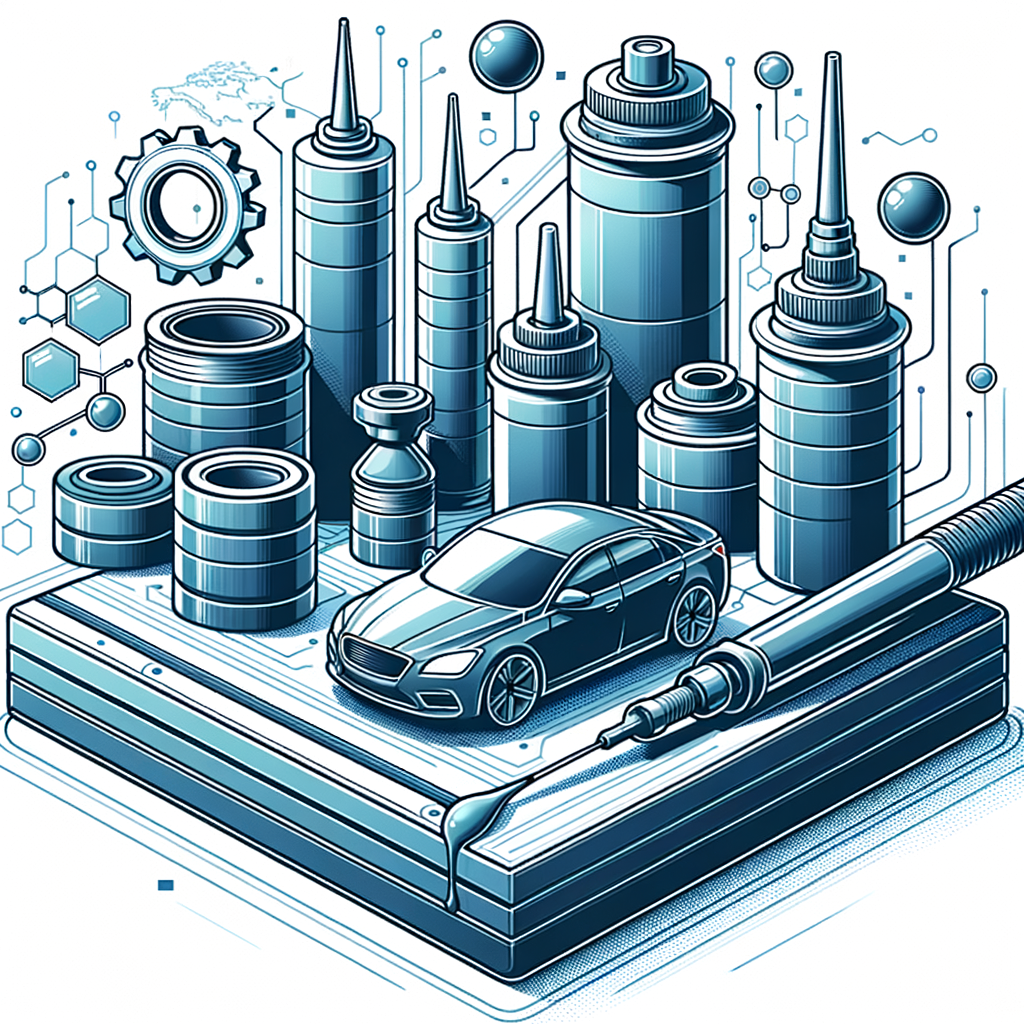
Automotive adhesives and sealants play pivotal roles in the construction and performance of vehicles. These materials have evolved significantly over recent decades, integrating advanced technology to meet the ever-growing demands of the automotive industry. A crucial component of these substances is polymers, which are large molecules composed of repeating subunits. These polymers endow adhesives and sealants with distinct properties that enhance vehicle assembly and durability. This article delves into the importance and application of polymers within automotive adhesives and sealants, offering insight into their transformative impact on the industry. An exploration of these polymers will highlight their chemical makeup, benefits, and the ways they contribute to the manufacturing processes, enhancing vehicle safety, efficiency, and sustainability. Understanding the role of polymers in these applications unveils the chemistry behind some of the most innovative automotive solutions available today.
The Role of Polymers in Automotive Adhesives
Polymers provide critical features to automotive adhesives, defining their strength, resilience, and adaptability. A diverse range of polymer types, including polyurethane, epoxy, silicone, acrylic, and rubber-based compounds, serve specific roles in automotive adhesive formulations. Each type brings unique characteristics that cater to different vehicle bonding needs, whether attaching structural components or providing dampening solutions. For instance, polyurethane-based adhesives are highly valued for their flexibility and toughness, making them ideal for bonding disparate materials such as glass to metal. These adhesives exhibit excellent impact resistance, necessary for the automotive industry’s stringent crashworthiness standards. Meanwhile, epoxy adhesives are renowned for their extraordinary load-bearing capabilities and strong chemical resistance, often used for bonding load-carrying components and metal-to-metal joints. This versatility and performance in extreme conditions make epoxy polymers staples in automotive assemblies.
Silicone adhesives stand out due to their superior thermal stability and excellent weathering properties. Vehicles are subject to fluctuating temperatures and harsh environmental conditions, from icy winters to scorching summers. Silicone polymers maintain structural integrity and adhesive strength, preventing debonding or material degradation over time. Additionally, acrylic adhesives are prominent for their rapid bonding times and adaptability to various substrates. Such attributes are invaluable for assembly line efficiency and quality control, providing manufacturers the ability to reduce production times without sacrificing bond strength. Rubber-based adhesives, offering elasticity and vibration absorption, are critical in noise, vibration, and harshness (NVH) applications. These polymers cushion parts, reducing noise transmission within the vehicle cabin and enhancing passenger comfort.
Optimizing Vehicle Durability with Sealant Polymers
Sealants are designed to prevent fluids and gases from passing through seams and irregularities in vehicle components. The incorporation of polymers in these sealants enhances their sealing capabilities, bridging gaps with elasticity and robustness. Different polymer types are selected based on their sealing proficiency and compatibility with the materials being joined, ensuring longevity and reliability under various stress conditions. Polyurethane sealants, similar to their adhesive counterparts, provide exceptional flexibility and adhesion to a plethora of substrates. These sealants excel in dynamic joints, where movement between distinct parts is expected, such as door frames and window seals. Their capacity to absorb tremors and prevent ingress of moisture and air contributes significantly to the overall efficacy of a vehicle’s climate control systems and corrosion resistance.
Silicone sealants, with their unparalleled temperature and UV resistance, are utilized in external automotive applications exposed to the elements. They maintain pliability and performance even when subjected to prolonged sun exposure and temperature fluctuations. Furthermore, butyl polymers are known for their impermeability and are predominantly used in automotive window glazing and seam sealing. Their exceptional barrier properties against liquids and gases make them indispensable for weatherproofing vehicles. The use of acrylic polymers in sealants is more common in areas requiring moderate flexibility and paint-ability. Their ease of application and quick drying times enable streamlined manufacturing processes, increasing productivity without compromising the sealing integrity.
Advantages of Polymer-Based Adhesives and Sealants
Polymer-based adhesives and sealants offer numerous benefits that align with the automotive industry’s goals for efficiency, sustainability, and enhanced performance. One of the primary advantages is the ability to bond heterogeneous materials, a necessity in modern vehicle designs that employ a mix of metals, plastics, and composites to optimize weight and strength. Lightweight materials are essential for improving fuel economy and reducing carbon emissions, and polymers facilitate their integration without sacrificing structural integrity. Additionally, the use of these advanced chemical compounds can lead to smaller tolerances in assembly, streamlining production and reducing costs.
The durability and resistance to environmental stressors of polymer adhesives and sealants increase the longevity and reliability of automotive components. Their impact resistance helps in distributing stress evenly, preventing focal weaknesses that could lead to failures. With corrosion prevention becoming a focal point in design and manufacturing, polymers offer a protective shield that prolongs the life of vehicle parts, especially those exposed to road salt, humidity, and other corrosive elements. Moreover, the NVH benefits provided by specific polymer formulations enhance driver and passenger comfort, a critical focus area for automakers aiming to distinguish their vehicles in a competitive market.
Innovations and Future Directions
Research and innovation in the realm of polymer-adhesive technology continue to push boundaries, aiming to meet the evolving demands of automotive manufacturers. The focus has expanded towards developing sustainable polymers derived from bio-based materials, reducing reliance on petroleum-based feedstocks. These advancements reflect the industry’s commitment to eco-friendly solutions, targeting reductions in carbon footprint and resource consumption. Furthermore, advancements in polymer chemistry, such as self-healing adhesives and sealants, are gaining traction. This technology incorporates additives that enable automatic repair of minor damages, extending the service life of materials and reducing maintenance requirements.
The integration of nanotechnology into polymer adhesives presents another frontier. Nanomaterials can enhance mechanical properties, thermal resistance, and adhesive strength by reinforcing polymer matrices at the microscopic level. These enhancements open new possibilities for lighter, more resilient automotive structures, aligning with initiatives to produce more efficient, agile, and eco-conscious vehicles. The deployment of smart adhesives, capable of monitoring conditions and responding to environmental stimuli autonomously, promises to revolutionize vehicle safety, maintenance, and user interaction. This forward-thinking approach emphasizes the ongoing relevance and potential of polymers in shaping the future of automotive technology.
Conclusion
The application of polymers in automotive adhesives and sealants significantly influences the performance, safety, and sustainability of modern vehicles. Their versatile nature allows for the bonding and sealing of diverse materials under various conditions, crucial for the ever-advancing automotive designs that prioritize efficiency and robustness. From facilitating lightweight construction and increasing durability to ensuring environmental resistance and boosting passenger comfort, polymers provide indispensable solutions that meet and exceed automotive industry standards. Continued research and innovation in polymer technology portend exciting developments that will further enhance automotive manufacturing, with a focus on sustainability and smart functionalities. As automakers continue to strive for optimal performance and reduced environmental impact, polymer-based adhesives and sealants will remain at the forefront, enabling the next generation of automotive advancements.
Frequently Asked Questions
1. What role do polymers play in automotive adhesives and sealants?
Polymers are essentially the backbone of automotive adhesives and sealants, providing them with their characteristic properties. Imagine polymers as the robust framework upon which the functionality of these substances is built. They are large molecules made up of repeating subunits that offer a host of benefits. These include flexibility, strength, resistance to environmental factors, and durability. This molecular structure allows adhesives to maintain strong bonds between different car components and ensures that sealants effectively protect against leaks and corrosion. By integrating polymers, manufacturers can tailor adhesives and sealants to meet specific requirements of various automotive parts, ensuring optimal performance and longevity.
2. How have automotive adhesives and sealants evolved over time?
The evolution of automotive adhesives and sealants is a testament to the strides in technology within the automotive industry. Traditionally, mechanical fasteners and welds were prevalent in vehicle assembly; however, as the need for lighter, more efficient, and corrosion-resistant vehicles has increased, so too has the application of advanced adhesives and sealants. Over the years, these materials have incorporated cutting-edge polymer technology, including thermoplastic, thermosetting, and elastomeric polymers. This advancement has allowed for more reliable and resilient bonding under various conditions, including extreme temperatures and exposure to chemicals. Modern formulations are not only stronger but are also engineered to be more environmentally friendly and sustainable, with reduced VOC (volatile organic compound) emissions and enhanced recyclability.
3. Why are polymers critical for vehicle assembly?
Polymers are crucial for vehicle assembly due to their versatile properties that align perfectly with the automotive industry’s demands for safety, efficiency, and sustainability. The lightweight nature of polymers helps reduce the overall weight of vehicles, contributing to fuel efficiency and lower emissions, which are paramount in today’s eco-conscious world. Furthermore, the adaptability of polymers allows manufacturers to create adhesives and sealants that withstand harsh conditions, such as vibration, temperature fluctuations, and exposure to elements like road salt and moisture. This ensures lasting bonds and seals, thereby improving vehicle safety and lifespan. By enabling more streamlined and durable assembly processes, polymers help manufacturers produce vehicles that are not only more cost-effective but also more reliable and high-performing on the road.
4. What types of polymers are commonly used in automotive adhesives and sealants?
There is a diverse range of polymers employed in the formulation of automotive adhesives and sealants. Some of the most common types include polyurethanes, epoxies, silicones, acrylics, and butyl rubber, each offering unique properties suited to different applications. Polyurethanes, for instance, are celebrated for their strong bonding capabilities and flexibility, making them ideal for bonding panels and other components that require some degree of movement. Epoxy resins, known for their superb strength and chemical resistance, are often used in structural applications where high durability is required. Silicones offer excellent thermal stability and weather resistance, thus being a popular choice for sealants that must endure extreme temperatures. Acrylics provide a fast-curing and strong adhesion solution for bonding diverse materials. Finally, butyl rubber is renowned for its excellent waterproofing abilities, making it ideal for preventing water infiltration and sealing seams around windshields and windows.
5. How do polymers enhance the performance and durability of vehicles?
Polymers enhance vehicle performance and durability by providing characteristics essential for modern automotive design: strength, flexibility, and resistance to wear and tear. These properties ensure that components are securely bonded and adequately sealed, thereby protecting them from the everyday challenges vehicles face. For instance, polymers enhance adhesives’ ability to absorb stresses and vibrations, which prevents joint failures during operation, while sealants with polymer content effectively block moisture, air, and other contaminants from wreaking havoc within a vehicle’s interior components. Additionally, polymers contribute to thermal stability, allowing adhesives and sealants to perform reliably in a wide temperature range—from freezing cold to excess heat typically encountered in engine compartments. By ensuring such rigorous performance standards, polymers are pivotal in maintaining vehicle integrity, safety, and efficiency throughout its operational lifespan.