In recent years, the automotive industry has undergone significant transformation, driven by a considerable focus on innovation and sustainability. A pivotal area of this transformation involves the materials used in the construction of vehicle exteriors. Among these materials, thermoplastics have emerged as a vital component, reshaping how vehicles are designed and manufactured. Thermoplastics, known for their versatility and adaptability, offer numerous advantages over traditional materials like metals and thermosetting plastics. These advantages range from weight reduction and cost-effectiveness to enhanced design flexibility and recyclability. Understanding the use of thermoplastics in car exteriors involves exploring their properties, applications, and the benefits they bring to the automotive sector.
The term “thermoplastics” describes a category of polymers that become pliable or moldable at elevated temperatures and solidify upon cooling. This characteristic allows for multiple opportunities to reshape and reuse these materials, making them an environmentally friendly choice. Car exteriors, historically dominated by metals due to their strength and durability, are now seeing an increased use of thermoplastics primarily because of advancements in manufacturing technologies that help overcome traditional limitations. As automakers strive to improve fuel efficiency and meet stricter regulatory standards, the shift towards thermoplastics represents a significant step forward. This article delves into the specifics of thermoplastic applications in car exteriors, highlighting their impact on modern vehicle design and manufacturing processes.
The adoption of thermoplastics in automotive exteriors is not solely a quest for meeting regulatory demands. It is also an evolution facilitated by consumer expectations and technological advancements. Consumers today expect vehicles to deliver more than just travel; they demand efficiency, safety, aesthetic appeal, and eco-friendliness. Thermoplastics offer solutions that align well with these expectations while fostering innovation in design and production. The automotive industry must embrace diverse challenges such as reducing overall vehicle weight to enhance fuel efficiency, incorporating sustainable practices, and devising ways to meet consumer demands for style and functionality. Within this context, thermoplastics have become an essential material in manufacturing car exteriors, addressing these complex challenges with proficiency and foresight.
Properties and Types of Thermoplastics Used in Car Exteriors
Thermoplastics are valued for their unique set of properties that make them suitable for automotive applications. Key characteristics include their lightweight nature, resistance to impact, and ease of manufacturing. These polymers can be repeatedly softened and reshaped, which enhances their recyclability and reduces waste. The types of thermoplastics commonly used in car exteriors include Polypropylene (PP), Acrylonitrile Butadiene Styrene (ABS), Polycarbonate (PC), and Polyethylene Terephthalate (PET). Each of these materials offers distinct benefits, contributing to various aspects of vehicle design and performance.
Polypropylene is often used in bumpers and other exterior panels due to its low density and resistance to impact. Its flexibility and cost-effectiveness make it an ideal choice for parts that require both stiffness and the ability to absorb energy. Acrylonitrile Butadiene Styrene is recognized for its strength and machinability, making it suitable for more detailed components like grille assembly and housing units. Polycarbonate is employed where transparency and high-impact resistance are needed, frequently seen in headlamp lenses and sunroofs.
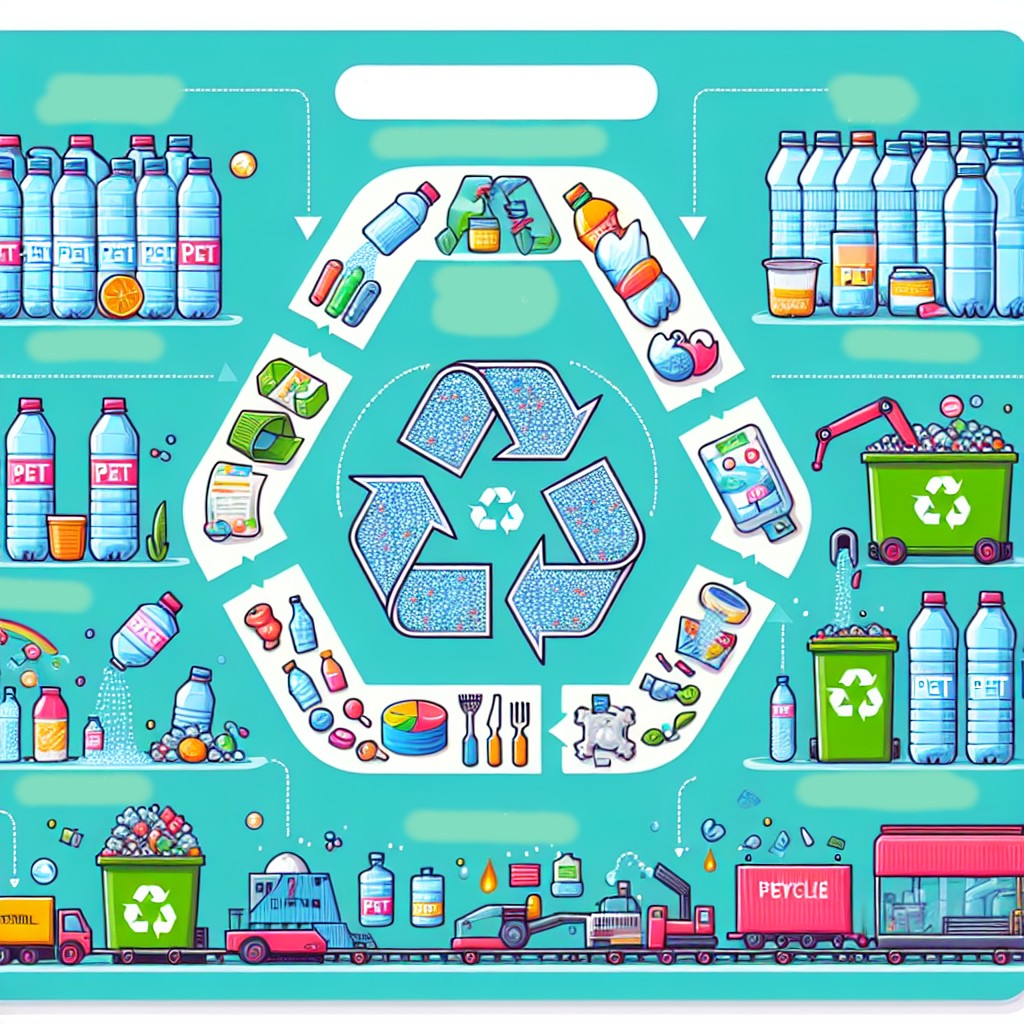
Polyethylene Terephthalate, known for its clarity and versatility, is ideal for manufacturing durable, lightweight parts. It is extensively used in exterior trim components, offering both aesthetic appeal and resilience. The choice between different thermoplastics depends on specific application requirements, including considerations for durability, weight, and cost constraints. These polymers enable manufacturers to innovate and enhance vehicle design and functionality by leveraging their unique benefits.
Advantages of Thermoplastics in Automotive Design
The advantages of using thermoplastics in car exteriors are manifold, beginning with their contribution to vehicle weight reduction. Modern car design prioritizes reducing weight to improve fuel efficiency, a critical factor in curbing emissions and meeting eco-friendly standards. Thermoplastics, being substantially lighter than metals, contribute significantly to this goal without compromising on durability or safety.
Another advantage is design flexibility, a feature that is particularly prized in modern automotive manufacturing. Thermoplastics allow for complex, intricate shapes that were previously challenging or impossible with metals. This flexibility translates into more aerodynamic designs, which directly influence vehicle performance and efficiency. Enhanced aerodynamics not only improve fuel economy but also provide designers with the creative latitude to explore and implement unique, attractive designs that appeal to consumers.
Cost-effectiveness is another compelling advantage. Since thermoplastics can be molded using more energy-efficient processes than metals, they lead to lower manufacturing costs. Furthermore, the recyclability of thermoplastic materials contributes to a reduction in overall lifecycle costs. Thermoplastics promote sustainability by allowing for the recycling of scrapped materials, minimizing waste, and reducing environmental impact. This aligns with trends towards circular economics in manufacturing, where resources are reused and repurposed rather than discarded.
The safety features of thermoplastics cannot be overlooked either. Their ability to absorb impact energy enhances passenger protection in crash situations. They can be strategically used in crumple zones, where energy absorption can reduce the force impact on passengers during collisions. The incorporation of thermoplastics into these critical safety areas demonstrates their utility beyond design and economy, extending their influence into the realm of passenger safety.
Challenges and Innovations
Despite their myriad benefits, deploying thermoplastics in car exteriors does come with challenges. One key challenge is related to heat sensitivity. Thermoplastics, by their nature, have lower melting points compared to metals, which can pose issues in high-temperature environments. Automotive manufacturers must carefully select specific types of thermoplastics that can withstand substantial thermal stress or employ special coatings to enhance their heat resistance.
Another challenge is achieving the necessary structural integrity for components typically subject to high stress. Metals have long been favored for structural components due to their strength; however, recent advancements in thermoplastic composites are taking strides in addressing these limitations. Innovations such as fiber-reinforced thermoplastics combine the polymer’s lightweight nature with enhanced strength and rigidity, making them suitable for more structural applications in vehicles.
Continual innovations in production processes also aid in overcoming these challenges. Techniques like injection molding, extrusion, and high-pressure thermoplastics manufacturing enable faster, more precise, and cost-effective production of complex parts. Developments in additive manufacturing, or 3D printing, using thermoplastics open new vistas in custom and small-scale production, providing more opportunities for bespoke car designs and personalized components.
Impact of Thermoplastics on Sustainability
As the automotive industry shifts focus towards sustainability, thermoplastics play a crucial role in minimizing the environmental footprint of car production. The recyclability of thermoplastic components aligns with efforts to enhance the sustainability of vehicle lifecycles. By enabling the production of lighter vehicles, thermoplastics contribute to reduced fuel consumption and lower emissions, improving the eco-friendliness of automotive operations.
Moreover, the utilization of thermoplastics supports the broader industry movement towards implementing circular economies. In a circular model, the lifecycle of materials is extended through reuse and recycling, significantly mitigating the negative environmental impact associated with traditional linear production models. By adopting thermoplastics, manufacturers can ensure that car components last longer and that end-of-life parts return into the production cycle rather than ending up as waste. This approach not only benefits the environment but also enhances company profiles and meets the rising consumer demand for sustainable products.
Influence on Consumer Preferences and Market Trends
The integration of thermoplastics in car exteriors has also been influenced by evolving consumer preferences. As vehicle buyers increasingly prioritize sustainability alongside aesthetics and functionality, thermoplastic applications respond to these shifts in market trends. Buyers are more inclined towards vehicles that combine stylish design with practical benefits like lower fuel costs and higher safety standards.
Additionally, the customization potential offered by thermoplastics is a growing trend. The ability to experiment with a variety of color and texture options enables manufacturers to offer more personalized vehicle designs, a feature increasingly sought after by consumers wanting unique, individualized vehicles. Thermoplastics lend themselves well to customizing aesthetics without incurring prohibitive costs, making personalized car options more accessible than ever before.
Conclusion
In conclusion, the use of thermoplastics in car exteriors marks a major step forward for the automotive industry. These materials provide a unique combination of lightness, strength, design flexibility, cost-effectiveness, and environmental sustainability. As automakers continue to face stringent regulatory standards and evolving consumer demands, thermoplastics will likely play an increasingly central role in car design and production. Their recyclability and energy-efficient manufacturing make them an ideal choice for manufacturers aiming to reduce costs and environmental impact without sacrificing quality or safety.
Advancements in material science and manufacturing technologies are set to expand the potential applications of thermoplastics in various facets of automotive manufacturing. The continued evolution of thermoplastic composites, alongside new production methods like 3D printing, promises further enhancements in performance and sustainability. As carmakers adapt to the challenges and opportunities presented by modern consumer preferences and ecological mandates, thermoplastics are poised to remain at the forefront of automotive innovation.
Ultimately, the adoption and integration of thermoplastics highlight a trend towards greater adaptability and resourcefulness within the industry, pointing towards a future where car manufacturing is not only more efficient but also more aligned with sustainable practices. This evolution presents a promising trajectory for achieving a balance between innovative design and eco-friendly transportation solutions in the automotive sector.
“`htmlFrequently Asked Questions
1. What are thermoplastics, and why are they used in car exteriors?
Thermoplastics are a type of plastic material that becomes pliable or moldable at a certain elevated temperature and solidifies upon cooling. They have become a popular choice for car exteriors due to their exceptional properties and benefits. Primarily, thermoplastics are lightweight, which contributes to the overall reduction in vehicle weight, improving fuel efficiency. They are also highly durable and resistant to impact, making them ideal for applications where the material might be subjected to significant stress or impact, such as bumpers and panels. In addition, thermoplastics offer excellent corrosion resistance and do not degrade over time like metals exposed to elements. They are also cost-effective in terms of production and provide significant design flexibility, allowing manufacturers to create innovative and complex shapes that enhance aerodynamic efficiency and aesthetic appeal.
2. How do thermoplastics contribute to the sustainability goals of the automotive industry?
Thermoplastics significantly contribute to the automotive industry’s sustainability efforts in several ways. Firstly, their lightweight nature reduces the overall mass of the vehicle, leading to lower fuel consumption and reduced greenhouse gas emissions. Since fuel efficiency is crucial in reducing the carbon footprint of vehicles, thermoplastics play a vital role in achieving environmental goals. Additionally, many thermoplastics are recyclable, enabling manufacturers to reduce waste and promote the use of recycled materials in new car models. This recyclability means that components made from thermoplastics can be reprocessed and reused, aligning with the circular economy model. Furthermore, the production process of thermoplastics generally requires less energy compared to traditional materials like metal, thus contributing to reduced energy consumption within the manufacturing phase.
3. Are there any specific thermoplastics commonly used in car exteriors?
Yes, several types of thermoplastics are commonly used in the automotive industry for car exteriors. Polycarbonate (PC) is frequently used for its strength and transparency, making it suitable for headlamp lenses and windows. Acrylonitrile Butadiene Styrene (ABS) is another popular choice due to its toughness and resistance to corrosion and impact. It is often used in trim components and body panels. Polypropylene (PP) is known for its balance of strength and ductility, making it suitable for bumpers, battery cases, and interior components. Thermoplastic Polyolefin (TPO) is an excellent choice for bumper covers and other exterior parts due to its high resistance to impact and flexibility. Each type of thermoplastic offers unique characteristics that make it suited for different applications, and manufacturers select materials based on requirements like desired durability, appearance, and performance.
4. What are the performance advantages of using thermoplastics in vehicle design?
The use of thermoplastics in vehicle design provides numerous performance advantages that enhance both the functionality and the aesthetics of cars. One of the key benefits is their lightweight nature, which helps improve acceleration, braking, and fuel efficiency. Lower vehicle weight can also reduce wear on tires and mechanical components. Moreover, thermoplastics’ excellent impact resistance ensures that exterior components can absorb and dissipate energy during minor collisions, reducing damage to the car’s structure and improving safety. The adaptability of thermoplastics allows for the integration of additional features, such as improved noise, vibration, and harshness (NVH) control systems, which contribute to a quieter and smoother ride. Additionally, these materials can be engineered to have specific properties like UV resistance and color stability, ensuring that the exterior finishes remain vibrant and durable over time.
5. How do thermoplastics influence the design flexibility of car exteriors?
Thermoplastics significantly enhance the design flexibility of car exteriors due to their malleability and processing options. Unlike metals, which often require complex fabrication processes, thermoplastics can be easily shaped into intricate forms through various molding techniques such as injection molding or thermoforming. This allows designers to create panels with complex geometries and integrated features that would be difficult or expensive to achieve with traditional materials. The ability to mold thermoplastics into continuous, seamless panels ensures a smoother, more aerodynamic surface that can improve vehicle efficiency. Furthermore, due to the wide range of available color and texture options, designers can achieve bold and distinctive aesthetic elements without the need for additional surface treatments or painting processes. This capability to innovate in form and function allows automotive manufacturers to achieve new levels of creativity and performance in their vehicle designs.
“`