Polymers shape nearly every piece of high-performance sports gear, from carbon-fiber bike frames bound by epoxy resins to running shoes cushioned with expanded thermoplastic foams. In practical terms, a polymer is a material made of long repeating molecular chains, either used alone, blended with additives, or reinforced with fibers to deliver a targeted mix of strength, flexibility, grip, weight reduction, and durability. For athletes and equipment designers, that matters because marginal gains often come from materials engineering rather than from visible design changes. A lighter tennis racket can improve swing speed, a helmet liner can better manage impact energy, and a swimsuit fabric can reduce drag by tiny percentages that still decide medals. I have worked with product teams evaluating polymer components for wear, compression set, and environmental exposure, and the same pattern appears across categories: the best gear performs because the polymer system is matched to the sport’s movement, load, and climate.
This article serves as a hub for industry-specific case studies within sports applications, showing how polymers influence footwear, protective equipment, apparel, water sports, cycling, and racquet sports. It also clarifies important terms. Thermoplastics soften when reheated and can often be remolded; thermosets cure into permanent networks and usually deliver better heat resistance and dimensional stability; elastomers stretch and recover, making them essential for grips, seals, and impact mitigation. Composite systems combine polymers with fibers such as carbon or glass to produce stiffness at low mass. Understanding these categories helps explain why one polymer excels in a ski boot shell while another is chosen for a mouthguard, and why processing methods such as injection molding, compression molding, lamination, and additive manufacturing affect final performance as much as chemistry does.
Why Polymers Dominate Modern Sports Equipment
Polymers dominate modern sports equipment because they let engineers tune properties more precisely than metals, wood, leather, or natural rubber alone. Density is a major reason. Nylon, polyurethane, polyethylene, EVA, TPU, and polycarbonate all offer useful mechanical performance at much lower weight than steel or aluminum, while composites based on epoxy or thermoplastic matrices can reach exceptional stiffness-to-weight ratios. In elite sport, reducing mass without sacrificing control is often the difference between faster acceleration and sluggish response. That is why polymer-based midsoles transformed distance running, and why carbon composite structures became standard in performance bicycles, hockey sticks, rowing shells, and racing wheelsets.
Another reason is energy management. In field tests, athletes consistently notice the difference between a polymer that merely feels soft and one that returns energy efficiently over repeated cycles. Expanded TPU foams, PEBA-based foams, and supercritical processed elastomer foams are used because they compress under load yet rebound quickly, helping preserve running economy over long distances. In protective gear, the design goal changes: instead of springing back instantly, the polymer must absorb and dissipate energy through controlled deformation. Expanded polypropylene, vinyl nitrile foams, and rate-sensitive systems such as D3O-type materials are common because they respond differently at different impact speeds. This ability to tailor viscoelastic behavior gives polymers a unique advantage.
Manufacturing flexibility matters just as much. Injection molding makes repeatable cleats, helmet shells, and fin components at scale. Thermoforming creates custom orthopedic and protective parts. Resin transfer molding and prepreg layup produce thin composite sections with precise fiber orientation. Welding, overmolding, and bonding make hybrid assemblies possible, such as ski boots with rigid shells, softer cuffs, and rubberized walk zones. Because the same gear line may need elite, midrange, and youth versions, polymers also help companies control cost tiers by changing resin grade, filler content, or molding complexity while preserving the product architecture.
Case Studies in Footwear Performance
Footwear is the clearest example of polymer innovation changing athletic performance at scale. The modern running shoe uses multiple polymer systems in one compact platform: a foam midsole for cushioning and rebound, a rubber or TPU-rich outsole for traction, a thermoplastic plate for stiffness control, adhesives for layer bonding, and engineered mesh yarns often made from polyester or nylon. The most discussed development of the last decade has been high-rebound foams built from PEBA and advanced TPU formulations. Laboratory testing by independent reviewers and brand data consistently show lower density and higher resilience than traditional EVA, helping runners maintain pace with less energy loss. Combined with a curved carbon-fiber plate embedded in the polymer matrix structure, these shoes changed marathon racing and led governing bodies to tighten stack-height rules.
Studded field footwear shows a different polymer challenge. Soccer boots, rugby boots, and American football cleats must balance traction, rotational release, and durability under abrasive contact. Pebax and nylon derivatives are often used in soleplates because they provide stiffness with low weight, while strategically softer TPU elements support stud mounting and flex zones. When teams test prototypes, they often see that a soleplate that is too rigid improves sprint force transfer but increases stud pressure and discomfort over ninety minutes. Polymer selection therefore becomes a biomechanical decision, not just a materials decision.
In basketball, cushioning foams face high lateral loads and repeated compression. Here, compression set and shear stability matter more than pure softness. Polyurethane systems historically offered durable cushioning, but newer bead foams and supercritical foams provide lighter constructions with tuned rebound. Brands now tune compounds for guards, forwards, and indoor versus outdoor use, proving that polymer formulation can be athlete-specific and surface-specific.
Case Studies in Helmets, Pads, and Impact Protection
Protective gear depends on polymers because impact protection is fundamentally a materials problem involving force attenuation, peak acceleration, and recovery after repeated hits. A helmet is not one material. It is a system built from a rigid shell, usually polycarbonate or ABS; an energy-absorbing liner, often expanded polystyrene or expanded polypropylene; comfort foams and textile layers; and retention components made from polyamide, acetal, and elastomeric straps. The shell spreads local force and resists penetration, while the liner crushes or deforms to lower transmitted energy to the head. Standards bodies such as ASTM, NOCSAE, CPSC, and EN regulators define test conditions, but passing a standard is only the starting point. Better polymer engineering improves oblique impact management, heat stability, and consistency from one production lot to the next.
Football shoulder pads, shin guards, and cycling back protectors show how layered polymer systems outperform single-material parts. A shin guard, for example, may combine a polypropylene or composite outer shell with an EVA or PU foam backing. The shell distributes the strike from a boot or stick; the foam lowers concentrated pressure on the tibia. In mountain biking and snow sports, flexible viscoelastic pads have become popular because they remain pliable during motion yet stiffen under sudden impact. That solves a long-standing compliance problem: athletes wear protective gear more consistently when it is comfortable enough to forget during play.
| Sports gear category | Common polymer systems | Primary performance benefit | Typical tradeoff |
|---|---|---|---|
| Running shoe midsoles | PEBA, EVA, expanded TPU | Energy return and low weight | Higher cost or lower stability |
| Helmet liners | EPS, EPP | Impact energy absorption | Single-impact or bulk limitations |
| Bike frames | Epoxy-carbon composites | High stiffness-to-weight ratio | Complex repair and inspection |
| Swimwear and apparel | Elastane, polyester, polyurethane coatings | Compression, fit, drag reduction | Heat and chlorine degradation |
| Racket strings and grips | Nylon, polyester, polyurethane | Control, durability, comfort | Arm stress or tension loss |
Case Studies in Apparel, Compression, and Swim Technology
Sports apparel may look simple, but high-performance garments are complex polymer assemblies. Base fabrics are usually polyester or nylon because they manage moisture better than cotton, dry quickly, and tolerate repeated laundering. Elastane provides stretch and recovery, allowing compression garments to maintain close contact with the body. Polyurethane membranes and coatings add water resistance or wind protection without making the garment fully rigid. In competition swimwear, tightly woven synthetic yarns and low-friction coatings can reduce water absorption and surface drag. Full-body polyurethane-enhanced suits became so effective that swimming authorities restricted them, a reminder that polymer performance can exceed what a sport considers acceptable equipment assistance.
Compression apparel is another useful case study because marketing often outruns evidence. The polymer science is straightforward: elastomeric fibers generate graduated pressure, helping fit, reducing fabric movement, and improving perceived support. However, performance outcomes vary by sport and use case. Recovery benefits may be more consistent than direct speed gains during competition. When evaluating fabrics, teams should look at elongation, recovery, moisture vapor transmission, seam durability, and abrasion resistance rather than relying on broad claims about circulation or power output. In hot-weather sports, the best polymer garment is not always the tightest one; thermal burden, breathability, and evaporative cooling can matter more than extra compression.
Outdoor sportswear introduces another set of tradeoffs. Waterproof-breathable laminates often use expanded fluoropolymer or polyester-based membranes paired with durable water repellent finishes. These garments protect runners, cyclists, and skiers in variable conditions, but contamination from oils, sunscreen, and dirt can reduce breathability and wet-out resistance. Maintenance therefore becomes part of performance. Cleaning and reproofing are not cosmetic steps; they restore how the polymer surface manages liquid water and vapor transfer.
Case Studies in Cycling, Racquet Sports, and Water Sports
Cycling shows the power of polymer composites more clearly than almost any other sport. Carbon-fiber reinforced polymer frames, forks, rims, and cockpits dominate elite road racing because the matrix resin locks fibers in orientations tuned for bottom-bracket stiffness, steering precision, and vertical compliance. Epoxy remains the most common matrix for top-end thermoset composites, though thermoplastic composites are gaining interest for impact toughness and faster manufacturing. The advantage is not simply that carbon is light. The real benefit is anisotropy: engineers can place stiffness where power transfer matters and allow controlled flex where comfort matters. That is why two frames with similar weight can ride very differently.
Racquet sports provide a parallel example. Tennis and badminton racquets use graphite-epoxy composites, nylon grommets, polyurethane grips, and polyester or multifilament strings. Material choice changes feel as much as measured performance. Polyester strings deliver control and spin durability, but they are stiffer and can increase arm discomfort for some players. Multifilament nylon strings offer a softer response but lose tension faster. In my experience reviewing player feedback alongside lab measurements, there is rarely a universally superior setup; the right polymer system depends on swing speed, injury history, and playing surface.
In water sports, polymers must survive UV exposure, salt, flex fatigue, and hydrolysis. Surfboards commonly use polyurethane or expanded polystyrene cores with fiberglass-reinforced resin skins. Kayaks often rely on rotomolded polyethylene for impact toughness and cost efficiency, while high-end racing boats move toward composite laminates. Wetsuits use neoprene or limestone-based foam alternatives laminated to textile facings for insulation and flexibility. Here, durability is often the deciding factor. A polymer that performs brilliantly in a lab but degrades after sun exposure or repeated saltwater immersion is not high performance in any meaningful field definition.
How Brands Evaluate Polymer Choices and What Comes Next
The most effective sports brands do not choose polymers by headline properties alone. They build a test matrix around the use case. For shoes, that means rebound, hardness, abrasion, flex fatigue, hydrolysis resistance, and cold-temperature behavior. For helmets, it means impact attenuation across multiple energies, shell cracking, retention strength, and aging under heat and UV. For composites, it includes interlaminar shear, fatigue life, void content, and damage tolerance after low-velocity impacts. Tools such as differential scanning calorimetry, dynamic mechanical analysis, Instron mechanical testing, CT scanning, and finite element analysis help translate chemistry into athlete-relevant performance.
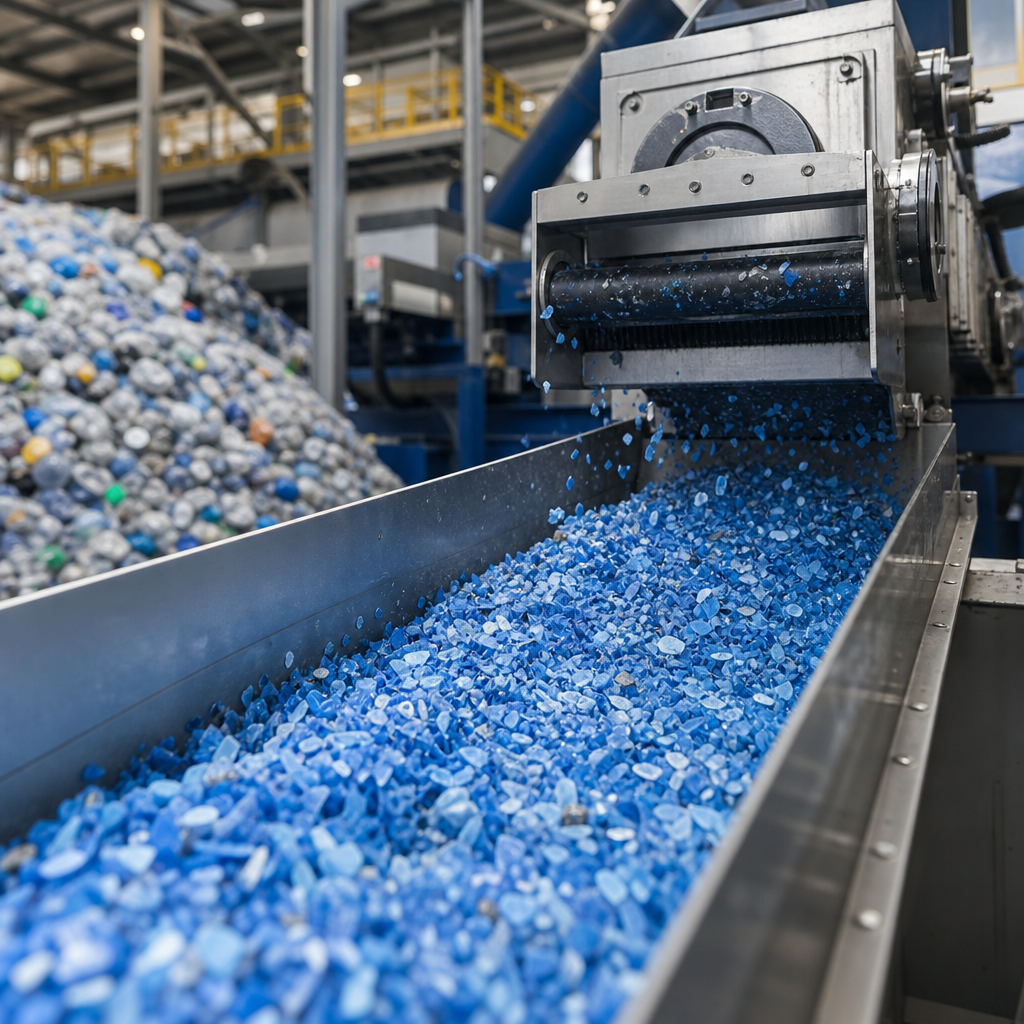
Sustainability is the next major pressure on polymer selection, but the transition is technically complicated. Bio-based polyamides, recycled polyester, recycled TPU, and thermoplastic composite routes are expanding, yet performance must remain consistent across batches and climates. Mechanical recycling can shorten polymer chains and change viscosity; chemical recycling can restore feedstocks but adds cost and infrastructure demands. The strongest product strategies now focus on design for disassembly, mono-material simplification where possible, repairability, and longer service life. In sports gear, the greenest option is often the product that performs safely for more seasons before replacement.
The core lesson across these industry-specific case studies is simple: polymers are not background materials; they are the engine of modern sports gear performance. They determine how shoes return energy, how helmets absorb impact, how apparel manages moisture and compression, how bikes convert force into speed, and how water-sport equipment survives punishing environments. For teams, buyers, and product developers, the smart approach is to evaluate polymer systems in context rather than chasing buzzwords or one-number claims. Match the material to the athlete, sport, load case, climate, and maintenance reality. Then use this hub as a starting point to explore deeper case studies across each category and make better equipment decisions with confidence.
Frequently Asked Questions
1. Why are polymers so important in high-performance sports gear?
Polymers are essential because they give engineers precise control over the properties that matter most in sport: weight, strength, flexibility, impact protection, grip, moisture management, and long-term durability. At a basic level, polymers are materials made from long repeating molecular chains, but in practice they are far more versatile than that definition suggests. They can be used as soft foams in running midsoles, tough shells in helmets, elastic fibers in compression apparel, adhesive matrices in composite bike frames, and wear-resistant surfaces in rackets, skis, and protective equipment. That flexibility lets manufacturers fine-tune gear for the exact demands of a sport rather than relying on one-size-fits-all materials.
For athletes, the value of polymers often comes down to marginal gains that add up. A lighter bike frame can improve climbing efficiency and handling. A responsive shoe foam can help reduce energy loss with every stride. A polymer-enhanced tennis string or golf club component can improve feel, consistency, and vibration control. In safety gear, advanced polymers can absorb and disperse impact forces more effectively, helping reduce injury risk while keeping the equipment light enough to wear comfortably. The result is gear that not only performs better in laboratory testing, but also feels faster, more stable, and more forgiving in real-world competition.
2. How do polymers improve the performance of running shoes, bikes, and other elite sports equipment?
Polymers improve performance by enabling material behavior that would be difficult or impossible with traditional materials alone. In running shoes, expanded thermoplastic foams and other engineered polymer compounds deliver cushioning with very low weight, while also returning a portion of the energy applied during foot strike. That combination of softness, resilience, and responsiveness has fundamentally changed distance running footwear. Designers can also vary foam density, geometry, and layering to create shoes for sprinting, marathon racing, trail running, or everyday training, all using related polymer technologies.
In cycling, polymers are often the hidden enablers behind composite construction. Carbon-fiber frames, wheels, and components depend on polymer resins, typically epoxy systems, to bind the fibers together and transfer loads efficiently. The fibers provide much of the stiffness and strength, but the polymer matrix is what holds the structure in place, distributes stress, and helps resist fatigue and environmental exposure. In other sports, polymers serve similar roles: ski boots rely on engineered plastics for stiffness and fit, helmets use foamed polymers to manage impact energy, and racquets use polymer composites to balance power with control. What makes polymers especially powerful is that they can be customized at the molecular, formulation, and structural level, allowing designers to target very specific performance outcomes such as rebound, damping, abrasion resistance, or thermal stability.
3. Are polymer-based sports materials durable enough for intense training and competition?
Yes, when they are properly selected and engineered, polymer-based materials can be extremely durable under demanding conditions. One reason polymers are widely used in elite gear is that they can be designed to resist repeated mechanical stress, moisture, UV exposure, temperature swings, and surface wear. For example, high-performance polyurethane coatings can protect against abrasion, thermoplastics can endure repeated flexing, and composite resin systems can maintain structural integrity through thousands of load cycles. In many applications, polymers actually outperform traditional materials because they combine durability with lower weight and better resistance to corrosion.
That said, durability depends heavily on the specific polymer system, how the product is manufactured, and how it is used. A race-day shoe optimized for speed may not be built to last as long as a heavier training shoe, because the priorities are different. Similarly, a carbon-composite bike frame is very strong in intended load directions, but like any advanced material, it can be vulnerable to certain types of impact damage if mishandled. Consumers should also remember that polymers age differently depending on heat, sunlight, sweat, cleaning chemicals, and storage conditions. High-end sports gear can be remarkably robust, but performance products are often tuned around a balance of weight, feel, and lifespan rather than maximum ruggedness alone. That is why maintenance and correct use remain just as important as the material itself.
4. What is the difference between a basic plastic and the advanced polymers used in sports gear?
The difference lies in formulation, structure, and performance targets. A basic commodity plastic is usually designed for general-purpose applications such as packaging or household goods, where low cost and easy processing are the main priorities. Advanced polymers used in sports gear are much more specialized. They may be blended with impact modifiers, reinforced with glass or carbon fibers, expanded into lightweight foams, cross-linked for greater stability, or combined with additives that improve grip, UV resistance, flame resistance, or fatigue life. In other words, the material is engineered not just to exist in a product, but to actively contribute to athletic performance.
Another important distinction is that sports polymers are often part of a full material system rather than a single standalone plastic. A bike frame may combine carbon fibers, epoxy resin, toughening agents, and carefully controlled layup architecture. A football boot may include a polymer upper, a thermoplastic plate, elastomeric traction elements, and foam inserts working together as one integrated design. Even within shoes, the outsole, midsole, upper, heel counter, and cushioning units may all use different polymer chemistries tailored to their function. So while “plastic” is often used as a broad everyday term, the polymers in high-performance sports equipment are highly engineered materials chosen for precise mechanical and sensory outcomes such as rebound, stiffness, comfort, and control.
5. Are there sustainability concerns with polymers in sports gear, and how is the industry responding?
Yes, sustainability is a major concern because many high-performance polymers are derived from petrochemicals, can be difficult to recycle, and are often used in multi-material products that are hard to separate at end of life. Sports gear poses a particular challenge because performance demands are so strict. Shoes, helmets, racquets, and composites often rely on complex assemblies of foams, adhesives, fabrics, coatings, and reinforcements. That complexity improves athletic performance, but it can make repair, reuse, and recycling much more difficult. Durability is also a double-edged issue: longer-lasting products can reduce replacement frequency, but some cutting-edge items are intentionally optimized for elite performance rather than maximum lifespan.
The industry is responding in several ways. Brands are increasing the use of recycled polymers in apparel, footwear components, and accessory products. Some are developing bio-based polymer feedstocks, recyclable thermoplastic composites, and mono-material designs that are easier to recover at end of life. Others are investing in take-back programs, repair services, and manufacturing methods that reduce scrap and energy use. Progress is real, but it is not uniform across all categories, and there is still tension between top-tier performance and circular design. The most promising path forward is likely a combination of smarter material selection, better product architecture, improved recycling infrastructure, and more transparency about trade-offs. For athletes and consumers, that means the question is no longer just whether polymers improve performance, but how they can do so in a way that also supports long-term environmental responsibility.