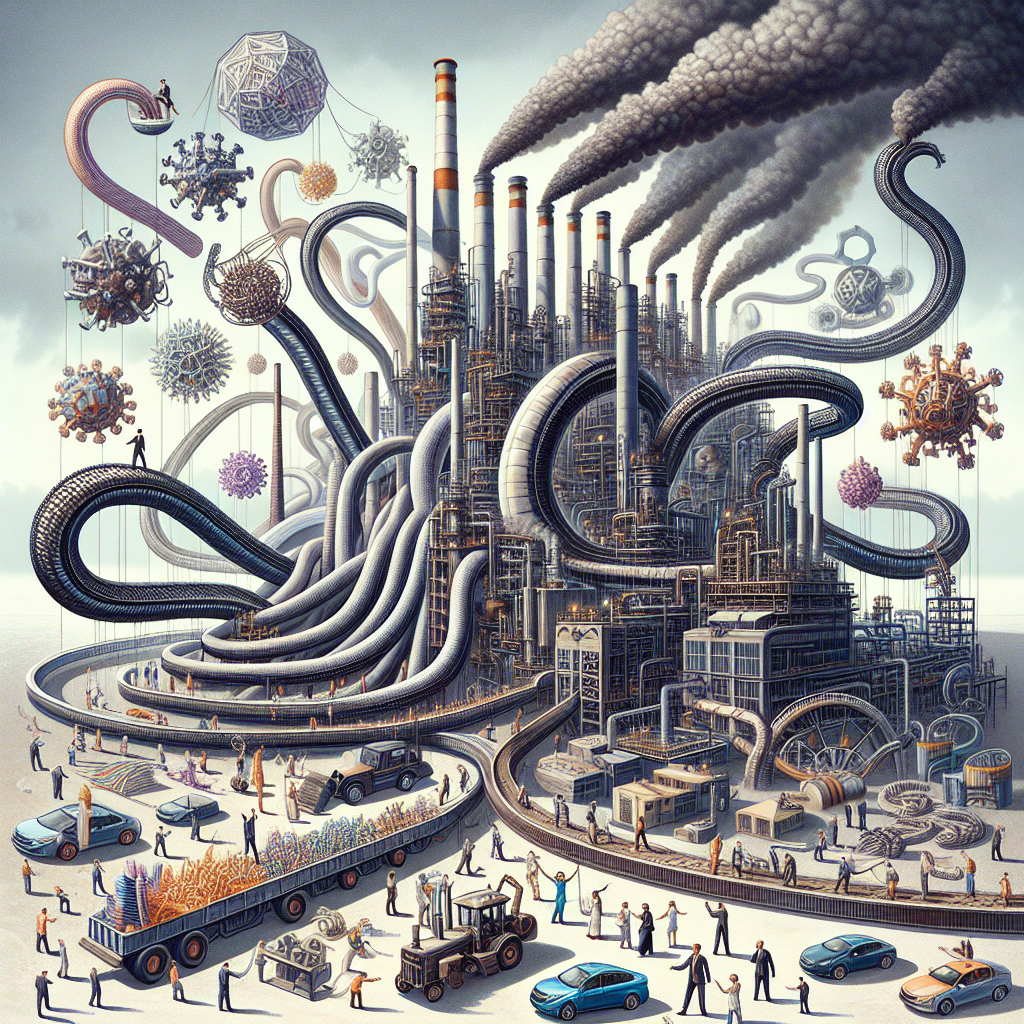
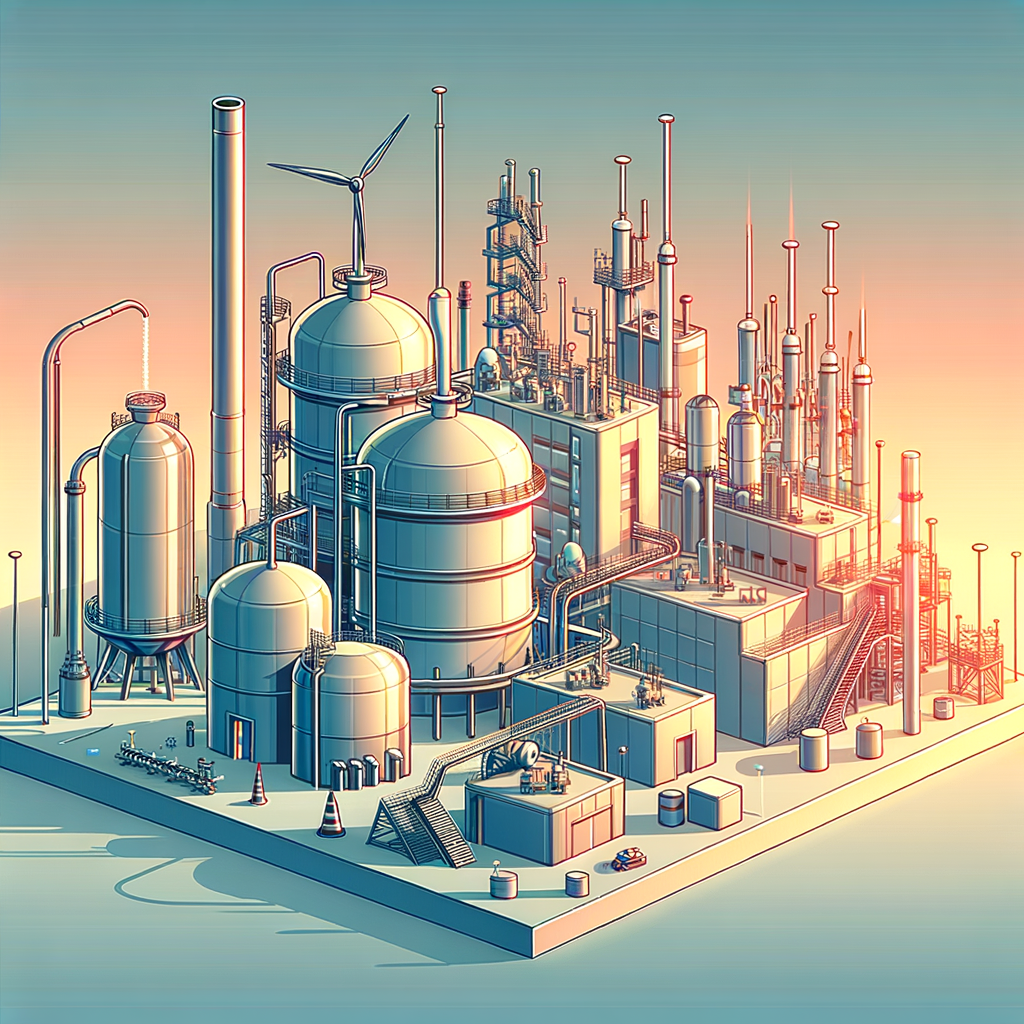
Polymer manufacturing is a crucial industry that significantly impacts everyday life by providing essential materials for a wide variety of applications, ranging from packaging and automotive components to medical devices and beyond. To understand the landscape of polymer production, it’s vital to examine the techniques employed in different regions around the world. These regional variations arise due to a combination of factors, including availability of raw materials, environmental regulations, technological advancements, and cultural influences. By exploring these aspects, we gain a comprehensive understanding of how polymer manufacturing techniques differ globally, influencing both local economies and the global market.
Over the past few decades, the demand for polymers has surged, leading to innovations and adaptations in production methods to meet specific regional needs. Each region has developed its own unique approach, shaped by available resources, industrial priorities, and local expertise. Some regions focus on traditional methods due to cost-effectiveness and resource availability, while others adopt cutting-edge technologies to enhance efficiency and sustainable practices. This diversity in techniques not only highlights the ingenuity of the industry but also underscores the importance of adapting methodologies according to regional specifics.
This examination of regional variations in polymer manufacturing techniques offers valuable insights into the global polymer industry’s dynamic nature. Understanding these variations helps stakeholders, including manufacturers, policymakers, and researchers, to make informed decisions that cater to both regional and global markets. As we delve deeper into the details, we uncover the interplay between regional influences and technological progression in shaping the future of polymer manufacturing worldwide.
Regional Influences on Polymer Manufacturing Techniques
Several factors contribute to the regional differences observed in polymer manufacturing, with the availability of raw materials being one of the most significant. For instance, regions abundant in crude oil, such as the Middle East, leverage this resource for the production of synthetic polymers. The region’s access to cheap oil translates into cost-effective polymer production, enabling producers to use processes like thermal cracking and polymerization to convert oil derivatives into a variety of polymers. In contrast, Europe often faces higher oil prices, prompting a greater focus on recycling and biopolymers derived from renewable sources like starch or cellulose, to reduce dependency on fossil fuels.
Environmental regulations also play a crucial role in shaping polymer manufacturing methods. North America, for example, enforces stringent environmental guidelines, which have pushed manufacturers toward more sustainable practices, such as the use of biodegradable polymers and advanced recycling techniques. These regulations impose limits on emissions and waste, compelling companies to invest in technologies that minimize environmental impact. Consequently, regions with rigorous environmental standards often pioneer advancements in eco-friendly polymer production, setting benchmarks for other areas to follow.
Technological advancements further differentiate regional polymer manufacturing techniques. East Asia, particularly China and Japan, is known for its rapid technological development and innovation in polymer production. These countries have made significant investments in research and development, focusing on creating high-performance polymers with specialized properties for electronics and automotive industries. Techniques such as atomic layer deposition and controlled radical polymerization are more prevalent in East Asia, reflecting the emphasis on precision and innovation driven by competitive market demands.
The cultural attitudes toward innovation and risk-taking also influence regional approaches to polymer manufacturing. In regions like the United States, where there is a strong culture of entrepreneurship and innovation, companies are more inclined to adopt novel manufacturing techniques and explore new polymer applications. This cultural backdrop fosters an environment where experimentation with emerging technologies such as 3D printing and nanotechnology can thrive, leading to breakthroughs in polymer production.
Moreover, economic factors such as the availability of skilled labor and capital investments shape the choice of manufacturing techniques. Western Europe, with its well-established industrial base and emphasis on high-quality manufacturing, tends to favor techniques that require skilled expertise, such as precision extrusion and advanced molding technologies. By contrast, developing regions might rely on more labor-intensive and less technologically advanced methods due to cost constraints and access to resources.
Techniques in Different Regions
The polymer manufacturing landscape features diverse techniques tailored to the specific conditions of each region. In North America, extrusion remains a dominant technique, enhanced by innovations in die design and process control to produce uniform and high-quality products. The region’s focus on large-scale production and resource efficiency has led to continuous improvements in extrusion technology to reduce energy consumption and material waste.
In Europe, the emphasis on sustainability has seen a surge in the use of biopolymers. Endothermic and exothermic foaming processes have gained traction in the production of biodegradable packaging materials, aligning with the EU’s Circular Economy Action Plan. Techniques that incorporate renewable resources are increasingly prevalent, driven by consumer demand for sustainable products and stringent environmental policies.
In Asia, especially China, injection molding is a widely used technique due to its versatility and suitability for mass production. Chinese manufacturers have honed this technique by incorporating automation and robotics to boost production efficiency and decrease labor costs. The integration of Artificial Intelligence (AI) into injection molding systems allows for predictive maintenance and optimization, enhancing overall productivity.
India, with its rich agricultural base, has seen a growing interest in polymers derived from natural materials such as jute and coir. Traditional techniques, complemented by modern processing technology, have propelled the development of natural fiber composites, offering an alternative to synthetic polymers in specific applications such as automotive interiors and construction.
In the Middle East, the production of polyolefins, especially polyethylene and polypropylene, benefits significantly from the region’s petrochemical resources. Techniques such as gas-phase polymerization have been optimized to capitalize on the availability of gaseous hydrocarbons, resulting in efficient and cost-effective production processes. These techniques enable producers to maintain competitiveness in international markets by delivering high volumes of standard and specialty grades.
Latin America’s polymer manufacturing sector is characterized by the use of labor-intensive processes, although technological adoption is on the rise. In countries like Brazil, where natural resources are abundant, bio-based polymers from sugarcane are gaining momentum. Techniques suited for processing bio-based feedstocks, such as anaerobic digestion and fermentation, are increasingly implemented to produce environmentally friendly biopolymers.
Challenges and Opportunities
Despite the advances in polymer manufacturing techniques worldwide, several challenges remain. One of the most pressing issues is the environmental impact of polymer production. Many regions still rely heavily on fossil fuels, contributing to greenhouse gas emissions and pollution. As awareness of these impacts grows, there is an urgent need for the industry to adopt greener practices and materials.
Opportunities arise from these challenges as well. The increasing demand for sustainable and biodegradable polymers is driving innovation and investment in research and development. Companies and regions that can develop efficient processes for producing biopolymers stand to gain a competitive edge in the market. Additionally, advancements in recycling technologies offer considerable opportunities to transform waste into valuable resources, aligning with global sustainability goals.
Economic factors, such as fluctuations in raw material prices, also pose challenges for polymer manufacturers, particularly those in regions dependent on imported materials. Developing supply chain efficiencies and diversifying sources of raw materials could mitigate these risks and stabilize production costs.
Conclusion
In conclusion, the landscape of polymer manufacturing is marked by significant regional variations, shaped by a multitude of factors including raw material availability, environmental regulations, technological advancements, and cultural influences. These differences result in a rich tapestry of techniques that reflect the diverse priorities and challenges faced by manufacturers worldwide. From sustainable biopolymers in Europe to technologically advanced processes in Asia, the global polymer industry is continually evolving to meet regional and global needs.
As the demand for polymers grows, driven by emerging applications and heightened consumer awareness of environmental issues, the importance of understanding these regional variations becomes ever more critical. By adapting to innovations and embracing sustainable practices, the polymer manufacturing industry can continue to thrive, paving the way for future advancements. Cooperative efforts across regions, along with investments in technology and sustainability, will be essential in overcoming challenges and harnessing opportunities in this dynamic field.
Ultimately, exploring the regional variations in polymer manufacturing techniques not only enhances our understanding of the current landscape but also informs strategies for future growth and development. By leveraging local strengths and global trends, the industry can effectively navigate the complex challenges it faces, ensuring continued progress and innovation in polymer production worldwide.