The polymer industry remains one of the most significant and dynamic sectors in modern manufacturing. Among the various types of polymers, elastomers play a particularly essential role due to their versatile applications. Elastomers, which include natural rubber, synthetic rubbers like neoprene, and other flexible polymers, are indispensable in numerous products from automotive tires to medical devices. However, the production and lifecycle of elastomers also introduce several environmental impacts that deserve careful attention. Understanding these impacts is crucial for developing sustainable practices and mitigating negative effects on our planet.
Introduction: What Are Elastomers?
Elastomers are a type of polymer known for their elastic properties. This means that they can undergo significant deformations and return to their original shape when the applied stress is removed. Common examples of elastomers include natural rubber, synthetic rubber, silicones, and polyurethanes. These materials have found widespread use in a variety of industries due to their flexibility, resilience, and ability to form tight seals.
Natural rubber is derived from the latex of rubber trees, while synthetic rubbers are typically produced through the polymerization of monomers such as butadiene and styrene. The properties of elastomers can be finely tuned by adjusting the chemical composition and the cross-linking density, making them highly versatile materials. Examples of products made from elastomers include automotive tires, conveyor belts, gaskets, hoses, footwear, and sports equipment.
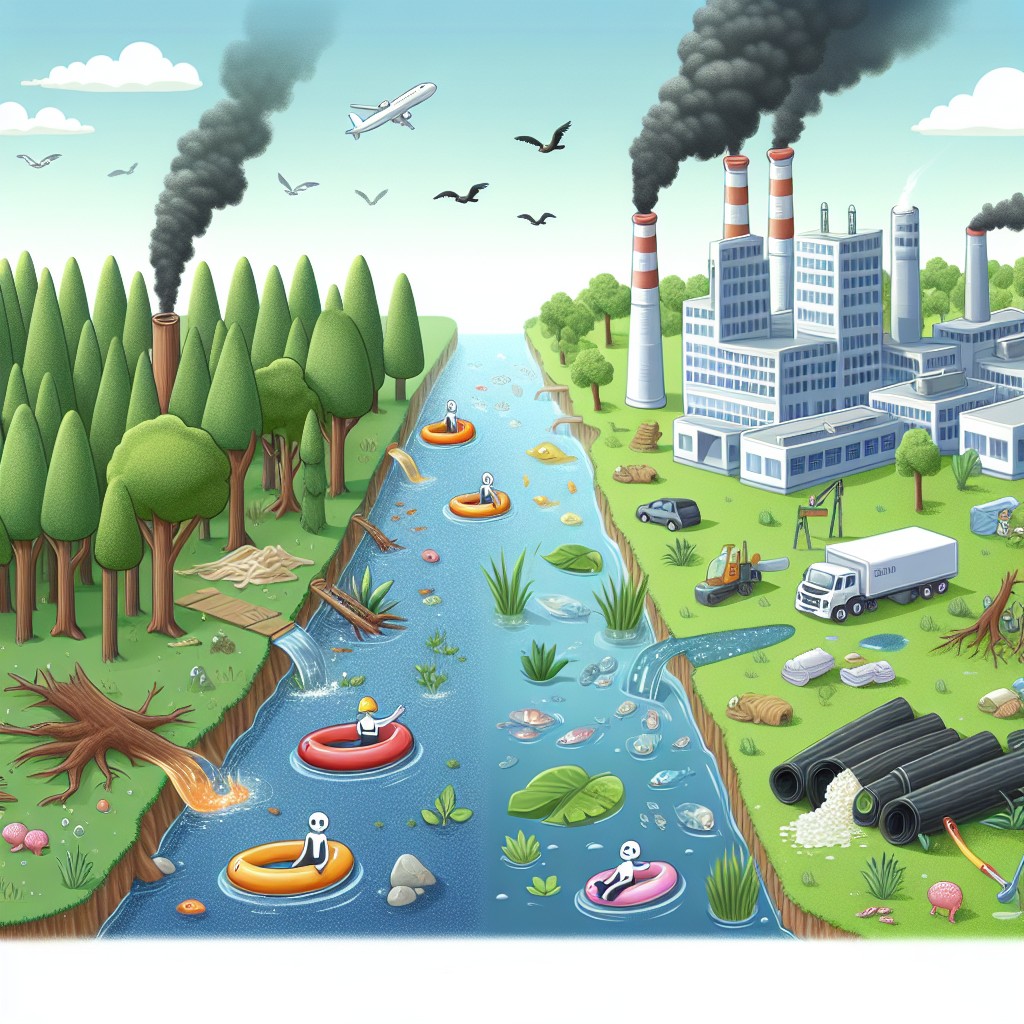
The production of elastomers involves several stages, including raw material extraction, polymerization, compounding, and molding or extrusion into final products. Each of these stages has its own set of environmental impacts, from deforestation for rubber plantations to emissions of volatile organic compounds (VOCs) during processing. The longevity and disposal of elastomer products also contribute to their environmental footprint, often ending up in landfills where they can persist for decades or longer.
Environmental Impact of Raw Material Extraction
The environmental impact of elastomer production begins with the extraction of raw materials. For natural rubber, this means tapping rubber trees, primarily in tropical regions. Rubber plantations can lead to deforestation and habitat loss, reducing biodiversity and disrupting ecosystems. Additionally, rubber tapping involves the use of chemical agents, which can have detrimental effects on the surrounding environment.
In the case of synthetic rubbers, the raw materials are often derived from petroleum-based chemicals. The extraction and refining of crude oil are associated with greenhouse gas emissions, water pollution, and land degradation. This contributes to climate change and environmental pollution, presenting a significant challenge for the sustainability of synthetic elastomers.
Moreover, synthetic rubber production involves the use of various chemicals that can be hazardous to both human health and the environment. For example, the polymerization process often releases VOCs, which contribute to air pollution and can have harmful short-term and long-term health effects. The production of these chemicals also consumes substantial amounts of energy, further increasing the carbon footprint of synthetic rubber.
The extraction of raw materials is just the beginning of the environmental challenges associated with elastomer production. As we move to the next stages, we will see how these impacts compound and what measures can be taken to mitigate them.
Energy Consumption and Emissions in Production
The process of converting raw materials into usable elastomers is energy-intensive and generates various emissions. The polymerization process requires significant amounts of heat and electricity, leading to high energy consumption. This energy is often sourced from fossil fuels, contributing to carbon emissions and climate change.
The production of synthetic rubbers, for example, involves several steps including the chemical synthesis of monomers, polymerization, and subsequent processing. Each step consumes energy and may produce emissions. The use of catalysts and other chemical agents in the production process can also lead to the release of pollutants, including sulfur compounds and nitrogen oxides, which contribute to air quality degradation.
In addition to carbon emissions, the production process can release hazardous waste materials. Effluents from chemical manufacturing plants can contaminate water sources, affecting both human populations and wildlife. Proper management and treatment of these effluents are critical to minimize environmental damage.
Efforts are underway to make elastomer production more sustainable. For example, some manufacturers are exploring the use of renewable energy sources, such as solar or wind power, to reduce the carbon footprint of their operations. Advancements in chemical recycling technologies also hold promise for reducing waste and emissions associated with elastomer production.
Moving forward, it is important for the industry to continue seeking out innovative solutions that balance the need for elastomers with the imperative to protect and preserve the environment. In the next section, we will explore the role of additives and their environmental consequences.

Additives and Their Environmental Consequences
To enhance the properties of elastomers, various additives are incorporated during the compounding stage. These additives can include fillers, plasticizers, stabilizers, and curing agents. While these substances can improve the performance and durability of elastomer products, they also pose environmental challenges.
One of the most commonly used types of additives is carbon black, a fine carbon powder that reinforces the elastomer matrix. Carbon black production is energy-intensive and results in significant carbon dioxide emissions. Furthermore, the fine particles of carbon black can contribute to air pollution and pose respiratory health risks when inhaled.
Plasticizers and other chemicals added to elastomers can leach out over time, leading to environmental contamination. Phthalates, a type of plasticizer commonly used in elastomers, have been linked to various health issues, including endocrine disruption and developmental problems. These substances can accumulate in the environment and potentially enter the food chain, posing long-term risks to both ecosystems and human health.
Curing agents used in the vulcanization process, such as sulfur and peroxides, can also have environmental implications. The byproducts of vulcanization can include hazardous substances that need to be carefully managed to prevent environmental contamination. As with other aspects of elastomer production, the use of these additives requires careful consideration and management to mitigate their environmental impact.
To address these challenges, researchers are exploring alternative additives that are less harmful to the environment. Biodegradable and bio-based additives offer potential pathways for reducing the environmental footprint of elastomer products. Additionally, advancements in compounding technologies are making it possible to achieve similar performance characteristics with lower amounts of harmful additives.
The role of additives in elastomer production highlights the complexity of achieving sustainability in this industry. While these substances enhance the properties of elastomers, they also introduce environmental risks that must be managed proactively. Now, let’s take a closer look at the end-of-life considerations for elastomer products.
End-of-Life and Disposal Challenges
Elastomer products have relatively long lifespans, but their eventual disposal presents significant environmental challenges. Traditional disposal methods for elastomer products, such as landfill and incineration, can have substantial negative impacts on the environment. Elastomers are not biodegradable, meaning they can persist in landfills for many years, potentially leaching harmful chemicals into the soil and groundwater.
Incineration of elastomers can release harmful pollutants into the air, including dioxins and other toxic substances. This can contribute to air pollution and pose health risks to surrounding communities. Furthermore, the incineration process is energy-intensive and can generate additional carbon emissions, exacerbating climate change.
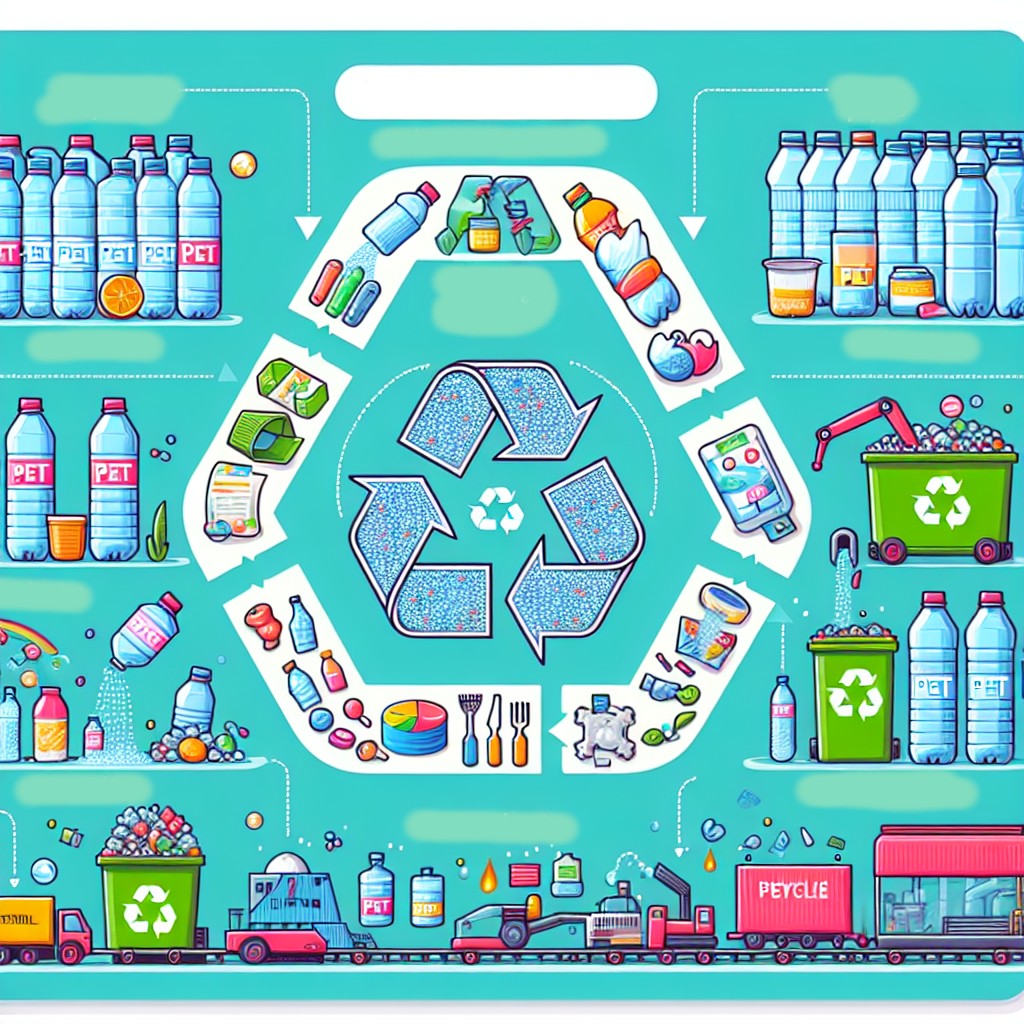
Recycling of elastomer products is possible, but it presents several technical challenges. The cross-linked structure of elastomers, such as vulcanized rubber, makes them difficult to break down and repurpose. Nevertheless, ongoing research and development efforts are aimed at improving recycling technologies. For example, devulcanization processes are being explored to break down the cross-linked networks in used elastomers, enabling their reuse in new products.
Another promising approach is the development of circular economy models for elastomer products. This involves designing products with their entire lifecycle in mind, from production to disposal. By incorporating design features that facilitate recycling and using materials that are easier to repurpose or biodegrade, the environmental impact of elastomer products can be significantly reduced.
In addition to technological innovations, policy measures and industry regulations can play a crucial role in managing the end-of-life impact of elastomers. Extended producer responsibility (EPR) programs, for example, can incentivize manufacturers to design products that are easier to recycle and to take responsibility for their end-of-life management.
End-of-life and disposal considerations underscore the need for a holistic approach to managing the environmental impact of elastomers. By addressing these challenges through a combination of technological, regulatory, and design strategies, the industry can move towards more sustainable practices. The next section will explore the opportunities for sustainable innovation in elastomer production.
Emerging Opportunities for Sustainable Innovation
The environmental challenges associated with elastomer production call for innovative solutions and sustainable practices. There are several emerging opportunities in the industry that promise to reduce the environmental footprint of elastomers while maintaining their valuable properties.
One area of focus is the development of bio-based elastomers. These materials are derived from renewable resources, such as plant oils, starches, and natural rubber, reducing reliance on petroleum-based raw materials. Bio-based elastomers can offer similar performance characteristics to their synthetic counterparts while significantly lowering the carbon footprint. Research is ongoing to improve the properties and cost-effectiveness of these materials, making them a viable alternative for a broader range of applications.
Another promising avenue is the advancement of green chemistry principles in elastomer production. This involves using safer chemicals, reducing the use of hazardous substances, and minimizing waste and emissions throughout the manufacturing process. Green chemistry approaches can help mitigate the environmental impact of both raw material extraction and the production of elastomer products.
Recycling and circular economy initiatives also hold significant potential for improving the sustainability of the elastomer industry. By focusing on the entire product lifecycle and designing with end-of-life considerations in mind, manufacturers can create products that are easier to reuse and recycle. Innovations in devulcanization technologies and chemical recycling are paving the way for more effective recycling processes, allowing for the recovery and repurposing of used elastomers.
Policy and regulatory frameworks play a crucial role in driving sustainable innovation. Government initiatives and industry standards can incentivize the adoption of greener practices and technologies. For example, the implementation of stricter emissions standards can encourage manufacturers to invest in cleaner production processes. Similarly, supporting research and development in sustainable materials and technologies can accelerate progress towards a more sustainable polymer industry.
The involvement of all stakeholders, including manufacturers, researchers, policymakers, and consumers, is essential for driving change in the elastomer industry. By working collaboratively and embracing sustainable innovation, it is possible to significantly reduce the environmental impact of elastomer production while continuing to benefit from their versatile properties.
Conclusion: Moving Towards a Sustainable Future
The environmental impact of elastomer production is a multifaceted challenge that requires comprehensive and coordinated efforts to address. From raw material extraction to end-of-life disposal, each stage of the elastomer lifecycle presents opportunities for reducing environmental harm and promoting sustainability.
Natural and synthetic elastomers are essential materials with a wide range of applications, but their production and disposal come with significant environmental costs. By understanding these impacts and exploring innovative solutions, the industry can move towards more sustainable practices.
Efforts to develop bio-based elastomers, adopt green chemistry principles, and improve recycling technologies are critical components of this journey. These advancements can help reduce the reliance on non-renewable resources, minimize emissions and waste, and create a more circular economy for elastomer products.
At the same time, policy measures and regulatory frameworks can drive the adoption of sustainable practices and technologies. By setting high standards for emissions, waste management, and product design, governments and industry organizations can incentivize progress and ensure that environmental considerations are at the forefront of decision-making.
Ultimately, the transition to a more sustainable elastomer industry will require the collaboration and commitment of all stakeholders. Manufacturers must lead by example, embracing sustainable innovation and investing in cleaner production processes. Researchers and developers must continue to push the boundaries of what is possible, creating new materials and technologies that offer superior performance with lower environmental impact. Policymakers must create supportive frameworks that promote and reward sustainable practices. Consumers, too, have a role to play by choosing products that prioritize sustainability and advocating for greater environmental responsibility.
As we navigate the path towards a more sustainable future, the lessons learned from the challenges and opportunities in elastomer production can serve as a blueprint for other sectors of the polymer industry and beyond. By prioritizing sustainability and environmental stewardship, we can ensure that the benefits of elastomers and other polymers do not come at the expense of our planet’s health and well-being.