For decades, polymers have been an indispensable part of modern industry and daily life. These versatile materials are classified into different types, including thermoplastic and thermosetting polymers. Thermosetting polymers, in particular, have gained widespread use due to their high performance and durability. From electrical insulation to automotive components, they are crucial in many industrial applications. However, their environmental impact is a growing concern. Unlike thermoplastics, which can be melted and remolded, thermosetting polymers are generally not recyclable and can cause significant environmental issues. This article delves into the various aspects of thermosetting polymers, exploring their uses, benefits, and the adverse environmental impacts they pose.
What Are Thermosetting Polymers?
To understand the environmental impact of thermosetting polymers, it’s important to first know what they are. Thermosetting polymers, also known as thermosets, are materials that irreversibly cure to become rigid and infusible. The curing process involves a chemical reaction that forms strong covalent bonds between polymer chains, making them highly stable and resistant to melting. Popular examples of thermosetting polymers include epoxy resins, phenolic resins, and polyurethanes. They possess excellent mechanical properties, chemical resistance, and heat stability, making them valuable for applications that require long-term durability.
Main Applications of Thermosetting Polymers
The applications for thermosetting polymers are vast and varied. In the automotive industry, they are used for manufacturing high-performance parts like brake pads, adhesive bonds, and structural composites, providing the necessary strength and heat resistance. In the electronics industry, thermosetting polymers are used for making printed circuit boards (PCBs) and insulating materials due to their excellent electrical insulating properties. In construction, they find use in coatings, adhesives, and foam insulation, contributing to the structural integrity and energy efficiency of buildings. While these applications showcase the value of thermosetting polymers, they also lead to significant environmental concerns due to their non-recyclable nature.
Environmental Challenges of Thermosetting Polymers
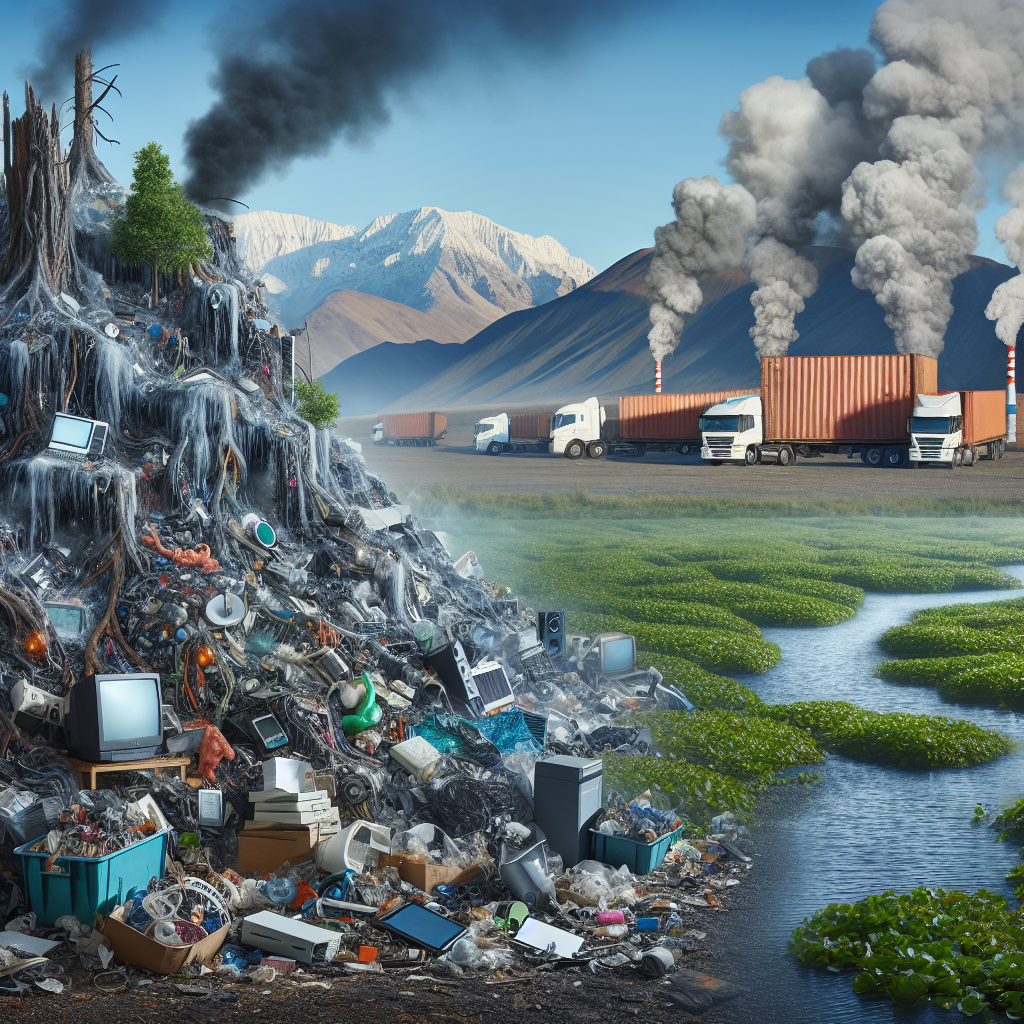
One of the main environmental challenges posed by thermosetting polymers is their non-recyclability. Unlike thermoplastics, which can be melted down and remolded multiple times, thermosetting polymers cannot be reprocessed once cured. This makes them difficult to recycle, leading to significant waste management issues. The disposal of thermosetting polymers typically involves landfilling or incineration, both of which have adverse environmental consequences. Landfilling can lead to soil and groundwater contamination, while incineration generates harmful emissions and contributes to air pollution. Additionally, the durability that makes thermosetting polymers so useful also contributes to their persistence in the environment, creating long-lasting waste.
Strategies for Mitigating Environmental Impact
Despite these challenges, several strategies can be employed to mitigate the environmental impact of thermosetting polymers. One approach is to develop new chemistries that allow for the production of recyclable thermosetting polymers. Researchers are exploring the potential of reversible covalent bonds or dynamic bonds that can be reactivated for recycling. Another strategy is to utilize bio-based monomers and additives to reduce reliance on petroleum-based raw materials, thereby decreasing the overall carbon footprint. Companies can also implement better waste management practices, such as improving the efficiency of manufacturing processes to minimize waste generation and promoting the use of biodegradable alternatives where possible.
Regulations and Industry Initiatives
Government regulations and industry initiatives are also playing a crucial role in addressing the environmental issues related to thermosetting polymers. Regulations such as the European Union’s REACH (Registration, Evaluation, Authorisation, and Restriction of Chemicals) aim to encourage safer chemical usage and promote the development of more sustainable materials. Industry initiatives, like the establishment of circular economy models, focus on creating closed-loop systems where materials are continually reused and recycled. By adhering to these regulations and actively participating in sustainability initiatives, companies can take significant steps toward reducing the environmental footprint of thermosetting polymers.
Future Prospects and Innovations
The future of thermosetting polymers lies in innovation and the continued pursuit of sustainability. Advances in material science are paving the way for the development of next-generation thermosetting polymers that are both high-performing and environmentally friendly. Researchers are exploring the use of nanomaterials to enhance the properties of thermosetting resins while maintaining recyclability. In addition, there is growing interest in the potential of 3D printing technologies to reduce waste and improve the precision and efficiency of thermosetting polymer production. These innovations, coupled with a global shift towards more sustainable practices, hold promise for mitigating the environmental impact of thermosetting polymers in the years to come.
Conclusion
Thermosetting polymers are a double-edged sword. On one hand, they provide invaluable benefits in terms of durability, chemical resistance, and versatility, fueling advancements in various sectors. On the other hand, their non-recyclable nature and the environmental challenges they pose cannot be ignored. Addressing these challenges requires a multifaceted approach that includes developing new, sustainable materials, improving waste management practices, and adhering to stringent regulations. With concerted effort from researchers, industry players, and policymakers, it is possible to strike a balance between leveraging the advantages of thermosetting polymers and minimizing their environmental impact. In doing so, we can pave the path toward a greener, more sustainable future for the polymer industry and the planet as a whole.