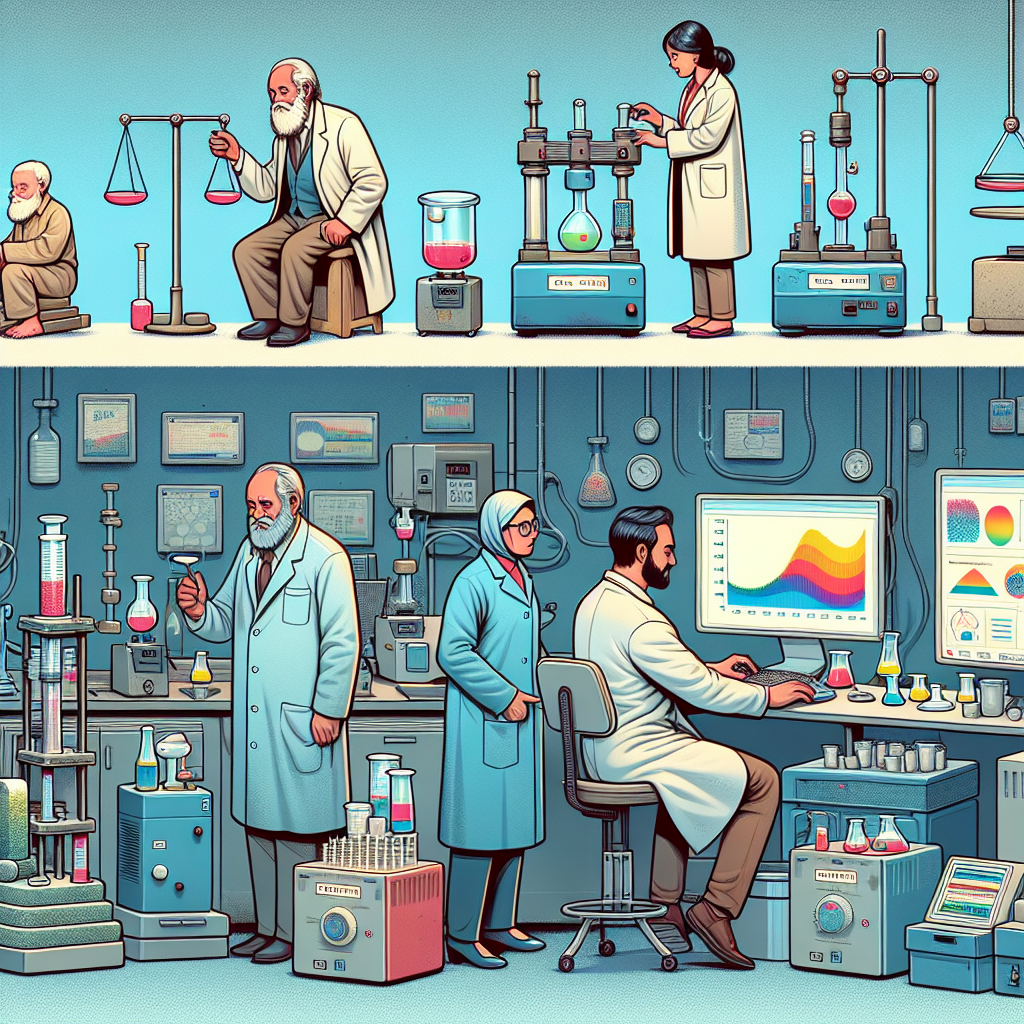
Polymers have significantly shaped our modern world, encompassing a diverse range of synthetic and natural materials. The evolution of polymer science from its nascent stages where natural polymers were predominantly used to the advanced technology of synthesizing polymers, underscores a fascinating journey. Today, polymers find applications in nearly every sector including medicine, construction, automotive, and more. This comprehensive overview delves into the history of polymer science, tracing its journey from the reliance on natural polymers to the advent and dominance of synthetic polymers. Understanding this evolution not only highlights the advancements in material science but also sheds light on the interdisciplinary nature of the field.
The Early Days: Natural Polymers
Historically, natural polymers played a crucial role in the development of early human civilization. Materials such as wool, silk, rubber, and cellulose were indispensable for daily life. For instance, natural rubber, derived from the latex of rubber trees, was utilized by ancient Mesoamerican cultures to make waterproof shoes and balls for games. Similarly, cellulose, the primary component of plant cell walls, was used extensively in the form of paper and textiles.
These natural polymers were characterized by their ability to undergo chemical modifications, leading to the development of materials with enhanced properties. Vulcanization of rubber, for example, invented by Charles Goodyear in 1839, was a groundbreaking process that improved the elasticity and durability of natural rubber, paving the way for modern rubber applications. Moreover, the extraction and utilization of these natural polymers were deeply rooted in traditional knowledge and artisanal techniques passed down through generations.
The Birth of Synthetic Polymers
The transition from natural to synthetic polymers marked a pivotal moment in the history of material science. The late 19th and early 20th centuries witnessed significant scientific breakthroughs that led to the development of the first synthetic polymers. In 1907, Belgian chemist Leo Baekeland invented Bakelite, the first fully synthetic polymer, which was not derived from any raw plant or animal material. Bakelite’s invention opened up new possibilities for materials that could be tailored to have specific properties unattainable with natural polymers alone.
Following this breakthrough, the field of polymer chemistry rapidly expanded. The synthesis of nylon by Wallace Carothers at DuPont in the 1930s is another landmark event. Nylon, a synthetic polymer resembling silk in properties but made through entirely synthetic processes, revolutionized the textile industry. These developments underscored the potential of synthetic polymers, ushering in an era characterized by the ability to engineer materials to meet specific needs. The understanding of polymerization—the chemical process through which monomers (small molecules) form polymer chains—became central to these advancements.

Advancements and Innovations
The post-World War II era was a golden age for the polymer industry, characterized by exponential growth and innovation. During this period, a variety of synthetic polymers were developed, each finding its niche in different industries. For instance, polyethylene, developed in the 1950s, became one of the most widely used plastics, finding applications in packaging, textiles, and even medical devices. The versatility and cost-effectiveness of synthetic polymers propelled extensive research and development efforts globally.
Moreover, the understanding and control of polymer structures at the molecular level allowed scientists to tailor the properties of polymers for specific applications. For example, the development of high-performance polymers such as Kevlar and Teflon showcased the ability to engineer materials with extraordinary strength and chemical resistance, respectively. These innovations were driven by advances in analytical techniques such as X-ray diffraction and nuclear magnetic resonance spectroscopy, which provided insights into the structural and functional attributes of polymers.
Environmental and Sustainability Concerns
While the proliferation of synthetic polymers brought about numerous benefits, it also led to environmental challenges. The persistence of synthetic polymers in the environment, particularly plastics, became a significant concern due to their non-biodegradable nature. The accumulation of plastic waste in oceans and landfills poses serious threats to ecosystems and human health. These issues have spurred a movement towards sustainability within the polymer industry.
Initiatives to address these concerns include the development of biodegradable polymers and the emphasis on recycling and circular economy principles. Biodegradable polymers, derived from renewable resources like polylactic acid (PLA) from cornstarch, break down more readily in the environment, offering a potential solution to plastic pollution. Furthermore, advances in chemical recycling techniques aim to convert plastic waste back into monomers, which can be repolymerized, creating a closed-loop system. These efforts underscore the industry’s shift towards more sustainable practices and highlight the ongoing innovation to mitigate environmental impacts.
The Role of Polymers in Future Technologies
Polymers are set to play a vital role in the development of future technologies. The versatility and adaptability of polymers make them ideal candidates for a variety of high-tech applications. For instance, in the field of electronics, conducting polymers are being explored for use in flexible electronic devices and organic solar cells. These materials combine the lightweight and flexible properties of traditional polymers with the electrical conductivity of metals, opening up new avenues for innovation.
In biomedical applications, polymers are at the forefront of advancements in drug delivery systems, tissue engineering, and medical implants. Biocompatible and biodegradable polymers are being developed to create scaffolds for tissue growth, targeted drug delivery vehicles, and absorbable sutures. These materials are specifically engineered to interact positively with biological systems, promoting healing and reducing complications.
Conclusion
The evolution of polymer science from natural to synthetic polymers reflects a journey of scientific discovery, innovation, and adaptation. From the early use of natural materials like rubber and cellulose to the creation of synthetic wonders like nylon and polyethylene, polymers have continuously transformed our world. The advancements in polymer synthesis and characterization have not only expanded the range of available materials but also honed their properties to suit diverse applications.
As we face environmental challenges posed by synthetic polymers, the industry is rapidly evolving towards more sustainable practices. The development of biodegradable polymers and advances in recycling demonstrate a commitment to reducing the ecological footprint of polymer-based materials. Looking ahead, the role of polymers in future technologies promises to be transformative, driving progress in fields ranging from electronics to medicine.
Ultimately, the story of polymer science epitomizes the spirit of human ingenuity. It exemplifies how understanding and manipulating materials at the molecular level can lead to groundbreaking developments that address societal needs. As we continue to explore and innovate, the polymer industry stands as a testament to the profound impact of material science on our everyday lives and our collective future.