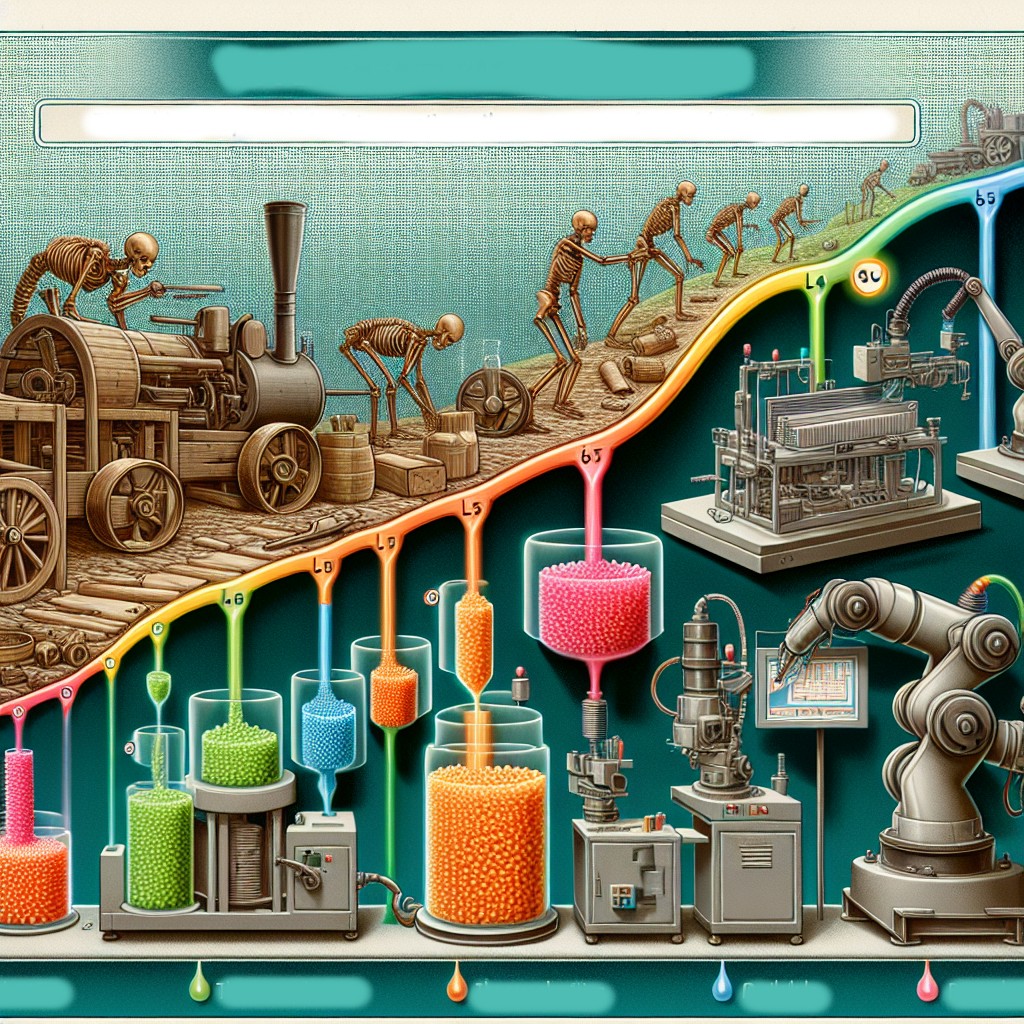
High-performance polymers have revolutionized various industries over the past few decades, offering superior qualities such as exceptional strength, thermal stability, and chemical resistance. As technology continues to advance at a breakneck pace, the future landscape for these materials is rapidly evolving. This article will explore the future of high-performance polymers, delving into their potential applications, advancements in manufacturing techniques, and the role they will play in addressing global challenges. With applications spanning from aerospace to healthcare, these polymers’ attributes are highly coveted. However, understanding their future entails much more than examining their current use; it requires looking into ongoing research and potential developments. As the world seeks sustainable solutions, high-performance polymers may be vital in this pursuit. Focusing on the scope of future applications, we will also consider how innovations in this field could impact the environment, fuel efficiency, and even everyday life.
Advancements in Manufacturing Techniques
One major area of focus for the future of high-performance polymers is the advancement of manufacturing techniques. With the advent of 3D printing and additive manufacturing, the production possibilities are vast and continually expanding. Unlike traditional manufacturing processes requiring molds and large-scale production runs, additive techniques enable the precise creation of intricate parts on-demand. This not only reduces waste but also significantly cuts down on lead times and costs. Furthermore, these methods are conducive to producing complex geometries that were previously unimaginable, significantly broadening design possibilities. As these technologies become more sophisticated, it is expected that new polymers specifically designed for additive manufacturing will emerge. These materials will likely offer superior performance and new capabilities, transforming how products are designed and manufactured across various sectors, including aerospace and medical devices.
Potential Applications in Aerospace and Automotive Industries
The aerospace and automotive industries are particularly eager to adopt high-performance polymers due to their light weight and high strength-to-weight ratio. In aerospace, reducing weight is a primary concern because lighter aircraft consume less fuel, leading to significant cost savings and a smaller carbon footprint. Polyether ether ketone (PEEK) and Polyimide, for instance, have already seen increased usage in aerospace applications due to their high thermal and chemical resistance. Moving forward, nanocomposites and other advanced polymers are poised to play a more critical role. These materials are expected to replace metals in various components, further enhancing fuel efficiency. In the automotive industry, the advent of electric vehicles (EVs) is opening new pathways for high-performance polymers. Battery housings, structural components, and even thermal management systems can benefit from these polymers’ unique properties. As the demand for EVs rises, the need for polymers that can ensure energy efficiency and safety while minimizing weight becomes paramount. This growth is likely to spur innovation and wider adoption of high-performance polymers.
Healthcare Innovations and Biocompatible Polymers
The healthcare industry is another field that stands to benefit significantly from advancements in high-performance polymers. These materials are increasingly used in medical devices, implants, and drug delivery systems due to their biocompatibility and durability. For instance, polymers such as polyetheretherketone (PEEK) are already used in spinal and orthopedic implants because they can withstand high loads and are compatible with the human body. In the future, polymers will likely contribute significantly to personalized medicine, with the development of smart polymers capable of responding to specific biological triggers. Furthermore, biodegradable polymers are gaining traction as sustainable alternatives for single-use medical devices. As research progresses, new biocompatible polymers could be developed, offering tailored mechanical properties and enhanced functionalities. This could lead to significant advancements in minimally invasive surgeries and long-term patient care, profoundly impacting healthcare systems worldwide.
High-Performance Polymers and Sustainability
Sustainability is a core focus for the future of high-performance polymers. Traditional polymer production relies heavily on petrochemical processes, which contribute to pollution and carbon emissions. However, the development of bio-based polymers offers a promising solution. These materials, derived from renewable resources like corn starch or sugarcane, are not only more environmentally friendly but also offer competitive properties to traditional polymers. As research continues, these sustainable alternatives are expected to play a more significant role in reducing the environmental impact of polymer production. Furthermore, recycling high-performance polymers presents both challenges and opportunities. Many polymers can be challenging to recycle due to their cross-linked structures that prevent melting and reshaping. However, advances in chemical recycling and the development of novel recycling methods could open new doors for sustainable practices. By finding ways to recycle complex polymers effectively, industries could significantly reduce waste and create closed-loop production systems.
The Role of Nanotechnology in Enhancing Polymers
Nanotechnology is poised to have a profound impact on the future of high-performance polymers. By incorporating nanoparticles into polymer matrices, researchers can enhance properties such as thermal stability, electrical conductivity, and mechanical strength. For example, carbon nanotubes and graphene can impart exceptional conductivity and strength when embedded within polymers, making them highly attractive for applications in electronics and energy storage devices. The small size of nanoparticles allows for minimal weight addition while providing maximum performance benefits. Furthermore, surface modifications at the nanoscale can enhance polymer interactions with other materials, improving adhesion in composites and coatings. As nanotechnology continues to evolve, we can anticipate the creation of custom-tailored polymers with properties designed for specific applications, opening new horizons in various industrial and consumer sectors.
Innovations in Polymer Chemistry
Innovations in polymer chemistry will play a pivotal role in the development of next-generation high-performance polymers. New polymerization techniques, such as living polymerization and controlled radical polymerization, offer greater control over molecular architecture, enabling the production of polymers with precise properties. Additionally, the design of polymers with self-healing capabilities is a growing area of interest. By incorporating dynamic covalent bonds or reversible cross-linkers, polymers can be designed to repair themselves after damage, extending their lifetime and reliability. Innovations in this area have the potential to significantly impact industries reliant on long-lasting materials, such as construction and transportation. Moreover, functionalized polymers with specific abilities, such as conducting electricity or acting as sensors, will likely become more prevalent, driven by advancements in materials science and chemistry.
Environmental Impact and Regulation
As high-performance polymers play a greater role in various industries, understanding their environmental impact is crucial. While these materials offer numerous benefits, they also pose challenges concerning disposal and biodegradability. Regulatory frameworks are evolving to address the environmental implications of polymer production and waste. Legislation aimed at reducing single-use plastics and promoting biodegradable alternatives is becoming more commonplace. Consequently, the high-performance polymer industry may need to adapt by developing environmentally friendly materials that comply with stringent regulations. In response, companies are exploring the use of additives or blends with natural materials to enhance biodegradability without compromising performance. An emphasis on life-cycle assessment will likely become more prominent, pushing manufacturers to consider environmental impacts from production to end-of-life.
The Economic and Social Impacts of High-Performance Polymers
The future of high-performance polymers is not only a story of technological advancement but also one of economic and social impact. As these materials become more prevalent, they can potentially influence job markets, industrial practices, and even societal norms. Advancements in polymers could result in new job opportunities centered around production, research, and development. Additionally, as innovations lead to more cost-effective materials and processes, industries may experience shifts in economic competitiveness. The proliferation of high-performance polymers could also lead to changes in how society approaches sustainability, influencing consumer behavior and expectations. As people become more conscious of environmental issues, the demand for sustainable high-performance solutions could drive industry transformations, promoting greener standards and products.
Conclusion
In conclusion, the future of high-performance polymers holds immense promise across a multitude of sectors. As we move forward, advancements in manufacturing techniques, ongoing innovations in polymer chemistry, and the incorporation of nanotechnology will be pivotal in developing materials with unprecedented capabilities. The applications within aerospace, automotive, healthcare, and beyond are set to transform industries, making them more efficient and sustainable. At the same time, the polymer industry’s focus on sustainability and responsible innovation will contribute significantly to tackling environmental concerns. Achieving this balance between performance and environmental responsibility will be integral to the success and acceptance of new materials. As regulations tighten and societal emphasis on sustainable development grows, high-performance polymers will undoubtedly be at the forefront of these efforts. These materials, once primarily viewed through the lens of science and engineering, are becoming central players in addressing some of the most pressing challenges facing our world today. By fostering effective collaboration among industries, academia, and policymakers, the potential of high-performance polymers will truly come to fruition, driving innovation and progress while safeguarding our planet for future generations.