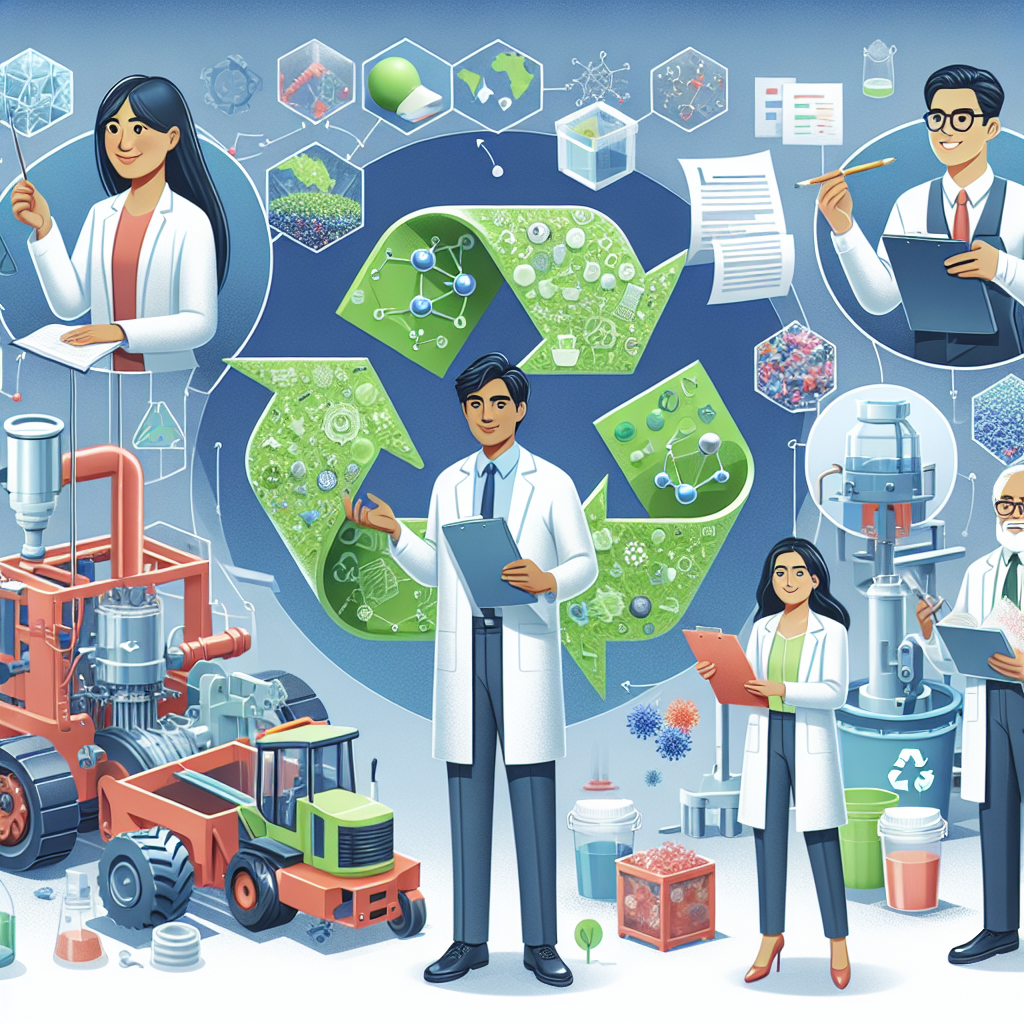
The advancement of robotics is reshaping numerous industries globally, and polymer manufacturing stands as a prime example of this transformative impact. In the ever-evolving landscape of manufacturing, the integration of robotics has emerged as a driving force, revolutionizing the way polymers are processed, produced, and delivered. Polymers, which consist of large molecules made from many repeated subunits, are essential materials in various sectors, including automotive, aerospace, healthcare, and consumer products. The demand for polymers has skyrocketed due to their versatility and advantageous properties such as durability, light weight, and resistance to chemicals. With such a surge in demand, manufacturers are increasingly turning to robotics to enhance efficiency, precision, and overall productivity.
The polymer industry’s reliance on robotics is not a recent phenomenon. However, advancements in technology have significantly accelerated their use and integration. The deployment of robotics in polymer manufacturing involves leveraging robots in various stages, such as compounding, molding, quality inspection, and packaging. These automated systems are designed to handle complex tasks that require high precision, speed, and consistency, which are paramount in the production of high-quality polymer products. As a result, manufacturers are reaping substantial benefits, including cost savings, improved safety, and increased throughput. In this article, we will delve into the profound impact that robotics has on polymer manufacturing, examining its numerous benefits, challenges, and future prospects in this dynamic field.
Efficiency and Precision in Manufacturing
One of the most significant impacts of robotics on polymer manufacturing is the unparalleled efficiency and precision they bring to the production process. The introduction of robotic systems in the manufacturing line has allowed for faster processing of polymer materials, subsequently reducing the cycle times of production. Unlike human workers, robots can operate continuously without fatigue, providing a level of productivity that is impossible for manual processes to match. This constant operation capability is crucial in meeting the increasing market demands for polymers. As consumer and industrial applications grow, manufacturers must scale up their operations efficiently, and robotics makes this possible.
Furthermore, robots offer precision in tasks such as injection molding and extrusion, where consistent and meticulous control over material handling and processing conditions is critical. In processes like these, even minor deviations can result in defective products, leading to waste of materials and increased costs. Robots are equipped with sensors and advanced control systems that ensure uniformity in product quality, reducing the likelihood of errors and scrap rates. By ensuring consistent product dimensions and attributes, robotics contribute to a reduction in waste and enhance the overall quality of the final products.
Enhanced Flexibility and Customization
Robotics in polymer manufacturing not only improves the efficiency and precision of the production process but also enhances flexibility and customization. The current market trends indicate a push towards more personalized and bespoke products, and this trend is no different in the world of polymers. With robotic systems, manufacturers can easily adapt to changes in product designs without the need for extensive retooling, which can be both time-intensive and costly. Robots can be programmed easily to handle different tasks, allowing for quick changes in production lines to accommodate new formulations or products.
Moreover, robotics enhance the ability to execute small batch productions, which is increasingly important in an era where customization is often demanded by consumers. This capability allows manufacturers to produce specialized polymer products tailored to specific consumer requirements without compromising efficiency and cost-effectiveness. Such adaptability not only broadens the scope of possible applications for polymers but also opens up new avenues for innovation.
Safety and Workforce Implications
The employment of robotics in polymer manufacturing also has a notable impact on safety and the workforce. Manufacturing environments, especially those involving intensive material processing, can pose significant risks to human workers, such as exposure to hazardous chemicals, high temperatures, and heavy machinery. By automating these processes, robotics significantly reduce the risk of work-related injuries, thus providing a safer working environment. Robots can handle dangerous tasks within isolated work cells, minimizing the need for human intervention and keeping workers out of harm’s way.
While concerns about robotics replacing human jobs persist, the evolution of the polymer manufacturing landscape also presents new roles and opportunities for the workforce. As robots take over repetitive and hazardous tasks, workers are relieved from monotonous duties, allowing them to focus on more complex and fulfilling roles, such as programming, maintenance, and supervision of robotic systems. Moreover, the shift towards more technologically-oriented roles necessitates upskilling and reskilling initiatives to empower the workforce. Essentially, robotics does not signify the obsolescence of human labor but rather a transformative shift that calls for adaptation and growth in skill sets.
Cost-Effectiveness and Sustainability
Cost-effectiveness is another critical area where robotics have made a substantial impact on polymer manufacturing. The initial investment in robotic systems might be high, but the long-term savings clearly outweigh these costs. Robotics lead to significant reductions in labor costs, fewer material wastes due to enhanced precision, and decreased energy usage owing to optimized manufacturing processes. For instance, robots in injection molding can adjust speed, pressure, and other critical variables to minimize energy consumption while maintaining production quality.
In addition to cost savings, robotics contribute significantly to sustainability within polymer manufacturing. Modern consumers and industries are more conscious of environmental implications, pushing manufacturers toward greener solutions. Robotics aid in achieving sustainability objectives by reducing emissions, waste, and resource consumption. For example, accurate control of material flow reduces excess use, thus conserving resources and minimizing environmental impact. Besides, robotic systems can be programmed to maximize the use of recyclable and biodegradable materials, aligning polymer production with eco-friendly standards and driving sustainable growth in the industry.
Challenges and Future Prospects
Despite the numerous advantages, incorporating robotics in polymer manufacturing is not without challenges. The major challenges include high initial costs for purchasing and maintaining robotic systems, the requirement for skilled personnel for operation and maintenance, and integration with existing processes and systems. Small and medium-sized enterprises (SMEs), in particular, might find the costs prohibitive. For seamless adoption of robotics, these enterprises may need support in terms of funding and training initiatives.
Integration with legacy systems represents another challenge. Many polymer manufacturers might still operate with traditional manufacturing setups that are not immediately compatible with modern robotic technology. Retrofitting existing systems demands both time and resources, creating a potential hurdle for widespread adoption. Furthermore, the rapid pace of technological advancements implies that companies must stay abreast of the latest developments to leverage the full potential of robotics.
Looking ahead, the future prospects for robotics in polymer manufacturing are promising. Emerging technologies like artificial intelligence (AI) and the Internet of Things (IoT) offer opportunities to enhance the capabilities of robotic systems. AI can enable robots to learn and adapt to new tasks, improving their efficiency and reducing downtime. IoT facilitates the interconnection of machines, leading to smarter manufacturing environments where data is continuously monitored and analyzed to optimize production processes.
Conclusion
In conclusion, the impact of robotics on polymer manufacturing is profound and far-reaching. From improving efficiency and precision to facilitating customization and enhancing safety, robotics have become indispensable in modern polymer production. They offer significant competitive advantages, including cost savings and sustainability benefits, enabling manufacturers to navigate the challenges of a rapidly evolving market. While there are challenges in terms of cost, integration, and skill requirements, the potential benefits far outweigh these obstacles. The synergy between robotics, AI, and IoT is set to redefine the future landscape of polymer manufacturing, creating unprecedented opportunities for innovation and growth.
Manufacturers, stakeholders, and policymakers must collaborate to drive the adoption of robotics and support the transition towards more advanced manufacturing environments. By embracing the evolution of technology within polymer manufacturing, the industry can continue to thrive and meet the varied demands of today’s market, pushing the boundaries of what’s possible with polymers.
As we continue to advance technologically, it is crucial for industries to stay adaptive, innovative, and future-focused, ensuring the advantageous impact of robotics on polymer manufacturing continues to contribute positively to global advancements in material science and production capabilities.