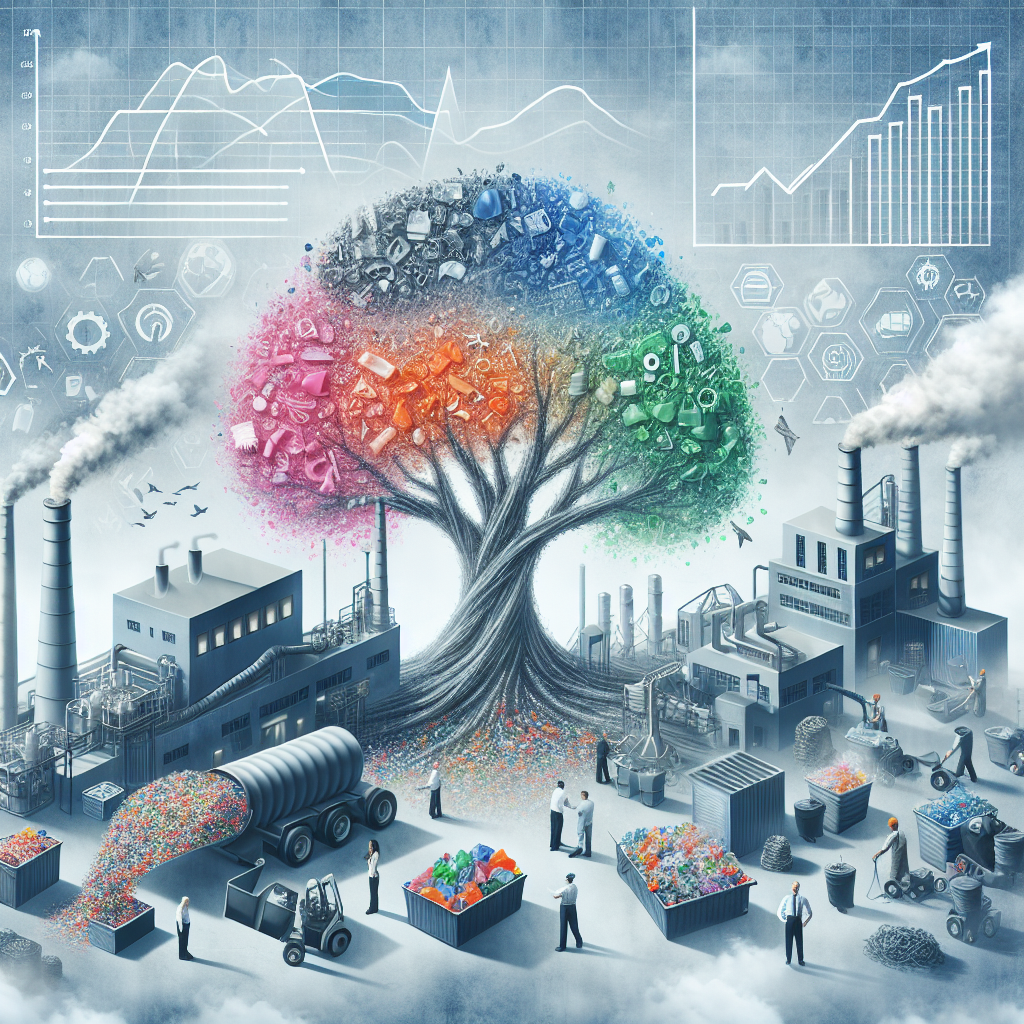
The polymer industry stands at a pivotal intersection of technological innovation and stringent safety regulations. Polymers, essential to numerous sectors including automotive, healthcare, construction, and consumer goods, have seen their production processes evolve significantly as safety standards continually adapt. The importance of safety regulations in polymer production cannot be overstated, as they ensure the protection of workers, the environment, and consumers while maintaining high standards of product quality. This article delves into the critical impacts that safety regulations have on the production of polymers, examining how these regulations shape processes, influence costs, drive technological advancements, and affect the global competitiveness of the industry. Understanding these dynamics is essential for industries and stakeholders aiming for sustainable growth in an ever-evolving regulatory landscape.
Evolution of Safety Regulations in Polymer Production
Safety regulations in polymer production have been dynamically evolving over the decades in response to incidents, technological advancements, and increased awareness of environmental and health impacts. Historically, the production of polymers was often prioritized over safety, leading to various industrial accidents and pollution concerns. However, with regulatory bodies such as the Occupational Safety and Health Administration (OSHA) in the United States and the European Chemicals Agency (ECHA) in Europe enforcing stricter regulations, there has been a paradigm shift. These regulations ensure better handling of raw materials, improved manufacturing processes, and enhanced safety measures, fostering a safer working environment.
One of the major turning points in polymer safety regulation was the implementation of the REACH (Registration, Evaluation, Authorisation and Restriction of Chemicals) regulation by the European Union. This comprehensive legislation aims to protect human health and the environment from the risks posed by chemicals while enhancing the competitiveness of the EU chemicals industry. REACH introduced stringent requirements for safety data, profoundly impacting how companies produce and manage polymer materials. This regulation has compelled manufacturers to maintain extensive documentation and undertake rigorous testing of materials, thereby raising the standard of safety across the industry.
Impact on Production Processes
Safety regulations have a profound impact on the production processes within the polymer industry, often necessitating significant operational changes to comply with standards. These regulations typically require the adoption of cutting-edge technologies and safety systems designed to minimize risks associated with chemical exposure, flammability, and other hazards inherent in polymer production. For instance, the introduction of automated systems has been a direct result of regulatory requirements aimed at reducing human exposure to hazardous substances.
The increased complexity of compliance has also led to the adoption of process safety management (PSM) programs. PSM encompasses a comprehensive approach that includes hazard analysis, mechanical integrity, and operational procedures to prevent accidents and manage risks effectively. Safety audits and risk assessments are now integral components, ensuring that any potential threats are identified and addressed promptly. This focus on robust risk management has not only improved safety outcomes but also optimized production efficiency, reducing downtime and enhancing overall productivity.
Economic Implications
While the implementation of safety regulations in polymer production brings undeniable benefits in terms of worker safety and environmental protection, it also involves considerable economic implications. The costs associated with compliance can be substantial, including investments in new technologies, training, and administrative oversight to ensure adherence to regulations. Small and medium-sized enterprises (SMEs) might find these financial burdens particularly challenging, impacting their profitability and competitiveness.
However, it’s important to note that these regulations also open up new avenues for cost savings and economic opportunities. For example, by optimizing processes for regulatory compliance, manufacturers often discover more efficient ways to use raw materials and energy, thereby reducing operational costs. Additionally, maintaining a strong reputation for safety can enhance brand value and customer trust, offering a competitive edge in markets increasingly concerned with sustainability and ethical production practices.
Technological Advancements Driven by Regulations
The stringent safety regulations imposed on polymer production have been significant catalysts for technological innovations. With an emphasis on minimizing risks and enhancing safety, the industry has witnessed the development of advanced materials and processes. For example, the creation of non-toxic additives and safer catalysts is directly influenced by regulatory constraints aimed at reducing harmful emissions and improving the biodegradability of polymers.
Moreover, regulations demanding lower emissions and green production processes have stimulated the industry to explore and implement eco-friendly technologies. Innovations such as biopolymers and recycling methods have gained prominence, contributing to a circular economy. The drive for compliance has pushed manufacturers to invest in research and development, fostering breakthroughs that not only meet regulatory standards but also lead to improved sustainability and performance of polymer products.
Global Competitiveness and Trade Implications
Safety regulations significantly influence the global competitiveness of polymer producers. Companies operating in regions with rigorous safety regulations often face higher production costs, which can affect their pricing strategies and market share. On the flip side, these regulations can enhance the reputation of producers by aligning with global standards of operation, opening up opportunities for international trade.
However, discrepancies in safety regulations across different countries can lead to trade tensions and market access challenges. Countries with less stringent regulations may offer cheaper products, putting pressure on manufacturers from regions with tougher safety standards. This divergence necessitates strategic positioning and the exploration of niche markets where safety and quality are prioritized. Furthermore, regulatory harmonization efforts at international forums could play a vital role in leveling the playing field and ensuring fair competition in global markets.
Environmental Considerations
The impact of safety regulations on environmental sustainability in polymer production is profound. Regulations impose limits on emissions and mandate the use of environmentally safe substances, directly contributing to reduced ecological footprints of production facilities. The industry has responded by adopting pollution prevention technologies and waste minimization practices, which in turn have reduced the environmental impact of polymer manufacturing.
Furthermore, safety regulations encourage the development and use of recycled materials which contribute to lower carbon emissions and reduced resource consumption. This shift towards sustainable production is not merely regulatory compliance but is increasingly seen as a strategic advantage that aligns with the global movement towards carbon neutrality and environmental stewardship.
Stakeholder Perspectives and Challenges
Stakeholders in the polymer production industry, including manufacturers, regulatory bodies, and consumers, face numerous challenges brought about by safety regulations. For manufacturers, staying compliant with ever-evolving regulations requires continuous adaptation and investment, which can strain resources and necessitate strategic realignment. Regulatory bodies, on the other hand, face challenges in balancing the enforcement of safety standards with promoting innovation and economic growth within the sector. Maintaining this equilibrium requires collaboration and dialogue between policymakers and industry players.
Consumers increasingly demand transparency and accountability regarding the safety and environmental impact of products. The pressure from consumers for greater disclosure of safety practices is driving companies toward greater transparency and communication about their compliance efforts and safety measures. This consumer-driven demand for accountability presents challenges but also offers an opportunity for companies to differentiate themselves through leadership in safety and sustainability.
Conclusion
In conclusion, the impact of safety regulations on polymer production is multifaceted and profound, shaping processes, costs, and industry dynamics. These regulations have been instrumental in advancing worker safety, minimizing environmental impact, and enhancing product standards. While they present economic and operational challenges, they also drive innovation, improve efficiency, and bolster reputational value. The ever-evolving regulatory environment necessitates agility and foresight from industry stakeholders as they navigate the complexities of compliance while striving for sustainable growth. Importantly, safety regulations not only ensure protection for workers and the environment but also herald a forward-thinking approach that aligns with consumer expectations and global sustainability goals. As the polymer industry looks to the future, continuing to adapt and innovate in response to regulatory developments will be crucial to maintaining industry vitality and resilience in a competitive global landscape.