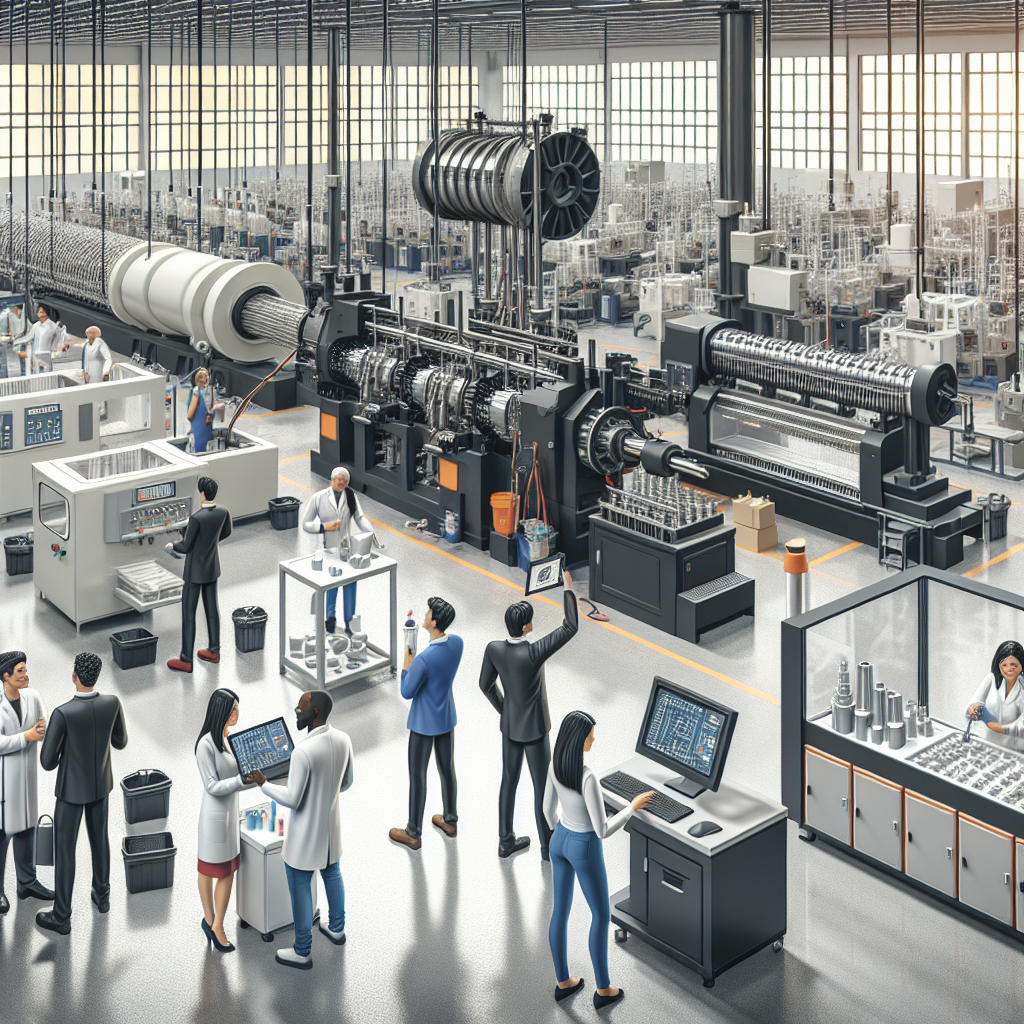
The modern manufacturing landscape is in a constant state of evolution, driven by the need for more efficient, cost-effective, and sustainable processes. Central to this evolution is the polymer industry, particularly the widespread use of thermoplastics. As a type of polymer, thermoplastics have revolutionized the way products are designed, produced, and utilized across a range of industries, from automotive to consumer electronics. Their unique properties, such as recyclability, ease of molding, and high strength-to-weight ratio, make them an indispensable material in modern manufacturing.
In this article, we’ll explore the various types of thermoplastics, their characteristics, and how they have impacted modern manufacturing. We will also delve into specific applications and advancements, shedding light on the significant role thermoplastics play in our everyday lives. Let’s dive into the fascinating world of thermoplastics and discover how these versatile materials continue to shape the future of manufacturing.
Understanding Thermoplastics
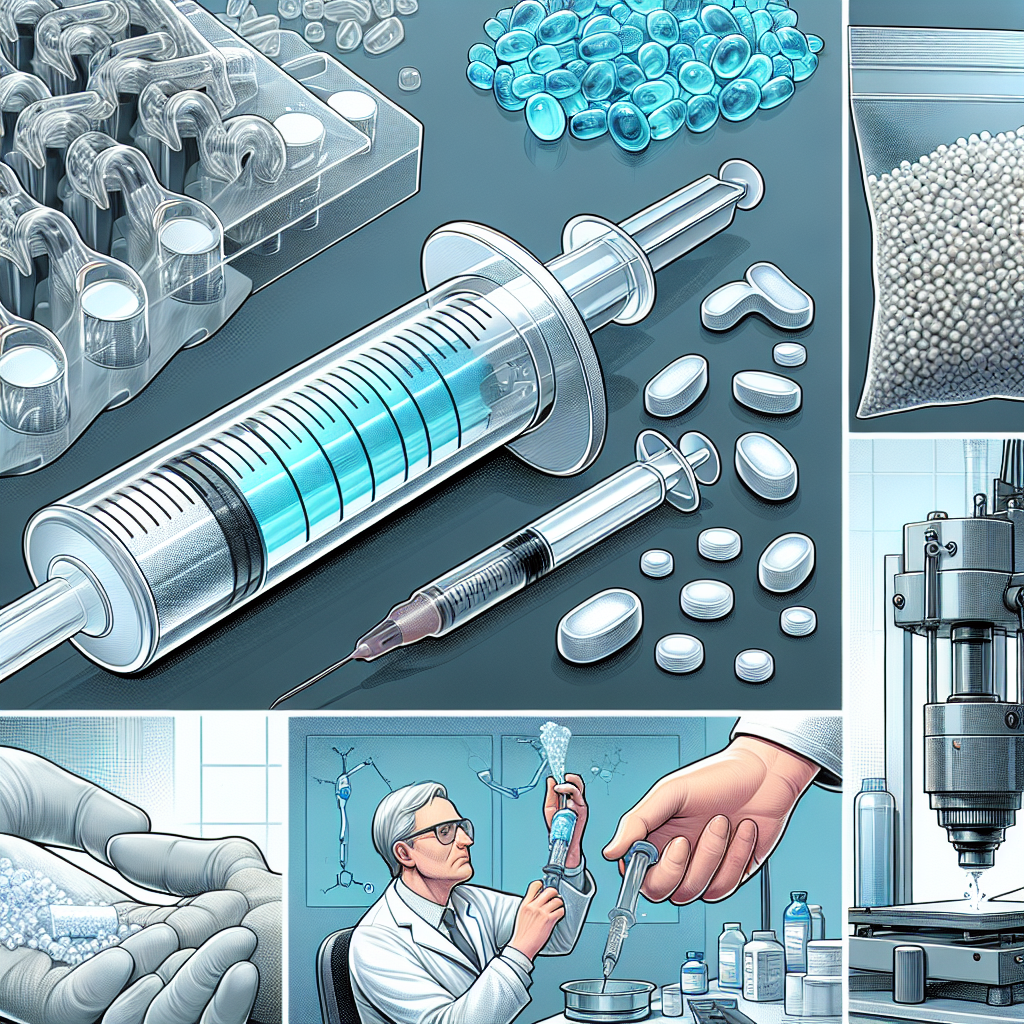
Thermoplastics are a type of polymer that become pliable or moldable at a certain elevated temperature and solidify upon cooling. Unlike thermosetting polymers, which permanently set when heated, thermoplastics can be repeatedly melted and reshaped without altering their chemical structure. This property makes them exceptionally versatile and valuable in a multitude of applications.
Common types of thermoplastics include polyethylene (PE), polypropylene (PP), polyvinyl chloride (PVC), polystyrene (PS), and polyethylene terephthalate (PET). Each of these materials has unique properties that cater to specific needs in manufacturing. For instance, PE is known for its flexibility and resistance to moisture, making it ideal for packaging applications. On the other hand, PP offers excellent fatigue resistance and elasticity, which makes it suitable for automotive parts and textiles.
The ability of thermoplastics to be recycled and reprocessed brings significant environmental benefits, reducing waste and conserving resources. Over the years, advancements in polymer science have improved the quality and performance of thermoplastics, further establishing their dominance in the manufacturing industry.
Impact on Automotive Manufacturing
The automotive industry has been one of the biggest beneficiaries of the advancements in thermoplastics. As the demand for lighter, more fuel-efficient vehicles grows, manufacturers are increasingly turning to thermoplastics to replace traditional metal components. Lightweight materials contribute to better fuel economy and reduced emissions, aligning with global environmental goals.
Thermoplastics such as PP, acrylonitrile butadiene styrene (ABS), and polycarbonate (PC) are extensively used in automotive manufacturing. These materials offer high impact resistance, durability, and ease of processing. Components like bumpers, dashboards, and seating often utilize these thermoplastics, which also enables manufacturers to create more innovative and ergonomic designs.
Moreover, the recyclability of thermoplastics plays a crucial role in developing sustainable automotive solutions. The ability to recycle and repurpose thermoplastic parts not only reduces the environmental footprint but also supports the circular economy within the automotive industry.
Thermoplastics in Consumer Electronics
Consumer electronics is another sector where thermoplastics have made a significant impact. The demand for sleek, durable, and lightweight electronic devices has led manufacturers to adopt various thermoplastic materials in their production processes.
Materials like ABS, PC, and polyamide (PA) are commonly used in the making of smartphones, laptops, and other electronic gadgets. These thermoplastics offer exceptional strength, flexibility, and resistance to impact, making them ideal for protecting delicate electronic components. Additionally, the aesthetic versatility of thermoplastics allows for a wide range of finishes and colors, meeting the diverse preferences of consumers.
As technology continues to advance, the role of thermoplastics in enabling innovative designs and functionalities becomes even more pronounced. From sleek housing to intricate internal components, thermoplastics provide the flexibility and performance needed to keep up with the rapid pace of electronic innovation.
Advancements and Innovations in Thermoplastics
The field of thermoplastics has seen tremendous advancements and innovations over the years. Research and development efforts have led to the creation of high-performance thermoplastics that exhibit improved characteristics such as enhanced heat resistance, greater strength, and superior chemical resistance.
One notable advancement is the development of engineering thermoplastics, which possess exceptional mechanical and thermal properties. Materials like polyether ether ketone (PEEK) and polyphenylene sulfide (PPS) are now used in demanding applications within the aerospace, medical, and industrial sectors. These engineering thermoplastics offer unparalleled performance in extreme environments, making them invaluable in specialized fields.
Furthermore, innovations in polymer blending and composites have expanded the possibilities for thermoplastic applications. By combining different polymers or incorporating reinforcing fibers, manufacturers can tailor the properties of thermoplastics to meet specific requirements. This level of customization allows for the creation of materials with a perfect balance of strength, flexibility, and durability.
Environmental Considerations
While thermoplastics bring numerous benefits to modern manufacturing, addressing their environmental impact is crucial. The emphasis on recycling and sustainable practices has become more pronounced in recent years, driving efforts to minimize the environmental footprint of thermoplastic production and disposal.
Recycling initiatives and advancements in biodegradable and bio-based thermoplastics are gaining momentum. Bio-based thermoplastics, derived from renewable sources such as plant oils and starches, offer an eco-friendly alternative to traditional petroleum-based plastics. These materials are biodegradable, reducing the burden on landfills and marine environments.
Innovations in recycling technologies have also enhanced the efficiency of thermoplastic recycling processes. Mechanical recycling, chemical recycling, and energy recovery methods are being refined to ensure a more sustainable lifecycle for thermoplastic products. Collaborations between industries, governments, and research institutions play a vital role in advancing these efforts and promoting a greener future.
Conclusion
Thermoplastics have undoubtedly transformed modern manufacturing, offering versatile, cost-effective, and sustainable solutions across various industries. From automotive and consumer electronics to aerospace and medical applications, the impact of thermoplastics is far-reaching and continues to evolve.
The unique properties of thermoplastics, such as recyclability, ease of molding, and high performance, make them an essential component in the development of innovative products. As the demand for lightweight, durable, and eco-friendly solutions grows, the significance of thermoplastics in shaping the future of manufacturing becomes even more evident.
Looking ahead, continued advancements in polymer science, recycling technologies, and environmentally-friendly practices will drive the evolution of thermoplastics. As manufacturers strive to meet the challenges of a dynamic and sustainable world, thermoplastics will remain a cornerstone of progress and innovation.
In conclusion, the impact of thermoplastics on modern manufacturing is profound and multifaceted. By understanding their properties, advancements, and environmental considerations, we can appreciate the pivotal role thermoplastics play in shaping a better, more sustainable future for all.