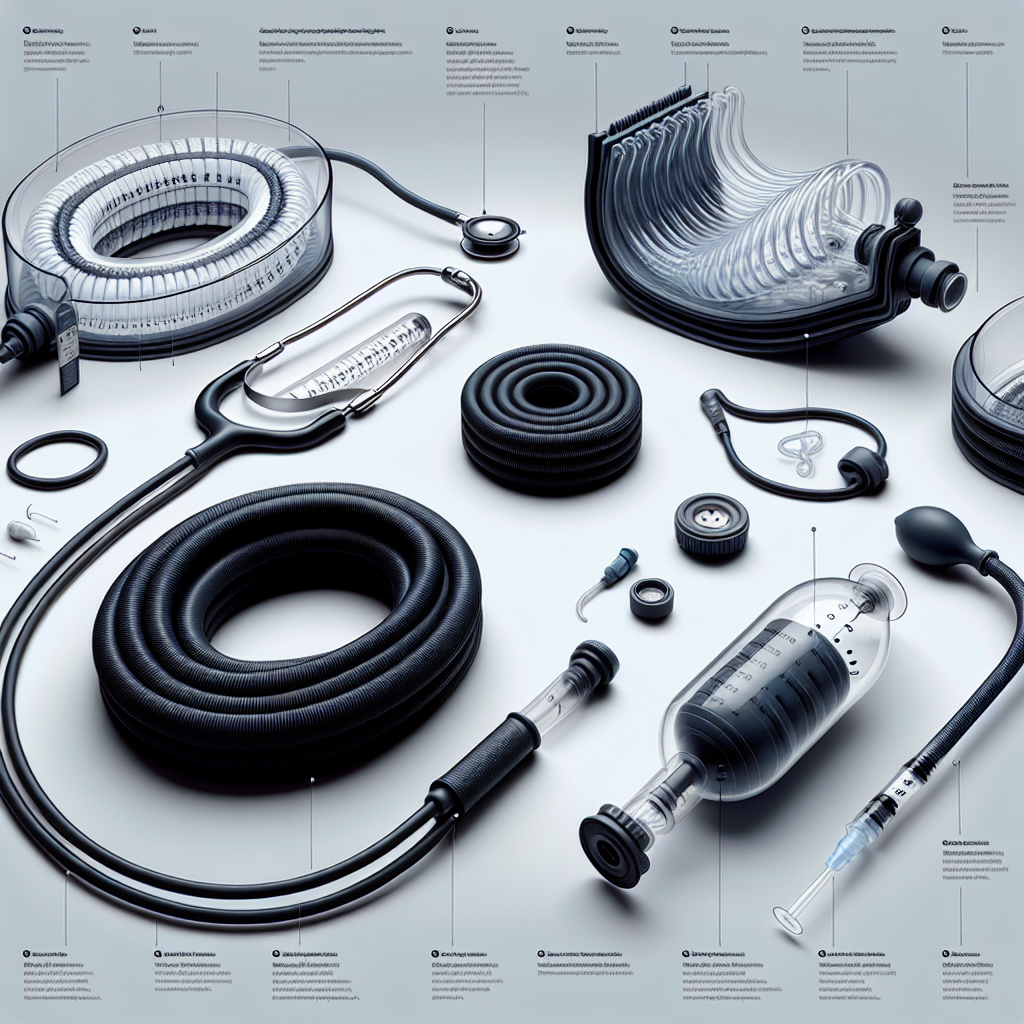
The polymer industry has significantly evolved over the past few decades, with substantial advancements in polymer technology. One of the noteworthy areas in this evolution is the development and usage of elastomers in various applications, especially in the medical field. Elastomers, known for their elastic properties, are invaluable in creating medical devices that require a high degree of flexibility, durability, and biocompatibility. This article aims to provide an in-depth understanding of elastomers, highlighting their essential roles and applications in the development of medical devices.
Introduction
The healthcare industry constantly demands materials that can deliver both performance and reliability, especially when patient safety is at stake. Elastomers have emerged as critical components in modern medical devices due to their unique properties. Derived from the term “elastic polymer,” elastomers exhibit a significant degree of elasticity and flexibility, which allows them to return to their original shape after being stretched or deformed. This inherent characteristic makes them particularly suitable for medical devices that need to endure substantial stress and strain during use.
One of the earliest and most widespread uses of elastomers in the medical field was in the manufacturing of surgical gloves. Made from natural rubber latex, these gloves showcased elastomers’ capability to provide a snug yet flexible fit, ensuring both comfort and dexterity for medical professionals. Over time, advancements in polymer science have led to the development of synthetic elastomers, which offer a broader range of properties, such as enhanced chemical resistance and reduced allergenicity, making them suitable for even more diverse medical applications.
The biocompatibility of elastomers is another crucial factor that has propelled their popularity in the medical device industry. Biocompatibility refers to the ability of a material to perform with an appropriate host response in a specific application. Elastomers used in medical devices are rigorously tested to ensure they do not provoke any adverse reactions when in contact with human tissues or bodily fluids. This quality is especially vital for devices such as catheters, implants, and various types of tubing, where prolonged contact with the human body is inevitable.
Types of Elastomers Used in Medical Devices
Elastomers employed in the medical sector can be broadly classified into natural and synthetic types. Natural elastomers, like natural rubber latex, are organic and derived from plant sources. They have been traditionally used in various medical applications due to their excellent elasticity and mechanical properties. However, natural rubber latex can sometimes cause allergic reactions in sensitive individuals, leading to the development of synthetic alternatives.
Synthetic elastomers, on the other hand, are engineered to mimic the properties of natural elastomers while enhancing them with additional benefits. Some common synthetic elastomers used in medical devices include:
- Silicone Elastomers: Known for their excellent biocompatibility, heat resistance, and flexibility, silicone elastomers are widely used in medical devices like catheters, implants, and tubing. They are also preferred for applications that require a high degree of sterility as they can withstand autoclaving.
- Polyurethane Elastomers: These elastomers offer outstanding mechanical properties, including wear resistance and elasticity. They are often used in products such as wound dressings, surgical drapes, and long-term implants.
- Thermoplastic Elastomers (TPEs): TPEs combine the properties of rubber and plastic, providing a versatile solution for medical device manufacturing. They are used in applications like syringe seals, IV systems, and orthopedic devices.
Each of these elastomers has unique properties that make them ideal for specific medical applications. The choice of elastomer depends on factors such as the required flexibility, durability, chemical resistance, and the intended use of the device.

Key Applications of Elastomers in Medical Devices
Elastomers find applications in a variety of medical devices, ranging from simple everyday items to complex life-saving equipment. Some of the key applications include:
- Surgical Gloves: As already mentioned, surgical gloves made from elastomers provide high elasticity, comfort, and fit, which are essential for medical professionals during surgical procedures.
- Catheters and Tubing: Elastomers are used to manufacture catheters and tubing due to their flexibility, biocompatibility, and resistance to kinking. These devices need to maintain their shape and function while navigating through the body’s intricate pathways.
- Implants: Silicone and polyurethane elastomers are commonly used in implants, such as breast implants, heart valves, and joint replacements. Their ability to mimic the elasticity of human tissues makes them an invaluable choice for these applications.
- Syringe Seals: TPEs are used in the manufacturing of syringe seals due to their excellent sealing capabilities, ensuring that the medication is administered correctly without leakage.
- Orthopedic Devices: Orthopedic braces and supports made from elastomers provide the necessary support and flexibility needed to assist in the healing process of fractures, sprains, and other musculoskeletal conditions.
These applications highlight how elastomers contribute significantly to the functionality and efficiency of medical devices, ensuring that they perform reliably in critical situations.
Advancements in Elastomer Technology for Medical Devices
The field of polymer science is continuously evolving, leading to the development of advanced elastomers with enhanced properties tailored for specific medical applications. Researchers and manufacturers are working on several innovative elastomer technologies, including:
- Antimicrobial Elastomers: These elastomers are designed to inhibit the growth of bacteria and other microorganisms on medical devices. This innovation is crucial for preventing infections, especially in devices that remain in contact with the body for prolonged periods.
- Biodegradable Elastomers: Biodegradable elastomers are capable of breaking down within the body over time, reducing the need for additional surgical procedures to remove the device. They are particularly useful in temporary implants and drug delivery systems.
- Smart Elastomers: Smart elastomers possess the ability to respond to external stimuli, such as temperature, pH, or light. These materials can be used in developing responsive medical devices that adapt to changing conditions within the body.
These advancements are not only expanding the applications of elastomers in the medical field but also enhancing the overall safety and efficacy of medical devices, ultimately improving patient outcomes.
Challenges and Considerations in Using Elastomers for Medical Devices
Despite their numerous benefits, the use of elastomers in medical devices is not without challenges. Manufacturers and designers must take into account several considerations to ensure the safe and effective use of these materials:
- Biocompatibility Testing: Rigorously testing elastomers for biocompatibility is essential to ensure that they do not cause adverse reactions when in contact with human tissues. This involves a series of tests, including cytotoxicity, sensitization, and irritation testing.
- Regulatory Compliance: Medical devices made from elastomers must comply with stringent regulatory standards set by bodies such as the FDA or the European Medicines Agency (EMA). This ensures that the devices meet safety, efficacy, and quality requirements.
- Sterilization: Ensuring that elastomeric medical devices can withstand various sterilization methods, such as autoclaving, gamma irradiation, or ethylene oxide treatment, is crucial to maintain their safety and functionality.
- Material Degradation: Understanding the long-term stability and potential degradation of elastomers when exposed to different environments or bodily fluids is vital to ensure the longevity and reliability of medical devices.
Addressing these challenges requires a collaborative effort between researchers, manufacturers, and regulatory bodies to develop elastomer-based medical devices that meet the highest standards of safety and performance.
Future Prospects of Elastomers in Medical Devices
The future of elastomers in the medical device industry looks promising, with ongoing research and technological advancements paving the way for new and improved applications. Some potential future prospects include:
- Personalized Medical Devices: Advances in 3D printing technology could allow for the creation of personalized medical devices made from elastomers, tailored to individual patients’ anatomical and physiological needs. This customization can enhance the comfort and effectiveness of devices, such as prosthetics and orthopedic braces.
- Elastomer-Based Drug Delivery Systems: Developing elastomers that can precisely control the release of drugs over time is another exciting prospect. These systems can improve the efficiency of drug administration and reduce the frequency of doses, benefiting patients with chronic conditions.
- Regenerative Medicine: Elastomers could play a significant role in tissue engineering and regenerative medicine, serving as scaffolds that support cell growth and tissue regeneration. Their elastic properties can mimic the natural extracellular matrix, promoting the development of functional tissues and organs.
As technology continues to evolve, the potential applications of elastomers in the medical field will expand, offering innovative solutions that enhance patient care and improve the quality of life for individuals worldwide.
Conclusion
Elastomers have undeniably revolutionized the medical device industry, providing materials that combine flexibility, durability, and biocompatibility. Their unique properties have made them indispensable in manufacturing a wide range of medical devices, from surgical gloves to advanced implants. With ongoing research and technological advancements, the future of elastomers in medical applications is bright, offering exciting possibilities for personalized medicine, improved drug delivery systems, and tissue engineering.
As the polymer industry continues to innovate and address the challenges associated with elastomers, we can expect to see even more groundbreaking developments in the medical field. These advancements will not only enhance the performance and safety of medical devices but also contribute to better patient outcomes and a higher quality of care. The journey of elastomers in medical devices is a testament to the power of materials science and its potential to transform healthcare for the better.