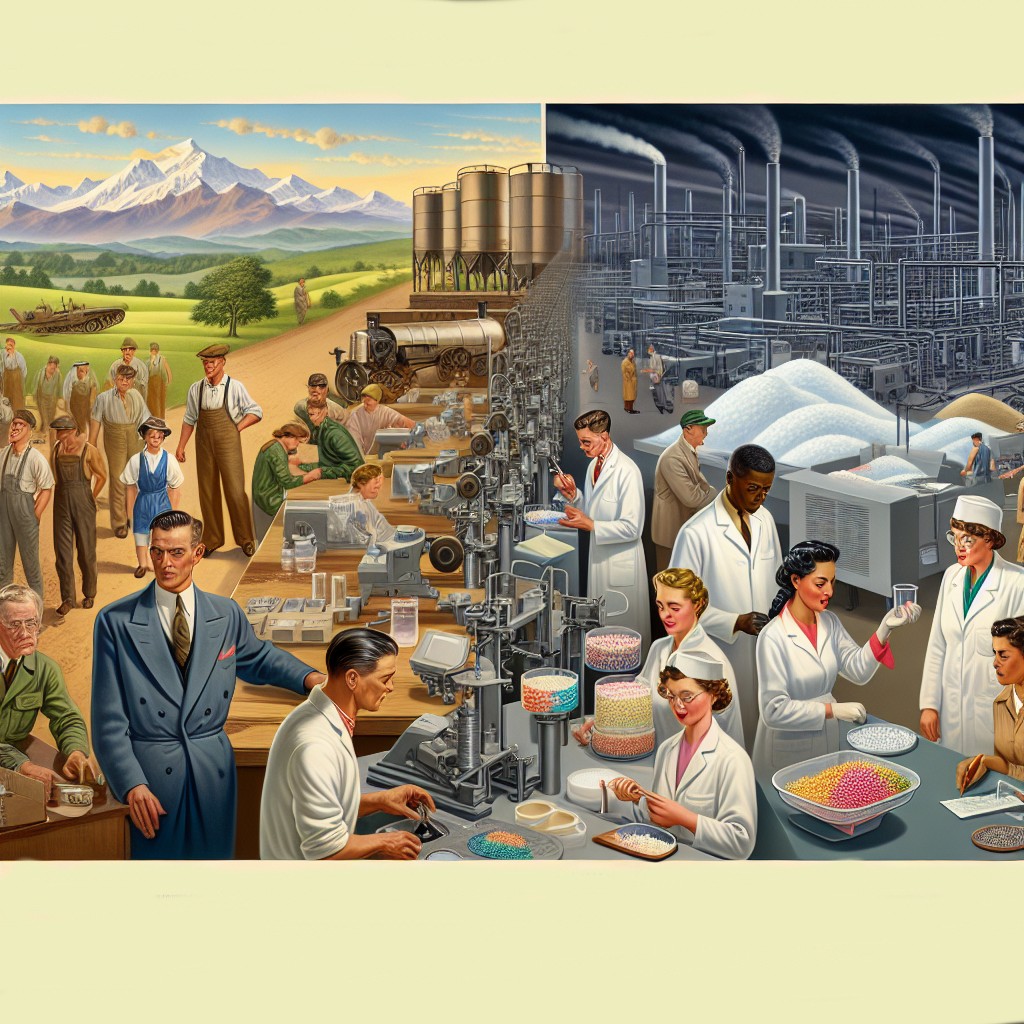
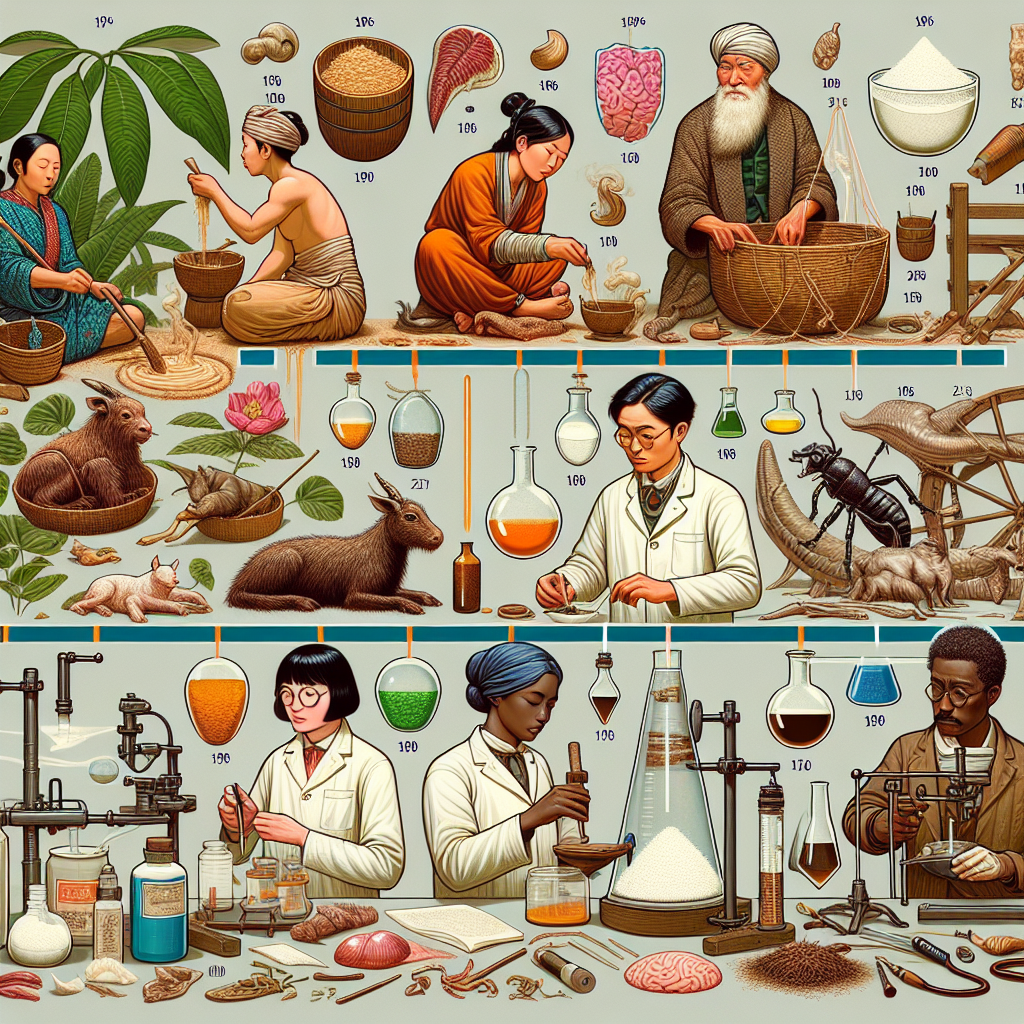
The polymer industry has undergone significant transformation from its inception, driven by innovation and economic demand. Over decades, polymers have revolutionized various sectors, including automotive, construction, electronics, and packaging. However, the rise of environmental consciousness and the pressing need for sustainability have ushered in a new era for polymers—sustainable polymers. These environmentally-friendly materials aim to mitigate the adverse impacts of traditional polymers on the environment, thereby propelling the industry towards greener solutions.
Unlike conventional polymers, which predominantly depend on non-renewable resources such as petroleum, sustainable polymers are derived from renewable resources. The focus is also on the end-of-life phase of these materials, ensuring that they are either biodegradable or recyclable. The transition to sustainable polymers is not only a response to global ecological concerns but also a strategic move towards compliance with rigorous environmental regulations. This evolution heralds an era where market trends are shaped not merely by technological advancement but by the imperative for environmental stewardship.
In this article, we will delve into the polymer industry’s market trends and forecasts, emphasizing the burgeoning rise of sustainable polymers. We shall explore the driving forces behind this shift, analyze current market trends, and prognosticate future developments. This comprehensive overview aims to furnish both industry stakeholders and environmentally-conscious consumers with a profound understanding of the polymer landscape amid the inexorable push towards sustainability.
Market Drivers and Dynamics
The surge in sustainable polymers is driven by multiple factors, including consumer demand for eco-friendly products, stringent government regulations, and the overall societal shift towards sustainability. The consumer base has evolved, showing a clear preference for products that have a lesser environmental footprint. This has compelled manufacturers to innovate and embrace sustainable alternatives to traditional polymers.
Government regulations play a pivotal role in this shift. Policies such as banning single-use plastics and imposing carbon tax incentives for sustainable manufacturing encourage companies to adopt greener practices. The European Union’s Single-Use Plastics Directive and China’s stringent plastic waste management regulations are prominent examples of legislative push towards sustainable polymers.
Moreover, technological advancements have significantly contributed to the feasibility and scalability of sustainable polymers. Innovations in biopolymer synthesis and recycling technologies have made it economically viable to produce sustainable polymers at scale. These advancements have not only reduced production costs but also enhanced the performance characteristics of sustainable polymers, making them comparable or even superior to conventional polymers.
Ultimately, the dynamics of the polymer market are inextricably linked to global sustainability trends. As more corporations commit to carbon-neutral goals and as the circular economy model gains traction, the polymer industry is poised for a profound transformation. This shift is not just a trend but a necessary evolution towards a more sustainable and resilient future.

Current Market Trends
The current polymer market reflects a robust shift towards sustainability, with several trends underscoring this movement. One significant trend is the increasing investment in bioplastics. Bioplastics, derived from renewable sources such as corn starch, sugarcane, and cellulose, are gaining prominence owing to their biodegradability and reduced dependency on fossil fuels.
Additionally, there is a rising trend towards the development and use of recycled polymers. The recycling of plastic waste into reusable polymer products is not merely an environmental initiative but also an economically beneficial practice. Companies are investing in advanced recycling technologies like chemical recycling, which breaks down plastic waste into its monomers to produce high-quality recycled polymers.
Another notable trend is the rising application of sustainable polymers in various industries. For instance, the automotive industry is increasingly adopting biopolymers for manufacturing lightweight and fuel-efficient vehicles. Similarly, the packaging industry is leveraging sustainable polymers to develop eco-friendly packaging solutions, reducing the environmental impact of plastic packaging waste.
Furthermore, collaborations and partnerships between industry players are fostering innovation in sustainable polymers. Corporations are teaming up with research institutions and startups to accelerate the development of next-generation sustainable polymers. These collaborative efforts are expected to yield groundbreaking products and solutions, propelling the market forward.
Challenges and Opportunities
While the transition to sustainable polymers presents numerous opportunities, it also entails considerable challenges. One of the primary challenges is the high production cost of sustainable polymers compared to conventional polymers. The cost factor is a significant barrier to the widespread adoption of sustainable polymers, particularly for price-sensitive industries.
Another challenge is the limited availability of raw materials for biopolymers. The dependency on agricultural commodities such as corn and sugarcane for biopolymer production raises concerns about the sustainability of these resources and the potential impact on food supply chains.
Despite these challenges, the opportunities in the sustainable polymer market are immense. The growing consumer preference for eco-friendly products presents a vast market potential. Companies that proactively embrace sustainable polymer production are likely to gain a competitive edge and build stronger brand loyalty among environmentally-conscious consumers.
Furthermore, technological advancements present significant opportunities for addressing the existing challenges. Innovations in alternative feedstocks for biopolymer production, such as algae and waste materials, could alleviate raw material constraints. Similarly, breakthroughs in cost-efficient production processes and scaling up sustainable polymer manufacturing could mitigate the cost challenge.
Future Outlook and Forecasts
The future of the polymer industry is undeniably intertwined with sustainability. As the demand for sustainable solutions amplifies, the market for sustainable polymers is expected to witness substantial growth. According to market research, the global bioplastics market is projected to grow at a compound annual growth rate (CAGR) of over 15% during the forecast period 2021-2026.
The packaging industry is foreseen to remain the largest consumer of sustainable polymers, followed by the automotive and consumer goods industries. The increasing adoption of sustainable packaging solutions by major brands and retailers is a key driver of this growth. The automotive industry’s shift towards electric vehicles, necessitating lightweight materials, will further boost the demand for sustainable polymers.
Emerging markets, particularly in Asia-Pacific, are anticipated to play a crucial role in the growth trajectory of sustainable polymers. The stringent environmental regulations in countries like China and India, coupled with the rising awareness about environmental sustainability, are expected to drive the market in this region.
Additionally, the ongoing advancements in recycling technologies and biopolymer production methods are expected to create new growth avenues for the sustainable polymer market. The development of innovative and high-performance sustainable polymers will enable their penetration into new applications and industries, thereby broadening market prospects.
Conclusion
In conclusion, the rise of sustainable polymers marks a transformative phase in the polymer industry. The shift towards sustainability is not merely a trend but a vital evolution necessitated by global ecological challenges and regulatory demands. The drivers of this shift include increased consumer demand for eco-friendly products, stringent government regulations, and significant technological advancements.
The current market trends indicate a robust movement towards bioplastics, recycled polymers, and the integration of sustainable polymers across various industries. Despite the challenges such as high production costs and raw material constraints, the opportunities in the sustainable polymer market are substantial. Companies that embrace sustainable practices will likely gain competitive advantages and cater to the growing consumer base that values environmental stewardship.
The future outlook for the sustainable polymer market is promising, with significant growth expected in the coming years. The packaging industry is envisioned to lead the consumption of sustainable polymers, followed by the automotive and consumer goods sectors. Emerging markets and ongoing technological advancements will further propel the market forward, unlocking new growth opportunities.
As we move towards a more sustainable and resilient future, the polymer industry’s evolution towards sustainability will play a crucial role. Stakeholders at every level, from manufacturers and regulators to consumers, must collaborate to drive this transformation and ensure a sustainable future for the planet. As evidenced, the rise of sustainable polymers is more than a trend; it is an imperative path forward.