Acrylonitrile Butadiene Styrene, most commonly known by its acronym ABS, is a thermoplastic polymer that has become an integral component in a multitude of consumer goods. Originally developed in the 1940s and industrialized in the 1950s, ABS combines the resilience and flexibility of rubber with the strength and rigidity of plastics. This unique property blend has brought ABS into the spotlight across various industries, making it a favorite for manufacturers looking for a reliable yet versatile material.
ABS is an amorphous polymer, meaning it does not have a crystalline structure. It is made by polymerizing the three monomers acrylonitrile, butadiene, and styrene in varying proportions. The balance of these monomers determines the properties of the final ABS product. For example, increasing the ratio of butadiene to the other monomers enhances the toughness and impact resistance of ABS, whereas higher acrylonitrile content improves the chemical resistance of the material.
Due to its ease of processing and excellent mechanical properties, ABS is found in an array of consumer products. From everyday household items like kitchen appliances and toys to more specialized applications such as in automotive parts and electronics, the versatility of ABS is undeniable. This article explores the significant role ABS plays in consumer goods, highlighting its key properties, benefits, and various applications.
Properties of ABS
Understanding the properties of ABS is crucial to appreciating why it is so extensively used. First and foremost, ABS boasts excellent impact resistance. This means that it can withstand significant stress and force without cracking or breaking, making it ideal for products that require durability and long-term reliability, such as car bumpers and protective gear.
Another significant property of ABS is its excellent machinability. It can be easily cut, molded, and finished, making it a favorite among manufacturers for creating intricate designs and detailed products. This workability extends to being extruded into sheets, filaments, or pipes, providing multiple fabrication options.
In terms of thermal properties, ABS is known for its decent thermal stability. While it may not withstand extremely high temperatures, it performs well under reasonable conditions, such as those encountered in everyday use. It also displays good dimensional stability, meaning that products made from ABS maintain their size and shape over time, experiencing minimal warping or shrinkage.
Lastly, ABS offers excellent electrical insulating properties, making it particularly useful in electronic enclosures and housings for electrical devices. Furthermore, it exhibits good chemical resistance, particularly against acids, alkalis, and certain oils and fats.
Benefits of ABS in Consumer Goods
The advantages of ABS translate directly into its benefits when used in consumer goods. One of the foremost benefits is its cost-effectiveness. ABS is relatively inexpensive compared to other engineering plastics, making it an economical choice for mass-produced items. This budget-friendliness does not come at the expense of quality, as ABS still provides exceptional durability and aesthetic appeal.
The aesthetic qualities of ABS also cannot be overlooked. ABS can be easily colored and finished, whether through pigmentation during the manufacturing process or through post-production painting and plating. This versatility in appearance makes it suitable for consumer-facing products where visual appeal is crucial. For instance, many kitchen appliances, toys, and cosmetic packaging rely on ABS for both its functional and aesthetic properties.
ABS also promotes sustainability through its recyclability. Products made from ABS can be ground down and reprocessed into new items, reducing waste and promoting a circular economy. This aspect is increasingly important as both manufacturers and consumers grow more environmentally conscious.
Moreover, the robust strength and impact resistance of ABS extend the lifecycle of products, reducing the need for frequent replacements. This durability contributes to reduced consumption and waste, aligning with sustainable practices.

Applications of ABS: Automotive Industry
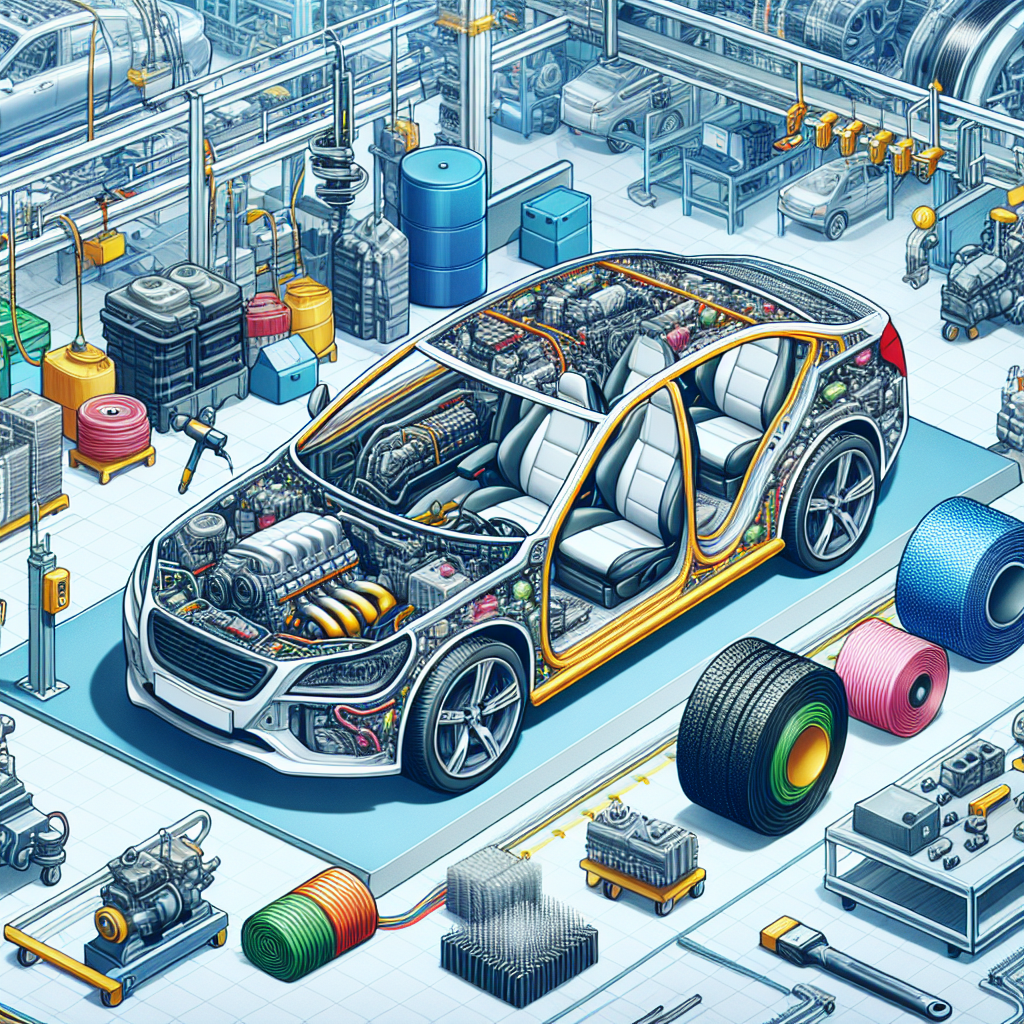
In the automotive industry, ABS is a cornerstone material thanks to its robust mechanical properties and versatility. From interior components like dashboard panels and door handles to exterior parts like mirrors and bumpers, ABS finds extensive use. Its impact resistance ensures that these parts can withstand collisions and mechanical stress, providing safety and longevity.
ABS’s ease of molding facilitates the creation of complex shapes and designs essential for modern automotive aesthetics and functionality. Instrument panels, console elements, and trim parts benefit from ABS’s capability to be precisely manufactured, allowing for intricate detailing and consistent quality.
Moreover, ABS is lightweight, contributing to overall vehicle weight reduction, which in turn positively impacts fuel efficiency. While ABS itself is not the primary driver of weight reduction, its use in composite materials and components assists in achieving the goal of lighter, more fuel-efficient vehicles.
The ability to produce ABS in various finishes and textures also means that it can meet the diverse aesthetic demands of car manufacturers, combining function with style. For example, achieving a high-gloss finish on interior trim pieces or creating rugged, textured exteriors for off-road vehicles is feasible with ABS.
Applications of ABS: Electronics Industry
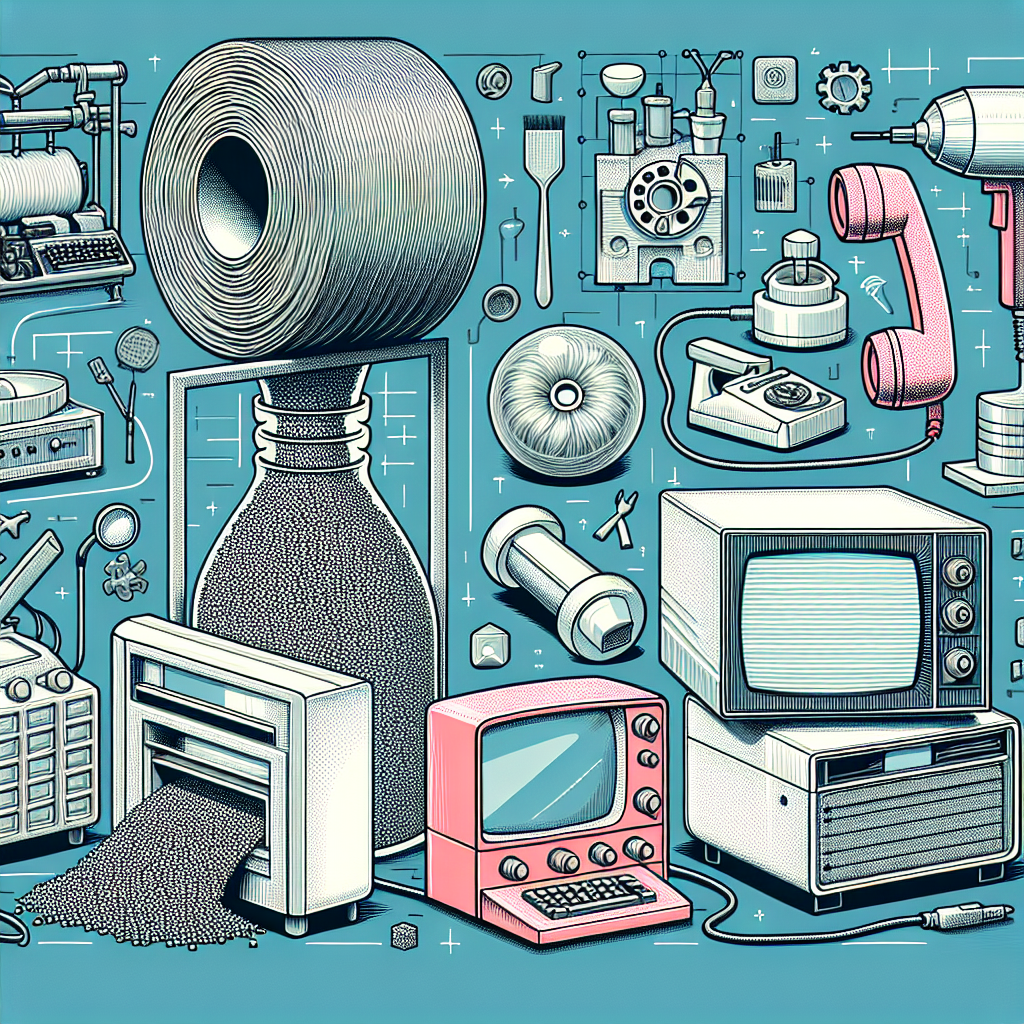
In the realm of electronics, ABS is equally significant. Its excellent electrical insulating properties make it an ideal candidate for producing housings and casings for various electronic devices. From computer keyboards and mouse devices to television enclosures and mobile phone cases, ABS provides the perfect blend of protection and aesthetic appeal.
ABS’s thermal stability also plays a crucial role in electronic applications. Devices often generate heat during operation, and ABS’s ability to maintain structural integrity at elevated temperatures ensures the longevity and safety of these products. Additionally, ABS’s good dimensional stability means that the casings remain consistent over time, providing a snug fit for electronic components and minimizing the possibility of damage due to misalignment or movement.
ABS’s ease of customization is another factor that makes it popular in electronics. Branding and user interface elements can be seamlessly integrated, adding to the consumer appeal. Logos, symbols, and other functional inscriptions can be easily incorporated into the design, enhancing both functionality and brand identity.
Furthermore, ABS’s robustness provides excellent drop resistance, vital for portable electronic devices which are susceptible to falls and impacts. Consequently, manufacturers of rugged electronics, such as outdoor gear and protective casing for tools, lean heavily on ABS for its reliable performance.
Applications of ABS: Household Goods
The household goods sector extensively features ABS due to its durability, aesthetic appeal, and cost-effectiveness. From kitchen appliances and vacuum cleaners to power tools and furniture components, ABS stands out as a preferred material.
In kitchen appliances, ABS offers an ideal combination of strength and heat resistance. Items like coffee makers, mixers, and refrigerator linings benefit from these properties, ensuring they withstand daily wear and tear while handling the fluctuating temperatures typical in kitchen environments. Its smooth surface allows for easy cleaning, crucial in maintaining hygiene.
For cleaning appliances like vacuum cleaners and high-performance home cleaning tools, ABS’s impact resistance and strength make it suitable to withstand the rigors of frequent use and occasional rough handling. Similarly, in furniture components such as handles, knobs, and support structures, ABS’s balance of rigidity and aesthetics delivers durable and visually appealing products.
The versatility of ABS also allows for innovative designs and features in household goods. Its ease of molding means complex spatial structures and ergonomic designs can be achieved, improving user experience and functionality. Custom colors and finishes give designers the freedom to match modern or traditional aesthetics seamlessly.
Moreover, the cost-effectiveness of ABS means household goods can be produced at a lower cost without compromising quality, benefiting both manufacturers and consumers. Temporary seasonal products, like holiday decor or children’s toys, utilize ABS for its balance of performance and price, allowing high-quality items to be accessible to a broader audience.
Conclusion
Acrylonitrile Butadiene Styrene (ABS) plays an integral role in a vast array of consumer goods, thanks to its exceptional combination of properties. Whether it’s the impact resistance critical for automotive parts, the electrical insulative properties essential for electronics, or the durability and aesthetic versatility required in household goods, ABS demonstrates its usefulness across various sectors.
In today’s market, where quality, cost-effectiveness, and sustainability are key considerations, ABS continues to stand out. Its ability to be recycled aligns with the growing environmental consciousness among manufacturers and consumers, promoting sustainability. Furthermore, ABS’s adaptability allows it to evolve with technological advances, continually meeting the ever-changing demands of the consumer goods market.
It’s apparent that as industries advance and consumer expectations rise, the reliance on ABS will only strengthen. From creating durable and lightweight automotive parts to designing sleek and reliable electronic devices, ABS’s influence on modern consumer goods is profound. The polymer industry, thus, continues to innovate, ensuring that materials like ABS not only meet current needs but are also prepared for future challenges.
In summary, Acrylonitrile Butadiene Styrene (ABS) remains a pivotal material in consumer goods production, offering a reliable, versatile, and sustainable solution. Its wide-ranging applications underscore its importance and solidify its role as a foundational component in the continued development and innovation of consumer goods.