The automotive industry has been a significant driver of technological innovation and materials science for over a century. One of the key material advancements that have revolutionized car manufacturing is the extensive use of polymers. Polymers, ranging from thermoplastics to thermosetting polymers, have become integral components of vehicles, contributing to both functionality and aesthetics. In recent years, thermosetting polymers, in particular, have garnered significant attention and utilization due to their unique properties and advantages.
Thermosetting polymers are a type of polymer that undergoes a chemical reaction to form a rigid, irreversible structure when subjected to heat. Unlike thermoplastics that can be repeatedly melted and reshaped, thermosetting polymers harden permanently and do not soften upon reheating. This distinct behavior provides them with exceptional thermal stability, mechanical strength, and chemical resistance, making them ideal for high-performance applications. However, the complexity of these materials goes beyond their basic properties. Understanding the nuances of thermosetting polymers and how they fit into automotive applications demands a closer look.
The evolution of automotive engineering constantly seeks materials that provide a balance of strength, lightweight properties, and cost-effectiveness. As the industry shifts towards more energy-efficient and environmentally friendly vehicles, the role of thermosetting polymers becomes even more pronounced. These materials contribute not only to the structural integrity and safety of cars but also to reducing overall vehicle weight, which in turn improves fuel efficiency and reduces emissions. The adoption of thermosetting polymers in the automotive world is far from a simple substitution of materials; it represents a strategic alignment with the future goals of the industry.
Advantages and Properties of Thermosetting Polymers
Thermosetting polymers exhibit several advantageous properties that make them immensely valuable in automotive applications. One of their primary benefits is their substantial thermal stability. Once cured, these polymers can withstand elevated temperatures without deforming or degrading, which is crucial for components exposed to high heat within a vehicle’s engine compartment or braking systems. This property ensures that parts made from thermosetting polymers maintain their integrity and performance even under extreme conditions.
Another standout property of thermosetting polymers is their exceptional mechanical strength. These materials possess high tensile strength, flexural strength, and impact resistance, making them suitable for critical structural applications. For instance, components such as composite body panels, chassis, and suspension systems can be fabricated using thermosetting polymers, offering a combination of lightweight design and robust performance. This significantly contributes to the overall safety and durability of modern automobiles.
Chemically, thermosetting polymers are highly resistant to solvents, chemicals, and moisture. This resistance is particularly beneficial in automotive environments, where exposure to corrosive fluids, fuels, and road de-icing agents is common. Through this chemical robustness, thermosetting polymers help extend the lifespan of automotive components, reducing the frequency of replacements and maintenance. Additionally, these polymers possess excellent electrical insulating properties, making them suitable for various electronic and electrical applications within vehicles.
Applications of Thermosetting Polymers in Automotive Components
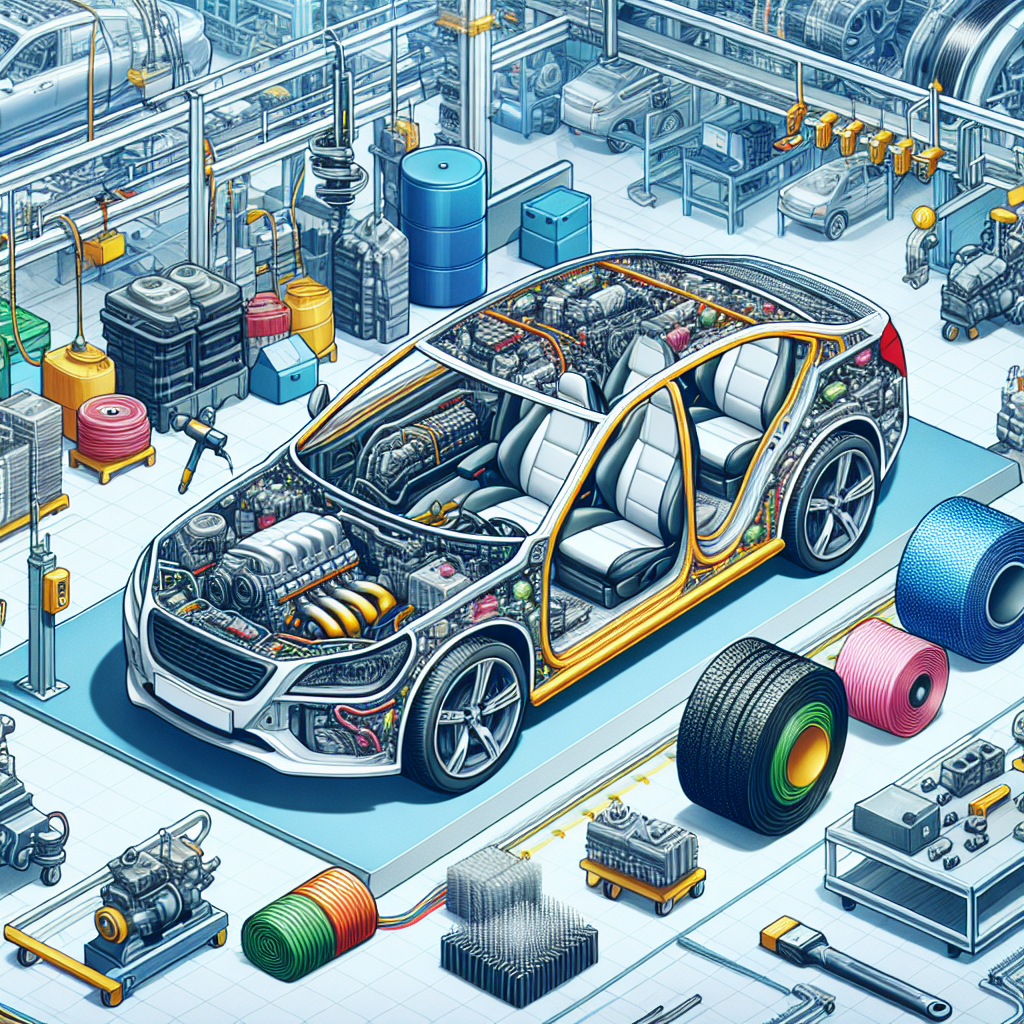
Thermosetting polymers have found a myriad of applications within the automotive industry, strategically enhancing performance, efficiency, and safety. One significant use of thermosetting polymers is in the production of composite materials. Composite materials combine a polymer matrix with reinforcing fibers such as carbon, glass, or aramid to create components with superior mechanical properties. These composites are used in manufacturing lightweight yet strong body panels, roofs, and hoods, effectively reducing the overall weight of the vehicle and consequently improving fuel efficiency and handling.
Another critical application is in the development of electrical components and housings. Given their excellent electrical insulating properties, thermosetting polymers are ideal for creating circuit boards, connectors, and housings for various electronic modules. With the increasing integration of advanced electronics in modern vehicles, including infotainment systems, navigation units, and driver-assistance technologies, the reliability and durability of electrical components are paramount. Thermosetting polymers meet these stringent requirements, contributing to the seamless operation of vehicle electronics.
Moreover, thermosetting resins are used extensively in the production of adhesives and sealants within the automotive industry. These adhesives offer superior bonding strength and durability, ensuring that various parts, from interior fixtures to exterior panels, remain securely affixed under a range of operating conditions. Sealants made from thermosetting polymers provide excellent protection against moisture, dust, and chemicals, preserving the integrity of the vehicle over time.
Innovations and Future Prospects
The realm of thermosetting polymers is continuously evolving, with innovations centered around improving their properties and expanding their applications. Researchers and material scientists are exploring ways to enhance the toughness, flexibility, and processability of thermosetting polymers. Innovations in curing techniques, such as ultraviolet (UV) curing and electron beam curing, promise faster production times and greater energy efficiency, addressing some of the traditional limitations of these materials.
Nanotechnology is also playing a crucial role in advancing thermosetting polymers. By incorporating nanoparticles into the polymer matrix, it’s possible to achieve significant enhancements in mechanical strength, thermal conductivity, and barrier properties. These advancements open new avenues for using thermosetting polymers in even more demanding automotive applications, such as high-performance racing vehicles and next-generation electric cars.
Sustainability is another critical area of interest. The automotive industry is under immense pressure to reduce its environmental impact, and thermosetting polymers can contribute to this goal through the development of bio-based resins. Researchers are working on creating thermosetting polymers derived from renewable resources, which can offer similar performance benefits while reducing reliance on fossil fuels. The potential for recycling and reusing thermosetting polymers is also being explored, which, if achieved, could revolutionize the lifecycle management of automotive materials.
Challenges and Considerations
Despite the numerous advantages and innovations associated with thermosetting polymers, there are challenges and considerations that must be acknowledged. One of the primary challenges is the difficulty in recycling thermosetting polymers due to their irreversible curing process. Unlike thermoplastics, which can be easily melted and remolded, thermosetting polymers cannot be reshaped once set. This poses a significant hurdle in end-of-life management of automotive components made from these materials.
Manufacturing considerations also play a pivotal role. The curing process of thermosetting polymers often requires precise control of temperature and pressure, along with adequate curing time to achieve the desired properties. This can lead to longer production cycles and potentially higher manufacturing costs compared to thermoplastics. Automakers need to balance these factors against the benefits provided by these materials to ensure cost-effectiveness and production efficiency.
Additionally, environmental concerns regarding the production of traditional thermosetting polymers must be addressed. The use of certain chemicals and curing agents can have an environmental impact, necessitating the development of greener alternatives. Regulatory compliance and adherence to environmental standards are critical, requiring ongoing research and development to minimize the ecological footprint of these materials.
Conclusion
Thermosetting polymers represent a cornerstone of materials science that greatly benefits the automotive industry, offering remarkable properties such as thermal stability, mechanical strength, and chemical resistance. Their integration into various automotive components, from structural parts to electrical housings, underscores their vital role in modern vehicle design and performance.
The advancements in thermosetting polymer technology, driven by innovations in curing methods, nanotechnology, and sustainability efforts, hint at an exciting future where these materials will feature even more prominently. Their use will likely expand into newer, more complex applications, creating high-performance, lightweight, and energy-efficient vehicles tailored to the evolving demands of the automotive industry.
Despite the challenges associated with recycling and manufacturing, the benefits offered by thermosetting polymers justify their integration into automotive design. By addressing these challenges through continued research and development, the automotive industry can leverage the advantages of thermosetting polymers while also fulfilling environmental and economic considerations.
Conclusively, the use of thermosetting polymers in automotive applications is an essential development that aligns with the industry’s push towards innovation, performance, and sustainability. These materials not only meet the immediate requirements of modern vehicles but also pave the way for future advancements that will shape the cars of tomorrow.
Frequently Asked Questions
1. What are thermosetting polymers, and how are they used in the automotive industry?
Thermosetting polymers are a type of polymer that become rigid and set in a permanent shape when they are heated and cured. Unlike thermoplastics, which can be melted and reshaped multiple times, thermosetting polymers, once set, cannot be re-melted. This characteristic makes them incredibly stable and durable, which is highly beneficial for automotive applications. In the automotive industry, thermosetting polymers are used for components that require high strength, heat resistance, and durability, such as engine parts, body panels, and other structural components. Their ability to withstand high temperatures and harsh environments without deforming or breaking down plays a crucial role in enhancing vehicle performance and safety.
2. Why are thermosetting polymers preferred over other types of materials in certain automotive parts?
Thermosetting polymers are preferred in some automotive applications due to their distinct properties that suit the rigorous demands of automotive environments. They offer superior thermal stability, which means they maintain their structural integrity even under high heat, making them ideal for parts exposed to engine heat and other thermal stresses. Additionally, they have excellent chemical resistance, so they can withstand exposure to fuels, oils, and other automotive fluids without degrading. Furthermore, thermosetting polymers provide a high strength-to-weight ratio, essential for reducing vehicle weight while maintaining structural integrity, contributing to better fuel efficiency and performance. Their durability, resistance to deformation, and excellent mechanical properties make them indispensable in the manufacturing of critical automotive components.
3. What are some specific examples of automotive components made from thermosetting polymers?
Several automotive components utilize thermosetting polymers owing to their advantageous properties. For instance, epoxy resins are commonly used in the manufacturing of composite materials for automotive applications, such as body panels, bumper systems, and under-the-hood components. Phenolic resins are used in brake pads, friction materials, and clutch discs due to their heat resistance and durability. Melamine-based thermosets can be found in fuel cell components and certain interior panels. Polyurethane thermosets are often used in suspension bushings and insulations due to their elasticity and strength. These polymers not only help in achieving the desired structural features and component resilience but also enhance the aesthetics and longevity of the automotive parts.
4. How do thermosetting polymers contribute to the environmental goals of the automotive industry?
Thermosetting polymers contribute to environmental goals by supporting the production of lighter vehicles, which can lead to improved fuel efficiency and reduced emissions. Their high strength-to-weight ratio enables automakers to design components that are not only lighter but also uphold safety and performance standards, reducing the overall carbon footprint of vehicles. Furthermore, the durability of thermosetting polymers means that parts typically have longer lifespans, which can lead to less frequent replacements and, thus, less waste. The automotive industry is also exploring the development of bio-based thermosets to further reduce reliance on fossil fuels and reduce environmental impacts, aligning with global efforts to enhance sustainability in manufacturing processes.
5. What are the challenges associated with using thermosetting polymers in automotive applications?
Despite their advantageous properties, there are several challenges in using thermosetting polymers in automotive applications. One major challenge is the difficulty and cost associated with recycling. Due to their strong cross-linked structure, thermosetting polymers cannot be remelted and reformed like thermoplastics, making recycling more complex and costly. Manufacturers are actively researching ways to improve recyclability, such as through chemical recycling methods that break down polymers into their constituent monomers. Another issue is the processing time; curing thermosetting polymers typically takes longer than processing thermoplastics, which can impact production efficiency. Additionally, certain thermosets might require specific storage and processing conditions to maintain stability before curing, adding to logistical considerations. Despite these challenges, ongoing research and technological advancements continue to improve the viability and benefits of thermosetting polymers in automotive production.