In an era marked by growing environmental awareness and an increasing demand for sustainable products, the focus on biopolymers in consumer goods is a vital conversation. The advent of biopolymers represents a significant shift from traditional synthetic polymers derived from petroleum, which have long dominated the production of consumer goods. Biopolymers offer a promising alternative due to their potential to reduce environmental impact, conserve non-renewable resources, and embrace a circular economy approach. As this topic gains momentum, it is crucial to delve into the significance of biopolymers, understanding their composition, advantages, and the transformative role they play in consumer goods.
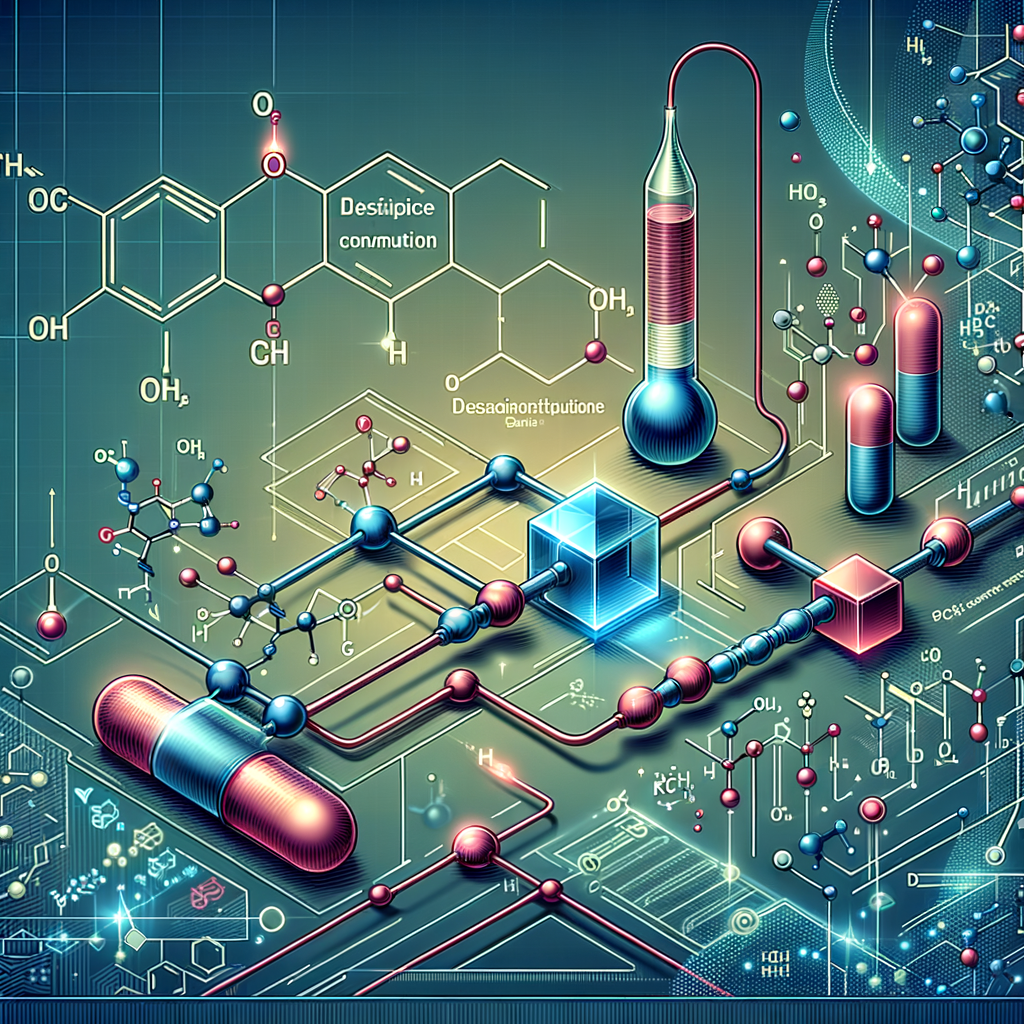
First, it’s essential to recognize what biopolymers are. Essentially, biopolymers are natural polymers produced by the cells of living organisms; they include proteins, carbohydrates like starch and cellulose, and even DNA. More importantly, for commercial purposes, biopolymers used in products are often derived from renewable sources such as plants, animals, or microorganisms. The types predominantly used in the industry include polylactic acid (PLA), polyhydroxyalkanoates (PHA), and starch blends, each offering unique properties suited to various applications.
The interest in biopolymers surged as awareness of the environmental drawbacks of conventional plastics grew. Traditional plastics such as polyethylene and polypropylene, due to their durability and cost-effectiveness, became ubiquitous; however, they also contribute to massive environmental issues due to their longevity and non-biodegradability. The pressing environmental concerns over plastic pollution have accelerated the exploration and development of alternative materials like biopolymers that could mitigate some of these issues.
Moreover, the use of biopolymers resonates with the increasing consumer demand for products that are both environmentally friendly and efficient. In consumer goods, the desire for sustainable, ethically produced, and easily recyclable products is driving manufacturers to explore innovative materials. The integration of biopolymers into consumer products thus serves as a direct response to these evolving market needs, reinforcing a commitment to sustainability while not compromising on performance or quality. This introduction to the concept of biopolymers sets the stage for a more detailed exploration of their applications, benefits, and the challenges they present in the modernization of consumer goods.
The Composition and Types of Biopolymers
At the heart of understanding biopolymers in consumer goods is a comprehension of their distinct compositions and the various types available. Biopolymers can broadly be classified into three categories based on their origin: those extracted from biomass, those produced by chemical synthesis from bio-derived monomers, and those synthesized directly by living organisms. Each type offers different properties that make them suitable for specific applications in consumer goods.
Biopolymers extracted from biomass include, most notably, starch-based biopolymers, which are utilized for packaging and disposable items due to their natural biodegradability. Starch is abundant and relatively inexpensive, making it an attractive raw material. Similarly, cellulose, another widespread natural polymer, is used in making paper and textiles and is being engineered for use in biodegradable nano-materials. These materials serve as a substitute for plastic, especially in applications where biodegradability is essential.
Chemically synthesized biopolymers such as polylactic acid (PLA) offer mechanical properties similar to traditional petroleum-based plastics. PLA is derived from renewable resources like corn or sugarcane through a fermentation process, making it an excellent candidate for products such as disposable cutlery, packaging films, and biocompatible medical devices. Its thermoplastic nature allows it to be processed using methods already established for conventional plastics, easing the transition for manufacturers.
Then, polyhydroxyalkanoates (PHA) present another fantastic category as they are naturally produced by bacterial fermentation processes. These biopolymers are completely biodegradable and are often used in agricultural films and myriad disposable items. The ability of PHAs to replace classic plastic applications in agriculture, in particular, underscores their versatility and potential impact.
Applications in Consumer Goods
Biopolymers have permeated a vast array of consumer goods, transforming industries traditionally dependent on non-renewable, non-biodegradable materials. In packaging, biopolymers are increasingly used to manufacture bags and flexible films. Companies seek these options to not only fulfill eco-friendly mandates but also address consumer expectations for reduction in plastic usage. For instance, supermarkets globally are adopting PLA-based bags as substitutes for plastic, thereby appealing to eco-conscious shoppers while minimizing environmental footprints.
Another significant area is in the production of single-use disposable items such as cutlery, plates, and cups. With growing resistance against single-use plastics, especially in catering and fast-food industries, biopolymers offer an eco-friendly alternative. PLA and PHA are predominantly sought after for their full biodegradability without leaving harmful residues, aligning with both regulatory demands and consumer desires for more sustainable lifestyles.
In the realm of electronics, biopolymers contribute to sustainable innovation. As electronic consumer goods producers face mounting pressures to improve the sustainability of their products, biopolymers are being incorporated in casings and other components. This use not only promotes waste recycling after the product lifecycle ends but also fits with broader circular economy initiatives. PLA, for example, has found use in phone cases and other accessories, demonstrating that sustainability need not come at the cost of style or functionality.
Additionally, the textile industry is seeing a burgeoning interest in biopolymer applications. Biopolymers can be synthesized into fibers for fabrics that are biodegradable and can be recycled, offering an alternative to synthetics which contribute to microplastic pollution. Fabrics fashioned from biopolymers like PLA are being marketed as environmentally friendly clothing choices, appealing to consumers eager to lessen their environmental impact.
Advantages of Using Biopolymers
The advantages of utilizing biopolymers within consumer goods are manifold and compelling. Firstly, their renewable origin curtails reliance on fluctuating petroleum markets, offering a more stable production prospect in the long run. Resources like corn, potato, and sugarcane can be regrown annually, ensuring a continuous supply chain that is less vulnerable to geopolitical instabilities affecting oil supplies.
Another prominent advantage is the reduction in greenhouse gas emissions. The lifecycle of biopolymers tends to exhibit lower overall carbon emissions compared to conventional plastics. During growth, plants absorb carbon dioxide, which compensates, at least in part, for emissions generated during processing, leading to a smaller carbon footprint over their life cycle.
The biodegradability of many biopolymers is perhaps their most celebrated feature. Unlike conventional plastics that persist in environments for centuries, biopolymers break down in relatively short timescales under appropriate conditions. This property helps reduce the accumulation of plastics in ecosystems, diminishing their adverse effects on wildlife and habitats.
Furthermore, as regulations tighten around plastic use—especially regarding single-use products—biopolymers present businesses with an opportunity to innovate within compliance, ensuring that they remain competitive and attractive to modern, environmentally conscious consumers. Proactively adopting biopolymers not only curtails potential penalties but also bolsters corporate social responsibility narratives, enhancing brand images.
Challenges and Future Prospects
Despite their strengths, the transition to biopolymers comes with challenges that need addressing to broaden their adoption in consumer goods. Cost remains a substantial hurdle. Biopolymer production involves processes that are currently more expensive than those for petroleum-based polymers, deterring companies from making the switch, especially in non-premium product segments.
The performance limitations of some biopolymers also present obstacles. While suitable for numerous applications, certain biopolymers don’t yet match the mechanical strengths or thermal resistances of their synthetic counterparts, which can limit their applicability. This serves as a reminder that continuous research and development are essential to enhance these properties, ensuring that product efficacy is not sacrificed for sustainability.
Moreover, the infrastructure necessary for the disposal and processing of biopolymers is still developing. Effective industrial composting facilities are essential for ensuring biopolymers contribute to waste reduction, and further investment and policy support are vital to achieve these large-scale infrastructures.
Nevertheless, the future prospects for biopolymers appear promising. The clear trend towards sustainable practices in consumer goods industries, combined with advancements in biopolymer technology, indicates an upward trajectory. As more companies engage in research and development, costs are expected to decrease, and performance attributes are anticipated to improve, broadening the scope of biopolymer applications.
Conclusion
The transformation of consumer goods with the integration of biopolymers is a crucial step toward a sustainable future. As awareness of environmental issues grows, so too does the commitment to finding solutions that reduce our ecological impact. Biopolymers, with their renewable origins, biodegradability, and potential to decrease greenhouse gas emissions, offer a promising pathway through which industries can address these pressing challenges.
While challenges such as cost, performance limitations, and infrastructural needs exist, overcoming these hurdles is within reach as technology advances and economies of scale improve. Future ideations might include novel biopolymer composites that outperform current options, coupled with more efficient production techniques that make them accessible to a broader range of industries.
For manufacturers of consumer goods, the strategic incorporation of biopolymers not only complements environmental sustainability objectives but also supports corporate social responsibility goals and meets consumer demands for ethical products. Moving forward, the industry stands at the cusp of a significant evolution, where the continuous advancement of biopolymer use will play a pivotal role in shaping a more sustainable planet.
This narrative of progress, bolstered by innovation and commitment, reiterates that the potential embodied in biopolymers is vast, holding the key to reshaping how consumer goods are envisioned and produced in the decades to come.