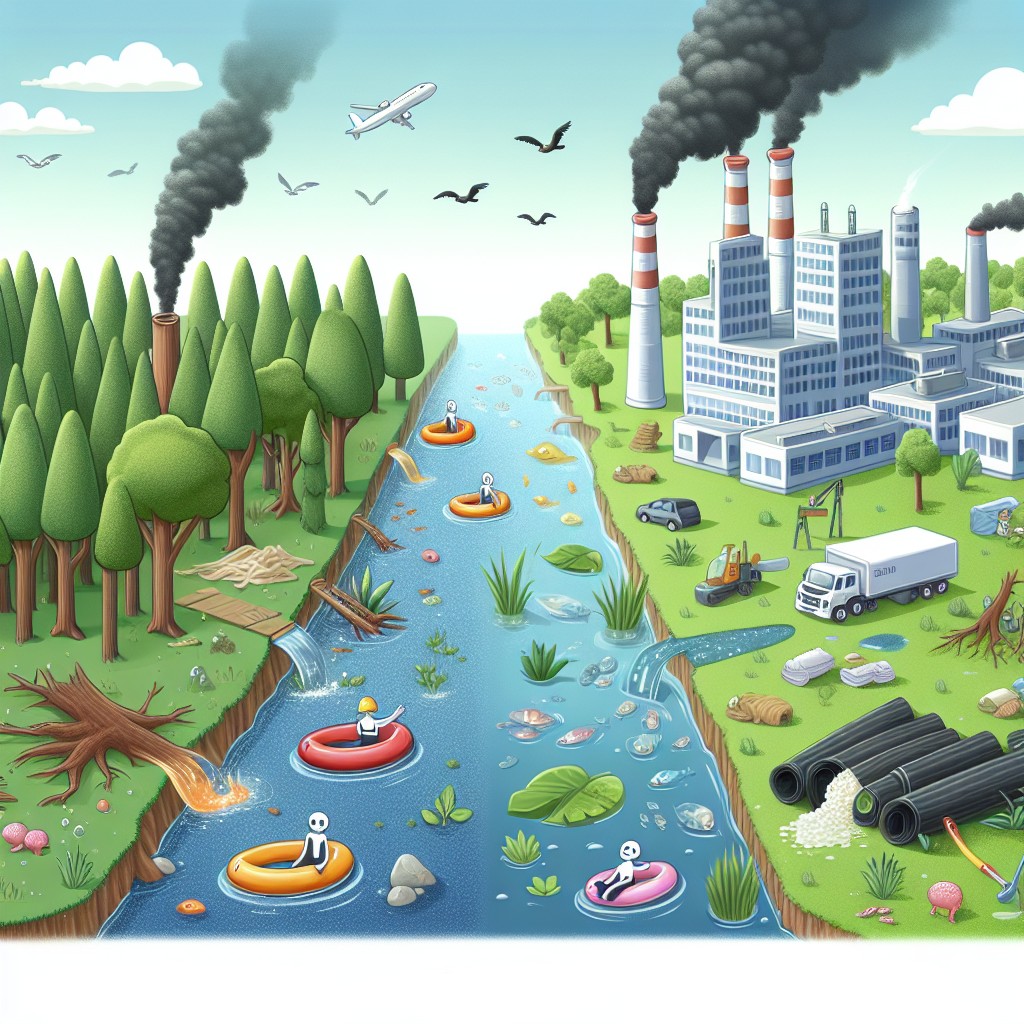
Biopolymers are emerging as a significant innovation in the textile industry, offering an eco-friendly alternative to traditional synthetic polymers. As sustainability and environmental consciousness become increasingly critical in global agendas, the exploration of biopolymers in textile applications is gaining momentum. Biopolymers are derived from renewable biomass sources, such as plants and microorganisms, thus providing an environmentally benign option that can reduce the carbon footprint associated with conventional textile production. This article delves into the various types of biopolymers used in textiles, their properties, the benefits and challenges accompanying their adoption, and their potential future in the industry. By integrating biopolymers, the textile sector strives not only to mitigate the ecological impact but also to enhance product functionality and consumer appeal.
The drive towards utilizing biopolymers has been fueled by increasing awareness of the environmental degradation caused by traditional synthetic fibers. Traditional polymers like polyester and nylon are derived from petrochemicals, contributing significantly to pollution and waste. They often release microplastics into the environment, disrupting ecosystems and entering the food chain. In contrast, biopolymers offer biodegradability and reduced toxicity, aligning with the sustainable development goals championed by many global entities and governments. Their biodegradability ensures that, once disposed of, biopolymer-based products can break down naturally, decreasing landfill contribution and environmental harm. This diminishes the strain on waste management systems and reduces pollution, showcasing an appealing advantage for industries aiming for greener solutions.
Types of Biopolymers in Textile Applications
Biopolymers used in textiles can be classified into several categories, each with distinct properties and uses. The most common types include polysaccharides, proteins, and polyesters.
Polysaccharides like cellulose and chitosan are widely used in textile applications. Cellulose, extracted from plants, is the primary component of cotton and also a critical material in the production of rayon and lyocell. Chitosan, derived from chitin found in crustacean shells, offers antibacterial properties, making it ideal for medical textiles and hygiene products. The versatility of polysaccharides reflects their adaptability across various textile products, from apparel to technical textiles.
Protein-based biopolymers, such as those derived from keratin and collagen, have gained attention for their use in textiles. Keratin, obtained from wool, feathers, and hair, has excellent elasticity and strength and provides moisture retention, suitable for comfort-focused textile products. Collagen, found in animal connective tissues, is increasingly being researched for its applications in wound dressings and regenerative medicine within the textile context. As interest grows in regenerative applications, protein biopolymers are positioned to play a transformational role in biomedical textiles.
Among polyesters, polylactic acid (PLA) is a prominent biopolymer in the textile sector. Synthesized from corn starch or sugarcane, PLA offers biodegradability and numerous textile-friendly properties, such as softness, durability, and excellent moisture management. These characteristics make it a viable option for sportswear, casual apparel, and even disposable hygiene textiles. PLA’s adoption highlights its significance as a mainstream alternative to fossil-fuel-based textiles, encouraging a shift towards more sustainable materials.
Properties and Benefits of Biopolymers
The properties of biopolymers are diverse, encompassing rigidity, flexibility, thermal stability, and moisture management capabilities. These attributes are what enable biopolymers to be integrated across a wide range of textile applications. Additionally, the antibiofouling and antimicrobial properties found in specific biopolymers like chitosan add value for usage in medical textiles, personal protective equipment (PPE), and other health-related applications.
The environmental benefits of biopolymers are a crucial factor driving their adoption. As renewable resources, biopolymers help decrease dependency on finite petroleum-based resources, thus reducing greenhouse gas emissions associated with polymer production. The biodegradability of many biopolymers ensures less environmental contamination caused by textile waste. This is particularly vital given the vast amounts of textile waste generated annually, which contribute significantly to landfill stress. By enhancing biodegradability, biopolymer textiles help lessen environmental burdens and align with global efforts to combat climate change.
Moreover, biopolymers offer unique functionalities that are less attainable with conventional polymers. For example, the customization of textile attributes by using various biopolymers can lead to the development of smart textiles with added functionalities such as temperature regulation, mechanical strength, and even energy storage. These enhancements foster the integration of textile products in high-value areas, such as aerospace, healthcare, and wearable technology, broadening the scope of applications.
Challenges of Biopolymer Integration
Despite the promising benefits, the integration of biopolymers in textile applications faces several challenges. One of the most significant obstacles is cost. Biopolymer production often incurs higher costs compared to synthetic polymer manufacturing, primarily due to limited production scale and crop-derived raw material fluctuations. This cost barrier can deter widespread industrial adoption, particularly in price-sensitive markets.
Additionally, the mechanical properties of biopolymers need further refinement to match the strength and durability offered by conventional polymers. Current biopolymer fibers often require blends or chemical enhancements to achieve comparable performance characteristics, which can complicate the production process and dilute the desired environmental benefits. Research and development are underway to improve these properties and facilitate their broader uptake in demanding textile applications.
Another challenge is ensuring consistent quality and availability of biopolymer materials. Variability in biomass feedstock due to environmental factors can lead to inconsistencies in biopolymer production. Maintaining uniformity in biopolymer quality is essential to ensure that textiles made from these materials meet industry standards and customer expectations. To address this, advancements in biotechnological processes and supply chain management are needed to stabilize production and quality standards.
Future Prospects of Biopolymers in Textiles
The future of biopolymers in textile applications is promising, with ongoing technological advancements and increasing global demand for sustainable products driving innovation. As biotechnology progresses, the ability to engineer biopolymers with tailor-made properties will enhance their attractiveness and applicability in various textile markets. Genetic engineering, for example, can optimize the feedstocks and processes used to produce biopolymers, potentially lowering costs and expanding output.
The rise of bio-based smart textiles presents further opportunities. With consumers increasingly seeking multifunctional and interactive clothing, biopolymers can serve as a platform for innovative products that offer enhanced comfort, health benefits, and environmental responsibility. These developments align with the trend towards personalized and adaptive textiles, catering to individualized needs and preferences.
Moreover, collaborations between governments, research institutions, and industries can accelerate biopolymer advancement and commercialization. Policy incentives and investment in research can facilitate more favorable economic conditions for adopting biopolymer technologies, particularly in developing countries where textiles represent a significant economic sector. Through supportive frameworks, biopolymers can transition from niche to mainstream markets, substantially altering the textile landscape.
Conclusion
In conclusion, the use of biopolymers in textile applications presents a sustainable, versatile solution to some of the pressing challenges faced by the industry. While there are hurdles to address, particularly related to cost and performance, the potential environmental benefits and innovative capabilities of biopolymers make them a vital focus for the future of textiles. Through continued research and cross-sector partnerships, the industry can harness biopolymer technologies to produce textiles that meet the demands of sustainability, economic viability, and consumer preference.
Biopolymers provide the textile industry with a unique opportunity to transition towards more eco-friendly practices while retaining technical performance. As global environmental awareness continues to grow, the relevance of biopolymers is likely to increase, redefining the ways in which textiles are produced and consumed. Looking forward, as technology and society’s environmental values evolve, the integration of biopolymers into the textile industry represents a critical step towards a more sustainable and responsible future.