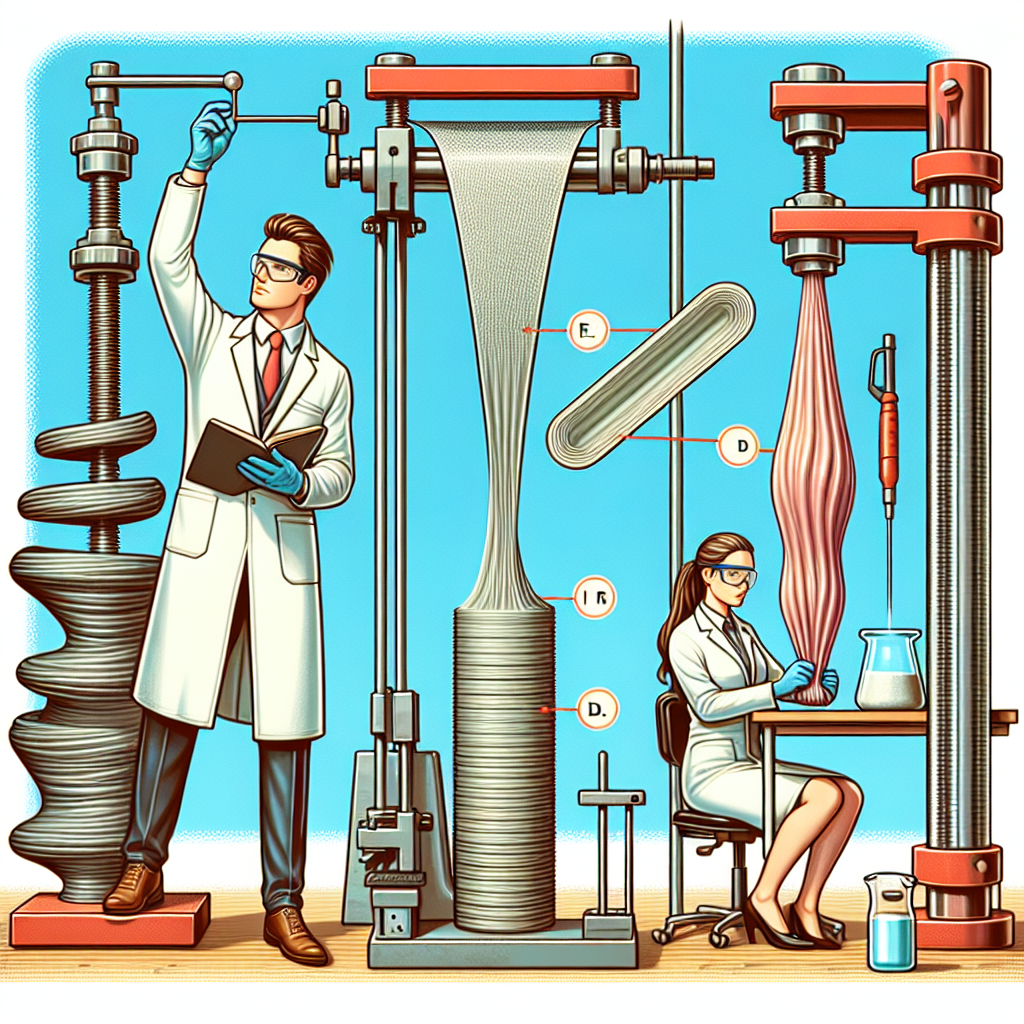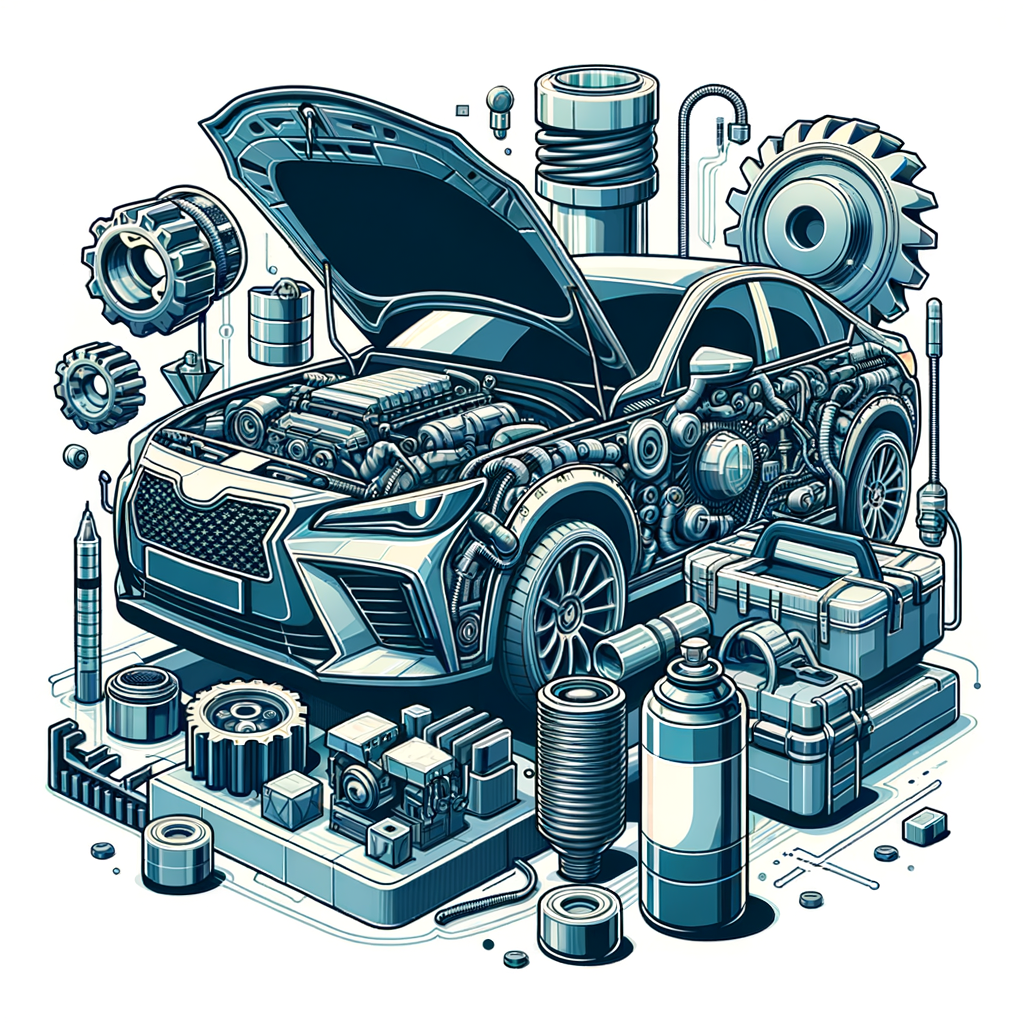
The use of polymer blends in automotive applications has become increasingly significant over the past few decades. This trend is driven by numerous factors, including the need for lightweight materials, enhanced performance, and environmental sustainability. Polymer blends, which result from combining two or more polymers to obtain a material with distinct properties, have revolutionized automobile manufacturing. Their use affords manufacturers the ability to produce vehicles that meet stringent fuel economy standards while offering improved safety and performance. As automotive industries seek innovative solutions to remain competitive in a fast-evolving market, the importance of polymer blends cannot be overstated.
Historically, automobile manufacturing relied heavily on metals such as steel and aluminum for their strength and durability. While metals offer substantial benefits, their weight contributes significantly to the overall weight of a vehicle, thereby impacting fuel efficiency negatively. The quest for lighter yet robust materials led to the adoption of polymers. The capability of polymer blends to be tailored for specific applications made them a viable alternative to traditional automotive materials. They provide a balance between mechanical properties and other vital attributes like heat resistance, impact strength, and chemical resistance, crucial for automotive applications. Furthermore, polymer blends are integral in the pursuit of sustainability, as they can effectively replace more resource-intensive materials.
An understanding of how polymer blends are applied in the automotive industry elucidates their transformative impact on manufacturing and design processes. From weight reduction to cost-effectiveness, polymer blends offer a suite of advantages that align with the automotive industry’s goals of efficiency, performance, and sustainability. As we delve into the specific applications and benefits of polymer blends in the automotive sector, their potential to shape the future of automotive manufacturing becomes increasingly apparent.
Properties and Advantages of Polymer Blends
Polymer blends provide unique attributes that set them apart from pure polymer systems. By blending different polymers, manufacturers can tailor material properties to suit specific requirements, achieving combinations such as high-impact strength, thermal resistance, and enhanced mechanical properties. One significant advantage of polymer blends is their versatility. This means they can be engineered to meet the demanding conditions of various automotive components. The customization potential of polymer blends allows automotive engineers to develop specialized parts that are optimized for specific functions, such as vehicle interiors, exterior panels, and under-the-hood components.
The lightweight nature of polymer blends is crucial to modern automotive designs. Reducing vehicle weight is essential for enhancing fuel efficiency and reducing greenhouse gas emissions. With fuel economy standards becoming increasingly rigorous worldwide, the automotive sector faces mounting pressure to innovate. Polymer blends offer a practical solution, facilitating compliance with these regulations without compromising safety or performance. Moreover, lighter vehicles contribute to improved driving dynamics, making polymer blends an attractive option for engineers seeking to enhance both efficiency and the overall driving experience.
Cost-effectiveness is another key advantage of using polymer blends in automotive applications. The manufacturing processes for polymers can be less energy-intensive compared to metal-forming methods, potentially reducing production costs. Additionally, polymer blends offer excellent design flexibility, allowing for intricate shapes and forms. This design freedom can lead to further cost savings by enabling the consolidation of multiple parts into a single component, reducing assembly time and potential failure points. Consequently, the incorporation of polymer blends supports the creation of aesthetically pleasing designs without incurring excessive costs.
Furthermore, polymer blends’ resistance to corrosion provides a reliable alternative to metals, which are prone to rust and degradation, particularly in climates with high humidity or exposure to road salts. This attribute enhances the longevity and durability of automotive parts, leading to reduced maintenance costs over the lifespan of a vehicle. Additionally, polymer blends demonstrate superior damping properties, contributing to quieter cabin environments. This noise reduction characteristic adds to passenger comfort, an increasingly critical consideration for vehicle manufacturers aiming to differentiate their products within the market.
Applications of Polymer Blends in Automobiles
Polymer blends have a wide array of applications within the automotive industry, from exterior components to functional interior elements. Their versatility allows them to replace traditional materials in various parts of a vehicle. For exterior applications, polymer blends are frequently used in the production of bumpers, fenders, and panels. These components benefit from the high impact resistance and flexibility inherent in polymer blends, providing both aesthetic appeal and functional protection. Blends such as polycarbonate/acrylonitrile butadiene styrene (PC/ABS) are commonly used due to their excellent balance of mechanical properties and heat resistance.
In the interior, polymer blends play a vital role in the production of dashboards, door panels, and pillars. The ability to inject these blends into complex shapes enhances the design of interior components, allowing manufacturers to create luxurious and ergonomic designs. Polyester and polyamide-based blends are frequently employed for their superior finish and tactile qualities, making them ideal for components that are frequently interacted with. Additionally, blends incorporating polyvinyl chloride (PVC) are used for their durability and ease of cleaning, particularly in floormats and console surrounds.
Under the hood, polymer blends contribute significantly to the weight reduction of powertrain components without sacrificing strength or performance. Many engine covers, intake manifolds, and other high-temperature components are fabricated from polymer blends that exhibit exceptional thermal stability and chemical resistance. The use of semi-crystalline nylons like polyamide 6/6 blends is common, offering high strength-to-weight ratios and excellent long-term fatigue performance. These attributes are crucial, considering the rigorous conditions under which under-the-hood components must operate.
In addition, polymer blends are integral in developing electric and hybrid vehicles, where lightweight constructions are essential. Battery casings, structural supports, and connectivity insulators are made using polymer blends for their high strength, insulation properties, and durability. With growing trends toward electrification, the need for lightweight and efficient materials further cements the role of polymer blends in the future of automotive manufacturing.
The environmental profile of polymer blends is noteworthy, particularly in light of global sustainability goals. They can be engineered to include recycled content, and their production processes can be designed to minimize waste and energy consumption. This aspect aligns with the broader automotive industry’s goals of reducing the carbon footprint of their manufacturing processes and products. By replacing heavier and more resource-intensive materials, polymer blends help automotive companies meet consumer and regulatory demands for more sustainable products.
Considerations and Future Trends
Despite their many benefits, the use of polymer blends in the automotive sector comes with considerations. The recyclability of polymer blends is often more complex than that of single-polymer materials. Manufacturers need to focus on the development of recycling processes that can handle the diverse compositions of polymer blends without degrading their performance qualities. As the automotive industry moves towards circular economy models, enhancing the recyclability of polymer blends will be imperative.
Additionally, there is ongoing research into enhancing the bonding capabilities of polymer blends with other materials in vehicles, like metals and ceramics. Developing techniques that allow for effective multi-material integration is crucial for maximizing the advantages of polymer blends, reducing weight, and improving overall vehicle performance. Innovating in this arena will require investment in new technologies and methodologies for creating high-strength, durable bonds between disparate materials.
Future trends indicate that the demand for high-performance polymer blends will continue to increase as automotive manufacturers prioritize sustainability and efficiency. Developments such as advanced composites and smart materials are expected to play a vital role in automotive design, with polymer blends providing the foundation for many of these innovations. Organic and bio-based polymers are emerging too, offering further opportunities to reduce dependency on fossil fuels and enhance the sustainable profile of automotive materials.
Moreover, vehicle electrification trends necessitate materials that offer improved thermal management and electrical insulation properties. Advanced polymer blends are increasingly employed in electrical insulators, battery pack separations, and e-motor insulation. Progress in these areas will help facilitate the wider adoption of electric vehicles, which are pivotal to reducing global emissions from transport.
Conclusion
The strategic use of polymer blends in automotive applications represents a significant advancement in vehicle design and manufacturing. As the automotive industry endeavours to produce lighter, more fuel-efficient, and environmentally friendly vehicles, polymer blends provide an answer to many of the challenges faced. By offering remarkable versatility in design, cost-effectiveness, and superior performance characteristics, these materials empower manufacturers to deliver innovative automotive solutions while meeting stringent global standards.
A commitment to further research and development in this area will be essential for maximizing the potential of polymer blends. Advanced recycling technologies, improved bonding techniques, and the exploration of bio-based materials stand as opportunities to enhance the effectiveness of polymer blends further. These approaches will not only align with sustainability goals but also boost the overall value proposition of polymer blends in the automotive landscape.
In conclusion, the use of polymer blends in automotive applications is indispensable for the continued evolution of vehicle manufacturing. They champion transformative qualities that support the creation of safer, sustainable, and more efficient vehicles, defining the future of transport technology. As the automotive sector navigates the complex demands of modern consumer preferences and regulatory frameworks, polymer blends will undoubtedly remain central to its innovation efforts. The dynamic interplay between technological advancements and material engineering will propel polymer blends to the forefront of automotive development, driving progress while ensuring that tomorrow’s vehicles meet the expectations of both industry and society.
Frequently Asked Questions
1. Why are polymer blends important in automotive applications?
The use of polymer blends in automotive applications is a game changer for many reasons. With the constant demand for vehicles that are not only high-performing but also environmentally friendly, polymer blends offer innovative solutions. One of the main advantages is their lightweight nature. By reducing the weight of car components, fuel efficiency is improved significantly. This directly translates to lower greenhouse gas emissions, aligning with global sustainability goals. Additionally, polymer blends provide flexibility in design, allowing for parts that are not only aesthetically pleasing but also functional and durable. They can withstand various environmental conditions better than their traditional metal counterparts, enhancing vehicle longevity and safety. Moreover, polymer blends can be tailored to meet specific performance requirements, giving manufacturers a competitive edge by enabling them to produce superior products.
2. How do polymer blends contribute to environmental sustainability?
Polymer blends are integral to fostering environmental sustainability in the automotive industry. Unlike traditional materials like metal and glass, polymers are lighter, which leads to better fuel economy and reduced emissions. This is critical for meeting the ever-tightening emissions regulations worldwide. Furthermore, many polymers used in these blends are recyclable, reducing the environmental impact at the end of the vehicle’s life cycle. The versatility of polymer blends means they can incorporate renewable materials, like bio-polymers, further enhancing their green credentials. By decreasing dependency on fossil fuels and minimizing waste, polymer blends not only improve the ecological footprint of automotive manufacturing but also pave the way for more sustainable innovations.
3. What are some examples of polymer blends used in automotive parts?
Polymer blends can be found in a multitude of automotive parts, each chosen for their specific attributes. Polycarbonate/acrylonitrile butadiene styrene (PC/ABS) blends are commonly used for dashboards and interior trim due to their impressive impact resistance and aesthetic finish. For exterior panels and bumpers, polypropylene elastomer blends are popular because they offer excellent flexibility and impact strength. Nylon and different polyamide blends make for robust under-the-hood components owing to their high thermal stability. Additionally, thermoplastic olefin (TPO) blends are utilized in automotive interiors and exteriors because of their lightweight nature and resistance to UV radiation. These examples show the adaptability of polymer blends in delivering targeted performance across various vehicle components.
4. What challenges are associated with the use of polymer blends in cars?
While polymer blends provide numerous benefits, they also present certain challenges. One significant challenge is related to the cost of development and production. Blends often require specialized manufacturing processes and equipment, which can increase initial costs. Technical challenges also arise concerning the compatibility of the different polymers; not all polymers mix seamlessly, which necessitates extensive research and development to identify efficient and effective blends. Moreover, the long-term durability and aging properties of these materials need continual assessment to guarantee they meet stringent automotive standards throughout the vehicle’s lifespan. Another area of concern is recycling these blends. Due to their composite nature, recycling polymer blends can be more complex compared to single-type polymers, presenting obstacles in waste management and material recovery efforts.
5. What future developments are anticipated for polymer blends in the automotive industry?
The horizon for polymer blends in the automotive industry looks promising with several exciting developments. Researchers are deeply focused on improving the recyclability of these materials to promote a circular economy. Advances in polymer chemistry are leading to the creation of blends that can not only be recycled more efficiently but also decomposed back into their original components for re-use, minimizing waste. Furthermore, the advent of intelligent and smart polymers could revolutionize automotive applications with self-healing properties, real-time monitoring, and adaptive features to enhance vehicle performance and safety. Also, with the growing trend towards electric vehicles, polymer blends are becoming increasingly significant as they can help reduce weight and thus, extend battery life and range. Overall, while challenges remain, ongoing research and innovation are unlocking new potential uses and capabilities for polymer blends in the automotive sector, positioning them as a critical component of future vehicle design and manufacturing.