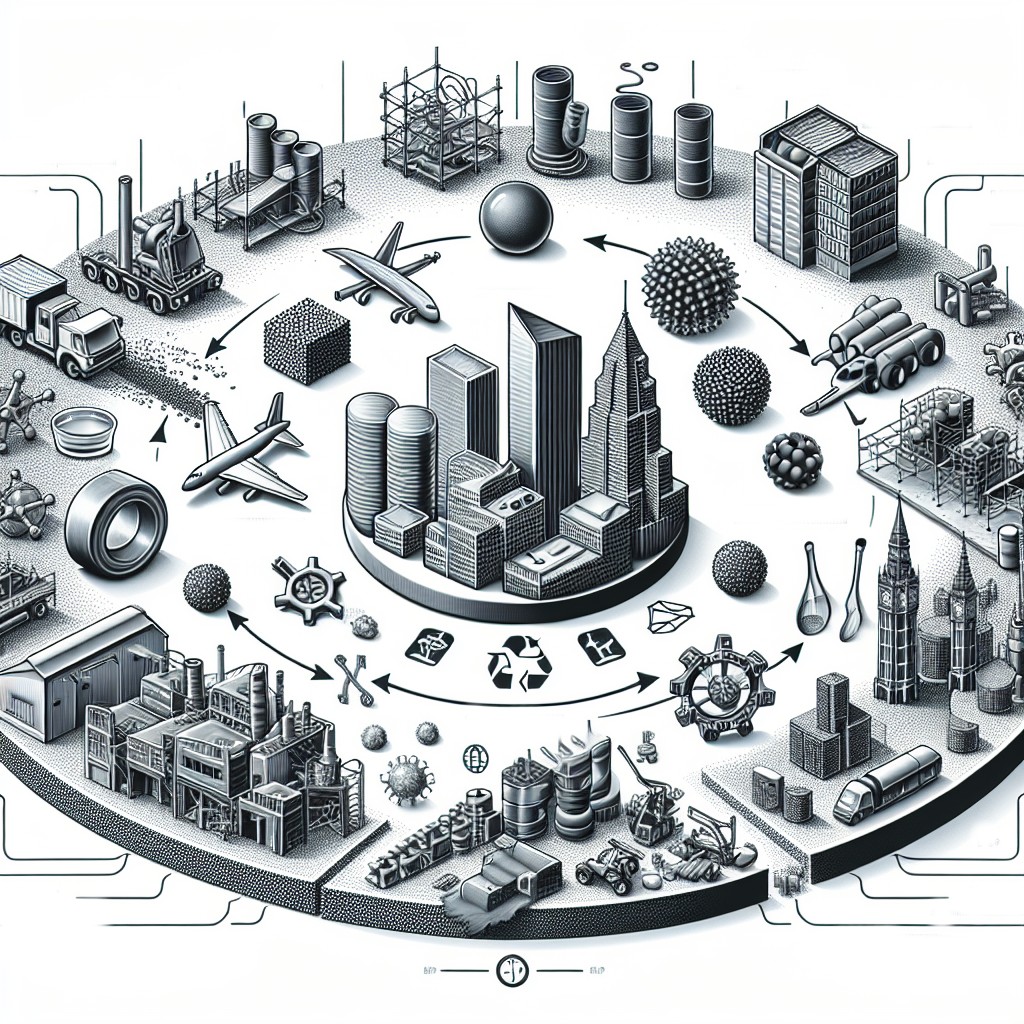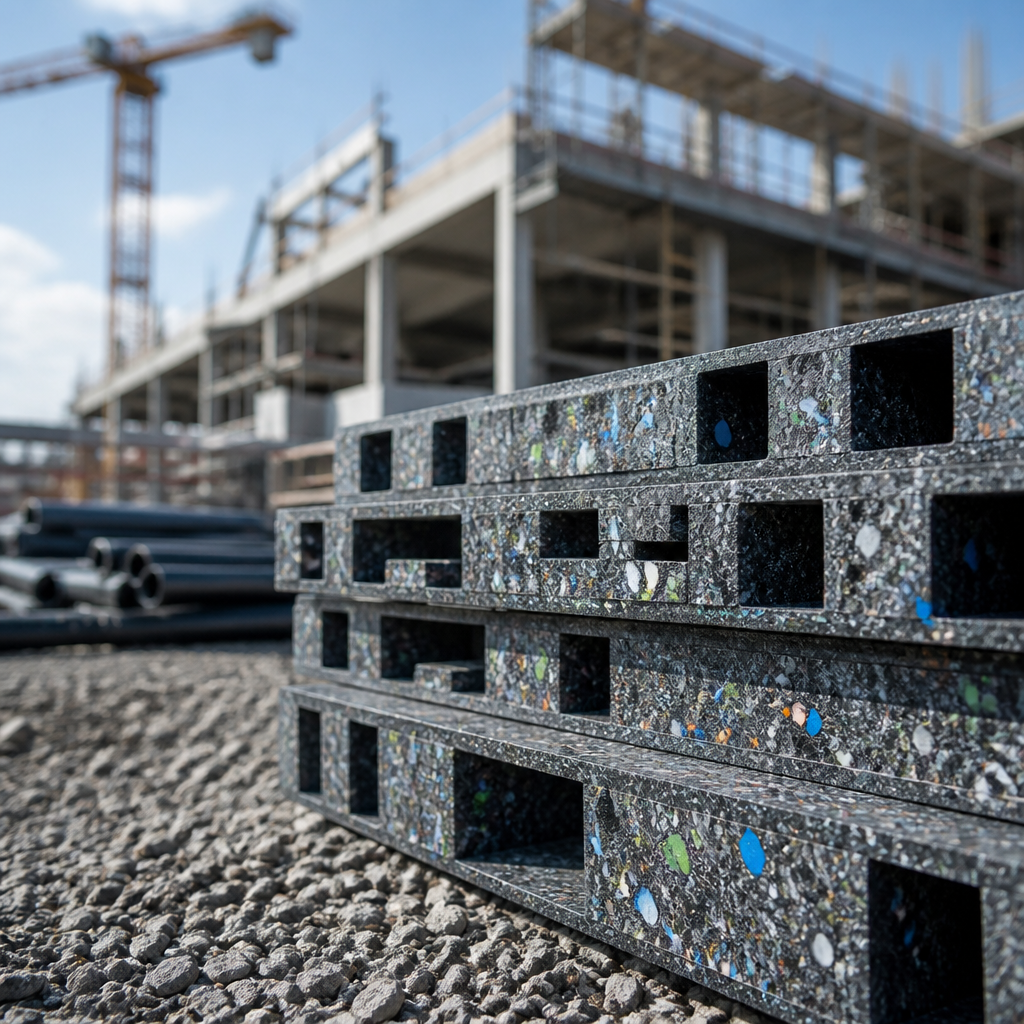
Recycled polymers are becoming a core material strategy in modern construction because they reduce waste, lower demand for virgin feedstocks, and create practical products that perform well in buildings and infrastructure. In construction, the term recycled polymers refers to plastics recovered from post-consumer or post-industrial waste streams, then sorted, cleaned, processed, and remanufactured into products such as pipes, insulation, membranes, composite lumber, geotextiles, flooring, and modular panels. I have worked with specification teams evaluating these materials for envelope systems and site infrastructure, and the key lesson is consistent: recycled content matters only when it is tied to verified performance, predictable supply, and measurable environmental benefit.
Environmental impact is the central reason this topic matters. The construction sector is resource intensive, generating large material flows, high embodied carbon, and significant demolition waste. Polymers already play an important role in buildings because they are lightweight, moisture resistant, chemically durable, and easy to form into complex shapes. Using recycled polymers can preserve those functional advantages while diverting plastic from landfill, incineration, and leakage into ecosystems. For designers, contractors, and asset owners, this raises practical questions: Which recycled polymers are suitable for construction? How much environmental benefit is realistic? What standards govern performance? Where do tradeoffs appear in durability, fire safety, toxicity, and end-of-life recovery?
This article addresses those questions and serves as a hub for environmental impact within the broader materials and properties topic. It explains how recycled polymers are produced, where they are used, how life cycle assessment measures benefits, and why not every application delivers the same outcome. It also connects environmental performance to specification decisions, procurement criteria, and circular economy planning. The most important point is straightforward: recycled polymers can reduce environmental burden in construction, but the strongest results come from selecting the right resin for the right application, validating claims with recognized data, and designing for long service life plus future recovery.
What Recycled Polymers Mean in Construction
Construction uses several major polymer families, each with different recycling pathways and environmental profiles. High-density polyethylene, low-density polyethylene, polypropylene, polyvinyl chloride, polystyrene, polyethylene terephthalate, and polyurethane appear in products ranging from drainage components to insulation boards. Recycled content may come from factory offcuts, production scrap, packaging waste, agricultural film, bottles, containers, automotive plastics, or mixed municipal streams. In practice, post-industrial recycled content is often cleaner and easier to process, while post-consumer content usually carries greater environmental value because it displaces waste that would otherwise require disposal or energy-intensive treatment.
Mechanical recycling remains the dominant route. Waste plastic is collected, sorted by resin, shredded, washed, melted, filtered, and pelletized for reuse. This route generally has lower energy demand than producing virgin polymer, but material quality depends on contamination control and thermal history. Chemical recycling, including depolymerization, pyrolysis, and solvent-based purification, can recover feedstock from more complex streams, though energy use, yield, and emissions vary significantly by process. In specifications, I advise teams to distinguish between recycled content claims and true circularity. A product with recycled content is not automatically recyclable at end of life, and a technically recyclable product is not necessarily recovered in local waste systems.
Environmental impact also depends on formulation. Construction products often include stabilizers, fillers, flame retardants, plasticizers, pigments, and reinforcing fibers. These additives can improve durability or code compliance, yet they may complicate future recycling and affect health assessments. That is why credible product declarations, composition disclosure, and test data are essential. Standards from ASTM, ISO, EN, and industry certification schemes provide the framework for comparing products on more than marketing language. The best recycled polymer products are not simply cheaper substitutes; they are engineered materials matched to application requirements, installation conditions, and service-life expectations.
Environmental Impact Across the Life Cycle
The environmental case for recycled polymers is strongest when viewed across the full life cycle: raw material extraction, manufacturing, transport, installation, use, maintenance, and end of life. Virgin polymers are typically derived from fossil hydrocarbons through energy-intensive refining and polymerization. Recycled polymers avoid much of that upstream burden by keeping existing material in circulation. Multiple life cycle assessment studies have shown that recycled plastics often carry lower embodied energy and lower greenhouse gas emissions than virgin equivalents, especially for polyethylene and polypropylene products manufactured through efficient mechanical recycling.
However, environmental impact cannot be reduced to one number. A lighter polymer product may cut transport emissions and ease installation, yet if it fails early and requires replacement, its lifetime impact can exceed that of a heavier alternative. In roofing membranes, for example, durability, UV resistance, seam integrity, and maintenance frequency matter as much as recycled content percentage. In buried pipe systems, resistance to creep, stress cracking, abrasion, and chemical attack determines whether environmental savings persist over decades. The most responsible approach is to compare products by declared unit, service life, and actual performance in use rather than by recycled content alone.
Construction professionals increasingly rely on Environmental Product Declarations to quantify embodied impacts such as global warming potential, acidification, eutrophication, and resource depletion. Product Category Rules define how similar products should be assessed, improving comparability. Yet EPDs require interpretation. A cradle-to-gate declaration may show lower manufacturing emissions for a recycled polymer component, while use-phase maintenance or replacement intervals could alter the whole-life result. I have seen teams overestimate benefit by comparing incomplete boundaries. For hub-level environmental analysis, the rule is simple: look for transparent life cycle data, consistent system boundaries, and third-party verification before drawing conclusions.
Where Recycled Polymers Are Used and Why They Work
Recycled polymers are already used in a wide range of construction applications because they combine corrosion resistance, low weight, and manufacturing flexibility. Recycled HDPE and PP are common in drainage boards, ducts, crates for green roofs, cable protection, temporary ground systems, and some non-pressure pipes. Recycled PVC appears in profiles, conduits, flooring backings, and certain membrane layers. Recycled PET is used in insulation fibers, acoustic panels, geotextiles, and composite products. Mixed plastic waste, when properly compounded, can be formed into landscape edging, site furniture, noise barriers, pallets, and plastic lumber for marine or wet environments where rot resistance is valuable.
Performance suitability depends on loading, exposure, and regulatory demands. Exterior decking made from recycled polymer composites can resist moisture better than untreated timber, but thermal expansion and surface temperature must be managed through detailing and color selection. Geotextiles made with recycled PET can provide filtration and separation in roads and retaining structures, reducing aggregate contamination and extending service life. Insulation products containing recycled polymer feedstock may lower embodied impacts while delivering thermal resistance that reduces operational energy demand. These examples show why environmental benefit is rarely isolated to raw material substitution; it often comes from system performance, maintenance reduction, and longer service intervals.
| Application | Typical Recycled Polymer | Environmental Benefit | Key Constraint |
|---|---|---|---|
| Drainage and site components | HDPE, PP | Lower embodied carbon, corrosion resistance, reduced transport weight | Quality control for impact strength and long-term deformation |
| Insulation and acoustic products | PET, EPS, PU blends | Waste diversion and operational energy savings | Fire performance and moisture detailing |
| Composite decking and plastic lumber | Mixed polyolefins, recycled PE | Durability in wet conditions and reduced timber treatment chemicals | Thermal movement, creep, and UV stability |
| Membranes, backings, and profiles | PVC, TPO-related recycled streams | Material circularity and manufacturing waste reduction | Compatibility, additives, and future recyclability |
For specifiers, the lesson is to select recycled polymers where their intrinsic properties align with the job. They are especially effective in moisture-prone, chemically aggressive, or weight-sensitive applications. They are less suitable where structural stiffness, high heat resistance, or demanding fire classifications dominate unless the product has been specifically engineered and tested for those conditions.
Environmental Advantages Beyond Waste Diversion
Waste diversion is important, but it is only one part of the environmental story. Recycled polymers can reduce extraction of virgin fossil resources, lower manufacturing energy demand, and decrease transportation emissions because polymer products are usually lighter than mineral or metal alternatives. In infrastructure projects, lighter components can also reduce machinery needs during installation, cutting fuel use and site disturbance. For remote projects or retrofit work in occupied buildings, this practical advantage can materially affect the environmental footprint of the job.
Another benefit is durability in aggressive environments. Unlike steel, many polymers do not corrode; unlike timber, they do not rot; unlike some mineral materials, they can absorb impact without brittle fracture. That durability can translate into fewer replacements, less maintenance traffic, and reduced use of coatings or preservatives. Recycled polymer composite fendering, for example, has been used in marine settings where saltwater exposure accelerates deterioration of traditional materials. Similarly, recycled plastic formwork systems can be reused many times and cleaned with less effort, reducing construction waste on repetitive projects.
There are also environmental gains from enabling other sustainable design strategies. Geomembranes and geotextiles help manage water, protect soil, and extend pavement life. Insulation made with recycled polymer feedstock supports lower operational energy use, which often outweighs embodied impacts over the life of a building. Modular plastic components can support disassembly and replacement of parts rather than full-system demolition. These system-level effects are why recycled polymers should be evaluated not as isolated materials but as contributors to building performance, resilience, and circular material flows.
Limitations, Risks, and Common Misconceptions
Recycled polymers are not an automatic environmental win in every case. Contamination can degrade mechanical properties, create odor issues, or introduce legacy additives that limit high-value reuse. Mixed plastic streams are especially challenging because incompatible polymers can separate during processing or produce weak interfaces in the final product. Downcycling is common: a bottle-grade resin may become a lower-grade construction product that is difficult to recycle again. This still may be beneficial, but it is not the same as closed-loop recovery.
Fire performance is one of the most important constraints in construction. Many polymer products require additives or protective assemblies to meet code requirements, and these interventions can affect toxicity, smoke generation, recyclability, and cost. Weathering is another concern. UV exposure, thermal cycling, and moisture can embrittle poorly stabilized plastics. In structural or semi-structural applications, creep under sustained load must be carefully assessed. I have rejected products with attractive recycled content claims because long-term deformation data or fire test evidence was missing. Environmental ambition does not replace technical due diligence.
A further misconception is that higher recycled content is always better. In reality, the optimal percentage depends on application, process control, and property retention. Some products perform reliably with very high recycled content; others require a blend of virgin and recycled resin to maintain consistency, weldability, or impact resistance. Local collection and processing infrastructure also matters. Shipping low-value plastic waste long distances for reprocessing can erode environmental benefit. Good policy and procurement therefore focus on verified outcomes: embodied impact reduction, product longevity, safe chemistry, and realistic end-of-life options.
How to Specify Recycled Polymers Responsibly
Responsible specification starts with function, then evidence. Define what the product must do: carry load, resist moisture, insulate, separate soils, protect cables, or provide a finished surface. Next, require test standards relevant to that function, such as tensile strength, flexural modulus, dimensional stability, chemical resistance, thermal conductivity, fire classification, or long-term creep performance. Then assess environmental information, including recycled content documentation, EPDs, manufacturing location, take-back programs, and maintenance requirements. This sequence prevents teams from choosing a material for sustainability language alone.
It is also important to request chain-of-custody clarity. Ask whether recycled content is pre-consumer or post-consumer, whether mass balance accounting is used, and which third-party certifications support the claim. In public or large commercial projects, align requirements with procurement frameworks, waste reduction goals, and whole-life carbon assessments. Where possible, engage manufacturers early about installation tolerances, joining methods, repair options, and end-of-life recovery. Products designed for mechanical fastening, modular replacement, and mono-material separation generally support better circular outcomes than heavily bonded composite assemblies.
Finally, monitor in-service performance. The environmental value of recycled polymers improves when projects capture maintenance records, failure rates, and replacement intervals. That feedback loop helps future specifications move beyond assumptions. If you are building a materials library or environmental product database, recycled polymers deserve a dedicated category because their impacts vary widely by resin, source stream, additives, and use case. Used carefully, they are one of the most practical routes to cutting waste and embodied impact in construction while maintaining the durability modern projects require.
Recycled polymers have moved from niche products to a serious part of the construction materials landscape because they address a real environmental challenge with commercially available solutions. They divert waste, reduce reliance on virgin feedstocks, and often lower embodied impacts, especially when mechanical recycling is efficient and the final product is durable. Just as important, they enable performance advantages that can improve whole-life results: corrosion resistance, low weight, moisture tolerance, and compatibility with modular systems. For environmental impact, that combination matters more than recycled content percentages viewed in isolation.
The strongest outcomes come from disciplined selection. Match the polymer type to the application, verify performance with recognized standards, and use transparent life cycle data rather than generic sustainability claims. Pay close attention to fire safety, additives, weathering, creep, and realistic end-of-life pathways. In many cases, the best choice is not the product with the highest recycled fraction, but the one that delivers the longest service life with the clearest environmental evidence. That is the practical standard experienced specifiers, contractors, and owners should apply.
As a hub for environmental impact within materials and properties, this topic points to a broader conclusion: construction can use recycled polymers responsibly when decisions are grounded in data, durability, and circular planning. Review your current specifications, identify polymer-intensive applications, and compare recycled-content alternatives using performance tests and EPDs. Done well, this is a measurable step toward lower-impact construction.
Frequently Asked Questions
What are recycled polymers, and how are they used in construction?
Recycled polymers are plastic-based materials recovered from post-consumer or post-industrial waste streams and then processed into new usable products. In construction, this usually means materials such as polyethylene (PE), polypropylene (PP), polyvinyl chloride (PVC), polyethylene terephthalate (PET), and other common plastics are collected, sorted, cleaned, shredded, melted, and remanufactured into components designed for building and infrastructure applications. Rather than sending these materials to landfill or relying entirely on virgin petrochemical feedstocks, the construction sector can turn recovered plastics into durable, practical products that serve real performance needs.
These materials are now used across a broad range of applications. Common examples include drainage and pressure pipes, insulation products, waterproofing membranes, vapor barriers, geotextiles, composite lumber, outdoor decking, flooring systems, wall panels, cable conduits, roofing elements, and moisture-resistant boards. In civil engineering and infrastructure, recycled polymers can also be used in erosion control systems, road-related geosynthetics, utility protection layers, and lightweight fill or modular components. Their appeal comes from a combination of durability, chemical resistance, low weight, and adaptability in manufacturing.
What makes recycled polymers especially important in modern construction is that they support both performance and sustainability goals. They help reduce plastic waste, lower the demand for raw fossil-based materials, and often require less energy to process than producing virgin polymers from scratch. As material science, sorting systems, and quality control continue to improve, recycled polymer products are becoming more consistent and more widely accepted in mainstream building specifications.
What are the main benefits of using recycled polymers in buildings and infrastructure projects?
The biggest advantage is resource efficiency. Recycled polymers allow the construction industry to reuse existing materials instead of depending solely on virgin plastics or other resource-intensive products. This supports circular economy principles by keeping valuable materials in use longer and reducing the volume of waste that ends up in landfill or the environment. For developers, contractors, and public agencies focused on sustainability targets, this can be a meaningful way to improve project-level environmental performance.
Another major benefit is reduced demand for virgin feedstocks. Manufacturing products from recovered plastics can lower the need for newly extracted fossil resources, which is particularly relevant as the industry looks for lower-impact material strategies. In many cases, recycled polymer products also offer practical performance advantages, including resistance to rot, corrosion, moisture, and many chemicals. Unlike some traditional materials, they may require less maintenance in wet, aggressive, or exposed environments, which can extend service life and reduce replacement frequency.
Weight is also a significant factor. Many recycled polymer products are lighter than metal, concrete, or solid wood alternatives, which can simplify transportation, handling, and installation. This can improve on-site efficiency and sometimes reduce labor or structural loading demands. In addition, manufacturers can tailor polymer-based products for specific functions, such as flexibility, insulation performance, water resistance, or impact strength, making them versatile for many applications.
From a project and procurement perspective, recycled polymers may also contribute to green building certifications, environmental product declarations, waste reduction goals, and broader ESG commitments. While the exact value depends on the product type and verified documentation, their use can help teams demonstrate measurable progress toward lower-impact construction practices without sacrificing utility.
Are recycled polymer construction materials durable and reliable enough for long-term use?
Yes, in many applications they are absolutely durable and reliable, provided the material is properly engineered, tested, and matched to the right use case. One of the most important points to understand is that recycled polymer products are not simply waste plastic reused in a crude form. Reputable manufacturers process recovered materials through controlled systems, often blending, stabilizing, and formulating them to meet defined technical requirements. The end product is typically designed around performance standards for strength, flexibility, weathering, thermal behavior, chemical resistance, and expected service life.
Durability depends on several factors, including the polymer type, the quality of the input stream, additives used during remanufacturing, exposure conditions, and the intended application. For example, recycled polymer pipes and geotextiles can perform very well in buried or moisture-prone environments because they resist corrosion and many forms of chemical attack. Composite boards made with recycled plastics can be highly effective in outdoor settings where moisture resistance is essential. Membranes and insulation products can also provide long-term performance when installed correctly and used within their design limits.
That said, not every recycled polymer is suitable for every construction purpose. Some products may be vulnerable to ultraviolet degradation, excessive heat, creep under sustained load, or dimensional movement if they are poorly specified or manufactured. This is why standards compliance, product certification, testing data, and manufacturer track records matter so much. Engineers, architects, and contractors should review technical datasheets, fire performance ratings, structural limitations, and warranty information before specifying any polymer-based material, whether recycled or virgin.
When selected responsibly, recycled polymer products can deliver long service lives and dependable performance. In many non-structural, semi-structural, envelope, drainage, and infrastructure applications, they are already proven materials rather than experimental alternatives.
What challenges or limitations should be considered when using recycled polymers in construction?
While recycled polymers offer clear advantages, they also come with important technical and supply chain considerations. One of the main challenges is variability in feedstock quality. Recycled materials come from different waste streams, and if sorting and processing are not tightly controlled, contamination or inconsistency can affect final product performance. This is especially important in applications that require precise mechanical properties, dimensional stability, or long-term exposure resistance.
Another limitation is that recycled polymer products are not universally interchangeable with traditional materials. Their behavior under load, heat, fire, UV exposure, or prolonged environmental stress can differ significantly from steel, concrete, timber, or virgin plastic products. For instance, some polymer-based materials may expand more with temperature changes, soften at elevated temperatures, or need special fire-rated formulations to meet code requirements. In structural or highly regulated building systems, these issues must be carefully evaluated during design and specification.
Market perception can also be a barrier. Some stakeholders still associate recycled content with lower quality, even though many modern products meet demanding standards. In reality, quality depends less on whether a polymer is recycled and more on how well the product is designed, manufactured, and certified. Availability can be another factor, especially in regions where recycling infrastructure or specialized manufacturing capacity is still developing. Not every product category has the same level of supply maturity, technical documentation, or code recognition.
To address these challenges, project teams should prioritize verified products from established suppliers, request testing and certification information, and ensure materials are selected based on actual performance requirements rather than sustainability claims alone. Good specification practice is essential. Recycled polymers work best when they are chosen for applications where their strengths align with the project’s environmental exposure, service demands, and compliance obligations.
How do recycled polymers support sustainable and circular construction practices?
Recycled polymers support sustainable construction by turning waste into usable building materials, which directly reduces disposal pressures and extends the life of resources already in circulation. Instead of treating plastic waste as an end-of-life problem, the construction sector can absorb recovered materials into long-lasting products such as pipes, membranes, insulation, composite lumber, and geotextiles. This approach helps shift the industry from a linear model of take, make, and discard toward a circular model where materials are recovered, reprocessed, and reused at scale.
They also contribute to lower demand for virgin raw materials. That matters because producing virgin polymers typically involves fossil-based feedstocks and energy-intensive industrial processes. By replacing a portion of virgin content with recycled input, manufacturers can often reduce embodied impacts associated with material extraction and production. The exact environmental benefit varies by polymer type, recycling process, transportation distance, and manufacturing efficiency, but the broader principle is clear: using recycled content can reduce the overall material footprint of a project.
In addition, recycled polymer products often align well with modern construction priorities such as durability, moisture resistance, low maintenance, and lightweight installation. Sustainability in construction is not only about where a material comes from, but also how long it lasts and how well it performs over time. If a recycled polymer product reduces replacement cycles, protects assemblies from water damage, or lowers maintenance demands, it can improve life-cycle outcomes in a meaningful way.
Perhaps most importantly, the growing use of recycled polymers helps create market demand for better waste collection, sorting, and reprocessing systems. That demand strengthens recycling infrastructure and encourages innovation in product design, material recovery, and manufacturing technology. In that sense, construction does more than consume recycled materials; it becomes a major driver of circular economy progress by giving recovered polymers a stable, high-volume, practical end use.