The realm of electronics is experiencing an unprecedented surge, driving demand for materials that are not only versatile and cost-effective but also high-performance and sustainable. Within this sector, thermoplastics have emerged as indispensable materials due to their unique properties and dynamic applications. So, what makes thermoplastics so essential in the electronics industry? In this comprehensive guide, we will delve into the different types of thermoplastics, their advantages, and their significant role in the ever-evolving electronics landscape. From basic terminologies to cutting-edge applications, this article strives to give you a holistic understanding of thermoplastics in electronics.
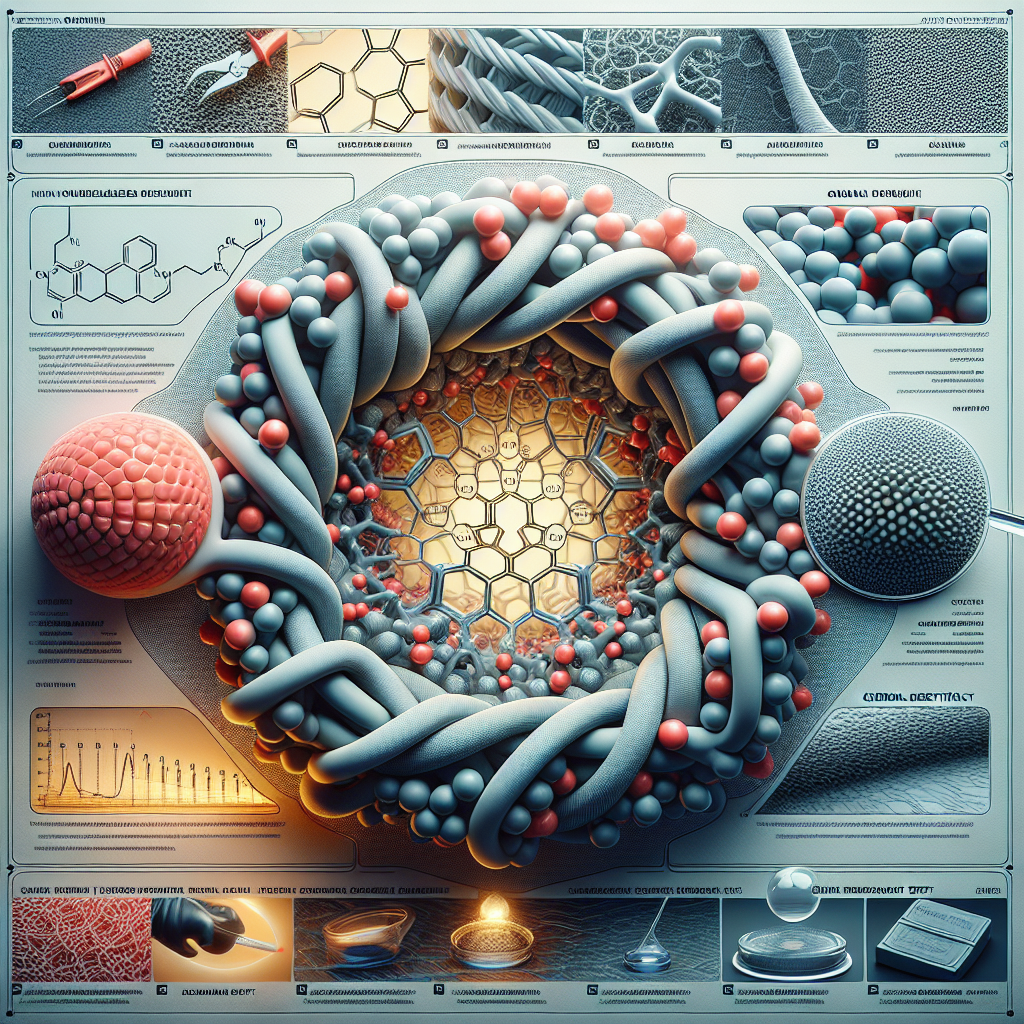
To set the stage, let’s first clarify what thermoplastics are. Simply put, thermoplastics are a type of polymer that becomes pliable or moldable upon heating and solidifies upon cooling. This reversible process allows for remarkable adaptability in manufacturing, making thermoplastics suitable for a plethora of applications. Among their many virtues are excellent electrical insulation, high impact resistance, and a wide range of processing capabilities—all essential characteristics for use in electronic devices.
Industries across the globe are increasingly gravitating towards greener and more efficient materials. Thermoplastics, with their recyclability and lesser environmental footprint, are finding their way into various facets of the electronics world. Whether it’s the casing of your smartphone, the insulation in your laptop charger, or the intricate components within a microchip, thermoplastics are at the heart of modern electronics.
As we progress through this detailed investigation, we will look at different types of thermoplastics, their distinct properties, how they compare with thermosetting plastics, their multifaceted applications, and finally, their role in fostering innovations in electronics. Join us as we unravel the remarkable world of thermoplastics in the electronics industry.
Types of Thermoplastics in Electronics
When it comes to the electronics industry, not all thermoplastics are created equal. Different types of thermoplastics are leveraged based on their unique properties, which cater to specific electronic applications. The most commonly used thermoplastics in electronics include Polycarbonate (PC), Acrylonitrile Butadiene Styrene (ABS), Polyethylene Terephthalate (PET), and Polyvinyl Chloride (PVC).
Polycarbonate (PC): Known for its high impact resistance and transparency, Polycarbonate is often used in electronic devices as a casing material. Its ability to withstand high temperature without deformation makes it ideal for applications that generate heat.
Acrylonitrile Butadiene Styrene (ABS): ABS is highly regarded for its strength and rigidity. Its excellent electrical insulation properties make it a popular choice for housings, keyboard keys, and various electronic assembly components.
Polyethylene Terephthalate (PET): PET is commonly used for its excellent dimensional stability and resistance to moisture. It’s often found in components that require reliable insulation against environmental factors, such as connectors and cable insulations.
Polyvinyl Chloride (PVC): PVC is versatile and economical, offering good electrical properties and chemical resistance. It is widely used in cable insulations, flexible circuits, and other electronic applications requiring pliability and durability.
Each of these thermoplastics brings a unique set of properties to the table, tailored to meet specific demands within the electronics industry. Their flexibility in design and manufacturing makes them invaluable materials for engineers and product developers.

Advantages over Thermosetting Plastics
Thermoplastics and thermosetting plastics are both pivotal in various industrial applications. However, they differ fundamentally in their properties and usability. Thermoplastics offer several advantages over their thermosetting counterparts, especially in the electronics industry.
Firstly, the ability to be remolded and reshaped makes thermoplastics highly adaptable. In the fast-paced world of electronics, where designs and technologies evolve rapidly, this flexibility is invaluable. It allows for easier prototyping and iterative engineering processes.
Secondly, thermoplastics are generally more economical due to their recyclability. Instead of disposing of excess or defective components, manufacturers can reprocess and reuse the material, saving costs and reducing environmental impact.
Furthermore, thermoplastics exhibit excellent impact resistance and electrical insulation properties, making them safer and more reliable for electronic devices. Unlike thermosetting plastics that can be brittle, thermoplastics can absorb shocks and vibrations, protecting sensitive electronic components.
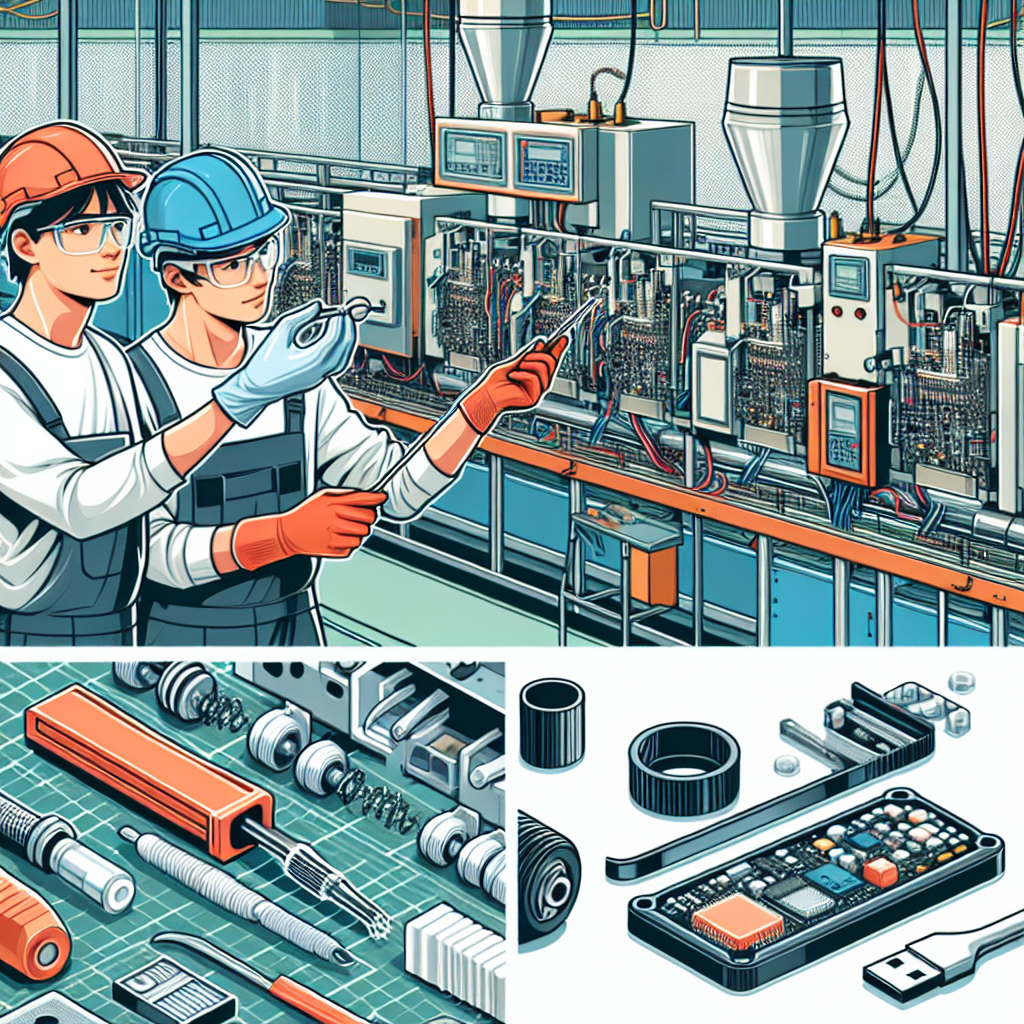
Lastly, the ease of manufacturing with thermoplastics is another significant advantage. They can be processed through various methods like injection molding, extrusion, and thermoforming, which are less labor-intensive and more scalable for mass production.
Given these benefits, it’s no surprise that thermoplastics are the preferred choice for many applications within the electronics industry, favoring both innovation and sustainability.
Applications in Consumer Electronics
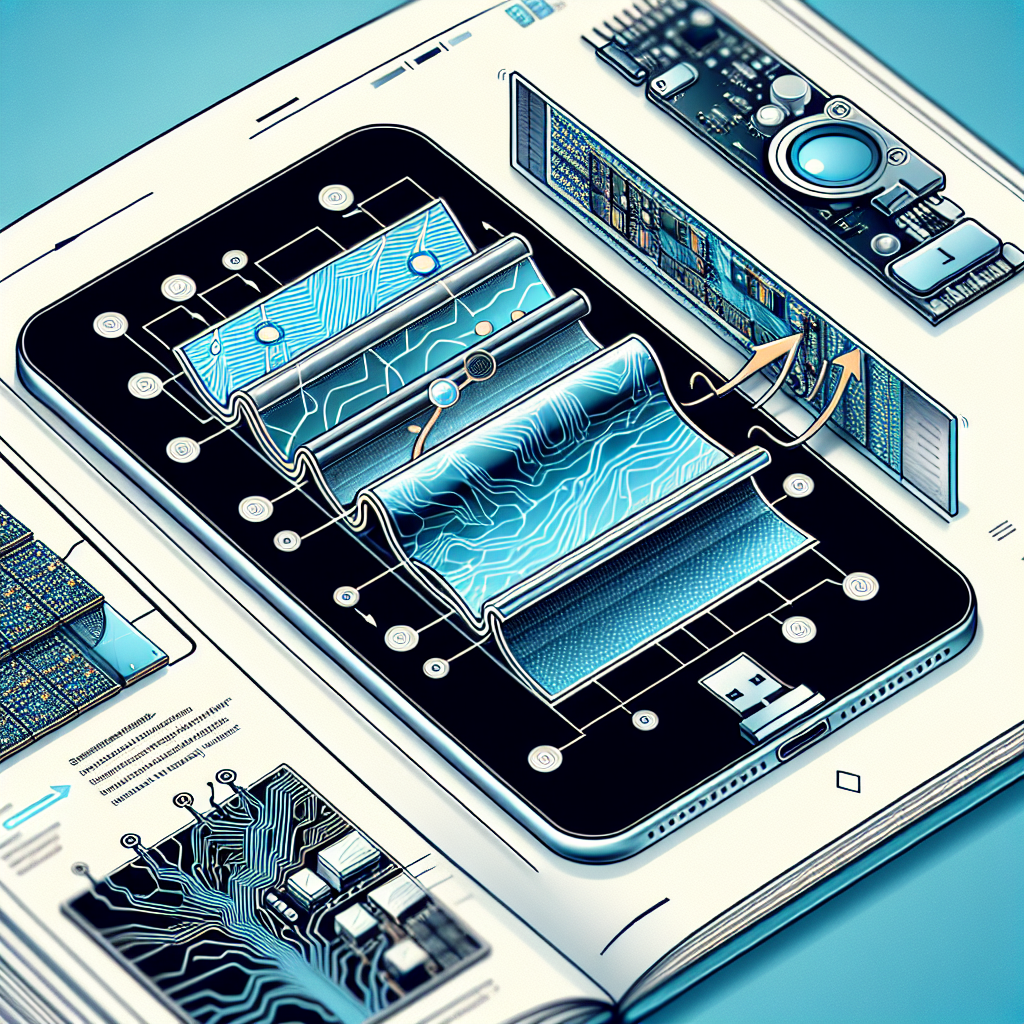
The consumer electronics sector is perhaps the most visible arena where thermoplastics showcase their versatility. From smartphones and laptops to televisions and wearable tech, thermoplastics are integral to the design and functionality of modern gadgets.
Smartphones and Tablets: Thermoplastics like Polycarbonate (PC) and Acrylonitrile Butadiene Styrene (ABS) dominate the casings of smartphones and tablets due to their durability and lightweight properties. These materials provide robust protection against drops and abrasions while maintaining a sleek, attractive design.
Laptops and Accessories: Laptop bodies, keyboard keys, and various accessories like chargers and external drives utilize thermoplastics due to their excellent electrical insulation and impact resistance. Acrylonitrile Butadiene Styrene (ABS) and Polycarbonate (PC) are commonly used materials in these applications.
Televisions and Home Entertainment: The plastic enclosures that house delicate electronic circuits in televisions and home entertainment systems are often made from flame-retardant Polyvinyl Chloride (PVC). Additionally, Polyethylene Terephthalate (PET) is used for components that require moisture resistance and dimensional stability.
Wearable Tech: For wearables such as fitness trackers and smartwatches, the importance of using skin-safe and lightweight materials is paramount. Thermoplastics like Thermoplastic Polyurethane (TPU) offer flexibility, comfort, and excellent insulation properties for wearable technology.
Intricately designed and highly functional, thermoplastics are the unsung heroes in the sleek, efficient products that define modern consumer electronics.
Role in Automotive and Industrial Electronics
Beyond consumer electronics, thermoplastics also play a crucial role in the fields of automotive and industrial electronics. These applications often demand materials that can withstand extreme conditions and prolonged usage, areas where thermoplastics excel.
Automotive Electronics: In modern vehicles, a vast array of electronic systems—ranging from infotainment systems to advanced driver-assistance systems (ADAS)—rely on thermoplastics. Materials like Polycarbonate (PC) and Polyphenylene Sulfide (PPS) are used in sensors, connectors, and housing components due to their heat resistance and mechanical strength.
Industrial Automation: For industrial robots and automated machinery, durable and high-performing materials are crucial. Polyoxymethylene (POM) and Polyethylene Terephthalate (PET) offer low friction, high wear resistance, and excellent chemical stability, making them ideal choices for gears, bearings, and other mechanical parts in industrial settings.
Electrical Insulation: High-voltage applications and power distribution systems employ thermoplastics like Nylon and Polyvinyl Chloride (PVC) for their superior insulating properties. These materials ensure safety and reliability by preventing short circuits and other electrical failures.
As industries continue to advance with automation and connectivity, the demand for resilient and high-performance thermoplastics in automotive and industrial electronics is set to grow exponentially.
Future Trends and Innovations
The future of thermoplastics in the electronics industry looks promising, driven by continuous advancements and emerging trends. Several innovative approaches are set to enhance the performance, sustainability, and applications of thermoplastics in electronics.
Biodegradable and Bio-based Thermoplastics: With increasing environmental awareness, the development of biodegradable and bio-based thermoplastics is gaining momentum. These sustainable materials aim to reduce the environmental impact while maintaining or even enhancing the performance standards required in electronic applications.
Conductive Thermoplastics: Innovations in conductive polymers are opening new avenues in electronics. Conductive thermoplastics offer the potential for flexible and lightweight electronic circuits, wearable electronics, and even components for 3D-printed electronics, providing designers unprecedented flexibility.
Nanocomposites: Integrating nanomaterials like carbon nanotubes or graphene into thermoplastics significantly enhances their properties, such as mechanical strength, thermal conductivity, and electrical conductivity. This creates new possibilities for high-performance electronic components.
Smart Thermoplastics: The development of smart or responsive thermoplastics, which can change properties in response to environmental stimuli, is another exciting trend. These materials can offer new functionalities in electronics, such as self-healing capabilities or adaptive performance, paving the way for more resilient and versatile electronic devices.
As research and development in polymer science continue to evolve, thermoplastics are poised to play an even more integral role in the electronics of the future, pushing the boundaries of what these exceptional materials can achieve.
Conclusion
In conclusion, thermoplastics represent a cornerstone material in the electronics industry, offering unparalleled versatility, efficiency, and sustainability. From everyday consumer electronics to critical automotive and industrial applications, the unique properties of thermoplastics make them indispensable for various electronic devices. Their moldability, recyclability, and exceptional performance in harsh conditions position them as a superior choice over traditional materials.
As we move towards a more connected and automated world, the role of thermoplastics will only grow more significant. Innovations in biodegradable options, conductive materials, and nanocomposites promise to bring new capabilities and improvements, making thermoplastics even more crucial to the electronics industry. It’s an exciting time for thermoplastic materials, with ongoing research and exploration driving forward possibilities that will shape the future of electronics.
Understanding the diverse applications and future trends of thermoplastics helps industry professionals, engineers, and enthusiasts appreciate their importance and potential. By integrating these advanced materials, we can continue to develop electronic devices that are not only more efficient and durable but also more environmentally friendly.
The journey of thermoplastics in electronics is far from over. As technology continues to evolve, these materials will likely reveal new dimensions and applications, forging a path towards innovation and sustainability in the dynamic world of electronics.