The consumer electronics industry is, without a doubt, one of the most dynamic and rapidly evolving sectors globally. With every new advancement, the materials that make up electronic devices need to keep pace. That’s where polymers come into play, a vital yet often overlooked component in a multitude of electronic products. Polymers, which encompass a broad category of synthetic materials including plastics, have become indispensable in the development and manufacturing of modern consumer electronics.
From smartphones to laptops to advanced home appliances, polymers contribute significantly to the functionality, design, durability, and, perhaps most importantly, the sustainability of these devices. Given their exceptional properties—such as flexibility, electrical insulation, resistance to heat and chemicals, and lightweight nature—polymers have firmly secured their place in the consumer electronics arena.
With consumer electronics continually striving to be thinner, more resilient, and environmentally friendly, the incorporation of innovative polymer materials is more crucial than ever. As new trends emerge and consumer demands shift, staying ahead of these changes becomes essential for manufacturers, suppliers, and even consumers who care about the performance and environmental impact of their gadgets.
This comprehensive article aims to provide an insightful overview of the polymer industry’s trends, focusing on their use in consumer electronics. We will dive into various aspects including market trends, the latest advancements, as well as projections for the future. So, whether you’re a manufacturer, a materials science enthusiast, or a consumer curious about what goes into your tech gadgets, read on for an in-depth understanding.
Market Trends
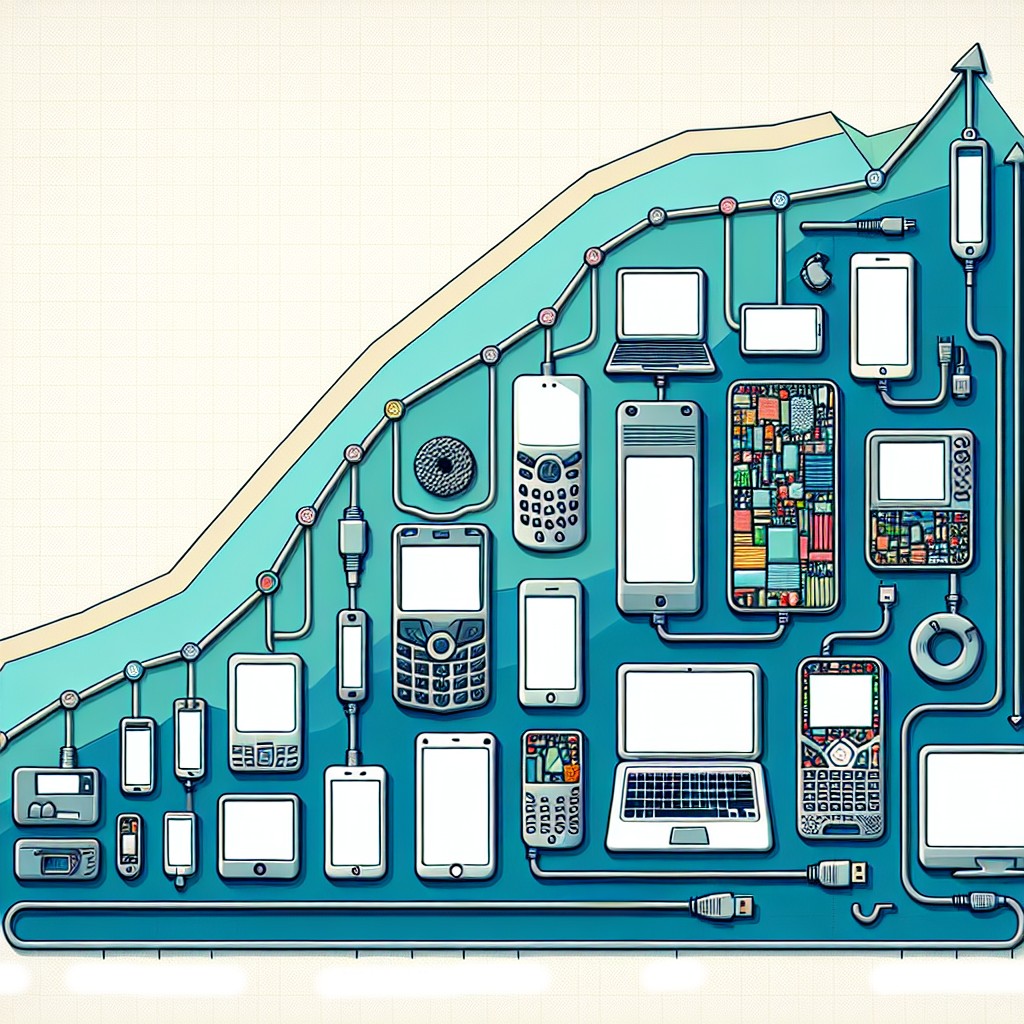
The market for polymers in consumer electronics is growing at an impressive rate. According to recent market reports, the global polymer market in electronics is expected to reach a valuation of over USD 60 billion by 2027, growing at a CAGR of around 5.5%. This growth is driven by several factors including advancements in polymer technologies, increasing consumer demand for durable and lightweight electronics, and a growing focus on sustainability.
One significant trend is the growing use of high-performance polymers. High-performance polymers such as polyimides, polycarbonates, and liquid crystal polymers are being extensively adopted in high-end electronic applications. These materials offer superior thermal stability, mechanical strength, and electrical insulation properties, making them ideal for advanced electronic components and devices.
An exciting development is the increasing integration of biodegradable and recyclable polymers. With the rising environmental concerns and regulatory pressures, manufacturers are actively seeking sustainable alternatives. Polymers like polylactic acid (PLA) and polybutylene succinate (PBS) are gaining traction due to their eco-friendly nature.
The proliferation of smart devices, IoT (Internet of Things), and wearable technology has also opened new avenues for polymer use. These devices require materials that can offer both flexibility and durability, a perfect fit for polymers. Conductive polymers are being developed to create flexible and stretchable circuits, enabling the design of innovative products like flexible displays, smart clothing, and bendable smartphones.
Technological Advancements
Technological advancements in polymer science are revolutionizing the consumer electronics industry. One notable advancement is the development of electrically conductive polymers. These materials, also known as intrinsically conductive polymers (ICPs), can conduct electricity while maintaining the flexible properties of conventional polymers. This breakthrough has led to the creation of innovative products such as flexible screens, lightweight batteries, and advanced sensors.
Another cutting-edge development is the use of nanocomposites in electronics. Nanocomposites incorporate nanoparticles into polymer matrices, resulting in materials with enhanced properties including increased strength, electrical conductivity, and thermal stability. These materials are being used in a wide range of applications from advanced circuit boards to high-performance capacitors.
3D printing, or additive manufacturing, is another technological advancement gaining momentum in the polymer sector. Polymers used in 3D printing, such as PLA and acrylonitrile butadiene styrene (ABS), are enabling rapid prototyping and production of complex electronic components. This technology not only accelerates the development process but also reduces material waste, contributing to more sustainable manufacturing practices.
Moreover, the development of self-healing polymers is an area under intense research and has the potential to revolutionize consumer electronics. These polymers can autonomously repair minor damages, extending the lifespan of electronic devices and reducing e-waste. Imagine a smartphone screen that can heal from minor scratches or dents—this is the future that self-healing polymers promise.
Sustainability and Environmental Impact
Sustainability is a major driving force in the current polymer market, especially within the consumer electronics industry. With increasing awareness of environmental issues and stringent regulations, the demand for eco-friendly polymers has surged. The shift towards sustainable practices is not just a trend but a necessity.
Biodegradable polymers like PLA and PBS are emerging as viable alternatives to traditional plastics. PLA, made from renewable resources like corn starch, offers a reduced carbon footprint and is biodegradable under industrial composting conditions. Similarly, PBS, derived from renewable sources, decomposes more readily compared to conventional polymers.
Recycling is another critical aspect of sustainability. Manufacturers are increasingly incorporating recycled polymers into their products. Companies are developing closed-loop recycling systems to recover and repurpose polymers from end-of-life electronics. This not only reduces waste but also conserves resources and energy.
The concept of circular economy is gaining traction, where the focus is on designing products for longevity, reuse, and recyclability. Polymers that are easily recyclable and maintain their properties after recycling are crucial for achieving a circular economy in the electronics sector. For instance, polycarbonate and PET (polyethylene terephthalate) are popular choices due to their excellent recyclability and performance attributes.
Furthermore, innovations like bio-based polymers, derived from renewable biological resources, are on the rise. These materials often have a smaller environmental footprint compared to conventional petroleum-based polymers. They also reduce dependence on fossil fuels, aligning with global sustainability goals.
Regional Insights
The use of polymers in consumer electronics varies significantly across different regions, influenced by economic conditions, technological advancements, and regulatory frameworks.
In North America, the emphasis is on advanced high-performance polymers, driven by strong R&D capabilities and a focus on cutting-edge technology. The region is home to major electronics manufacturers and suppliers, contributing to the growing demand for polymers in high-end applications. Environmental regulations also play a crucial role, with a significant push towards sustainable and recyclable materials.
Europe similarly exhibits a strong demand for sustainable polymers, with stringent environmental regulations encouraging the adoption of eco-friendly materials. The European Union’s emphasis on circular economy and waste reduction has accelerated the use of biodegradable and recyclable polymers in electronics. The region is also a hub for technological innovation, driving advancements in polymer science.
Asia Pacific, particularly China and India, represents one of the fastest-growing markets for polymers in consumer electronics. The region’s burgeoning middle-class population, increasing disposable income, and rapid technological adoption are key factors fueling market growth. Manufacturing hubs in countries like China are focusing on cost-effective solutions, driving the demand for both conventional and advanced polymers. Additionally, there is a rising awareness of environmental issues, prompting a gradual shift towards more sustainable practices.
Emerging economies in Latin America and Africa are also witnessing a growing demand for consumer electronics, and consequently, polymers. These regions are in the nascent stages of incorporating advanced polymers, but the potential for growth is substantial as technological infrastructure improves and economies develop.
Future Projections
The future of polymer use in consumer electronics looks promising, with several trends expected to shape the market. One major trend is the continued advancement in smart materials, including conductive and self-healing polymers. These innovations will likely lead to more durable, efficient, and versatile consumer electronics.
The rise of electric vehicles (EVs) and connected devices will also drive the demand for advanced polymers. For example, polymers that offer superior thermal management and electrical insulation will be essential for the efficient functioning of EV batteries and electronic systems in smart homes and cities.
Sustainability will remain a critical focus. The development of bio-based and fully biodegradable polymers will gain momentum, driven by consumer demand and regulatory pressures. Investments in recycling technologies and infrastructure will also increase, supporting a more circular economy in the electronics sector.
The integration of advanced manufacturing techniques, particularly 3D printing, will transform how electronic components are designed and produced. This technology will enable the creation of complex and customized components with minimal waste, further supporting sustainable practices.
Conclusion
The polymer industry is integral to the consumer electronics sector, contributing to the functionality, design, and sustainability of modern devices. From market trends to technological advancements, the use of polymers is continually evolving to meet the demands of an ever-changing technological landscape.
As we look to the future, the role of polymers will only grow more significant. Technological innovations will bring new possibilities, while sustainability efforts will drive the adoption of eco-friendly materials. Regional dynamics will continue to shape market demand, and global shifts towards a circular economy will redefine how polymers are used and recycled.
For manufacturers, staying ahead of these trends is crucial for maintaining competitiveness and meeting consumer expectations. For consumers, understanding the role of polymers in electronics can provide a deeper appreciation of the technology we rely on daily. Ultimately, the interplay between science, innovation, and sustainability will shape the future of polymers in consumer electronics, leading to more advanced, efficient, and environmentally friendly devices.