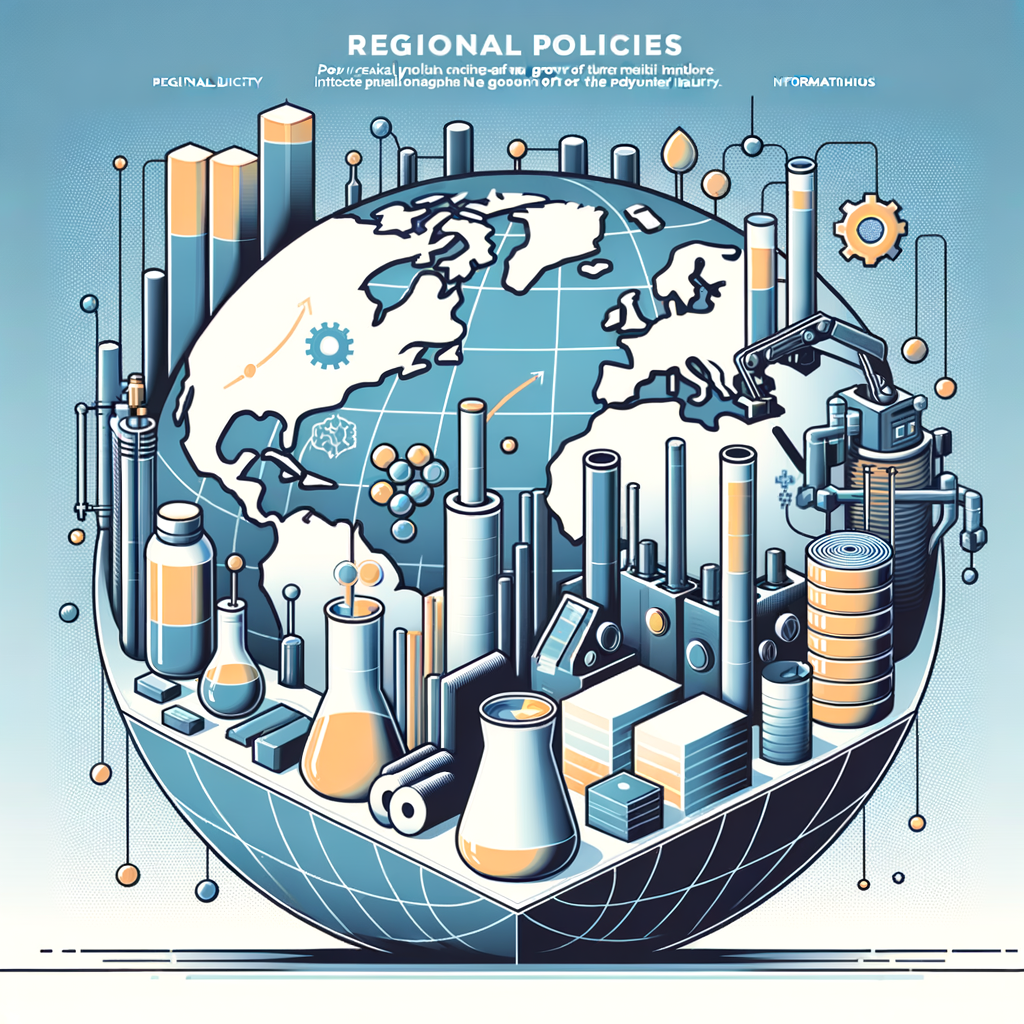
The polymer industry serves as a crucial pillar within the global manufacturing sector, spanning a multitude of applications from packaging and automotive to healthcare and construction. This industry’s vibrancy and expansion are significantly influenced by regional policies. Such policies encompass trade agreements, environmental regulations, subsidies, and investment incentives, substantially impacting the pace and direction of polymer industry growth. Policymakers tailor these policies to address both regional and global challenges, such as environmental sustainability, economic competitiveness, and technological advancement. Understanding the nexus between regional policies and polymer industry growth is pivotal for stakeholders aiming to optimize their operational strategies and capitalize on emerging opportunities. This article delves into the intricacies of how regional policies shape the polymer industry, offering insights into legislative nuances and their consequent economic, environmental, and technological implications.
Environmental Regulations and Compliance
Environmental regulations play a critical role in shaping the polymer industry’s trajectory. As global awareness of environmental issues heightens, regional policies increasingly focus on reducing carbon footprints, managing waste, and encouraging sustainable production practices. For instance, the European Union’s stringent REACH regulations demand extensive information on chemical substances used within polymers, pressuring manufacturers to innovate or adjust their formulations to comply. Similarly, policies mandating the reduction of single-use plastics in various countries spur innovation in biodegradable and recyclable polymer variants. Compliance with these regulations often requires significant investment in research and development, technology upgradation, and process modifications. While these regulations pose initial challenges, they also stimulate growth by fostering innovation, opening up new market segments, and enhancing competitiveness by appealing to environmentally conscious consumers.
Trade Agreements and Tariffs
Trade agreements and tariffs are formidable influencers of the polymer industry. Regional trade agreements such as NAFTA, recently revised as the United States-Mexico-Canada Agreement (USMCA), impact the flow of raw materials and finished polymer products. These agreements can lower or eliminate tariffs, facilitating easier access to materials and broader market penetration for finished goods. Conversely, trade disputes that lead to increased tariffs can disrupt supply chains and alter competitive dynamics. For instance, the US-China trade tensions have historically led to increased tariffs on polymers and related products, prompting manufacturers to reconsider their supply chains and sourcing strategies. Navigating these trade landscapes requires astute strategic planning wherein companies must adapt to ensure sustained growth and profitability, considering both immediate implications and long-term strategic positioning in the global market.
Subsidies and Investment Incentives
Subsidies and investment incentives are powerful tools that governments use to spur growth within the polymer industry. By offering financial support or tax breaks, regional authorities can encourage companies to focus on specific areas such as innovation, sustainability, or regional development. For example, subsidies aimed at fostering research and development can lead to the creation of advanced polymer materials with enhanced properties and applications. Investment incentives may target regions with less-developed industrial bases, aiming to stimulate local economic growth and create jobs. Such policies often result in the establishment of specialized production facilities, boosting the regional economy and enhancing the global competitiveness of local manufacturers. However, these incentives also necessitate careful planning to ensure that the growth is sustainable and aligned with long-term regional economic goals.
Regional Economic Policies
Regional economic policies often set the stage for the polymer industry’s development by defining economic landscapes and setting priorities. Economic diversification initiatives, for instance, can lead to increased investments in the polymer manufacturing sector, particularly in regions where oil and gas industries dominate. As polymers are derived from petrochemicals, regions rich in these resources may implement policies to add value through manufacturing, thus driving growth. Moreover, regional economic policies may focus on strengthening specific sectors, such as automotive or construction, which can indirectly boost the demand for polymers. By aligning regional policies with industry needs, governments can facilitate a conducive environment for growth, innovation, and competitiveness within the global market.
Technological Advancements and Policy Support
Technological advancements largely dictate the pace of growth in the polymer industry, with regional policies often playing supportive roles. Governments may establish technology parks, research grants, or collaborative industry-academia initiatives to bolster technological development. These policies aim to enhance competitiveness by fostering innovations in polymer manufacturing, such as the development of lighter and stronger materials, smart polymers, or polymers with improved properties. Furthermore, policies promoting digitalization and Industry 4.0 integration can transform production processes, leading to improved efficiency and product quality. By providing such support, regional policies can help local industries keep pace with global advancements, positioning them as leaders in innovation and production.
Market Dynamics and Regional Policy Synergies
Market dynamics, influenced by consumer preferences, international competition, and technological trends, interact with regional policies to affect polymer industry growth. Policies designed to support local industries often involve balancing protectionism with open-market principles, aiming to secure domestic growth while remaining competitive internationally. For instance, regions may implement policies to protect local polymer industries through incentives while simultaneously encouraging exports. These synergies between market demands and regional policies can drive sustainable growth, ensuring that the regional polymer industry can adapt to changing global market conditions. Addressing these dynamics strategically can result in enhanced market penetration and a robust competitive position for manufacturers.
Conclusion
In conclusion, regional policies exert a profound influence on the growth trajectory of the polymer industry. From environmental regulations shaping production practices to trade agreements affecting supply chains, each policy aspect interacts intricately with industry dynamics. Governmental measures such as subsidies, economic strategies, and technological support create an environment conducive to innovation and competitiveness. Policymakers must balance regional objectives with global market demands, ensuring policies align with industry needs and potential. As the polymer industry navigates the complexities posed by regional policies, stakeholders must remain proactive, adaptable, and strategic, leveraging these policies to drive sustainable growth and maintain their competitive edge in a rapidly evolving global landscape. Understanding the impacts of these regional policies is crucial for stakeholders to effectively navigate challenges and capitalize on opportunities within the polymer industry.