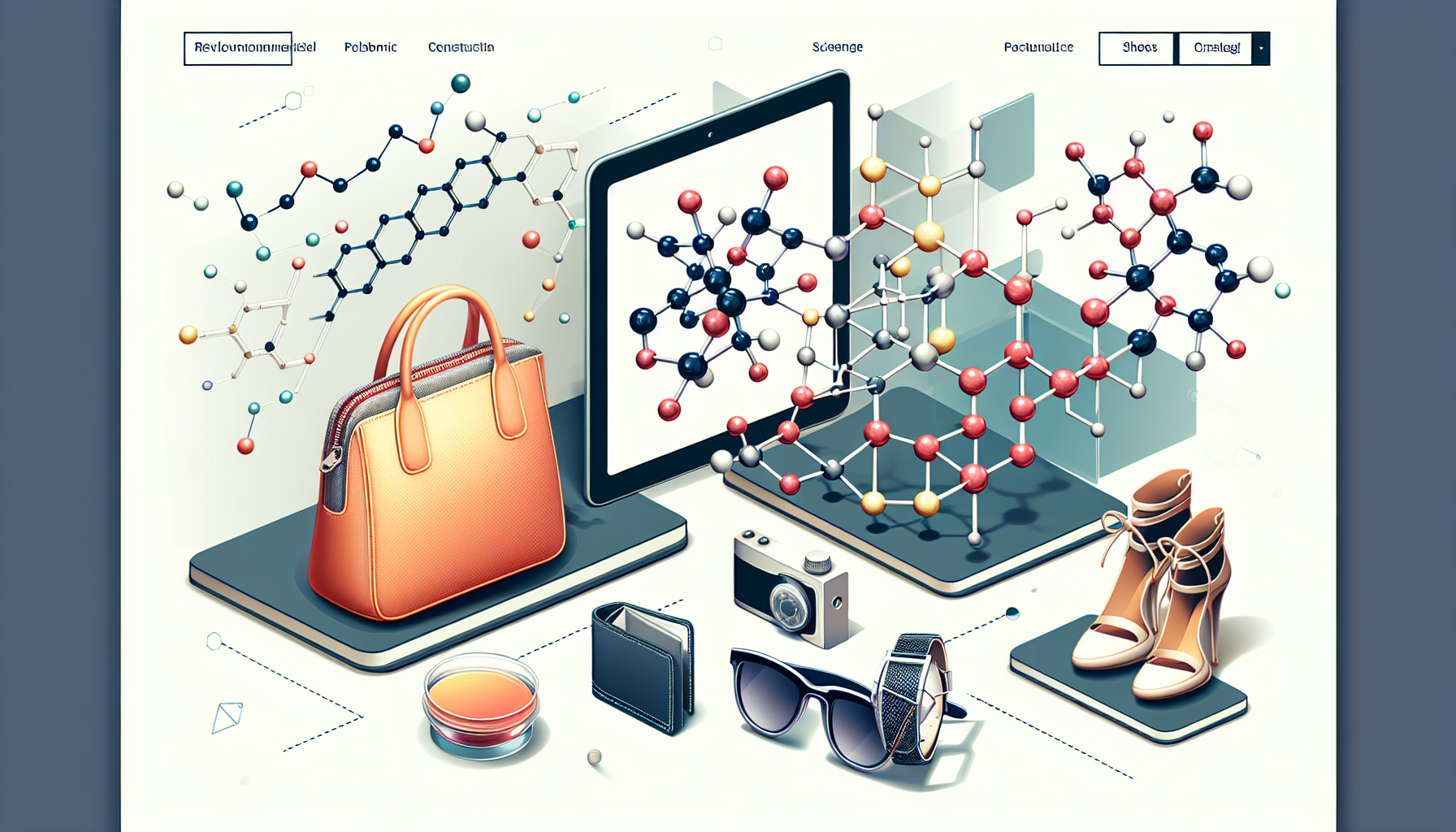
Polymers are reshaping fashion accessories by making products lighter, tougher, more affordable, and far more expressive than traditional materials alone ever allowed. In the consumer goods market, polymers include synthetic and bio-based materials built from long molecular chains, then engineered into plastics, elastomers, fibers, foams, films, coatings, and composites. I have worked with product teams selecting materials for watch straps, eyewear frames, handbag hardware, and jewelry packaging, and the same pattern appears repeatedly: the right polymer solves multiple design problems at once. It can reduce weight, improve impact resistance, enable color consistency, simplify mass production, and support new forms that metal, glass, wood, or leather struggle to achieve. That matters because accessories sit at the intersection of style, comfort, durability, and price sensitivity. Consumers expect a bracelet to look premium, survive sweat and sunlight, and still remain affordable. Brands also need materials that scale across global supply chains, comply with chemical safety rules, and fit evolving sustainability goals. As a hub for consumer goods applications, this article explains where polymers are used, why they perform so well, how brands choose among them, what manufacturing methods dominate, and where the next wave of innovation is headed across everyday accessories.
Why polymers became essential in fashion accessories
Polymers became essential because they offer a rare combination of design freedom and manufacturing efficiency. In accessories, the most common performance targets are low mass, dimensional stability, abrasion resistance, skin comfort, colorability, and cost control. Materials such as polycarbonate, cellulose acetate, thermoplastic polyurethane, silicone, nylon, ABS, PET, acrylic, and EVA meet those targets in different ways. Eyewear is a clear example. Polycarbonate lenses combine optical clarity with high impact resistance, which is why safety standards and sports performance lines rely on them. Cellulose acetate frames, although processed differently from commodity plastics, remain popular because they provide rich depth of color, polish well, and feel warmer on the face than metal. In watch bands, silicone and fluoroelastomers resist sweat, flex repeatedly without cracking, and stay comfortable during long wear. In costume jewelry, acrylic and resin enable oversized forms, translucent effects, embedded glitter, and marble patterns at a price point impossible with stone or cast metal.
There is also a practical business reason polymers dominate consumer accessories: processability. Injection molding, extrusion, blow molding, thermoforming, film casting, and additive manufacturing can all produce repeatable parts with tight tolerances. A single mold can create thousands or millions of identical buckles, clips, sunglass components, combs, or cosmetic cases. That repeatability supports branding because color, finish, and fit stay consistent across product lines. Polymers also accept secondary operations well. They can be painted, plated, laser marked, overmolded, soft-touch coated, ultrasonically welded, or bonded to textiles and metals. When I have seen a design move from sketch to shelf quickly, it is usually because the material and process pair was selected early and matched to volume. A nylon zipper pull, TPU phone wrist strap, or acrylic hair claw can be prototyped fast, adjusted for ergonomics, then scaled without redesigning the entire product architecture.
Key polymer applications across consumer fashion goods
Fashion accessories are a broad category, and polymers touch nearly every segment. Eyewear uses polycarbonate, nylon, TR-90, acetate, and PMMA in frames and lenses. Bags rely on polyurethane coatings, polyester webbings, acetal buckles, ABS shells, PVC-free films, and foam laminates. Foot-adjacent accessories such as insoles, orthotic inserts, and performance socks use EVA, PU, spandex, and engineered polyesters. Jewelry incorporates epoxy resins, acrylic beads, nylon cords, silicone bands, and thermoplastic elements combined with plated brass or stainless steel. Hair accessories use cellulose acetate, ABS, polystyrene, nylon, and elastomer blends for clips, bands, headbands, and combs. Watches and wearable accessories use silicone, TPU, FKM, polyamide, and reinforced thermoplastics for housings, seals, straps, and charging docks.
The consumer goods advantage is not only that polymers substitute for traditional materials, but that they create entirely new accessory formats. Clear jelly sandals evolved into handbags and belts because flexible transparent PVC alternatives and TPU films made bright translucent products commercially viable. Athletic smartwatches became mainstream partly because molded elastomer straps made long-term wear practical for diverse wrist sizes. Decorative phone lanyards, once a niche item, exploded because injection-molded charms, acrylic links, and braided synthetic cords allowed fast trend turnover at low unit cost. Even premium fashion has embraced polymers in visible ways. Luxury eyewear often depends on acetate for signature patterns, while technical backpacks use high-tenacity nylon with polymer coatings to deliver water resistance and abrasion performance. The material is not hidden; it is central to the aesthetic language.
| Accessory Category | Common Polymers | Main Benefits | Typical Tradeoffs |
|---|---|---|---|
| Eyewear | Polycarbonate, acetate, nylon, PMMA | Impact resistance, color depth, low weight | Scratch sensitivity, heat deformation risk |
| Watch straps | Silicone, TPU, FKM | Flexibility, sweat resistance, comfort | Dust attraction, variable premium feel |
| Handbags and trims | PU, polyester, acetal, ABS | Weatherability, low cost, design versatility | Coating wear, mixed-material recycling difficulty |
| Jewelry and hair accessories | Acrylic, resin, cellulose acetate, nylon | Bold forms, translucency, easy coloring | Cracking under impact, surface scratching |
Material selection: performance, comfort, and appearance
Choosing the right polymer is never just about price. The best selection starts with use conditions. Will the accessory contact skin all day, flex thousands of times, sit in a hot car, or face UV exposure? Those questions narrow the field quickly. For skin-contact products such as watch straps or ear-worn accessories, softness, low extractables, and irritation risk matter. Medical-grade silicone is often chosen when biocompatibility and chemical inertness are priorities, while TPU is favored when tear resistance and a sharper molded appearance are needed. For rigid visible parts such as sunglass frames or decorative clips, modulus, gloss, polish response, and pigment compatibility determine how premium the item appears. Cellulose acetate offers a distinctive depth that many designers still prefer over injection-molded plastics, but it requires more machining and finishing. Nylon can outperform it mechanically in sports products yet may absorb moisture and change dimensions slightly.
Appearance is especially important in consumer goods because shoppers often judge quality within seconds. Polymers help brands control color in ways natural materials cannot. Masterbatch systems provide repeatable pigmentation, while transparent and translucent grades enable layered visual effects. Surface texture can be molded in, reducing the need for secondary finishing. Soft-touch overmolding lets a product combine grip and structure in one assembly, common in sunglass temple tips and bag handles. However, every benefit has limits. Glossy acrylic looks striking but scratches more easily than filled nylon. Clear polycarbonate is tough, but unless hard-coated it can lose visual appeal in daily use. A good design brief therefore links aesthetics to real-world wear. In my experience, the most successful accessory launches are the ones that test material choice against sweat, cosmetics, sunscreen, abrasion, drop impact, and accelerated UV exposure before tooling is locked.
How polymer processing drives scale and trend speed
Fashion accessories move on fast calendars, and polymers fit that rhythm because the manufacturing routes are mature, flexible, and globally available. Injection molding remains the workhorse for clips, buckles, cases, jewelry components, eyewear parts, and closures. Once tooling is validated, cycle times can be measured in seconds, making high-volume runs economical. Extrusion supplies films, cords, tubes, and sheet stock later converted into straps, trims, and decorative parts. Thermoforming shapes rigid shells for cosmetic cases and luggage-adjacent accessories. Casting and curing processes are used for resin jewelry, domed embellishments, and soft gels. Overmolding combines hard and soft polymers into one item, reducing assembly count and improving tactile quality.
These processes also support trend responsiveness. Brands can change resin color, surface texture, or insert graphics much faster than they could redesign a fully metal accessory. Rapid prototyping with SLA, SLS, and material jetting allows design teams to test geometry before investing in steel tools. For lower-volume launches, 3D printing has become a viable production route for custom eyewear, modular jewelry, and limited-edition handbag hardware. It will not replace molding for mainstream volume soon, but it shortens development dramatically. Tooling strategy matters too. Family molds can produce multiple small accessory components in one cycle, and interchangeable inserts allow seasonal updates without building a new mold base. In consumer goods, that flexibility is commercially powerful. It means a brand can chase a color trend, adjust fit based on returns data, or localize a product line for different markets while keeping material behavior consistent.
Sustainability, regulation, and the reality of responsible use
Polymers are often discussed only through a waste lens, but responsible evaluation is more nuanced. A lightweight polymer accessory can have lower transport emissions than a heavier alternative, and long service life can reduce replacement frequency. At the same time, mixed materials, short trend cycles, and poor collection systems create clear environmental problems. The most credible progress in fashion accessories comes from design choices that improve durability, repairability, and material clarity. Mono-material construction helps recycling. Recycled PET in webbings and linings is now common, and bio-based polyamides, castor-oil-derived polymers, and mechanically recycled polycarbonate are gaining traction in premium and technical segments. Some eyewear brands now specify bio-acetate with reduced fossil content and phthalate-free plasticization, while luggage and bag brands increasingly use recycled polyester certified under Global Recycled Standard.
Regulation has also forced better discipline. In major consumer markets, brands must consider REACH restrictions, California Proposition 65 exposure warnings, CPSIA requirements for children’s products, and limits on substances such as certain phthalates, heavy metals, and PFAS in applicable categories. Claims around biodegradability require caution because industrial composting conditions rarely match real disposal pathways for accessories. I advise teams to be specific: recycled content percentage, polymer family, coating chemistry, and expected durability are more trustworthy than vague eco language. The strongest sustainability case for polymers in consumer goods is not that every product is green. It is that modern polymer engineering can reduce material waste, support lower-energy processing in some applications, extend useful life through better performance, and create pathways for recycled or renewable feedstocks when the supply chain is transparent enough to verify them.
What the future looks like for polymer-based accessories
The next stage of polymer innovation in fashion accessories is already visible in products reaching stores. More brands are moving toward high-performance thermoplastics that deliver a premium feel without unnecessary weight. In eyewear, advanced polyamides and 3D-printed lattice structures are improving fit and reducing pressure points. In wearables, fluoroelastomers and specialized TPUs are being tuned for skin comfort, stain resistance, and long-term color stability. Smart accessories are pushing polymers into functional roles beyond structure. They now house antennas, protect sensors, manage flexibility around electronics, and provide dielectric performance that metals cannot. Conductive inks, flexible substrates, and thermoplastic encapsulants are opening new possibilities in bracelets, smart rings, and interactive bag components.
Customization will grow as digital manufacturing and data-driven merchandising mature. Consumers already expect multiple strap sizes, frame widths, and color options. Polymers make that feasible because tooling, coloring, and finishing can be modular. We will also see stronger links between materials science and circular design. That means easier disassembly, standardized resin identification, fewer incompatible laminates, and better take-back economics. For brands building consumer goods portfolios, the opportunity is clear: use polymers not as cheap substitutes, but as engineered materials with specific, measurable advantages. The companies winning in accessories understand resin behavior, processing limits, compliance obligations, and user comfort in equal depth. If you are evaluating the applications landscape, start by mapping each accessory category to the performance demands users actually feel every day, then choose the polymer system that meets them honestly. That is how polymers are revolutionizing fashion accessories, and it is where the smartest product development work should begin now.
Frequently Asked Questions
1. What makes polymers so important in modern fashion accessories?
Polymers have become essential in fashion accessories because they give designers and product developers a level of control that traditional materials rarely match on their own. In practical terms, polymers can be engineered to be lightweight, impact-resistant, flexible, glossy, matte, transparent, soft-touch, rigid, weather-resistant, or highly colorable depending on the application. That versatility matters across accessories such as watch straps, eyewear frames, bag trims, protective cases, jewelry boxes, and decorative components, where comfort, durability, and appearance all need to work together.
From a product development standpoint, polymers solve several long-standing challenges. They can reduce weight without sacrificing performance, which improves wearability in items that sit on the face, wrist, or shoulder for long periods. They also enable more consistent manufacturing, allowing brands to hit precise shapes, textures, colors, and finishes at scale. In categories like eyewear and watch straps, that consistency is especially valuable because users notice small differences in comfort, fit, and surface feel immediately.
Another major advantage is design freedom. Polymers can be molded into forms that would be expensive, heavy, or difficult to achieve with metal, wood, leather, or glass alone. They can also be blended with fibers, additives, foaming agents, and coatings to create very specific performance profiles. That is why polymers are not simply “cheap plastic alternatives.” In many cases, they are high-performance material systems that improve both function and visual expression, helping fashion accessories become more durable, affordable, and inventive.
2. How are polymers used in products like watch straps, eyewear frames, and handbag hardware?
Polymers are used differently depending on the accessory, but the underlying goal is usually the same: improve performance while supporting design and cost targets. In watch straps, elastomeric polymers and thermoplastic materials are often selected because they combine flexibility, skin comfort, sweat resistance, and good fatigue performance. A strap has to bend repeatedly, maintain shape, resist cracking, and feel comfortable through daily wear. Certain polymer grades also allow precise texture development, from smooth premium finishes to sporty ribbed surfaces that improve breathability and grip.
In eyewear frames, polymers are prized for their ability to reduce weight while still delivering structural strength and design precision. A well-chosen polymer can make frames more comfortable for all-day wear, less prone to deformation under everyday stress, and easier to produce in a wide range of colors, translucencies, and finishes. Some materials are better for glossy fashion-forward looks, while others are preferred for technical performance frames or flexible hinges and temples. The ability to mold complex geometries also helps brands create distinctive silhouettes without making frames feel bulky.
For handbag hardware and decorative trims, polymers can replace or complement metal to lower weight, reduce corrosion concerns, and expand design possibilities. They can be used for logo plaques, buckles, handles, inserts, closures, and coated components. In some cases, polymer-based parts are metal-plated or combined with composites to achieve a premium appearance while keeping the final accessory lighter and easier to manufacture. In jewelry packaging, polymer films, foams, inserts, coatings, and rigid molded parts help protect the product, improve presentation, and support branding through tactile and visual effects. Across all of these categories, polymer selection is rarely about one property alone; it is about balancing feel, function, aesthetics, manufacturability, and price.
3. Are polymer fashion accessories durable enough to replace traditional materials?
Yes, in many applications polymers are absolutely durable enough to replace traditional materials, provided the right material is selected and properly engineered for the job. Durability is not a single trait; it includes impact resistance, abrasion behavior, UV stability, chemical resistance, flex fatigue, dimensional stability, color retention, and long-term surface appearance. A polymer that performs beautifully in eyewear may not be ideal for a watch strap, and a packaging foam will be chosen differently from a handbag clasp or molded jewelry insert. The success of a polymer accessory depends on matching the material to the use conditions rather than assuming all polymers behave the same way.
Well-designed polymer accessories often outperform traditional options in real-world use. For example, they may resist sweat, cosmetics, rain, and temperature changes better than untreated natural materials. They can also avoid issues like rust, excessive weight, brittleness, or warping that sometimes affect metal, wood, leather, or lower-grade plastics. In high-contact products, polymers can maintain comfort and functionality over repeated use because they are engineered for flexibility, resilience, and surface toughness.
That said, quality matters enormously. Premium polymer accessories are the result of informed resin choice, additive selection, tooling design, processing control, and performance testing. Poorly chosen materials can discolor, crack, creep, scratch too easily, or feel flimsy. Strong accessory performance comes from understanding the user environment and specifying the right polymer system from the beginning. When that happens, polymer-based accessories are not just adequate replacements for traditional materials; they are often the more durable and user-friendly option.
4. Are polymers in fashion accessories sustainable, or are they just more plastic?
The sustainability question is important, and the honest answer is that polymers are not automatically sustainable, but they can be part of a much more responsible accessory strategy when used thoughtfully. “Polymers” is a broad category that includes conventional petroleum-based materials, recycled-content materials, bio-based polymers, and systems designed for improved resource efficiency. Sustainability depends on factors such as raw material source, product lifespan, manufacturing efficiency, transport weight, repairability, recyclability, and end-of-life pathways.
One of the biggest sustainability advantages polymers can offer is durability combined with lightweighting. If a polymer component extends product life, reduces breakage, lowers shipping weight, or replaces a more resource-intensive multi-part assembly, it may improve the overall environmental profile of the accessory. For example, a lightweight, impact-resistant eyewear frame that lasts longer and requires fewer replacements can be a better environmental outcome than a fragile alternative. Similarly, polymer packaging systems can be designed to use less material while still protecting high-value items during transport and retail handling.
There is also growing innovation in recycled and bio-based polymer options for accessories and packaging. Some brands are exploring recycled thermoplastics, plant-derived feedstocks, monomaterial designs, and easier-to-disassemble constructions that support recovery and reuse. However, good sustainability claims must be grounded in evidence, not marketing language. The most credible approach is to examine the full product lifecycle: what the material is made from, how efficiently it is processed, how long it lasts, and what realistically happens after use. In other words, polymers are not inherently the problem or the solution; responsible design and material selection determine whether they support a more sustainable fashion accessory market.
5. What should brands consider when choosing polymers for fashion accessories?
Brands should start by thinking beyond appearance alone. The best polymer choice comes from understanding the full product brief: how the accessory will be used, how it should feel, what environmental conditions it will face, what aesthetic standards it must meet, and what cost and manufacturing constraints apply. A watch strap, for example, needs different performance characteristics than a rigid eyewear front, a plated handbag emblem, or a protective jewelry packaging insert. Comfort, flexibility, stiffness, scratch resistance, skin contact, UV exposure, chemical exposure, and desired finish all need to be evaluated together.
Manufacturing method is another critical factor. Injection molding, extrusion, thermoforming, film conversion, overmolding, foaming, and coating processes all influence which polymer families make sense. Surface quality, shrink behavior, color consistency, texture replication, cycle time, and assembly compatibility can dramatically affect both product quality and commercial viability. In my experience working with product teams on watch straps, eyewear frames, handbag hardware, and jewelry packaging, many material decisions succeed or fail not because of the datasheet alone, but because of how the material behaves in tooling, finishing, and real production conditions.
Brands should also consider regulatory and market expectations. Depending on the product, that may include skin-contact safety, restricted substance compliance, packaging rules, durability targets, and sustainability commitments. Finally, they should prototype and test early. Polymer accessories can be tuned very precisely, but small differences in grade, additive package, wall thickness, or finish can change user perception and long-term performance significantly. The strongest results come when brands treat polymer selection as a strategic design decision, not a late-stage substitute for a traditional material. Done well, the right polymer can improve aesthetics, reduce cost, increase durability, and open up new forms of creativity that would otherwise be difficult to achieve.