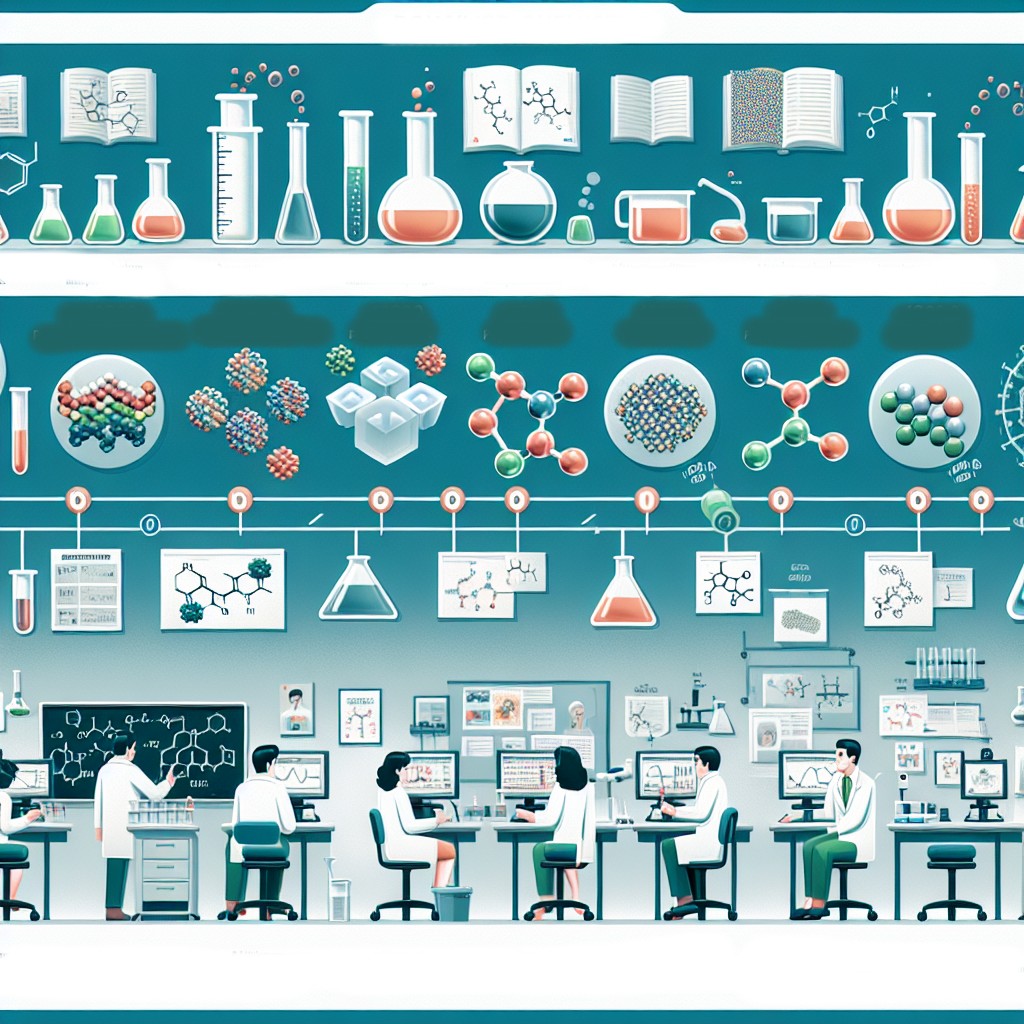
Plastics, ubiquitous in our everyday lives, are so ingrained in our daily routines that it’s easy to overlook their massive impact on the modern world. From the humble plastic grocery bag to advanced medical devices, plastics play an integral role in nearly every industry. But how did this material become so revolutionary? In this comprehensive overview, we will delve into the history of the polymer industry, commonly referred to as the plastic industry, and examine how plastics have transformed modern life as we know it.
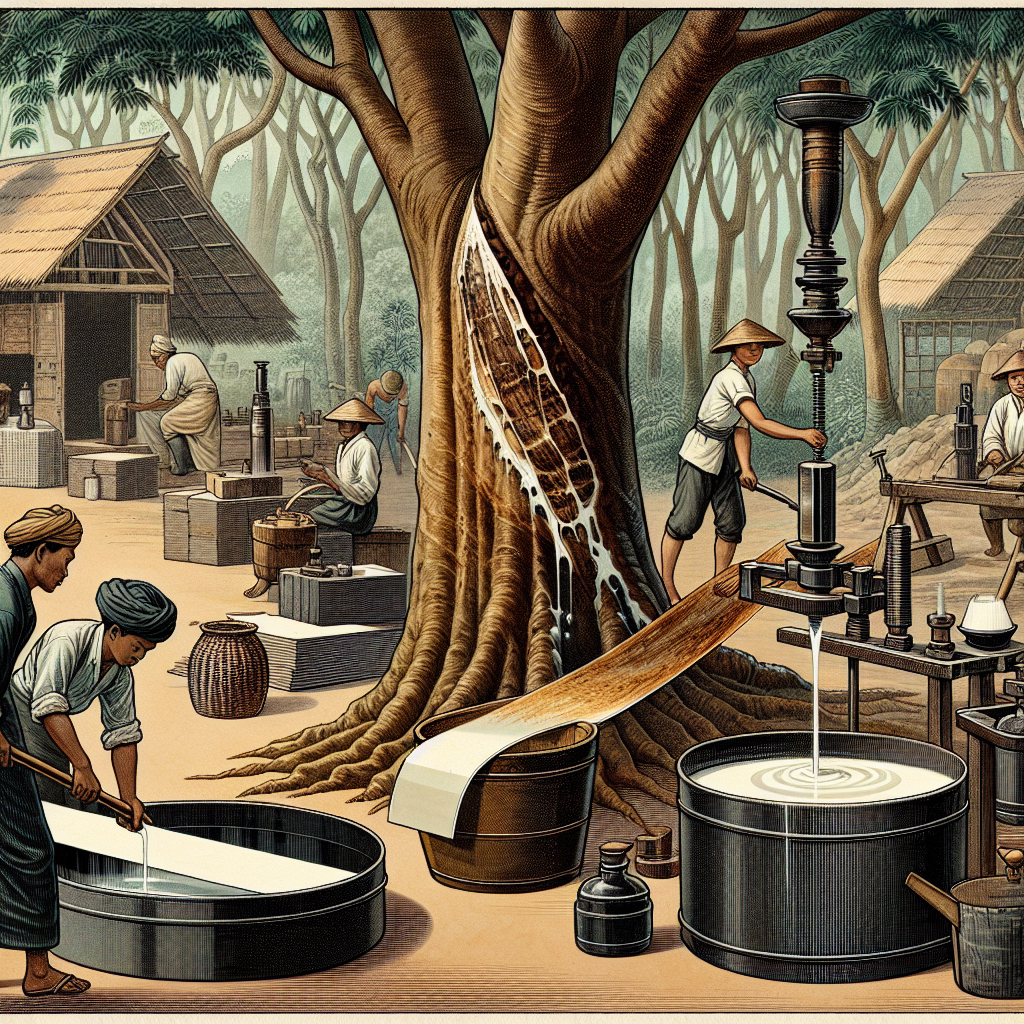
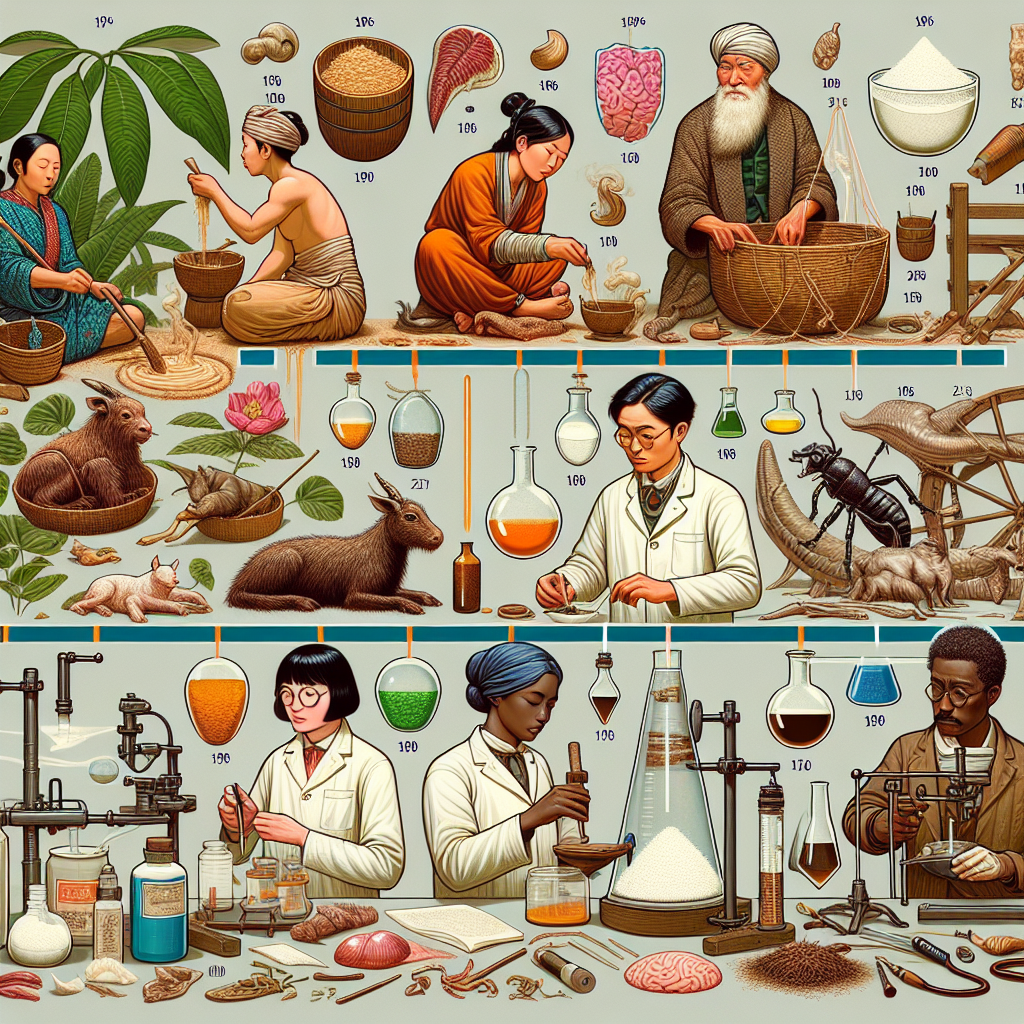
The story of plastics begins in the late 19th century amid the burgeoning needs of a rapidly industrializing society. Early forms of synthetic materials were developed as substitutes for natural resources such as ivory, tortoiseshell, and rubber, which were becoming scarce and expensive. Through decades of innovation, these rudimentary materials evolved into the sophisticated polymers we rely on today.
The journey from cellulose nitrate in the 1860s to the development of versatile materials like polyethylene and polypropylene in the 20th century highlights the pivotal role of chemistry and engineering. These advancements paved the way for the large-scale production and diverse application of plastics, impacting fields ranging from packaging to aerospace.
This article aims to provide a detailed account of the polymer industry’s history, its transformative effects on various sectors, the challenges it faces today, and why understanding this revolution is crucial for envisioning the future of materials science.
The Early Beginnings
Plastics as we know them today did not come into being overnight. The concept of creating synthetic materials started in the mid-19th century with the advent of cellulose nitrate. Invented by Alexander Parkes in 1862, this material, known as Parkesine, was the first man-made plastic. While it was initially used to mimic natural materials like ivory and tortoiseshell, its real significance lay in demonstrating that organic polymers could be adapted to create new, versatile substances.
The next significant breakthrough came with the invention of Bakelite in 1907 by Belgian chemist Leo Baekeland. Bakelite was the first true synthetic plastic, meaning it was not derived from natural materials but rather was wholly created through chemical processes. Baekeland’s invention spawned a new wave of innovation and commercialization, establishing plastics as a vital industrial material.
During this era, plastics were predominantly used in consumer goods, such as combs, buttons, and jewelry. Their ability to be molded into various shapes while maintaining strength and durability made them an attractive alternative to more expensive natural materials. The cultural and industrial adoption of these early plastics laid the groundwork for the exponential growth and diversification of plastic materials.

World War II and the Expansion of Plastics
The real turning point for the plastic industry came during World War II. The war created a high demand for versatile, durable, and lightweight materials that could be produced quickly and in large quantities. Plastics fit this bill perfectly, and thus production soared during these years.
As metal supplies were redirected towards military uses, plastics emerged as a crucial substitute. Materials like nylon and plexiglass played significant roles in the war effort. Nylon, for example, was used for parachutes, ropes, and even vehicle tires. Plexiglass found applications in airplane windows and submarine periscopes due to its lightweight and shatter-resistant properties.
The massive investment in research and development during the war years not only accelerated the production of existing plastics but also led to the invention of new ones. Polyethylene, invented in 1933, gained prominence during the war because of its valuable insulation properties. This period marked the transformation of plastics from niche products to essential components in various industries.
The Post-War Boom
Following the end of World War II, the peacetime economy experienced a boom, driving technological advances and consumerism. This era saw an explosive growth in the plastic industry, fueled by the development of new polymers and improved manufacturing techniques.
Companies such as DuPont, BASF, and Dow Chemical became major players, introducing novel materials including polyester, vinyl, and polypropylene. These new plastics found applications across a wide range of sectors, from household goods to industrial components, thanks to their durability, versatility, and cost-efficiency.
By the 1950s and 60s, plastics had become a symbol of modernity and innovation. The material’s ability to be shaped into virtually any form encouraged designers and engineers to experiment with new product designs, changing the face of consumer goods. Everything from kitchenware to furniture began incorporating plastics, revolutionizing day-to-day life.
Environmental Challenges and Sustainability Efforts
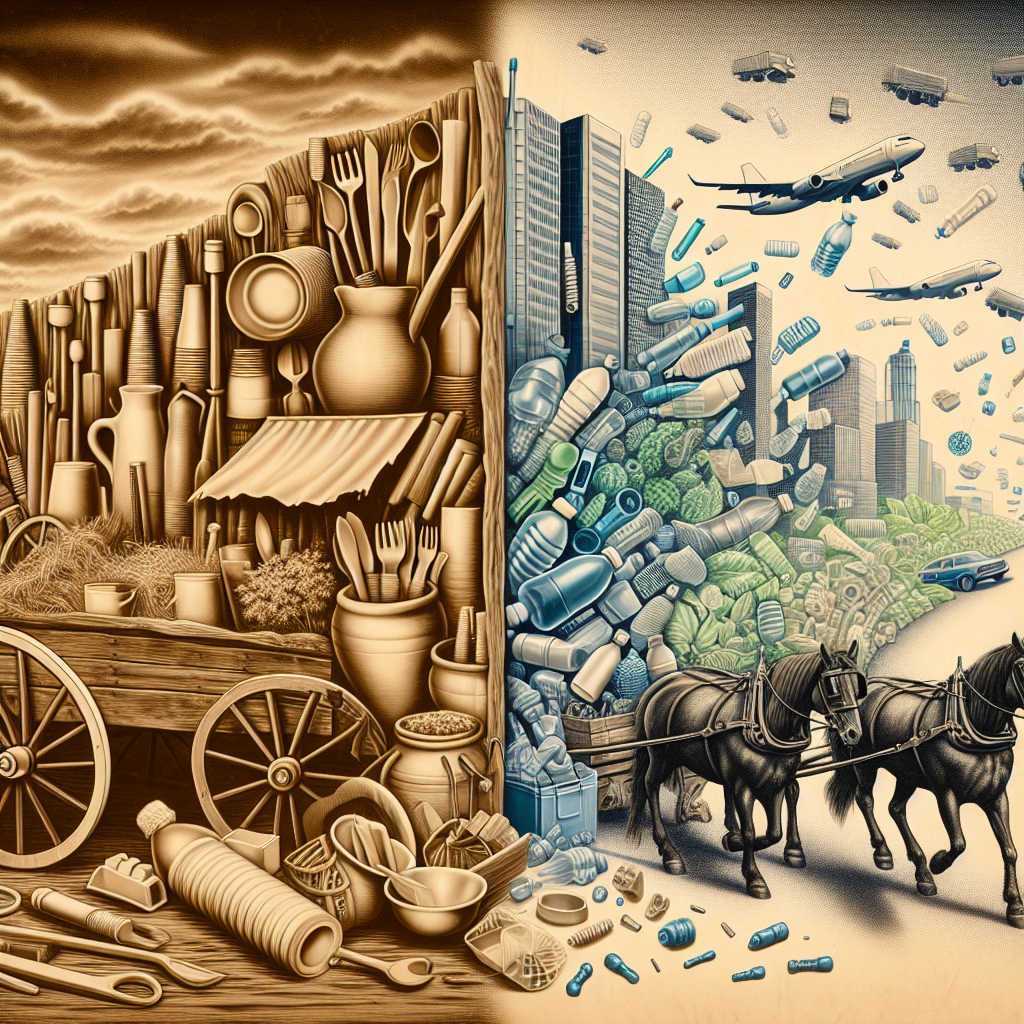
Despite their many benefits, plastics have also presented significant environmental challenges. The very qualities that make plastics useful – durability and resilience – have led to persistent waste management and pollution issues. The vast amounts of plastic waste generated globally have become a pressing environmental concern.
Single-use plastics, such as straws, bags, and packaging, have received particular scrutiny due to their short lifecycle and long-lasting impact on ecosystems. Marine life is particularly affected, with large quantities of plastic debris polluting oceans and harming aquatic organisms.
In response to these challenges, the industry and society at large have begun to focus on sustainability. Innovations such as biodegradable plastics, recycling technologies, and initiatives to reduce single-use products are a few of the efforts aimed at mitigating the environmental impact. Companies and governments are increasingly adopting circular economy principles to minimize waste and promote the reuse of materials.
Future Directions and Innovations
As we look to the future, the polymer industry continues to evolve, driven by the need for more sustainable practices and innovative applications. Researchers and companies are exploring a range of new materials and technologies designed to address both performance and environmental concerns.
One exciting area of development is the creation of bioplastics, derived from renewable biological sources such as corn starch, sugarcane, and even algae. These materials have the potential to reduce reliance on fossil fuels and decrease the environmental footprint of plastic production. Additionally, advances in recycling methods, including chemical recycling, offer the possibility of breaking down plastics into their basic monomers for reuse in new products.
The integration of smart technologies and additive manufacturing, like 3D printing, provides new opportunities for customization and efficient production of plastic components. These innovations hold the promise of making manufacturing processes more sustainable and flexible.
Conclusion
Reflecting on the history of the polymer industry reveals a narrative of remarkable innovation and profound impact. From humble beginnings with the creation of cellulose nitrate to the multifaceted applications of modern plastics, this industry has fundamentally altered the trajectory of technological and industrial advancements.
The benefits of plastics are vast, touching nearly every aspect of our lives. However, this material’s environmental impact underscores the need for continued innovation and responsible management. Addressing these challenges requires not only technological advances but also collaborative efforts across industry, government, and society.
As we navigate the future, the lessons from the past will be instrumental in forging a path towards a more sustainable and efficient polymer industry. The journey of plastic development serves as a testament to human ingenuity and the ability to adapt materials to meet evolving needs.
Understanding the transformation brought about by plastics is crucial for appreciating their role today and for anticipating the technological breakthroughs of tomorrow. The plastic revolution, truly, is a story of how chemistry has shaped modern life, providing invaluable insights for future advancements.