Polyvinyl Chloride, commonly known as PVC, is one of the most versatile and widely used polymers in the world. From plumbing pipes to medical devices, PVC has a broad range of applications due to its durability, cost-effectiveness, and ease of use. But what sets PVC apart from other polymers, and how has it evolved over the years? This article delves into the technological advancements in PVC, shedding light on the latest innovations, current trends, and the future outlook of this crucial material.
PVC was first synthesized in 1872 by German chemist Eugene Baumann, but it wasn’t until the 1920s that it found commercial applications. Over the years, the polymer has been modified and improved through various technological advancements to meet the increasing demands of different industries. Today, PVC is integral to numerous sectors, including construction, healthcare, electronics, and automotive.
In recent years, the focus has shifted towards enhancing the functional properties of PVC to make it more environmentally friendly and adaptable to modern needs. Innovations in polymer chemistry, additives, manufacturing processes, and recycling technologies have significantly transformed the landscape of PVC applications. This article aims to provide a comprehensive overview of these advancements while considering their impact on the industry and environment.
Technological Innovations in PVC Production
The production of PVC has seen numerous technological innovations, particularly in the areas of polymerization processes and additives. One of the most significant advancements is in the method of suspension polymerization, which allows for better control over the polymer’s characteristics. This process uses water as a dispersing medium and results in a high-quality polymer with uniform particle size distribution.
Another notable innovation is the introduction of emulsion and bulk polymerization techniques. These methods have further refined the production process, enabling manufacturers to create PVC materials with specific properties tailored to various applications. Emulsion polymerization, for instance, is highly effective in producing PVC with superior clarity and flexibility, making it ideal for applications such as medical tubing and food packaging.
In addition to polymerization techniques, the development of advanced additives has revolutionized PVC production. Modern plasticizers, stabilizers, and impact modifiers enhance the material’s flexibility, heat resistance, and durability. These additives not only improve the performance of PVC but also contribute to its sustainability by reducing harmful emissions during production and extending the lifespan of PVC products.
Applications of Advanced PVC
The advancements in PVC technology have expanded its applications across various industries. In the construction sector, PVC is widely used for pipes, window frames, flooring, and roofing membranes. Its resistance to corrosion, weathering, and abrasion makes it an ideal material for building and infrastructure projects. Furthermore, the development of fire-retardant PVC has enhanced the safety of construction materials.
In the healthcare industry, PVC’s versatility and biocompatibility have led to its widespread use in medical devices and equipment. Innovations in flexible and clear PVC have made it the material of choice for blood bags, IV tubes, and surgical gloves. The ability to sterilize PVC products without compromising their integrity is a significant advantage in medical applications.
The electronics and automotive sectors have also benefited from advanced PVC technology. In electronics, PVC’s excellent insulating properties and durability make it suitable for wire and cable insulation, plugs, and connectors. In the automotive industry, the development of flexible and weather-resistant PVC has enabled its use in interior trims, upholstery, and seals. The continuous improvements in PVC formulations ensure that it meets the stringent performance and safety standards of these sectors.
Sustainability and Environmental Impact
As the world moves towards sustainability, the environmental impact of PVC production and disposal has come under scrutiny. However, recent advancements in PVC technology have made significant strides in addressing these concerns. One of the key areas of focus is the development of bio-based PVC, which uses renewable resources like bioethanol as feedstock instead of fossil fuels. This shift reduces the carbon footprint of PVC production and contributes to a circular economy.
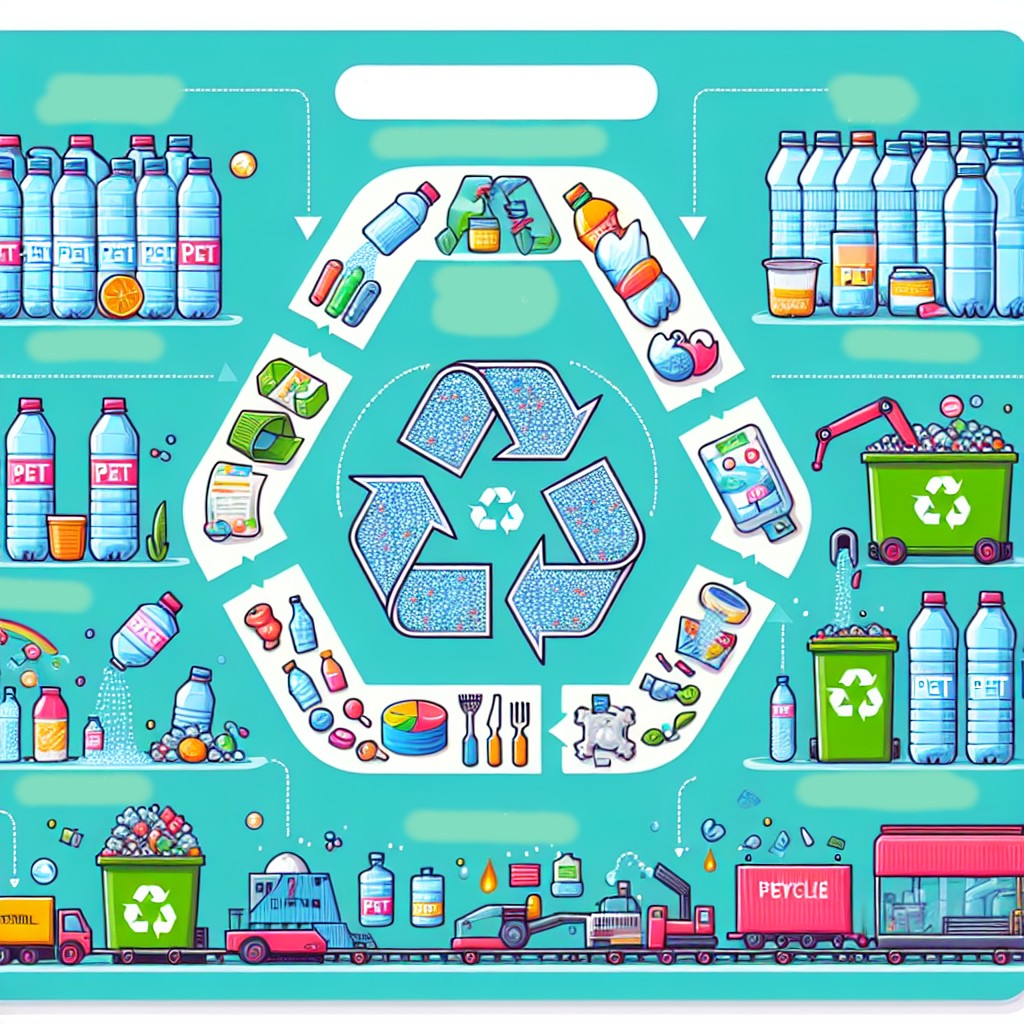
Recycling technology has also seen substantial improvements, making PVC one of the most recyclable plastics. Mechanical recycling methods involve grinding PVC waste into small particles that can be reprocessed into new products. Chemical recycling, on the other hand, breaks down PVC into its constituent monomers, which can then be purified and repolymerized. These recycling techniques not only minimize waste but also conserve resources and reduce environmental pollution.
Furthermore, advancements in additives have led to the development of more eco-friendly and non-toxic stabilizers, replacing harmful substances like lead and cadmium. These innovations have made PVC products safer for consumers and the environment. Additionally, life cycle assessments of PVC products have shown that their long lifespan and low maintenance requirements contribute to their overall sustainability.
Future Trends in PVC Technology
The future of PVC technology looks promising, with ongoing research and development aimed at further enhancing its properties and applications. One of the emerging trends is the incorporation of nanotechnology into PVC formulations. The use of nanoparticles can significantly improve the material’s mechanical strength, thermal stability, and barrier properties. These advancements open up new possibilities for PVC in high-performance applications such as aerospace, defense, and advanced packaging.
Another exciting development is the exploration of PVC composites that combine the polymer with other materials to create hybrid solutions. For instance, PVC-wood composites are gaining popularity in the construction industry due to their enhanced strength, aesthetics, and resistance to moisture and termites. Similarly, PVC-metal composites are being investigated for their potential in providing lightweight yet robust materials for automotive and industrial applications.
Digital manufacturing technologies, such as 3D printing, are also poised to revolutionize the PVC industry. Innovations in 3D printing filaments made from PVC could lead to new manufacturing capabilities and customized product solutions. This technology not only offers design flexibility but also reduces material waste and production time.
Challenges and Opportunities in PVC Technology
Despite the numerous advancements, the PVC industry faces several challenges that need to be addressed to ensure its continued growth and sustainability. One of the primary challenges is regulatory compliance, particularly concerning the use of certain additives and the management of PVC waste. Stricter regulations on phthalates and other plasticizers require the industry to continuously adapt and innovate in the formulation of safer alternatives.
Another challenge is public perception. PVC has often been criticized for its environmental impact, especially regarding its recyclability and the release of harmful chemicals during its lifecycle. To counter these concerns, the industry must invest in transparent communication and education efforts to highlight the advancements in eco-friendly production practices and recycling technologies.
On the flip side, these challenges also present opportunities for growth and improvement. The increasing demand for sustainable materials is pushing the PVC industry to innovate and develop greener solutions. Bio-based PVC and advanced recycling methods are just the beginning. There is potential for further collaborations between industry, academia, and regulatory bodies to drive the development of next-generation PVC materials that meet both performance and environmental standards.
Conclusion
As we’ve explored throughout this article, the advancements in Polyvinyl Chloride (PVC) technology have significantly impacted various industries, from construction and healthcare to electronics and automotive. These innovations have not only enhanced the material’s performance and versatility but also addressed critical sustainability concerns.
The development of advanced polymerization processes, sophisticated additives, and recycling technologies have propelled PVC into a new era of efficiency and environmental responsibility. As we look to the future, emerging trends such as nanotechnology, PVC composites, and digital manufacturing hold the promise of further transforming the landscape of PVC applications.
While challenges such as regulatory compliance and public perception remain, the opportunities for growth and improvement within the PVC industry are vast. By continuing to invest in research and development and embracing sustainable practices, the PVC industry can ensure its relevance and positive impact in an increasingly eco-conscious world.
In summary, the advancements in PVC technology illustrate the dynamic nature of the polymer industry, highlighting how innovation can drive improvements in material properties, expand applications, and contribute to a sustainable future. With ongoing efforts and collaboration across the industry, the future of PVC looks bright, promising continued advancements that cater to the evolving needs of society while prioritizing environmental stewardship.