In the realm of material science, polymer coatings have represented a significant leap forward, enabling versatile applications across diverse industries such as automotive, aerospace, and electronics. Among these advancements, the development of heat-resistant polymer coatings stands out as particularly transformative. These coatings not only provide robust protection against high temperatures but also enhance the durability and performance of the underlying materials. Given the rising demand for materials that can withstand extreme conditions, understanding the advances in this niche is crucial.
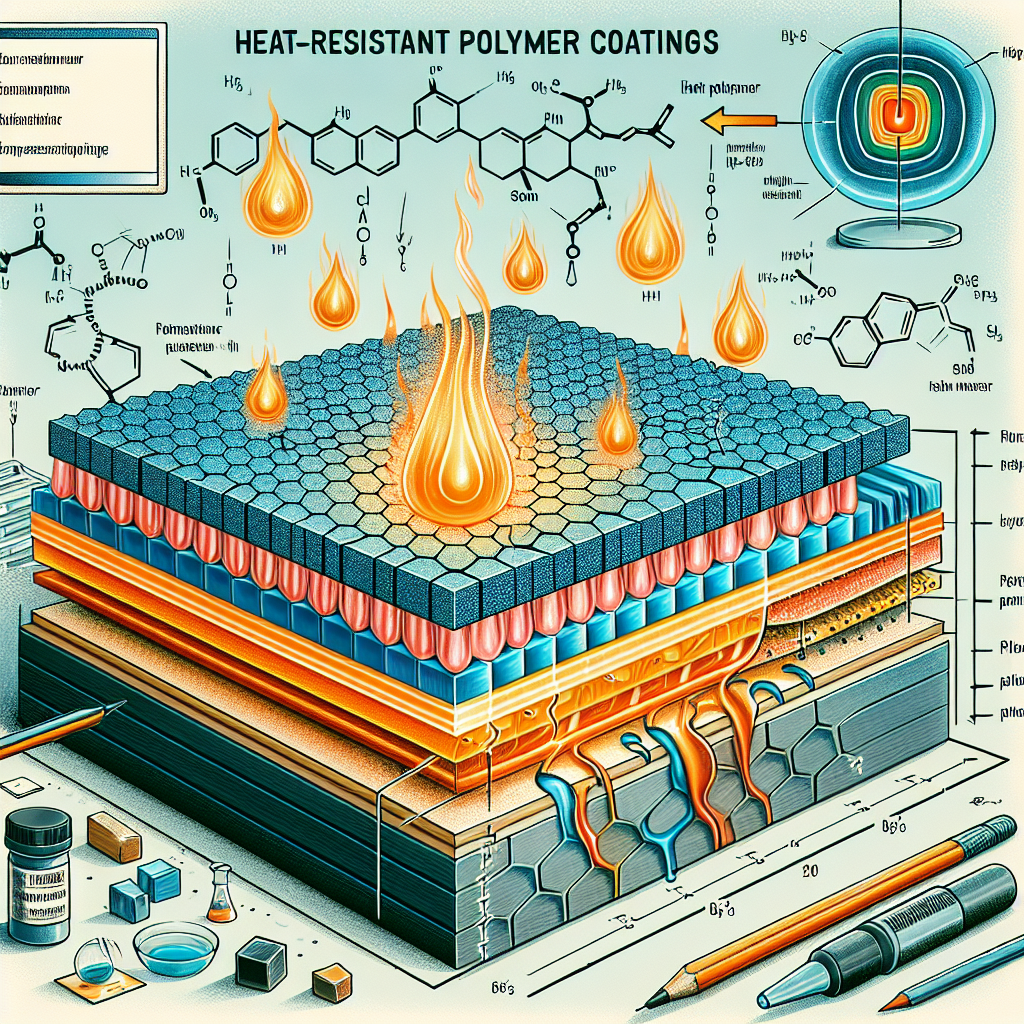
Heat-resistant polymer coatings are engineered to maintain their structural integrity and functional properties despite prolonged exposure to high temperatures. This makes them an ideal solution for environments where conventional materials would degrade or fail. The evolution of these coatings involves a combination of cutting-edge chemical engineering, innovative formulations, and meticulous testing to ensure they meet the rigorous standards required by modern applications.
This article delves into the myriad advancements in heat-resistant polymer coatings, exploring the materials and properties that make them indispensable. We will examine the newest formulations, their unique properties, and their applications in various high-stress environments. By understanding these innovations, industry professionals can select the most suitable coatings for their specific needs, ensuring optimal performance and longevity.
Innovative Formulations in Heat-Resistant Polymer Coatings
Recent advancements in polymer chemistry have led to the development of new formulations that significantly enhance the heat resistance of polymer coatings. Traditional coatings often relied on materials such as polyimides and polysiloxanes. While effective, these materials sometimes fell short in terms of longevity and versatility. The latest innovations incorporate advanced polymers such as polybenzimidazole (PBI) and liquid crystal polymers (LCPs), known for their exceptional thermal stability and mechanical properties.
For instance, PBI-based coatings can withstand temperatures exceeding 400°C without degrading, making them ideal for aerospace applications where materials are subjected to intense thermal stress. LCPs, on the other hand, offer a unique combination of high thermal resistance and mechanical strength, suitable for electronics and microelectronic devices where both heat dissipation and structural integrity are critical.
Additionally, nanotechnology has played a pivotal role in the enhancement of polymer coatings. By incorporating nano-fillers such as carbon nanotubes and graphene, researchers have been able to improve thermal conductivity and mechanical strength without compromising the coating’s flexibility. These nano-enhanced coatings exhibit superior performance, offering a promising avenue for future developments.
Properties and Performance Metrics
The primary properties of interest for heat-resistant polymer coatings include thermal stability, thermal conductivity, and mechanical strength at high temperatures. Thermal stability ensures that the coating retains its protective qualities without degrading when exposed to high temperatures for extended periods. Thermal conductivity, though typically lower in polymers compared to metals, can be enhanced through material modifications, allowing for better heat dissipation.
Mechanical properties, such as tensile strength and hardness, are equally important. High temperatures can cause materials to become brittle or lose their shape. Advanced heat-resistant coatings are designed to maintain mechanical integrity, ensuring that the protected surface remains robust and functional. Flexibility and adhesion are also critical, as they ensure the coating can be applied to various substrates and maintain its protective layer under thermal cycling conditions.
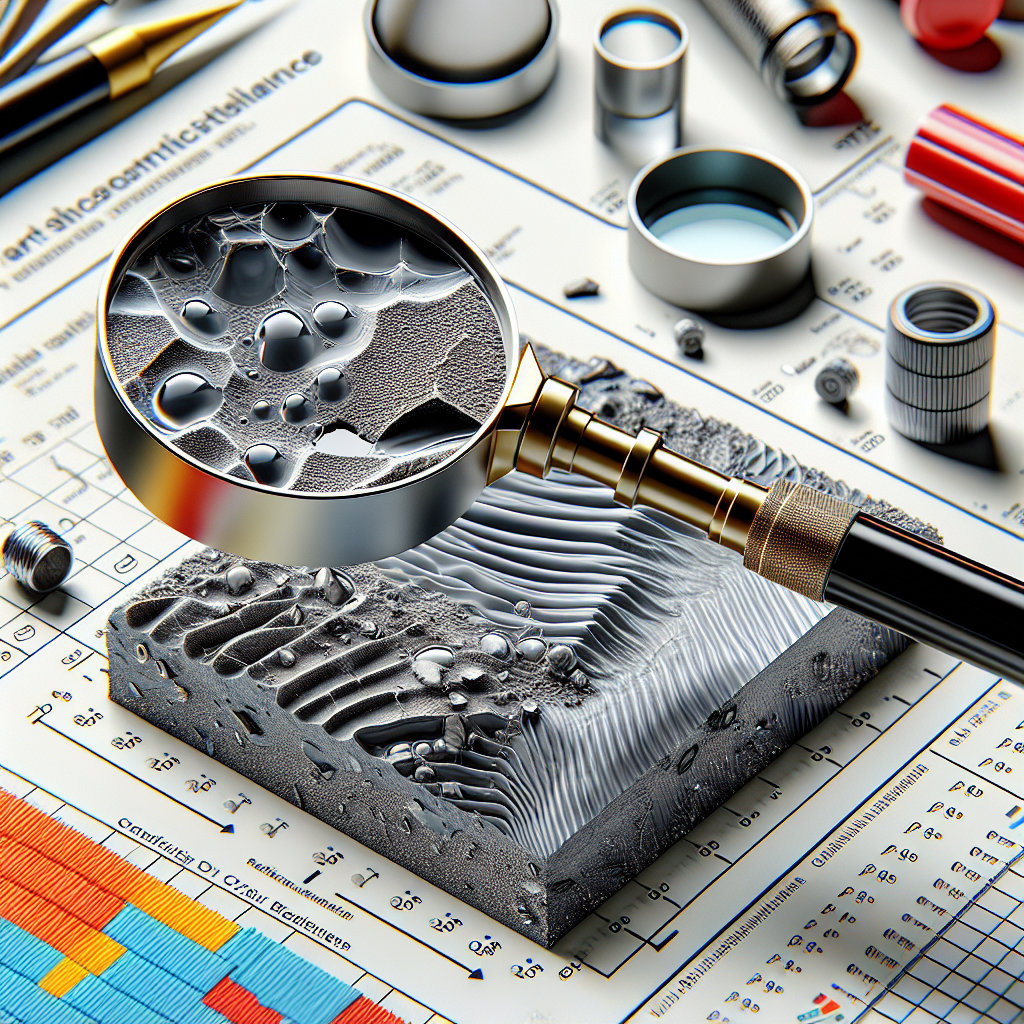
Evaluation of these properties involves rigorous testing protocols. Thermogravimetric analysis (TGA) measures the thermal stability, while dynamic mechanical analysis (DMA) assesses the mechanical properties over a range of temperatures. These tests, combined with real-world application data, help in fine-tuning the formulations to achieve optimal performance.

Applications in High-Temperature Environments
The applications of heat-resistant polymer coatings are vast and varied, spanning multiple industries with specific requirements for thermal management. One of the most significant markets is aerospace, where components are frequently exposed to extreme heat during operation. Heat-resistant coatings are used to protect engine components, airframes, and other critical parts, extending their service life and enhancing safety.
In the automotive industry, these coatings are applied to exhaust systems, engine blocks, and other high-temperature areas to prevent heat damage and improve efficiency. Similarly, electronics and electrical industries benefit from these advanced coatings to safeguard sensitive components, such as microprocessors and circuit boards, against overheating, which can lead to catastrophic failures.
Another vital application is in the industrial sector, particularly in environments involving furnaces, reactors, and heat exchangers. Coatings that can withstand high temperatures while providing chemical resistance are indispensable, ensuring both the longevity of the equipment and operational efficiency. Energy sectors, including solar power and petrochemical industries, also leverage these coatings to enhance performance and durability of their installations.
Challenges and Future Prospects
Despite the impressive advancements, the development of heat-resistant polymer coatings faces several challenges. One primary concern is the trade-off between thermal resistance and other desired properties such as flexibility, adhesion, and cost-effectiveness. High-performance coatings often come with increased costs, which can be a barrier for widespread adoption, particularly for smaller-scale applications.
Another challenge involves the long-term durability of these coatings under cyclic thermal stresses. Repeated heating and cooling cycles can induce micro-cracks and delamination, compromising the coating’s protective capabilities. Researchers are actively working on improving the resilience of these coatings through innovative formulations and advanced testing methods.
The future of heat-resistant polymer coatings seems promising with ongoing research and development. Emerging technologies, like 3D printing, offer new possibilities for creating custom-tailored coatings with precise properties and geometries. Additionally, the integration of smart materials that can self-heal minor damages or adapt to changing conditions can revolutionize the industry, providing even greater reliability and longevity.
Regulatory and Environmental Considerations
The increased utilization of heat-resistant polymer coatings also brings to light regulatory and environmental considerations. As industries become more conscious of their ecological footprint, the development of environmentally friendly coatings has gained momentum. Traditional coatings often involve hazardous chemicals and solvents, posing environmental and health risks.
Regulatory bodies are imposing stringent guidelines for the use and disposal of such materials. This has prompted the industry to innovate sustainable solutions, such as water-based coatings and the use of bio-based polymers. These alternatives offer reduced environmental impact without compromising performance. Furthermore, the end-of-life disposal and recyclability of coated materials are critical factors being addressed to ensure sustainable practices.
Compliance with international standards, such as REACH in Europe and TSCA in the United States, is essential for manufacturers. These regulations ensure that the products meet safety and environmental criteria, fostering trust among consumers and stakeholders. As the industry evolves, ongoing collaboration between researchers, regulatory bodies, and manufacturers will be crucial in setting new benchmarks for sustainability in heat-resistant polymer coatings.
Conclusion
The landscape of heat-resistant polymer coatings is marked by remarkable advancements, as innovative formulations and technologies continue to push the boundaries of what these materials can achieve. From aerospace to electronics, the impact of these coatings is far-reaching, offering enhanced protection, improved performance, and extended lifespans to various components and systems. The blend of advanced polymer chemistry and nanotechnology has unlocked new potentials, addressing both thermal and mechanical challenges posed by high-temperature environments.
While the journey is riddled with challenges, including cost and long-term durability concerns, the industry is poised for a dynamic future. Emerging technologies and sustainable practices promise to overcome these hurdles, paving the way for next-generation coatings that are not only high-performing but also environmentally conscious. As research intensifies, we can anticipate more robust solutions that offer exceptional thermal resistance, mechanical strength, and flexibility.
For industry professionals, staying abreast of these innovations is essential. Selecting the right heat-resistant polymer coating can significantly influence the durability and efficiency of the equipment and structures, ultimately leading to cost savings and improved safety. By embracing the latest advancements and adhering to regulatory standards, manufacturers can leverage these coatings’ full potential, driving progress across multiple sectors.