The polymer industry has been a cornerstone of technological advancements, affecting a multitude of sectors including automotive, aerospace, electronics, and healthcare. Among the various polymer classes, high-temperature polymers have carved out a unique and essential role due to their ability to withstand extreme thermal conditions while maintaining desirable mechanical properties. With a diverse portfolio ranging from polyimides to polytetrafluoroethylene (PTFE), these materials are enabling innovations that would be otherwise unattainable using conventional materials.
As industries constantly push for higher efficiencies and performance, the demand for high-temperature polymers has skyrocketed. These polymers are specifically engineered to retain their properties at elevated temperatures, making them invaluable in applications where traditional materials fail. Whether it’s in the aerospace industry, where thermal stability can mean the difference between mission success and catastrophic failure, or in electronics, where thermal management is critical, high-temperature polymers are forging pathways to the future.
High-temperature polymers are not just about withstanding heat; they also offer excellent chemical resistance, and outstanding mechanical properties, and in some cases, even electrical insulation. With rapid advancements in polymer chemistry and material science, the future promises even more sophisticated high-temperature polymers tailored to meet the most demanding requirements. This article delves into the current state and future potential of high-temperature polymers in industry, shedding light on materials and their unique properties.
High-Temperature Polymer Materials
High-temperature polymers encompass a broad category of materials designed to perform at temperatures typically ranging from 150°C to over 400°C. Some of the most commonly used high-temperature polymers include Polyimides, PEEK (Polyether Ether Ketone), PTFE (Polytetrafluoroethylene), and Polybenzimidazole (PBI). Each of these materials offers distinct properties that cater to specific industrial applications.
Polyimides: Known for their exceptional thermal stability, polyimides are widely used in the aerospace and electronics industries. They can maintain their properties at temperatures as high as 400°C, making them suitable for high-performance coatings, adhesives, and films.
PEEK (Polyether Ether Ketone): PEEK is renowned for its mechanical strength and chemical resistance. It offers a unique combination of toughness and resistance to aggressive chemicals, making it ideal for applications like medical devices, automotive components, and oil and gas machinery that require long-term reliability at high temperatures.
PTFE (Polytetrafluoroethylene): Commonly known by its trade name Teflon, PTFE has an outstanding thermal range but is particularly celebrated for its low friction and high chemical resistance. PTFE is a staple in industries requiring low-wear surfaces, such as non-stick cookware, electrical insulation, and gasketing under harsh environments.
Polybenzimidazole (PBI): PBI offers unparalleled thermal and oxidative stability, withstanding continuous exposure to temperatures as high as 310°C. It is used in extreme applications like fire-resistant materials, high-performance liquid chromatography (HPLC) components, and astronaut space suits.

Properties and Benefits
The allure of high-temperature polymers lies in their combination of mechanical strength, thermal stability, and resistance to degradation. One of the core benefits of these materials is their thermal endurance. Traditional polymers may lose their structural integrity or melt when exposed to high temperatures, but high-temperature polymers are engineered to withstand such extreme conditions without significant deterioration.
Another compelling property is their chemical resistance. These polymers resist attacks from a variety of chemicals, including acids, bases, and organic solvents, making them indispensable in chemically aggressive environments. For instance, PTFE showcases an extraordinary resistance to virtually all chemicals, which is why it is often used in chemical processing industries.
Mechanical properties are equally impressive. Materials like PEEK not only retain their strength at high temperatures, but also exhibit excellent fatigue resistance, low moisture absorption, and significant dimensional stability. These attributes make them ideal for components subjected to high stress and thermal cycling, like those in aerospace and automotive applications.
Electrical insulation is another critical property. High-temperature polymers such as polyimides are excellent electrical insulators, maintaining their insulating properties at elevated temperatures. This makes them crucial in the electronics industry, particularly in high-performance cables, printed circuit boards (PCBs), and insulation layers that must perform under thermal stress.
Industrial Applications
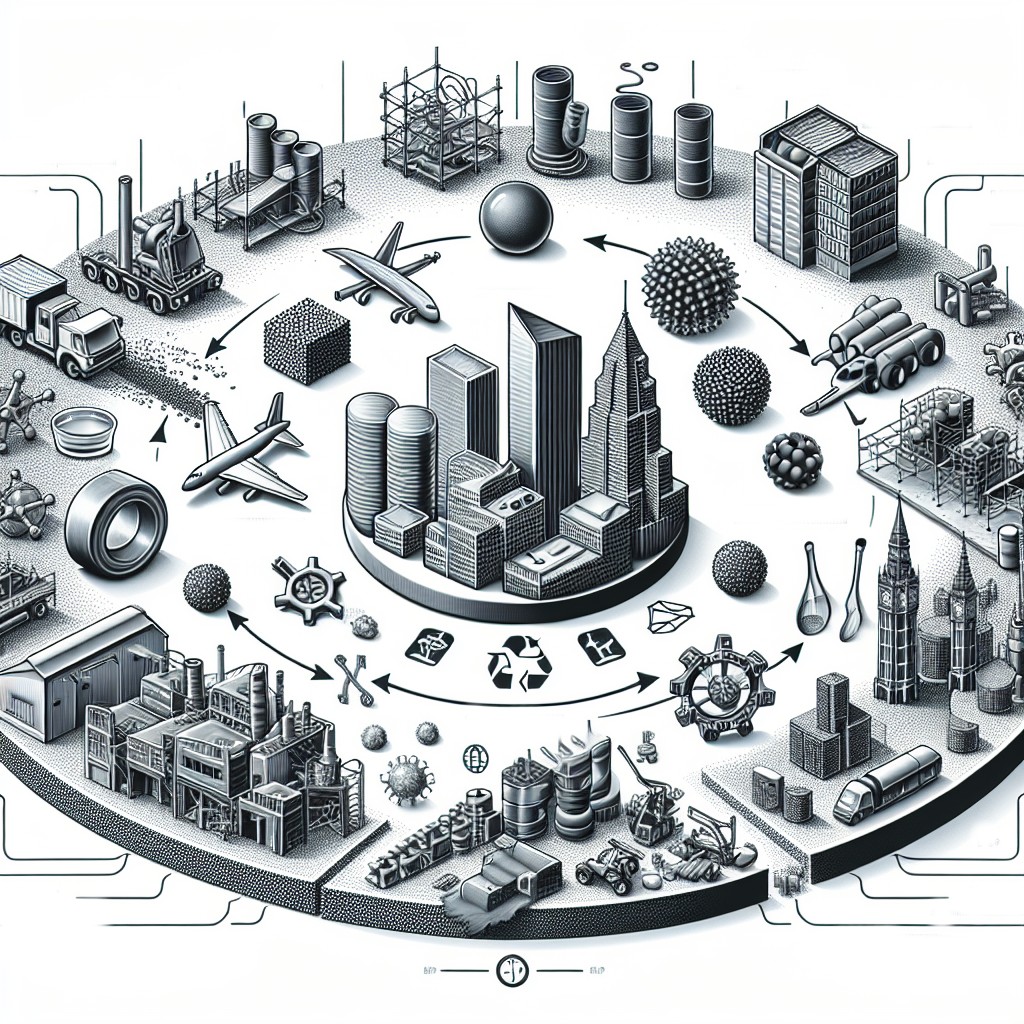
The versatility of high-temperature polymers has led to their adoption across a broad range of industries. In the aerospace industry, these materials are used in engine components, structural parts, and thermal insulation layers that need to endure extreme conditions. Polyimides, for instance, are the material of choice for insulating films in spacecraft and satellites, where thermal stability is non-negotiable.
In the automotive sector, high-temperature polymers contribute to weight reduction and increased fuel efficiency. PEEK is commonly used in under-hood components, bearings, gears, and seals that must perform under elevated temperatures and demanding conditions. PTFE, due to its low friction properties, is often used in valve and gasket applications to enhance engine performance and longevity.
The electronics industry also leverages high-temperature polymers for their excellent electrical insulating properties. Polyimides and PTFE are frequently used in PCBs, flexible circuits, and wire insulation to ensure reliability and performance even under high thermal loads. Moreover, as the push for miniaturization continues, the need for materials that can manage heat dissipation effectively becomes more crucial.
In healthcare, high-temperature polymers are essential for the development of medical devices and implants. PEEK, with its biocompatibility and ability to withstand sterilization processes, is used in spinal implants, prosthetic limbs, and surgical instruments. These materials ensure that medical devices can tolerate repeated exposure to high temperatures without degradation.
The Challenges Ahead
While high-temperature polymers provide numerous benefits, they also present several challenges that must be addressed for broader adoption. One significant challenge is the cost of production. High-performance polymers often require complex synthesis processes and expensive raw materials, making them significantly more costly than conventional polymers. Balancing performance with cost-efficiency is crucial for these materials to become more widely used across different sectors.
Another challenge lies in processing. High-temperature polymers often require specialized processing techniques, such as high-temperature molding, extrusion, and machining. These techniques add to the overall manufacturing complexity and cost. Advances in processing technologies and more efficient methods of production are needed to overcome these barriers.
Environmental concerns also play a role. The production and disposal of high-temperature polymers can have environmental implications. Efforts to make these materials more environmentally friendly through recycling and the development of bio-based alternatives are gaining traction. Research into sustainable high-temperature polymers that maintain performance without compromising environmental integrity is on the rise.
Lastly, research and development for new polymers with even higher performance characteristics is a continuous endeavor. The development of materials that can exceed current temperature limits, exhibit superior mechanical and electrical properties, and offer better cost efficiency remains a key focus for scientists and engineers.
The Future Landscape
The future of high-temperature polymers is incredibly promising, with a focus on advancing material science and expanding applications. Innovations in polymer chemistry are paving the way for the next generation of materials that offer even higher thermal stability, enhanced mechanical properties, and greater environmental sustainability.
One exciting area of development is the integration of nanomaterials to enhance the properties of high-temperature polymers. Nano-fillers like carbon nanotubes, graphene, and nanoparticles are being explored to boost mechanical strength, thermal conductivity, and electrical properties. These advancements could open new possibilities in sectors like electronics, where efficient heat dissipation and lightweight materials are paramount.
Another promising direction is the exploration of bio-based high-temperature polymers. Researchers are striving to develop materials derived from renewable resources that can perform at elevated temperatures. This not only addresses environmental concerns but also reduces the dependency on petroleum-based raw materials. Bio-based polymers can revolutionize industries by combining sustainability with high performance.
Additionally, advancements in 3D printing technology are set to transform the manufacturing landscape for high-temperature polymers. 3D printing offers the ability to create complex geometries and custom components with high precision, reducing material waste and lead times. The development of high-temperature polymer filaments and powders for additive manufacturing can open new horizons for rapid prototyping and small-scale production in a cost-effective manner.
Conclusion
The journey of high-temperature polymers showcases the relentless pursuit of innovation in materials science. These remarkable materials have already left an indelible mark on a multitude of industries, from aerospace to healthcare, by offering unmatched thermal stability, mechanical strength, and chemical resistance. As we look to the future, the continuous evolution of high-temperature polymers will undoubtedly drive further advancements in technology and industry.
Challenges remain, particularly in terms of cost, processing, and environmental impact. However, the ongoing research and development efforts, coupled with visionary advancements in polymer chemistry and processing technologies, hold great promise for overcoming these obstacles. The integration of nanomaterials, the exploration of bio-based alternatives, and the progress in additive manufacturing are likely to redefine the landscape of high-temperature polymers.
As industries continue to demand materials that can perform under extreme conditions, high-temperature polymers will remain at the forefront of innovation. Their ability to enable breakthroughs and enhance the performance of critical applications makes them indispensable in the modern world. The future of high-temperature polymers is bright, and their journey is far from over as they continue to unlock new possibilities and shape the course of industrial progress.