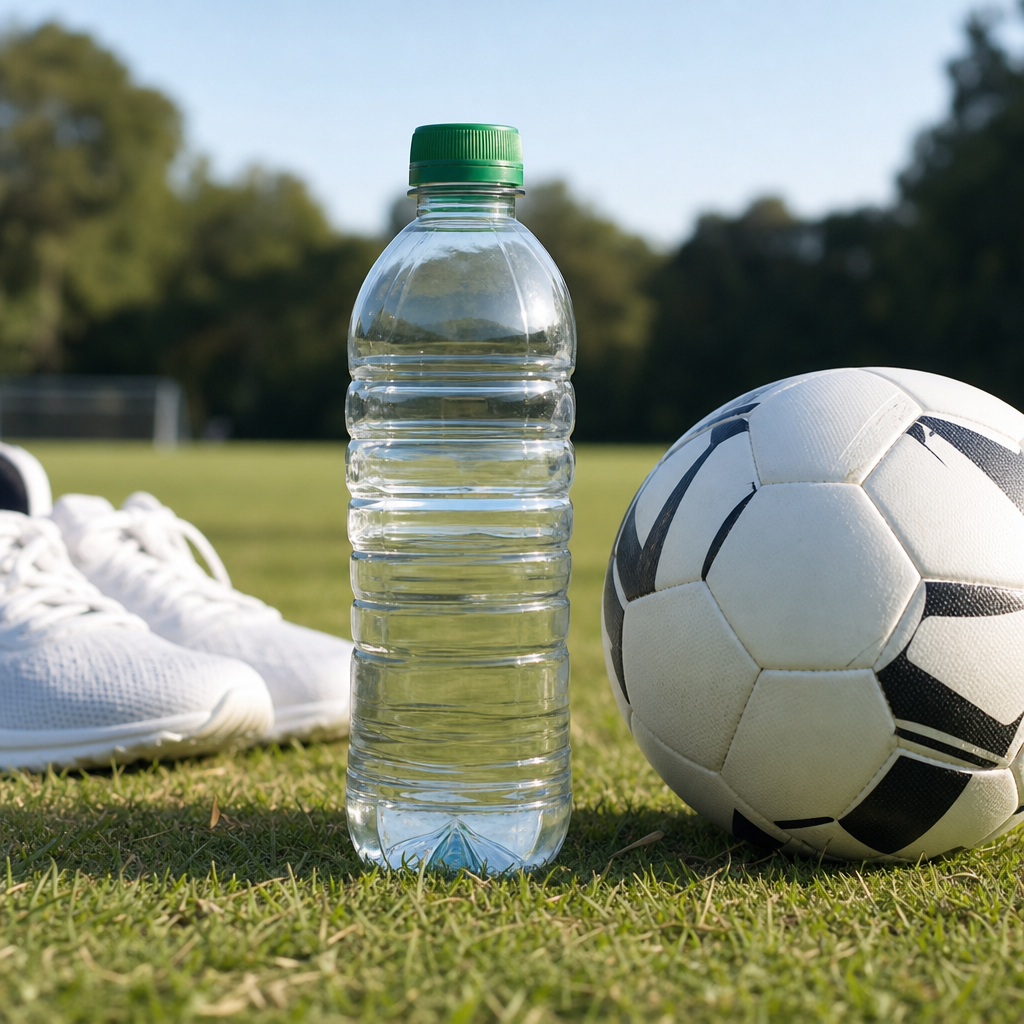
Biodegradable polymers are reshaping sports and leisure by giving manufacturers a way to reduce waste without abandoning performance, safety, or design flexibility. In practical terms, these materials are plastics or plastic-like compounds that can break down through biological activity into simpler substances such as water, carbon dioxide, methane, biomass, and mineral salts under defined conditions. In sports, that matters because the sector consumes enormous volumes of short-life products: packaging for nutrition and apparel, event signage, disposable rain ponchos, protective wraps, grip tapes, turf components, foam inserts, and single-season accessories. After years of reviewing materials for sporting goods launches, I have seen one pattern clearly: athletes and buyers now ask not only how equipment performs, but also what happens when it wears out.
The phrase biodegradable polymers is often used loosely, so it helps to define it carefully. Some materials are bio-based, meaning they are made partly from renewable feedstocks such as corn starch, sugarcane, cellulose, or castor oil. Some are biodegradable, meaning microorganisms can metabolize them under specific environmental conditions. A polymer can be one, both, or neither. Polylactic acid, polyhydroxyalkanoates, starch blends, polybutylene succinate, and polycaprolactone are among the most discussed options in sporting applications. Standards such as EN 13432, ASTM D6400, ASTM D5338, ASTM D6691, and ISO 17088 are important because they define test methods and pass criteria. Without those standards, a compostable race-cup claim or biodegradable apparel-bag claim is marketing, not evidence.
Sports and leisure are a strong fit for this discussion because the category spans both durable goods and fast-consumption items. A football boot or climbing helmet has very different design requirements from an energy-gel sachet or marathon bib. That variation creates opportunities and limits. Biodegradable polymers are not a universal replacement for conventional plastics like PET, TPU, EVA, HDPE, and nylon, especially in high-load applications where impact resistance, fatigue life, moisture stability, and thermal consistency are critical. Yet they are increasingly viable in areas where disposability, contamination, event waste, or low mechanical stress define the use case. Understanding where they work best is the key to smart adoption across sports and leisure.
Where biodegradable polymers fit best in sports and leisure
The most effective uses today are in products with short service lives, high event turnover, or difficult post-use recovery. That includes compostable packaging for protein bars and supplements, shopping and kit bags at tournaments, single-use medical and hygiene items in changing rooms, temporary event décor, and some molded accessories such as tee markers, training cones, and low-load clips. In stadium operations, food service is one of the clearest wins. Compostable cups, cutlery, lids, and food trays made from PLA, PHA, molded fiber with biopolymer coatings, or starch blends can simplify waste handling when venues have access to industrial composting. At several endurance events I have worked on, waste audits showed food-contact contamination was a major reason conventional recyclable plastics were still landfilled. Compostable service ware can solve that specific operational problem.
Textiles are another important frontier. Biodegradable polymer fibers and coatings appear in shopping bags, garment packaging, temporary protective covers, and selected apparel components. There is active development around biodegradable polyester alternatives and cellulose-based fibers for leisurewear, yoga accessories, and promotional merchandise. However, the technical reality is nuanced. Sweat exposure, repeated washing, UV radiation, and abrasion can degrade many materials prematurely if formulations are not carefully stabilized. For sports apparel, the target is not rapid breakdown during use; it is controlled durability in service followed by reliable end-of-life performance in the correct disposal system. Brands that communicate this distinction clearly avoid the common consumer misconception that biodegradable means fragile.
Footwear and equipment present more selective opportunities. Insoles, sock liners, packaging inserts, shoe boxes, retail hangers, and accessory pouches are easier entry points than midsoles or safety-critical shells. Some companies are experimenting with biodegradable foams, natural-fiber-reinforced biopolymer composites, and PHA or PBS blends for low-load molded parts. Leisure products such as golf tees, fishing accessories, camping utensils, festival wristbands, and temporary locker tokens are especially well suited because they often combine moderate performance demands with high litter risk or poor recovery rates. In these categories, a biodegradable polymer can materially reduce environmental burden when the waste stream is realistically managed.
Key materials, properties, and sports-specific tradeoffs
PLA is one of the most commercially available biodegradable polymers and has become common in cups, lids, films, rigid packaging, and 3D-printed prototypes. Its strengths include clarity, stiffness, processability, and renewable feedstock origins. Its weaknesses include brittleness, lower heat resistance unless modified, and dependence on industrial composting for reliable degradation. In sports retail, PLA works well for blister replacements, hang tags, and some apparel bags, but it is usually a poor choice for high-impact protective parts. PHA is gaining attention because certain grades biodegrade in a broader range of environments, including marine settings, although actual degradation rates vary significantly by formulation and thickness. PHA is promising for flexible packaging, coated paper products, and specialty molded accessories, but it remains expensive compared with commodity plastics.
Starch blends are often used in bags and films, particularly where softness and sealability are needed. They can be useful for laundry bags at training camps, liner bags in stadium waste systems, and retail carry bags at sports events. Polybutylene succinate offers better flexibility and toughness than PLA in some applications, while polycaprolactone is valued in blends because it can improve ductility and processing behavior. Cellulose-based films and regenerated cellulose can also play a role in wraps and windows for product packaging. From a design perspective, the challenge is rarely a single property. It is balancing tensile strength, tear propagation, barrier performance, printability, shelf life, and end-of-life compatibility at a cost the sports market will accept.
| Material | Typical sports uses | Main strengths | Main limitations |
|---|---|---|---|
| PLA | Cups, lids, apparel bags, rigid packaging | Clear, stiff, widely available | Brittle, heat sensitive, usually industrially compostable |
| PHA | Flexible packaging, coated paper, molded accessories | Broader biodegradation potential, good sustainability profile | Higher cost, limited scale |
| Starch blends | Carry bags, bin liners, temporary covers | Flexible, useful in film applications | Moisture sensitivity, lower strength |
| PBS | Films, molded parts, blends | Toughness and flexibility | Performance depends heavily on formulation |
| Cellulose-based materials | Wraps, labels, windows, selected textiles | Renewable feedstock, good aesthetics | Barrier and wet-strength constraints |
For sports and leisure brands, the real decision is application matching. If a product must absorb repeated impacts, maintain dimensional stability in rain, or survive years of UV exposure, conventional engineering polymers may still be the safer choice. If a product is used for hours or days, not years, and is likely to end up contaminated or mixed with organic waste, biodegradable options can outperform standard plastics from a system perspective. In my experience, the best projects start with a blunt materials map: duration of use, load case, exposure profile, disposal route, and contamination risk. That prevents the common mistake of trying to force one polymer family across every sports category.
Real-world applications across venues, apparel, and equipment
Major sporting events produce visible waste spikes, so venues have become laboratories for biodegradable polymer adoption. Marathon expos commonly distribute thousands of race packets, rain ponchos, sample sachets, and takeaway food containers over a weekend. When organizers switch from mixed conventional plastics to certified compostable food-contact items paired with clearly labeled collection streams, contamination in organics bins can decline and post-event sorting becomes faster. The environmental gain depends on access to industrial composting, but operationally the model is sound. Stadium hospitality is similar. Cups and lids are often too food-soiled to recycle economically, so compostable alternatives can align materials with actual waste behavior rather than theoretical recyclability.
In apparel, the biggest near-term impact is usually packaging, not the garment itself. Polybags are still standard in sportswear logistics, and they are used in huge quantities across teamwear, footwear, and licensed merchandise. Replacing selected virgin fossil-based bags with certified compostable or partially bio-based alternatives can lower reliance on conventional plastic, especially for direct-to-event distribution or closed collection programs. Some brands are also using biodegradable polymer coatings and trims in yoga mats, swim accessories, wristbands, and promotional items. The key lesson from launches I have supported is that packaging transitions succeed when procurement, fulfillment, and disposal planning happen together. A better bag alone does not improve outcomes if warehouses reject it, stores mix it into general waste, or moisture conditions damage stock.
Equipment applications are advancing, but cautiously. Golf is a useful example because it includes many small, frequently lost accessories. Biodegradable golf tees and peg components are already familiar to consumers and can reduce persistent litter on courses. Angling and watersports are another focus area because lost gear has direct ecological impacts. Researchers and startups are exploring biodegradable fishing lines, lures, and net components, although performance and safety standards remain demanding. In camping and outdoor leisure, cutlery, plates, hygiene packaging, and temporary shelter accessories are easier wins than load-bearing tent hardware. The pattern is consistent: the lower the structural demand and the higher the loss or contamination risk, the stronger the case for biodegradable polymers in sports and leisure.
What brands must get right: standards, disposal, and product claims
The hardest part of using biodegradable polymers in sports is not molding or converting the material. It is making sure the end-of-life story is real. A compostable fork used in a stadium without compost collection will probably be incinerated or landfilled like any other item. A biodegradable accessory marketed without qualification may encourage littering, which is both environmentally harmful and legally risky. That is why claims must be precise. Brands should specify whether a product is industrially compostable, home compostable, soil biodegradable, or marine biodegradable, and then support that claim with recognized test standards and third-party certification where available. Vague language such as eco-friendly plastic or planet-safe polymer is not enough.
Design teams also need to understand certification boundaries. EN 13432 and ASTM D6400 apply to compostable packaging, but passing those standards does not mean a product will biodegrade quickly in nature. Thickness, additives, inks, adhesives, and multilayer structures all affect outcomes. In sports packaging, labels and closures are frequent weak points; one non-compostable adhesive can compromise the whole format. Procurement teams should ask suppliers for technical data sheets, migration data for food contact where relevant, disintegration reports, and details on storage conditions. I have seen event materials fail simply because compostable films were stored in high humidity too long before deployment, causing sealing issues and reduced shelf appeal.
Consumer guidance is equally important. Disposal instructions should appear on packs, hang tags, venue signage, and online product pages. If a city lacks industrial composting, say so and provide the next-best option. If an item is partly biodegradable and partly conventional, identify each component clearly. This matters for trust and for compliance with tightening green-claims rules in Europe, North America, and parts of Asia-Pacific. Sports brands trade on reputation, and environmental overstatement creates avoidable reputational damage. The strongest programs treat biodegradable polymers as one tool within a broader materials strategy that also includes reduction, reuse, recyclability, and better logistics.
The future of biodegradable polymers in sports
Over the next several years, biodegradable polymers in sports will move from isolated novelty products to targeted system solutions. The fastest growth will likely come in event operations, food service, retail packaging, club merchandise, outdoor leisure accessories, and selected textile components. Material science is improving through copolymers, nucleating agents, impact modifiers, reactive extrusion, and natural-fiber reinforcement, all of which help close performance gaps. Costs are also becoming more manageable as capacity expands, although premium pricing remains a barrier in value-driven segments. The bigger unlock will be infrastructure: better composting access, clearer labeling rules, and procurement standards that reward verified end-of-life performance rather than marketing claims.
For sports and leisure organizations, the practical takeaway is simple. Start with products that are short-lived, contamination-prone, or commonly lost, then match the polymer to the actual disposal pathway. Use certified materials, validate claims, and test performance under real sporting conditions: sweat, mud, UV, flexing, transport, and storage. Done well, biodegradable polymers can reduce persistent waste, improve event waste management, and help brands align product design with the realities of use and disposal. They are not a silver bullet, but they are an increasingly valuable part of the applications toolkit. If you manage sports products, venues, or events, now is the time to audit your plastics and identify where biodegradable polymers can deliver measurable gains.
Frequently Asked Questions
1. What are biodegradable polymers, and why are they becoming important in sports?
Biodegradable polymers are materials designed to break down through the action of microorganisms such as bacteria, fungi, and algae into simpler natural substances, typically including water, carbon dioxide, methane in oxygen-limited environments, biomass, and mineral residues under specific conditions. In the sports industry, they are gaining attention because manufacturers are under growing pressure to reduce waste from products that are used briefly, replaced often, or discarded in large quantities. Sports and leisure markets rely heavily on plastics for packaging, accessories, protective components, disposable event items, and some categories of footwear and apparel, so even small material shifts can have a meaningful environmental impact.
What makes biodegradable polymers especially relevant is that they offer a potential middle ground between performance and sustainability. Traditional plastics are valued because they are lightweight, durable, moldable, and cost-effective, but they can persist in the environment for decades or centuries if they are not properly managed. Biodegradable alternatives can be engineered to deliver many of those same benefits while also offering an end-of-life pathway that aligns better with circular economy goals. For sports brands, event organizers, and equipment makers, this creates opportunities to reduce landfill dependency, lower visible waste, and respond to consumer demand for more responsible products without abandoning comfort, safety, or design freedom.
It is important, however, to understand that “biodegradable” does not mean a material disappears instantly or safely in every environment. Most biodegradable polymers require defined conditions such as industrial composting temperatures, controlled moisture, or specific microbial activity to break down effectively. That is why their growing importance in sports is tied not only to material science, but also to smarter product design, better disposal systems, and clearer consumer education.
2. How are biodegradable polymers used in sports equipment, apparel, and event products?
Biodegradable polymers are being introduced across a wide range of sports-related applications, particularly where products have shorter life cycles or where conventional plastic waste is difficult to justify. In apparel and footwear, they may appear in foam components, trims, coatings, packaging, insoles, and certain textile blends. In sports accessories, they can be used for items such as mouthguard cases, training cones, disposable ponchos, wristbands, product wraps, and single-use hygiene or recovery products distributed at events. In some cases, manufacturers are also exploring biodegradable composites for protective gear components, paddings, and molded parts where moderate durability is needed over a limited product lifespan.
Large sporting events are another major area of use. Marathons, tournaments, festivals, and outdoor competitions generate enormous amounts of waste from cups, cutlery, food-service packaging, accreditation materials, giveaways, and temporary fixtures. Biodegradable polymers can help reduce the environmental burden of these short-duration products, especially when paired with organized collection and composting systems. This is where the materials often make the most immediate practical sense, because event waste streams are concentrated, easier to manage centrally, and more likely to be processed under the right disposal conditions.
That said, not every sports product is a strong candidate. High-impact equipment such as helmets, climbing safety gear, elite-performance bicycle components, or long-life structural parts must meet extremely strict standards for strength, impact resistance, environmental stability, and reliability over time. In these categories, biodegradable polymers may currently be better suited for secondary elements or packaging rather than core load-bearing structures. The most successful uses today tend to be applications where performance requirements are clearly understood, product lifespan is relatively short, and the end-of-life pathway can be controlled.
3. Do biodegradable polymers perform as well as traditional plastics in sports applications?
They can, but performance depends heavily on the specific polymer, the product design, and the intended use. Biodegradable polymers are not one single material class with uniform properties. Some are rigid and suitable for molded packaging or accessories, while others can be formulated for flexibility, cushioning, or film applications. As a result, their performance in sports can range from highly effective in the right application to clearly unsuitable in others. For example, a biodegradable polymer may work very well in a race-day cup, product blister pack, or disposable accessory, yet fall short in a component that must endure repeated high-impact loading, prolonged sweat exposure, UV radiation, and temperature variation over multiple seasons.
Manufacturers evaluate these materials using the same core criteria they apply to conventional plastics: tensile strength, flexibility, abrasion resistance, moisture sensitivity, thermal behavior, processing compatibility, and user safety. In sports, additional concerns often include athlete comfort, skin contact, odor resistance, low weight, and performance consistency under stress. Some biodegradable polymers perform impressively in these areas, especially when blended with additives or reinforced with fibers, but trade-offs can still exist. A material may be more brittle, more sensitive to humidity, or less stable during long-term storage if it is not carefully engineered.
The key point is that biodegradable does not automatically mean lower quality, nor does it guarantee equal performance in every scenario. The best results come when materials are selected for a targeted purpose rather than used as direct one-to-one replacements for petroleum-based plastics. In practical sports product development, that means designing around the strengths of biodegradable polymers instead of forcing them into roles they are not yet optimized to fill. When this is done well, brands can achieve a strong balance of functionality, aesthetics, and environmental benefit.
4. Are biodegradable polymers actually better for the environment, or is that sometimes overstated?
They can offer real environmental advantages, but the benefits should be evaluated carefully and honestly. The strongest environmental case for biodegradable polymers usually appears when they replace short-life plastic products that are difficult to recycle, are commonly contaminated after use, or are likely to become litter. In those contexts, a biodegradable option may reduce long-term persistence in waste streams and support more responsible disposal systems, particularly where industrial composting or organic waste processing infrastructure exists. Some biodegradable polymers are also made partly from renewable feedstocks, which may reduce dependence on fossil resources.
At the same time, environmental claims can be overstated if they ignore the conditions required for breakdown. A biodegradable polymer left in a dry landfill, thrown into the ocean, or mixed into the wrong recycling stream may not behave as consumers expect. In some cases, it can still persist for significant periods if the necessary heat, oxygen, moisture, or microbial conditions are absent. That is why responsible messaging matters so much. A product marketed as biodegradable should ideally be supported by recognized testing standards, clear labeling, and disposal instructions that match real-world infrastructure.
From a broader sustainability perspective, the right question is not simply whether a material biodegrades, but whether the entire product system is improved. That includes raw material sourcing, manufacturing energy use, transportation, durability, reuse potential, waste collection, and actual end-of-life outcomes. For sports brands and event planners, biodegradable polymers are most environmentally valuable when they are part of a wider strategy that includes reduction of unnecessary items, smarter product design, better sorting systems, and transparency about limitations. In other words, they are a promising tool, but not a standalone solution.
5. What should sports brands, teams, and consumers look for when choosing products made with biodegradable polymers?
They should start by looking for specificity rather than vague sustainability language. A trustworthy product should identify what kind of biodegradable polymer is being used, what standards it has been tested against, and under what conditions it is expected to break down. Terms such as “compostable,” “industrially compostable,” and “biodegradable” are not interchangeable, and the differences matter. Standards and certifications can help verify claims, especially when products are being used at scale by sports organizations, retailers, or event operators that need reliable environmental reporting.
It is also important to match the material to the use case. For short-life sports items, event-service products, packaging, and accessories, biodegradability may be a strong advantage if proper collection is available. For equipment intended to last years, durability, repairability, and recyclability may be more important than biodegradation. Teams and brands should think strategically about where these materials provide the most value rather than applying them indiscriminately. This approach tends to produce better environmental results and fewer performance compromises.
Consumers, meanwhile, should pay attention to disposal instructions and avoid assuming that a biodegradable sports product can be tossed anywhere without consequence. If a product requires industrial composting, it needs to enter the appropriate waste stream to deliver its intended benefit. Buyers should also consider the credibility of the brand’s claims, the product’s expected lifespan, and whether the item was designed to reduce waste overall. The most responsible purchasing decisions come from combining material awareness with practical questions: How long will this product be used? How will it be disposed of? And does it solve a genuine waste problem in sports, or simply replace one material buzzword with another?