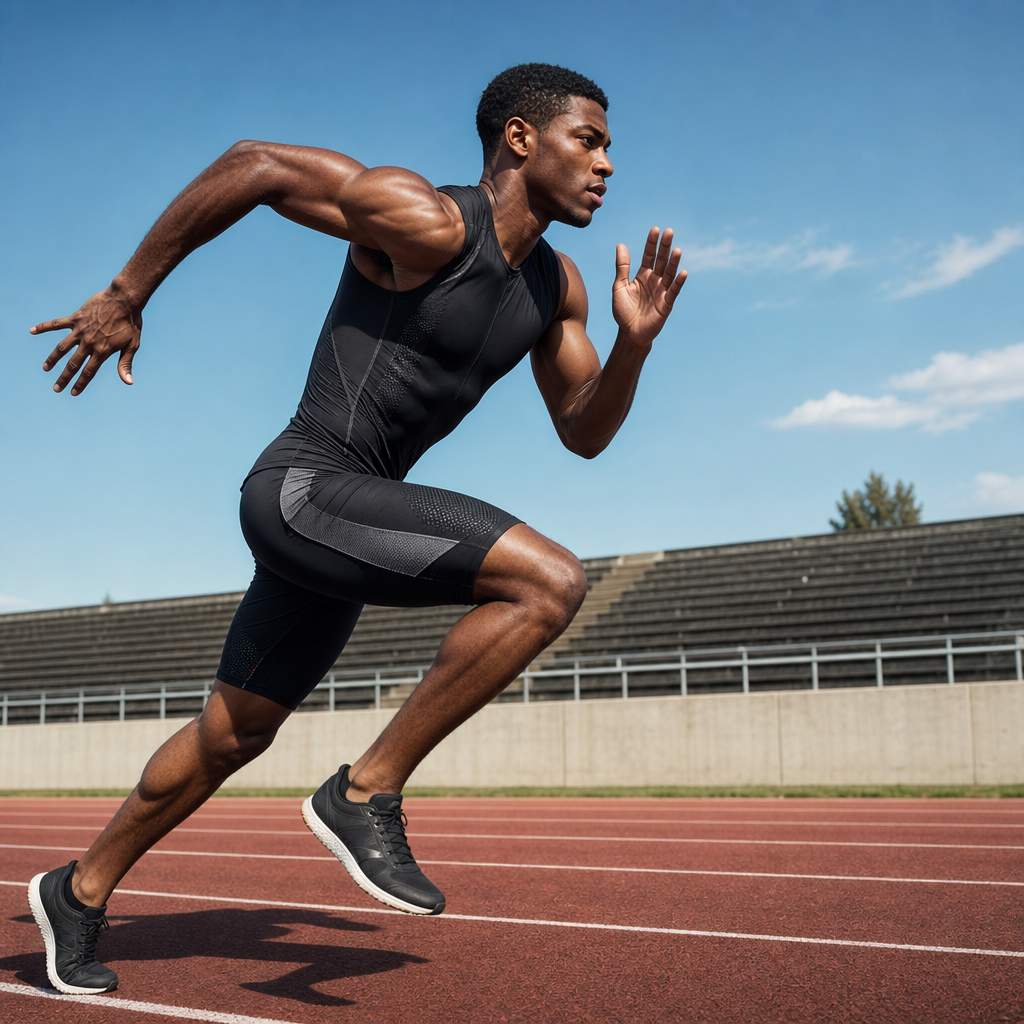
High-performance polymers have become essential materials in modern sports and leisure because they deliver low weight, high strength, fatigue resistance, impact control, moisture management, and design flexibility that conventional metals, natural fibers, and commodity plastics often cannot match. In the sports and leisure market, these polymers appear in running shoes, helmets, rackets, bicycles, swimwear, skis, braces, protective pads, smart wearables, and adaptive equipment for rehabilitation and recreation. When I have worked with product teams evaluating athletic materials, the central question has never been whether polymers matter, but which polymer system best balances stiffness, toughness, durability, skin comfort, manufacturability, sustainability, and cost for a specific use case. That balance is what separates a faster racing shoe from a durable training shoe, or a featherweight cycling helmet from one that survives repeated real-world use.
The term high-performance polymers refers to engineered plastics and elastomers designed to maintain mechanical, thermal, and chemical properties under demanding conditions. Important families include thermoplastic polyurethane, polyether ether ketone, polyamide variants, liquid crystal polymers, fluoropolymers, aramid fibers, ultra-high-molecular-weight polyethylene, silicones, and advanced foams based on expanded thermoplastic polyurethane or polyolefins. In sports products, these materials are often combined with carbon fiber, glass fiber, or textile reinforcements to form composites that are lighter and more tunable than traditional constructions. Their significance is practical: athletes need equipment that converts energy efficiently, protects the body, survives sweat and weather, and conforms to movement without failing.
This sports and leisure hub explains where advances in high-performance polymers are having the biggest effect and how material choices shape performance, safety, comfort, and lifecycle value. It also connects the main subtopics readers typically explore next, including footwear foams, composite sporting goods, helmets and protective systems, performance textiles, additive manufacturing, medical support gear, and sustainability. For brands, coaches, engineers, and serious athletes, understanding these materials is not a niche exercise. It is the basis for better product selection, smarter specification, and clearer decisions about what innovation genuinely improves athletic outcomes versus what is only marketing language.
Footwear polymers: energy return, stability, and long-distance durability
Footwear is the most visible example of polymer innovation in sports. The modern performance shoe relies on layered polymer systems: a resilient midsole foam, a stabilizing plate or shank, an abrasion-resistant outsole, an upper made from engineered textiles or films, and adhesives or welds that must withstand flexing, sweat, and heat. Expanded thermoplastic polyurethane helped establish the importance of rebound in midsoles, while newer polyether block amide and supercritical foamed thermoplastics pushed weight lower and energy return higher. In distance running, brands now tune foam cell structure, durometer, and plate geometry to manage compression set, toe-off efficiency, and lateral stability rather than chasing softness alone.
The practical tradeoff is simple. A softer, lighter foam can improve comfort and running economy, but if it bottoms out, packs down quickly, or becomes unstable in cornering, the athlete loses control and durability. Racing shoes built around highly resilient foams and carbon-fiber plates can improve efficiency, yet training models often use more robust EVA blends, TPU compounds, or dual-density constructions because recreational runners need predictable feel across hundreds of kilometers. Similar logic applies in court sports, where polyurethane and thermoplastic elastomer systems must absorb repeated jumps and hard landings while preserving grip and torsional support. Material advancement here is not one breakthrough; it is iterative optimization across rebound, fatigue life, traction, and fit retention.
Composite polymers in rackets, bikes, boards, and sticks
High-performance composites have transformed equipment where stiffness-to-weight ratio determines handling. Carbon fiber reinforced epoxy remains dominant in tennis rackets, racing bicycles, hockey sticks, paddles, golf shafts, and many winter sports components because it allows engineers to place stiffness exactly where it improves power transfer or directional control. Thermoplastic composites are gaining attention because they can improve impact resistance, processing speed, and recyclability. In product development reviews, I have repeatedly seen the biggest gains come from laminate design rather than raw fiber alone: changing fiber orientation, resin toughness, and local wall thickness can alter vibration damping, flex profile, and break behavior more than a headline material name suggests.
Consider a road bike frame. A polymer matrix binds the carbon fibers, protects them from environmental damage, and helps distribute loads through the structure. Resin chemistry affects interlaminar shear strength and crash response, while molded inserts and co-cured joints influence long-term fatigue performance. In tennis, frame layups can be tuned for power, spin, and comfort by changing hoop stiffness and throat flexibility. In skiing and snowboarding, polymer-based sidewalls, cores, and damping layers work together to control chatter at speed. These examples show why sports and leisure applications depend on systems engineering. The polymer is not just filler around reinforcement; it is a decisive contributor to feel, safety margin, and service life.
Protective equipment: managing impact instead of just resisting force
Helmets, guards, pads, and body protection rely on polymers because the goal is not absolute rigidity but controlled energy management. Expanded polystyrene is still common in single-impact helmets, but expanded polypropylene, vinyl nitrile foams, thermoplastic polyurethane structures, and rate-sensitive materials are broadening design possibilities. In cycling, snow sports, football, climbing, and equestrian products, advanced liners and shells are engineered to spread impact loads, reduce peak acceleration, and in some designs address rotational motion. Standards such as CPSC for bicycle helmets, ASTM protocols for multiple sports, NOCSAE requirements in American football, and CE marking in Europe shape what material systems reach market.
Recent advances include auxetic geometries, 3D-printed lattice liners, and segmented shell constructions that improve ventilation without sacrificing protective coverage. These designs matter because athletes do not wear gear consistently if it is heavy, hot, or restrictive. A well-designed polymer system can reduce mass while preserving crush behavior and repeatability in production. Mouthguards, shin guards, and protective gloves follow the same principle. Thermoplastic custom-fit materials improve comfort and compliance, while multilayer elastomer foams can be tuned for different impact speeds. The key lesson is that protective equipment performance depends on deformation behavior, not simply hardness. Materials must absorb, redirect, and recover in ways that suit the specific risk profile of each sport.
Performance apparel, wearable comfort, and moisture control
Sports apparel has moved far beyond basic polyester jerseys. Advanced polymer fibers now deliver stretch, compression, thermal regulation, UV resistance, and moisture transport in carefully engineered knit and woven constructions. Elastane gives garments dynamic recovery, while polyamide and polyester microfibers can be shaped to improve capillary wicking and rapid drying. Membranes based on expanded polytetrafluoroethylene or hydrophilic polyurethane support weather protection in outdoor sports without fully sacrificing breathability. In swimwear, racing suits have used low-drag polymer fabrics and water-repellent surface treatments to reduce turbulence, although governing bodies now limit construction features to preserve fairness.
Comfort is a performance variable, not an afterthought. In field testing, athletes quickly notice seam abrasion, heat buildup, cling from sweat saturation, and loss of compression after repeated laundering. That is why fiber selection, yarn geometry, and finishing chemistry matter. Silver-based antimicrobial treatments and phase-change materials have appeared in niche products, but durable moisture management and fit retention usually matter more than exotic claims. Wearable technology also depends on polymer science. Flexible substrates, encapsulants, conductive inks, and skin-safe silicones enable heart-rate straps, smart insoles, motion sensors, and rehabilitation sleeves. The best designs hide their sophistication by staying comfortable, washable, and stable against the skin during movement.
Additive manufacturing and customized athletic gear
Additive manufacturing is expanding what high-performance polymers can do in sports, especially where customization improves comfort or biomechanics. Powder bed fusion, material extrusion, and photopolymer processes are used to create helmet liners, cycling saddles, orthotics, prosthetic sockets, protective inserts, and footwear midsoles with complex lattice geometries that cannot be molded conventionally. The benefit is tunability. Engineers can vary cell size, wall thickness, and gradient stiffness across a part so one zone cushions impact while another supports alignment or energy transfer. This is particularly valuable in adaptive sports and rehabilitation, where anatomy and gait patterns differ significantly between users.
Customization does come with constraints. Printed parts must still meet repeatability, bonding, UV stability, and sweat resistance requirements. Photopolymers can be brittle, and some printed thermoplastics show anisotropic strength depending on build direction. For high-volume products, molding remains cheaper and faster. Still, additive methods are influential because they shorten prototyping cycles and make personalized fit more realistic. A brand can scan an athlete’s foot, pressure map the stride, and modify an insole or midsole geometry accordingly. In elite settings, that can improve comfort and reduce localized pressure. In consumer settings, it can improve accessibility by offering better fit for feet, limbs, and body shapes outside standard size ranges.
How leading polymer classes compare across sports and leisure uses
The table below summarizes how major high-performance polymer families are used across sports and leisure products, and why engineers choose one over another.
| Polymer family | Common sports uses | Key advantage | Main limitation |
|---|---|---|---|
| Thermoplastic polyurethane | Footwear midsoles, outsoles, protective skins, wearables | Elasticity, abrasion resistance, processing versatility | Weight can exceed some newer foams |
| Polyether block amide | Performance running midsoles, plates, lightweight components | High rebound with low density | Higher material cost |
| Polyamide and reinforced nylon | Ski bindings, eyewear, housings, textile fibers | Toughness and dimensional stability | Moisture uptake can affect properties |
| PEEK | Premium prosthetics, bearings, structural inserts | Exceptional strength, heat and chemical resistance | Expensive and specialized to process |
| UHMWPE | Protective gear, high-strength fibers, sliding surfaces | Impact resistance and very low friction | Difficult bonding in some assemblies |
| Silicone elastomers | Wearables, straps, seals, medical-support products | Skin compatibility and temperature stability | Lower structural strength than engineering thermoplastics |
| Epoxy and thermoplastic composite matrices | Bikes, rackets, sticks, boards, helmets | High stiffness-to-weight in reinforced structures | Repair and recycling remain challenging |
Sustainability, regulation, and what brands must prove next
Sustainability in sports polymers is moving from marketing claim to measurable requirement. Footwear and apparel brands are under pressure to reduce virgin fossil feedstocks, lower process emissions, and improve end-of-life recovery. Bio-based polyamides, recycled polyester, recycled TPU, solvent-free coatings, and thermoplastic composite systems are all part of the response, but not every greener-sounding option performs adequately in athletic use. A material that fails early is not sustainable in practice. Life cycle assessment, durability testing, and repairability therefore matter as much as recycled content. Regulators and retailers are also scrutinizing per- and polyfluoroalkyl substances, microplastic shedding, and chemical disclosure more closely than before.
For brands operating in sports and leisure, the next competitive advantage will come from evidence. That means publishing validated impact data, certification results, and comparative durability metrics instead of vague claims about revolutionary materials. It also means designing for disassembly where possible, reducing mixed-material complexity, and aligning product architecture with realistic recycling streams. Athletes benefit because clearer data supports better purchasing decisions. Companies benefit because trustworthy material choices build loyalty and reduce compliance risk. If you are building out a sports and leisure materials strategy, use this hub as the starting point, then go deeper into footwear foams, composites, protective gear, smart textiles, and sustainable polymer design to match each sport’s demands with the right material system.
Frequently Asked Questions
1. What are high-performance polymers, and why are they so important in athletic equipment?
High-performance polymers are advanced plastic-based materials engineered to deliver exceptional mechanical, thermal, and chemical properties under demanding conditions. In athletic equipment, they are valued because they combine low weight with high strength, durability, flexibility, and resistance to fatigue, moisture, and impact. That combination is difficult to achieve with traditional materials alone. Metals may offer strength, but they can add weight and limit comfort. Natural fibers can feel comfortable, but they usually cannot deliver the same consistency, toughness, or precision in performance. Commodity plastics are affordable, but they often fall short in long-term durability and high-stress applications.
For athletes, these polymers help create products that are lighter to wear, easier to move in, and better able to absorb or transfer forces in a controlled way. In running shoes, they are used in midsoles and plates to improve cushioning, energy return, and stability. In helmets and protective pads, they help manage impacts by deforming in carefully engineered ways to reduce transmitted force. In bicycles, rackets, skis, braces, and wearable devices, they allow manufacturers to fine-tune stiffness, flexibility, surface feel, and shape. This gives athletes a real functional advantage because equipment can be designed around the needs of speed, endurance, protection, biomechanics, and recovery.
Just as importantly, high-performance polymers support design freedom. They can be molded, layered, foamed, reinforced, or blended to create highly specialized components for different sports and body types. That means better fit, improved comfort, and more sport-specific performance. As sports science evolves, these materials continue to play a central role because they help connect athlete needs with precise engineering outcomes.
2. How do high-performance polymers improve comfort, performance, and injury protection for athletes?
High-performance polymers improve all three areas by controlling how athletic gear responds to movement, stress, heat, moisture, and impact. In terms of comfort, many of these materials are inherently lightweight, which reduces the physical burden on the athlete. They can also be designed to flex where the body bends, support where the body needs alignment, and manage moisture through breathable structures, hydrophobic surfaces, or advanced textile integration. In footwear and apparel systems, this can mean less friction, less overheating, and better long-duration wear.
From a performance perspective, polymers can be tailored to return energy, maintain structural integrity under repetitive loading, and preserve responsiveness over time. A well-designed polymer midsole in a running shoe, for example, can compress during foot strike and rebound efficiently during push-off. In rackets, clubs, or bicycle components, polymer-based composites can be engineered for specific stiffness-to-weight ratios, helping athletes generate force more efficiently while reducing unnecessary vibration. In swimwear and performance apparel, polymer fibers can reduce drag, improve compression, and support muscle movement without adding bulk.
For injury protection, the value of these materials is especially clear. High-performance polymers can absorb, distribute, and dissipate impact energy in helmets, pads, guards, and braces. Some remain soft and flexible during normal movement but become more resistant under sudden force, making them ideal for protective applications. Others are used in rehabilitation and adaptive sports equipment because they can deliver support without excessive rigidity or weight. This helps athletes maintain mobility while protecting joints, muscles, and vulnerable areas. When properly engineered, polymer-based equipment does not just cushion the body; it works with biomechanics to reduce stress concentrations, improve alignment, and lower the risk of overuse or impact-related injury.
3. Which sports products commonly use high-performance polymers today?
High-performance polymers are now found across nearly every major category of sports and leisure equipment. In running shoes, they are used in midsoles, outsoles, heel counters, upper reinforcements, and propulsion plates. These materials help balance softness, rebound, grip, and stability. In helmets for cycling, skiing, football, climbing, and other activities, polymer foams and shells are critical for impact management, durability, and weight reduction. Protective pads, shin guards, mouthguards, chest protectors, and wrist supports also rely on advanced polymers to deliver protection without sacrificing mobility.
In racquet sports, polymer composites and advanced resin systems are used in rackets to optimize stiffness, balance, and vibration damping. In cycling, high-performance polymers appear in saddles, shoe components, grips, protective inserts, hydration systems, and numerous structural or semi-structural parts. Ski boots, snowboards, skis, and bindings use specialized polymers for cold-weather toughness, precision response, and repeated load resistance. Swimwear and technical apparel often include engineered polymer fibers to improve stretch, compression, water resistance, shape retention, and comfort.
These materials are also central to sports medicine and recovery. Braces, orthotic devices, prosthetic sports components, and rehabilitation tools frequently use advanced polymers because they can be customized for fit, function, and body support. In smart wearables, polymers are essential for flexible housings, skin-contact components, sensor integration, straps, and protective enclosures. Adaptive equipment for athletes in rehabilitation or para-sport settings also benefits from polymer-based construction because it allows lightweight personalization and easier handling. The broad adoption of these materials reflects one key reality: modern athletic products increasingly depend on precise material engineering, and high-performance polymers are among the most versatile tools available.
4. Are high-performance polymers better than traditional materials like metal, rubber, or natural fibers?
In many athletic applications, high-performance polymers are not simply replacing traditional materials outright; they are outperforming them in specific ways that matter to athletes. Compared with metal, polymers often provide major weight savings while still delivering excellent strength, fatigue resistance, and corrosion resistance. This matters in sports where every gram affects speed, endurance, or agility. Metals can still be useful where extreme rigidity or structural load-bearing is required, but polymers and polymer composites often offer a more balanced mix of responsiveness, comfort, and manufacturability.
Compared with standard rubber, advanced polymers can deliver more controlled energy return, longer-lasting cushioning behavior, better environmental resistance, and more precise tuning of hardness and rebound. This is why they are widely used in premium footwear, protective gear, and grip systems. Natural fibers, meanwhile, may offer comfort and sustainability appeal, but they generally lack the consistency, moisture resistance, and mechanical predictability needed for elite-performance gear. High-performance polymers can also be engineered at a much finer level, allowing brands to create highly repeatable products that perform reliably across many use conditions.
That said, “better” depends on the application. In some cases, hybrid designs work best. A product may combine metal inserts, textile layers, elastomers, foams, and high-performance polymers to achieve the ideal result. For example, a bicycle helmet may use multiple polymer layers for impact control, while a shoe may blend advanced foam polymers with textile uppers and rubber traction elements. The real advantage of high-performance polymers is not that they eliminate all other materials, but that they allow engineers to optimize the full system. Their adaptability, light weight, and performance tuning make them especially valuable in sports products where comfort, protection, efficiency, and durability all need to exist at once.
5. What trends are shaping the future of high-performance polymers in sports and rehabilitation?
The future of high-performance polymers in sports is being shaped by smarter material design, better personalization, and stronger sustainability goals. One major trend is the development of polymers with highly targeted performance profiles, such as foams that deliver more energy return with less weight, impact materials that respond differently under low and high strain rates, and flexible structures that can be tuned for specific movement patterns. This means future products will likely become even more specialized for sport type, skill level, body mechanics, and training intensity.
Another important trend is integration with digital technologies. As smart wearables, embedded sensors, and connected rehabilitation devices become more common, polymers will play a larger role as both structural and functional materials. Flexible polymer housings, sensor-compatible films, conductive polymer systems, and skin-friendly elastomers are helping create gear that can track movement, pressure, fatigue, recovery progress, and environmental conditions. This has major implications not just for elite sport, but also for injury prevention, return-to-play protocols, and long-term athletic health monitoring.
Sustainability is also becoming a defining issue. Manufacturers are investing in recyclable polymer systems, bio-based feedstocks, reduced-waste processing, and longer-lasting product designs. While performance remains the top priority in many athletic applications, there is growing pressure to reduce environmental impact without sacrificing function. In rehabilitation and adaptive sports, the future is especially promising because advanced polymers support customized braces, supports, prosthetics, and assistive equipment that are lighter, more comfortable, and easier to tailor to individual users. Overall, the direction is clear: high-performance polymers are moving beyond being just strong and lightweight materials. They are becoming enabling platforms for smarter, safer, more personalized, and more sustainable athletic products.