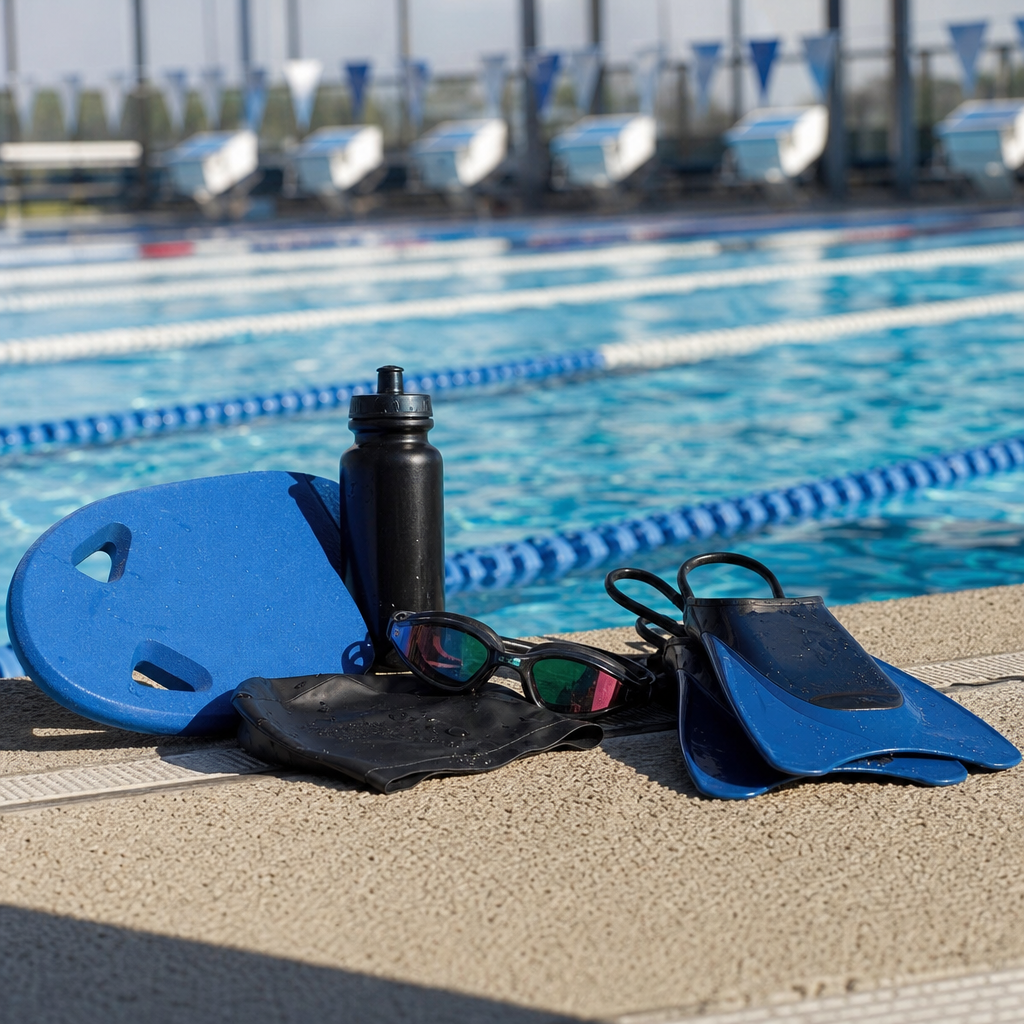
Polymers shape nearly every piece of modern swimming and diving gear, from the silicone seal on a goggle to the carbon reinforced resin in a competition monofin. In sports and leisure equipment, a polymer is a large molecule made of repeating units, engineered to deliver properties such as flexibility, buoyancy, abrasion resistance, chemical stability, transparency, or impact strength. When I have evaluated aquatic gear materials for durability and comfort, the same pattern appears repeatedly: performance differences that users feel in the water usually begin with polymer selection, additive packages, and processing quality. Understanding the impact of polymers on swimming and diving gear matters because these materials influence speed, safety, hygiene, fit, thermal protection, and product lifespan.
Swimming and diving place unusual demands on materials. Gear must tolerate constant immersion, pool disinfectants, ultraviolet exposure, salt, body oils, repeated flexing, and tight contact with skin. Elite swimmers want low drag and compression without sacrificing mobility. Recreational swimmers want comfort, leak resistance, and easy care. Divers need thermal insulation, pressure tolerance, grip, and dependable sealing systems. Across these use cases, polymers outperform many traditional materials because they can be tuned at the molecular level and manufactured into films, foams, fibers, rigid shells, elastomers, and coatings. That tunability is why sports and leisure brands rely on polymer science to differentiate products and why this topic serves as the hub for understanding aquatic applications.
This article maps the major polymer families used in swimming and diving gear, explains how they affect product design, and highlights tradeoffs that buyers and manufacturers should understand. It also connects core categories within sports and leisure, including swimwear, goggles, fins, snorkels, masks, wetsuits, buoyancy aids, and accessories. By the end, you will have a practical framework for evaluating materials, whether you are selecting gear for lap training, teaching beginner swimmers, or sourcing components for technical diving equipment.
Polymer foundations in aquatic sports equipment
The most important polymers in swimming and diving gear fall into a few functional groups. Elastomers such as silicone, natural rubber, chloroprene rubber, and thermoplastic elastomers provide stretch, sealing, and comfort. Engineering plastics such as polycarbonate, nylon, ABS, polypropylene, and acetal deliver rigid structure, toughness, and dimensional stability. Foamed polymers such as EVA and polyethylene create buoyancy and cushioning. Fibers and textile polymers including polyester, nylon, elastane, and polyurethane films give garments compression, recovery, and hydrodynamic surface behavior. Thermoset and composite resins, often epoxy based, bind carbon fiber or glass fiber in high performance fins and specialty parts.
Each polymer family solves a specific problem. Silicone is common in goggle skirts and swim caps because it stays flexible over a wide temperature range, resists water uptake, and remains comfortable against skin. Polycarbonate dominates premium lenses because it combines optical clarity with impact resistance. Neoprene, properly called chloroprene rubber foam, is the standard wetsuit material because gas-filled cells trap heat while preserving flexibility. Polyester has largely displaced nylon in many training swimsuits because it resists chlorine degradation better, especially when blended with PBT, a resilient polyester variant used in performance swim textiles.
Processing matters as much as chemistry. Injection molding influences lens precision and buckle reliability. Extrusion affects tube consistency in snorkels. Lamination controls how fabric facings adhere to neoprene foam. Compression molding can determine fin blade behavior under load. In practice, I have seen two products use nominally similar materials yet perform very differently because one manufacturer controlled cure, thickness tolerances, and additive dispersion more carefully. Material choice sets the potential, but manufacturing quality determines whether that potential reaches the user.
How polymers improve swimwear, caps, and racing apparel
Competitive and recreational swimwear depends on polymer fibers to balance drag reduction, durability, and fit. Historically, nylon and elastane blends offered excellent stretch and body contouring, but prolonged chlorine exposure caused loss of elasticity and fabric thinning. Today, many durable training suits use polyester or polyester PBT blends because they hold shape longer in chlorinated pools. Elastane is still used where high stretch is essential, but manufacturers often limit its percentage to control degradation. For users who swim several times per week, this shift directly translates into more usable hours before bagging, fading, or seam failure appears.
Racing apparel pushes polymer engineering further. High end race suits use woven or knit textiles with water repellent finishes, bonded seams, targeted compression zones, and low profile polyurethane films. These materials reduce surface friction and manage muscle oscillation, though governing bodies such as World Aquatics regulate thickness, coverage, and buoyancy effects to preserve fair competition. The lesson is straightforward: the best polymer for training is not always the best polymer for racing. A durable chlorine resistant suit may feel less compressive or hydrophobic than a competition model, while a race suit may deliver gains over short periods but wear out faster.
Swim caps illustrate another clear material tradeoff. Latex caps are light, inexpensive, and form fitting, but they tear more easily and can trigger latex sensitivity. Silicone caps are thicker, more durable, and easier on hair, making them the default for frequent swimmers. Lycra caps, usually made from polyester and elastane blends, prioritize comfort over water sealing and hydrodynamics, so they are better for casual use or lessons than racing. Here, polymer selection determines not only performance but also accessibility, maintenance, and user comfort.
Goggles, masks, and optical performance in water
In goggles and diving masks, polymers control visibility, leak prevention, and long term reliability. Lenses are typically made from polycarbonate because it resists impact far better than acrylic while maintaining good transparency. Anti fog performance usually comes from a thin hydrophilic coating or surface treatment that spreads condensation into a transparent film rather than discrete droplets. That coating is useful but delicate. Rubbing the inside of the lens or exposing it to abrasive cleaners shortens its life, which is why proper care is as important as lens material itself.
Frames may use polycarbonate, nylon, or thermoplastic elastomers depending on desired rigidity and weight. The soft gasket or skirt is commonly silicone because it conforms to facial contours and resists degradation in saltwater and chlorinated water. Lower cost goggles sometimes use PVC, but silicone generally performs better in comfort, odor, and aging resistance. Diving masks require a broader seal and often a stronger frame because they must handle pressure changes and larger tempered glass or polymer lens assemblies. Skirt softness and rebound are critical; a skirt that is too stiff leaks, while one that is too soft may collapse or distort under strap tension.
| Gear component | Common polymer | Primary benefit | Key limitation |
|---|---|---|---|
| Goggle gasket | Silicone | Soft seal, skin comfort, chemical resistance | Higher cost than PVC |
| Lens | Polycarbonate | Optical clarity and impact resistance | Scratch susceptibility without coatings |
| Training swimsuit | Polyester/PBT blend | Chlorine durability and shape retention | Less stretch than high elastane fabrics |
| Wetsuit foam | Chloroprene rubber | Thermal insulation and flexibility | Compression and environmental concerns |
| Fin blade composite | Epoxy with carbon fiber | Efficient energy transfer | Higher price and brittle failure risk |
Optical tinting also relies on polymer processing. Smoke and mirrored coatings reduce glare in outdoor pools and open water. Amber and rose tints can improve contrast in low light or indoor conditions. Prescription inserts, increasingly common in lap swimming and snorkeling, use molded polymer lenses shaped to correct vision without adding excessive weight. For a category that looks simple from the outside, goggles and masks demonstrate how polymers combine optics, ergonomics, and chemical resistance in a compact system.
Fins, snorkels, regulators, and structural components
Fins convert leg motion into thrust, and their behavior depends heavily on polymer stiffness and geometry. Recreational fins commonly use thermoplastics such as polypropylene or blends of rubbery and rigid polymers to create a foot pocket with a more responsive blade. Short training fins are usually softer to support cadence drills, while freediving and technical diving fins may use fiberglass or carbon fiber composites in epoxy matrices for superior energy return. In use, the difference is noticeable: softer polymer fins are forgiving and easier on ankles, while stiffer composite fins reward technique and strength with more efficient propulsion.
Snorkels, buckles, strap adjusters, and many regulator housings rely on polymers that retain shape under load and resist cracking. Polypropylene and polyethylene are common in tubes and simple structural parts because they are light and chemically stable. Acetal is valued in buckles and quick release components for low friction, dimensional accuracy, and fatigue resistance. Thermoplastic mouthpieces must balance softness with tear resistance, since repeated biting can quickly damage poor formulations. In rental fleets, this is often the first failure point, which is why better compounds and replaceable designs matter in high use environments.
For scuba gear, polymers work alongside metals rather than replacing them entirely. Second stage regulators may use engineered thermoplastics in housings to reduce weight and corrosion risk, while critical internal components still depend on metal for strength and precision. Hoses use layered polymer construction with reinforcement to manage pressure and flexibility. The best designs recognize the limits of each material. Polymers excel in corrosion resistance and shape complexity, but load bearing and pressure critical parts require conservative engineering and compliance with recognized standards such as EN 250 for regulator performance.
Wetsuits, drysuits, buoyancy, and thermal protection
Thermal protection is where polymers have transformed comfort and safety most visibly. Wetsuits use foamed chloroprene rubber filled with nitrogen or other gases to reduce heat loss. Thicker foam increases insulation but reduces flexibility, so designers vary thickness by panel. A triathlon suit might use thinner shoulder panels for stroke mobility and thicker torso panels for buoyancy and warmth. Textile laminates on both sides protect the foam, while seam technologies such as glued and blind stitched construction, liquid seam sealing, or internal tapes control water ingress and durability.
Drysuits extend the polymer story further. Membrane drysuits often use multilayer laminates of nylon or polyester fabrics bonded to waterproof and breathable or waterproof barrier films. Neoprene drysuits use compressed foam structures for a closer fit and some inherent insulation. Seals at the neck and wrists are typically latex or silicone. Latex offers a tight, proven seal but degrades with ozone, UV exposure, and skin oils faster than silicone. Silicone seals are comfortable and easy to replace in modular systems, though they can tear if mishandled. For divers, these are not minor differences; they affect warmth, leak risk, field maintenance, and total ownership cost.
Buoyancy aids, kickboards, pull buoys, and learn to swim devices rely on closed cell foams such as EVA or polyethylene. These materials trap gas, resist water absorption, and cushion impacts. Instructors favor EVA boards because they are light, durable, and easy to sanitize. Manufacturers must still account for compression set, UV aging, and seam integrity where foam bonds to fabrics or shells. In products intended for safety, buoyancy performance must remain consistent over time, not just when new.
Sustainability, safety, and what buyers should evaluate
Polymers bring enormous benefits to swimming and diving gear, but they also raise environmental and end of life questions. Neoprene production is energy intensive, multilayer composites are difficult to recycle, and microfiber shedding from synthetic textiles contributes to aquatic pollution. Brands are responding with recycled polyester linings, limestone based chloroprene alternatives, solvent free lamination, dope dyed fabrics, and repair programs. These improvements help, but claims should be examined carefully. Recycled content in a lining does not make an entire wetsuit circular, and bio based feedstocks do not automatically reduce total environmental impact if durability suffers.
Safety evaluation should be equally practical. Look for clear labeling of UV resistance, chlorine resistance, lens impact performance, and applicable certification where required. In my experience, buyers get better results when they assess polymer gear by use pattern rather than marketing tier. A daily pool swimmer should prioritize chlorine resistant fabrics and durable silicone seals. An occasional beach snorkeler may care more about comfort and storage stability. A technical diver should focus on seal reliability, hose integrity, and proven serviceability. Matching polymer properties to real conditions is the fastest way to avoid disappointment.
The central lesson across sports and leisure applications is simple: polymers are not generic plastics; they are engineered materials that define how aquatic gear performs. The right polymer improves fit, speed, warmth, visibility, and longevity. The wrong one fails early, feels uncomfortable, or creates avoidable safety risks. If you are building a deeper understanding of applications, use this hub as your starting point, then compare individual product categories through the lens of material choice, manufacturing quality, and intended environment. Better decisions in the water almost always begin with better material literacy.
Frequently Asked Questions
1. Why are polymers so important in modern swimming and diving gear?
Polymers are important because they provide the exact combination of properties that aquatic equipment needs to perform well in water while remaining comfortable, durable, and practical to manufacture. In swimming and diving gear, materials must often be lightweight, flexible, resistant to water absorption, stable in chlorinated or salt water, and capable of maintaining their shape under repeated stress. Polymers can be engineered to meet those demands much more precisely than many traditional materials.
That is why polymers appear in nearly every category of gear. Silicone and thermoplastic elastomers help goggles seal comfortably against the face. Polycarbonate gives goggle lenses their transparency and impact resistance. EVA and other foamed polymers contribute buoyancy and cushioning in training aids. Neoprene, which is a synthetic rubber, provides thermal insulation and flexibility in wetsuits and diving accessories. In higher-performance products, polymer resins reinforced with carbon or fiberglass create stiff, responsive fins and monofins that transfer energy efficiently through the water.
From a practical standpoint, polymers also allow manufacturers to tailor performance. A soft strap, a rigid frame, a flexible mouthpiece, and a clear shatter-resistant lens can all be made from different polymer systems within the same product. That design freedom is one of the biggest reasons polymers dominate swimming and diving equipment. They do not just replace older materials; they enable products to be safer, more comfortable, and more specialized for competition, training, or recreational use.
2. Which polymer materials are most commonly used in swimming and diving equipment?
Several polymer families show up again and again because each one solves a specific performance problem. Silicone is one of the most common, especially in goggle skirts, straps, earplugs, and mask seals. It is valued for softness, skin comfort, flexibility across a wide temperature range, and strong resistance to water and UV exposure. Swimmers and divers often notice that silicone seals remain comfortable over long sessions and tend to last better than cheaper rubber-like alternatives.
Polycarbonate is widely used for lenses because it combines optical clarity with high impact resistance. That makes it a strong choice for goggles, swim masks, and diving masks where visibility and safety matter. Polyurethane and thermoplastic elastomers are often used in straps, coatings, and flexible components because they can offer abrasion resistance, elasticity, and a controlled balance between softness and toughness. EVA foam is common in kickboards, pull buoys, and flotation aids because it is lightweight, buoyant, and easy to shape.
Neoprene remains a foundational polymer material in wetsuits, gloves, boots, and thermal accessories. Its closed-cell structure traps tiny gas bubbles, helping reduce heat loss in cold water. For high-performance fins and monofins, manufacturers may use thermoset or thermoplastic resins reinforced with carbon fiber or glass fiber. In those applications, the polymer acts as the matrix that holds reinforcing fibers in place, creating a structure that is both strong and carefully tuned for stiffness and flex. In short, the most common polymers are chosen not because one material does everything, but because each material contributes a specific mechanical, thermal, or comfort advantage.
3. How do polymers improve comfort, fit, and performance for swimmers and divers?
Polymers improve comfort and fit by allowing gear to conform to the body without causing excessive pressure, rubbing, or leakage. A good example is the soft polymer seal on swim goggles or diving masks. When engineered correctly, that seal can adapt to facial contours, distribute pressure more evenly, and reduce water intrusion. The result is equipment that feels secure without needing to be painfully tight. The same principle applies to snorkel mouthpieces, nose bridges, swim caps, and fin foot pockets, all of which benefit from carefully chosen polymer flexibility and surface feel.
Performance also improves because polymers can be tuned for energy transfer and hydrodynamics. In fins, the flex pattern of the blade affects propulsion, fatigue, and control. A softer polymer may be more forgiving for recreational swimmers, while a stiffer reinforced polymer composite may deliver stronger snap and efficiency for trained athletes. In racing swimwear and streamlined accessories, polymer coatings and films can reduce drag, repel water, and help maintain shape during competition. Even small material choices can have a meaningful effect on movement through the water.
Another major advantage is consistency. Well-designed polymer components tend to provide repeatable behavior over time, which matters for athletes who rely on familiar response from their equipment. A mask skirt that remains supple, a fin blade that flexes predictably, or a wetsuit panel that stretches without sagging all support better technique and confidence. In real-world use, the best polymer-based gear feels almost invisible: it fits well, moves naturally, and lets the swimmer or diver focus on performance rather than equipment problems.
4. Are polymer-based swimming and diving products durable enough for chlorine, salt water, and repeated use?
In general, yes, but durability depends heavily on the specific polymer, the quality of formulation, and how the gear is maintained. One of the biggest reasons polymers are used in aquatic equipment is their strong resistance to moisture and their ability to withstand harsh environments better than many natural materials. However, “water-resistant” does not mean “indestructible.” Chlorine, salt, sunlight, heat, body oils, and repeated flexing all place stress on polymer components over time.
For example, silicone usually performs very well in wet environments and tends to resist degradation better than some lower-cost elastomers. Polycarbonate lenses are tough, but they can still scratch or suffer from coating wear if handled roughly. Neoprene is durable, yet repeated compression, UV exposure, and poor drying habits can reduce its insulating performance and elasticity. Reinforced polymer composites used in fins are generally strong, but impact damage, stress cracking, or delamination can occur if the equipment is stored improperly or used beyond its intended conditions.
To maximize lifespan, users should rinse gear with fresh water after exposure to chlorine or salt water, allow it to dry away from direct sunlight, and avoid folding or crushing parts that are meant to hold a specific shape. It also helps to store equipment in a cool, ventilated area and to follow manufacturer guidance for cleaning and transport. When people evaluate durability, they often focus only on whether the item breaks. A better standard is whether the polymer continues to retain its seal, flexibility, clarity, buoyancy, and mechanical response. High-quality polymer gear usually performs very well when those maintenance basics are followed.
5. What should buyers look for when choosing polymer-based swimming or diving gear?
Buyers should start by matching the material to the intended activity rather than assuming the most expensive option is automatically the best. For casual lap swimming, comfort, leak resistance, and easy maintenance may matter more than advanced composite construction. In that case, silicone seals, polycarbonate lenses, and durable elastomer straps are often smart features to prioritize. For diving or cold-water use, thermal performance, pressure stability, and ruggedness become more important, which makes neoprene quality, mask seal design, and material thickness more relevant.
It is also wise to examine how the product uses polymers in different components. A high-quality item often combines multiple materials strategically: a soft-touch polymer where skin contact matters, a tougher polymer where abrasion resistance is needed, and a rigid structural polymer or composite where strength and shape retention are critical. Look for details such as anti-fog and scratch-resistant lens coatings, UV resistance, reinforced stress points, and a reputation for maintaining flexibility after repeated use. These details often indicate careful material engineering rather than cost-cutting construction.
Finally, fit and long-term reliability should guide the purchase as much as material labels. Even the best polymer will underperform if the mask leaks, the fin causes pressure points, or the wetsuit restricts movement. Whenever possible, buyers should consider brand transparency about materials, intended use conditions, and care instructions. Reviews can help, but the most useful sign of quality is whether the product’s polymer choices clearly support function: soft where comfort is needed, stiff where power transfer matters, and chemically stable where water exposure is constant. That is usually the hallmark of well-designed swimming and diving gear.