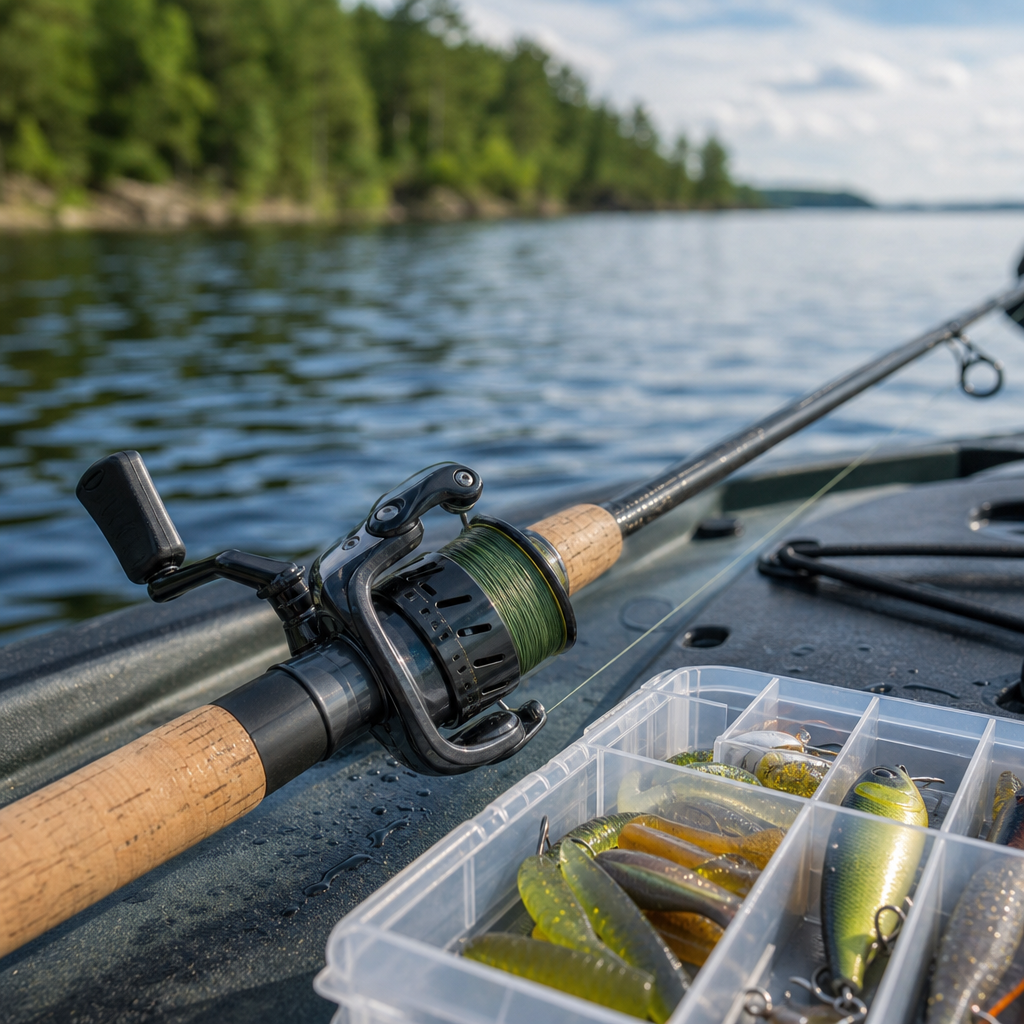
Polymers are reshaping recreational fishing equipment by making rods lighter, lines stronger, lures more lifelike, and clothing more durable in harsh water and weather conditions. In recreational fishing, equipment performance affects casting distance, lure action, hook-setting power, comfort, safety, and how long gear lasts before it needs replacement. Polymers, a broad class of materials made from long molecular chains, include common plastics such as polyethylene, polypropylene, nylon, polycarbonate, fluoropolymers, and high-performance composites built with resin matrices and reinforcing fibers. In fishing, these materials appear everywhere: in rod blanks, reel housings, monofilament and braided lines, soft baits, tackle trays, waders, boots, sunglasses, coolers, kayak hulls, and electronic housings.
I have worked with anglers, tackle buyers, and materials suppliers long enough to see the shift firsthand. Twenty years ago, many casual anglers still thought of “plastic” as cheap and disposable. Today, the highest-performing gear in freshwater and saltwater fishing often depends on carefully engineered polymer systems. A graphite rod still needs epoxy resin. A braided line often combines ultra-high-molecular-weight polyethylene fibers with specialized coatings. A premium spinning reel may pair an aluminum drive gear with a carbon-reinforced polymer rotor to reduce startup inertia. Even old standards such as cork handles and painted metal lure bodies now compete with EVA foam grips, thermoplastic elastomer overmolds, and injection-molded swimbaits tuned for precise movement.
This matters because recreational fishing sits at the intersection of performance, cost, and environmental exposure. Anglers want gear that survives UV light, salt spray, abrasion, repeated flexing, and seasonal temperature swings. They also want equipment that travels easily, reduces fatigue, and works for beginners without sacrificing control for experts. Polymers solve many of these problems by delivering low weight, corrosion resistance, moldability, impact strength, and repeatable manufacturing. They also enable specialized products for bass fishing, fly fishing, surf casting, kayak angling, ice fishing, and family shore fishing. As the sports and leisure segment grows more technical, understanding how polymers enhance fishing equipment helps buyers choose better gear and helps brands design products that deliver measurable advantages on the water.
Why Polymers Matter in Modern Fishing Tackle
Polymers matter because they let manufacturers tune properties that anglers actually feel. Density affects how heavy a rod or reel feels after six hours of casting. Modulus affects stiffness and sensitivity. Elongation determines whether a fishing line stretches during a hook set. Impact resistance helps tackle boxes and reel side plates survive drops onto docks or rocks. Chemical resistance protects equipment from sunscreen, insect repellent, fish attractants, and fuel residue in boats. In saltwater applications, corrosion resistance is especially valuable because many polymers do not oxidize the way untreated metals do.
In practical terms, polymers improve both entry-level and premium equipment. For beginners, injection-molded components reduce cost and keep gear easy to maintain. For advanced anglers, composite materials improve efficiency. A lighter rod recovers faster after a cast, which can improve accuracy. A reel rotor made from carbon-filled polymer can reduce rotating mass, helping the handle start more smoothly. Soft-plastic lures made from carefully formulated plastisols can suspend, sink, or float at rates tuned for target species and water temperature. These are not abstract laboratory benefits. They change how gear performs in bass ponds, mountain streams, tidal flats, and offshore waters.
Manufacturing methods also explain the rise of polymers. Injection molding, extrusion, blow molding, thermoforming, and resin infusion allow tight tolerances at scale. Brands can build ergonomic handles, watertight seals, translucent lure bodies, and modular storage systems repeatedly and economically. That consistency matters in a hub category like sports and leisure, where consumers range from occasional vacation anglers to tournament competitors. Good polymer design bridges that gap by combining reliability with accessible pricing.
Fishing Rods and Reels: Lighter Structures, Better Control
Modern fishing rods are one of the clearest examples of polymer-driven performance. The visible carbon fiber in a rod blank gets most of the attention, but the resin system is equally important. Epoxy matrices bind the fibers, transfer load, resist cracking, and influence toughness. In lower-cost rods, fiberglass reinforced with polymer resin remains popular because it is durable and forgiving, especially for crankbait rods, children’s combos, and saltwater applications where shock absorption matters. Composite rods blend carbon and glass to balance sensitivity with strength.
Handle materials have changed as well. EVA foam, a polymeric material used across sports equipment, resists water absorption better than many natural materials and holds up well to repeated compression. Rubberized thermoplastic elastomers add grip in rain or slime. Nylon winding checks, polymer reel seats, and epoxy thread coatings reduce maintenance while preserving structural integrity. On travel rods, ferrule design often relies on polymer tolerances that keep multi-piece joints precise without excessive weight.
Reels show even broader polymer integration. Graphite-framed spinning reels use polymer housings to reduce weight and resist corrosion, making them popular for freshwater and inshore anglers. More expensive reels may incorporate carbon-reinforced composites in rotors and side plates, where stiffness-to-weight ratio matters. Polycarbonate and nylon blends are common in drag knobs, line rollers, handles, and spools paired with metal wear surfaces. The best designs do not replace metal everywhere; they use polymers where low mass and corrosion resistance help, while keeping brass, stainless steel, or aluminum in gears and shafts that handle concentrated loads.
A useful way to compare common polymer applications in rods and reels is shown below.
| Equipment Part | Common Polymer or Composite | Main Benefit | Typical Fishing Use |
|---|---|---|---|
| Rod blank resin system | Epoxy with carbon fiber or fiberglass | Strength, sensitivity, controlled flex | Bass, surf, fly, offshore |
| Rod grip | EVA foam, thermoplastic elastomer | Comfort, water resistance, secure grip | All-day casting, kayak fishing |
| Reel frame or rotor | Graphite composite, carbon-reinforced polymer | Lower weight, corrosion resistance | Spinning and baitcasting reels |
| Line | Nylon, fluoropolymer, UHMWPE braid | Strength, abrasion control, tailored stretch | Freshwater and saltwater techniques |
| Soft lure body | PVC plastisol, TPE formulations | Lifelike action, scent retention, moldability | Worms, swimbaits, creature baits |
From experience, the biggest buying mistake anglers make is assuming lighter always means better. A very light polymer-heavy reel can feel excellent in the shop but flex under load if the frame lacks rigidity. For larger fish, heavy braid, and deep cranking, stiffness under torque matters. The best recreational fishing equipment uses polymers strategically rather than marketing them as automatic upgrades.
Fishing Lines, Leaders, and Lures: Precision Through Material Science
Fishing line technology is fundamentally a polymer story. Monofilament is usually nylon, valued for moderate stretch, manageable handling, knot strength, and low cost. It remains excellent for topwater lures, live bait rigs, and many spinning setups because its elasticity cushions sudden shock. Fluorocarbon, typically based on polyvinylidene fluoride, offers lower visibility underwater due to a refractive index closer to water than nylon, along with good abrasion resistance and lower stretch. That makes it useful for leaders, bottom-contact techniques, and clear-water applications.
Braided line changed the market by using ultra-high-molecular-weight polyethylene fibers, sold under well-known fiber platforms such as Dyneema and Spectra. These fibers deliver high tensile strength with very low diameter and minimal stretch. Anglers feel bites more quickly, cut vegetation more effectively, and cast farther with equivalent breaking strength. The tradeoff is visibility, lower abrasion resistance around sharp rock or shell compared with some fluorocarbon leaders, and the need for better knot selection. In practice, many experienced anglers pair braid main line with a fluorocarbon or nylon leader to combine sensitivity with stealth and shock management.
Lures show polymer versatility even more dramatically. Hard baits often use ABS or polycarbonate bodies because they can be molded precisely, painted consistently, and designed with internal chambers for rattles or moving weight-transfer systems. A jerkbait that casts well into wind often relies on molded cavities that let tungsten or steel balls shift during the cast and settle during retrieve. Soft plastics use plastisol or newer thermoplastic elastomers to create worms, craws, tubes, and swimbaits with specific durometers. Softer formulas improve action; firmer blends hold hooks better and survive more fish.
Scented and biodegradable lure segments are expanding too. Some brands incorporate salt, attractants, floating microspheres, or segmented tails into polymer matrices to change sink rate and movement. In trout and panfish categories, floating dough baits and scented soft eggs also rely on polymer chemistry for consistency and shelf life. These innovations give anglers more control over presentation, which is why lure performance has become inseparable from materials engineering.
Apparel, Footwear, Storage, and Electronics on the Water
Recreational fishing is not only about tackle. It is also about comfort, mobility, and protection during long hours outdoors. Polymers dominate this side of the sport. Waterproof-breathable jackets and bibs use synthetic face fabrics, often polyester or nylon, with polymer membranes or coatings that block liquid water while allowing vapor transport. Waders commonly use multilayer laminates and neoprene, a synthetic rubber valued for insulation and flexibility. These materials reduce fatigue compared with older rubber designs and improve safety in cold conditions.
Boots, deck shoes, gloves, and life vests also rely on polymers. EVA midsoles reduce weight and cushion impact on boats and rocky banks. Thermoplastic polyurethane outsoles can improve abrasion resistance and wet traction. Closed-cell foams in personal flotation devices resist water absorption and maintain buoyancy. Polarized fishing sunglasses use polymer lenses such as polycarbonate, which offers high impact resistance and low weight, a major benefit when anglers wear them for entire days under bright glare.
Storage is another category where polymer design directly improves the fishing experience. Polypropylene tackle trays resist moisture, hinge repeatedly without immediate failure, and can be molded with adjustable dividers for terminal tackle, hard baits, or flies. High-density polyethylene coolers and kayak hulls withstand impact and UV exposure better when stabilized properly. Seals made from elastomers keep electronics dry. Fish finders, GPS units, action cameras, and battery cases all depend on polymer housings and gaskets to survive vibration, splashes, and temperature shifts.
Kayak fishing illustrates the full system effect. Rotomolded polyethylene kayaks made the sport far more accessible because they are durable, relatively affordable, and forgiving around stumps, oyster beds, and shallow launches. Add polymer track systems, crate organizers, rod holders, paddle grips, dry bags, and insulated storage, and the entire platform becomes a materials-driven leisure ecosystem. That is why sports and leisure coverage of fishing equipment must look beyond rods and reels alone.
Durability, Sustainability, and Smarter Buying Decisions
Polymers bring clear benefits, but they also raise questions about wear, waste, and environmental impact. UV degradation, creep under sustained load, and temperature sensitivity can shorten service life if materials are poorly selected. A bargain tackle box may crack at the latch after one winter in a garage. A low-quality soft bait can leach plasticizer or deform in heat. Cheap reel bodies may flex around gear seats under pressure. This is why resin choice, additive package, wall thickness, and reinforcement matter more than generic claims about “advanced composites.”
Sustainability is a growing issue in fishing, particularly around discarded line, soft-plastic bait waste, and packaging. Nylon monofilament persists in the environment and can entangle wildlife. Many marinas now provide line recycling stations, and responsible anglers should use them. Some tackle companies are experimenting with recyclable packaging, phthalate-free soft bait formulas, bio-based polymers, and take-back programs. None of these solutions is perfect yet, but the direction is important. Better durability is itself a sustainability gain because gear that lasts longer is replaced less often.
For buyers, the smartest approach is to match polymer-enhanced equipment to actual use. For occasional family fishing, nylon line, a composite rod, EVA grips, and polypropylene storage may be the most cost-effective choice. For finesse bass fishing, braided polyethylene main line with fluorocarbon leader, high-modulus carbon composite rods, and soft elastomer baits may provide clear advantages. In surf and inshore saltwater, corrosion-resistant reel materials, sealed polymer gaskets, and impact-resistant lure bodies matter more than chasing the lightest setup.
Polymers are enhancing recreational fishing equipment because they improve performance across the entire sports and leisure experience, not just one component at a time. They make rods easier to cast, reels easier to carry, lines more specialized, lures more effective, apparel more protective, and storage more dependable. The key lesson is not that every polymer product is superior, but that well-engineered materials create measurable benefits when matched to real fishing conditions. Anglers who understand nylon versus fluorocarbon, reinforced composites versus basic graphite frames, and elastomer grips versus traditional materials make better purchasing decisions and often enjoy the water more as a result.
As this hub for sports and leisure applications shows, fishing is now deeply connected to materials science. If you are evaluating new gear, look past marketing labels and check the actual polymer type, construction method, and intended use. That simple habit will help you buy equipment that lasts longer, performs better, and fits the way you fish.
Frequently Asked Questions
1. How are polymers improving modern fishing rods?
Polymers are playing a major role in making modern fishing rods lighter, stronger, and more responsive. In recreational fishing, rod performance directly affects casting distance, lure control, sensitivity, and hook-setting power, so material choice matters a great deal. Many rods now use advanced polymer-based composites, often combined with fiberglass or carbon fiber, to create blanks that balance flexibility and stiffness more effectively than older materials. This means anglers can cast for longer periods with less fatigue while still maintaining the backbone needed to fight fish confidently.
Another important benefit is durability. Polymer-enhanced rod components are often better at resisting moisture, UV exposure, and repeated flexing over time. That is especially useful in freshwater and saltwater environments where equipment is constantly exposed to harsh conditions. Even rod handles, reel seats, and protective coatings frequently rely on polymers to improve grip, comfort, and resistance to wear. The result is a rod that not only performs better on the water but also holds up longer with regular use, giving anglers more value and more consistent performance season after season.
2. Why are polymer fishing lines considered stronger and more versatile?
Polymer fishing lines have transformed recreational fishing because they can be engineered for very specific performance traits. Popular examples include nylon monofilament, fluoropolymer-based lines, and braided lines made from high-performance polyethylene fibers. Each of these materials offers a different combination of strength, stretch, abrasion resistance, visibility, and sensitivity. Compared with older or less specialized line materials, polymer lines allow anglers to match line performance much more precisely to the species, technique, and water conditions they are dealing with.
For example, nylon monofilament is valued for its manageable stretch and ease of use, which can help absorb sudden shocks from hard strikes or aggressive fish. Fluoropolymer lines are prized for their low visibility underwater and strong abrasion resistance, making them useful around rocks, docks, and vegetation. Braided polyethylene lines are extremely strong for their diameter, which means anglers can spool more line onto a reel and still maintain excellent sensitivity and hook-setting efficiency. That smaller diameter can also improve casting distance and lure presentation.
Versatility is another major advantage. Because polymers can be manufactured with different molecular structures and treatments, line makers can produce options for topwater fishing, finesse fishing, heavy cover, deep water, or saltwater use. In practical terms, that means anglers get more control, more confidence, and better reliability. A well-chosen polymer line can reduce break-offs, improve bite detection, and help land fish more effectively, all while extending the usable life of the line under demanding conditions.
3. How do polymers make fishing lures more realistic and effective?
Polymers have dramatically expanded what lure designers can achieve in terms of appearance, action, buoyancy, and durability. Soft plastic baits, hard-bodied crankbaits, swimbaits, grubs, worms, and many other lure styles rely heavily on polymer materials because they can be molded into highly detailed shapes that imitate baitfish, insects, frogs, and other prey species. This level of realism matters in recreational fishing because fish often respond to subtle visual and movement cues, especially in pressured waters where they have seen many artificial presentations.
One of the biggest advantages is action. Flexible polymers allow soft baits to wiggle, pulse, and undulate in a way that can closely mimic natural prey. Harder polymers used in crankbaits and jerkbaits can be tuned for specific swimming behaviors, diving depths, and wobble patterns. Manufacturers can also adjust density and buoyancy, allowing lures to float, suspend, or sink depending on the intended application. That level of control helps anglers fish more effectively across different depths, temperatures, and species preferences.
Polymers also support advanced color and scent technologies. Many lure bodies can incorporate glitter, translucent effects, UV-reactive finishes, and embedded scent compounds to increase attraction. At the same time, modern polymer formulations are often far more durable than traditional materials, allowing a single lure to survive repeated strikes, casting impacts, and contact with structure. For anglers, that means more realistic presentations, better performance in a wider range of conditions, and fewer lure replacements over time.
4. What role do polymers play in fishing clothing and protective gear?
Polymers are essential in modern fishing apparel because they improve comfort, weather resistance, durability, and safety. Recreational anglers often spend long hours exposed to sun, wind, rain, spray, and changing temperatures, so clothing needs to do more than simply cover the body. Polymer-based fabrics such as polyester, nylon, polypropylene, and waterproof membrane materials help create garments that are lightweight, quick-drying, breathable, and resistant to abrasion. This makes them especially valuable for fishing from shore, boats, kayaks, or in wet and unpredictable weather.
In performance clothing, polymers are often engineered to wick moisture away from the skin, helping anglers stay dry and comfortable in hot conditions. In outerwear, polymer membranes and coatings can block water and wind while still allowing some breathability, which is important for maintaining comfort during extended use. These materials are also widely used in bibs, jackets, gloves, waders, boots, and hats. Many fishing garments now include UV-protective polymer fibers as well, which help reduce sun exposure during long days on open water.
Protective gear also benefits significantly. Personal flotation devices, impact-resistant sunglasses, waterproof storage packs, and non-slip footwear all rely on polymer materials for a mix of light weight and rugged performance. Since fishing gear is regularly exposed to salt, mud, fish slime, and repeated flexing, polymers help extend product life and reduce maintenance. Overall, these materials help anglers stay safer, more comfortable, and better prepared to fish effectively in challenging environments.
5. Are polymer-based fishing products more durable and cost-effective over time?
In many cases, yes. One of the biggest reasons polymers have become so important in recreational fishing equipment is that they offer an excellent balance of performance, longevity, and manufacturing efficiency. Rod components, line, lures, tackle boxes, reels parts, clothing, and accessories all benefit from polymers that resist corrosion, moisture damage, UV degradation, and general wear better than many traditional materials. Since fishing equipment is constantly exposed to water, sunlight, impact, and repetitive stress, durability has a direct effect on replacement frequency and long-term value.
Cost-effectiveness comes from both lifespan and performance consistency. A polymer fishing line that resists abrasion and maintains strength longer can reduce the need for frequent re-spooling. A polymer-bodied lure that survives multiple catches and collisions with structure offers more use per purchase. A jacket made from high-quality polymer fabric that remains waterproof and intact through repeated trips saves money compared with lower-grade gear that breaks down quickly. Even small details, such as rust-resistant polymer tackle storage and durable reel knobs or drag components, can improve everyday reliability and lower maintenance needs.
That said, not all polymer products are equal. Quality depends on formulation, design, manufacturing standards, and how well the product matches its intended use. Premium polymer blends and composites often deliver noticeably better resilience and performance than low-cost versions. For anglers, the key is choosing equipment from reputable manufacturers and using it appropriately for freshwater, saltwater, light tackle, or heavy-duty applications. When selected carefully, polymer-based fishing products often provide a strong return on investment by combining lighter weight, better functionality, and longer service life.