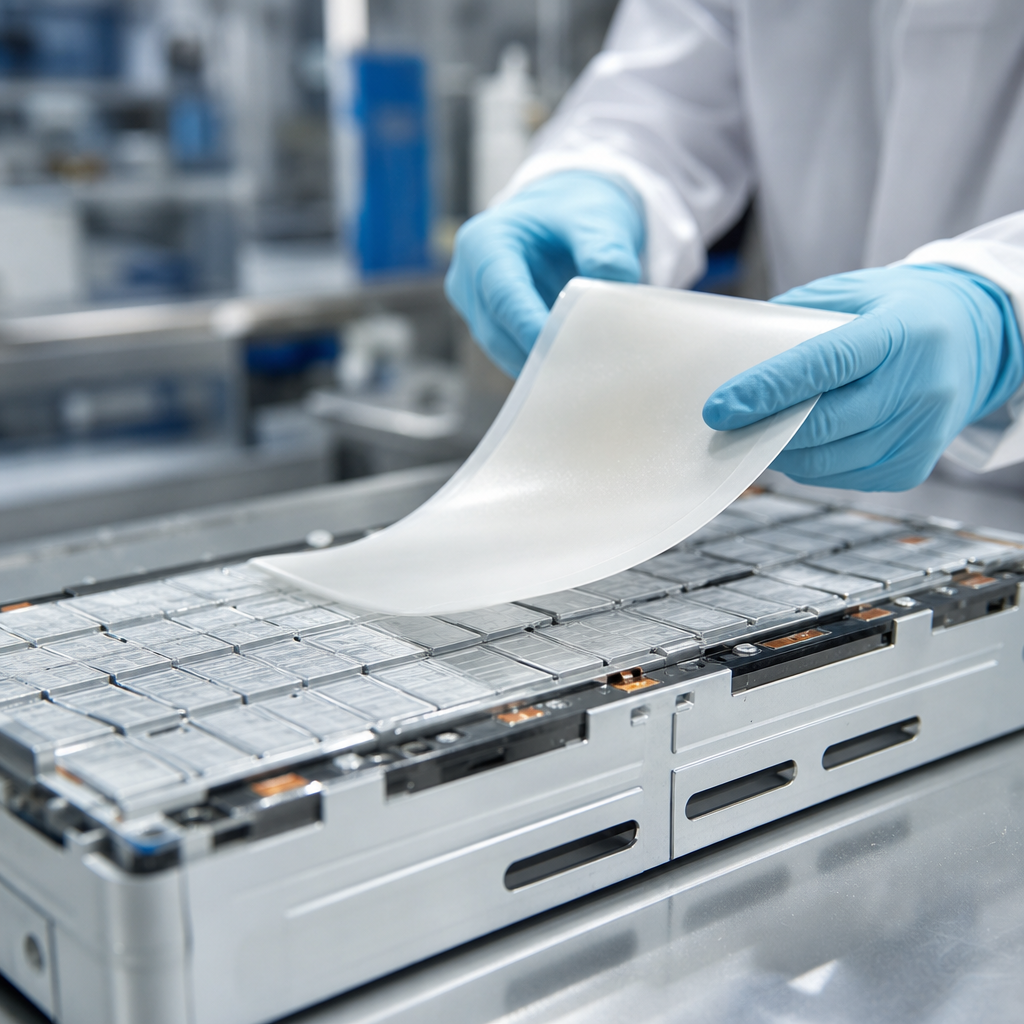
Innovations in polymers for battery technologies are reshaping how energy is stored, charged, protected, and integrated across modern electronics, electric vehicles, grid systems, and wearable devices. In this field, polymers are not simply passive plastics; they are engineered macromolecules used as binders, separators, electrolytes, coatings, encapsulants, and structural components that directly influence battery safety, cycle life, energy density, manufacturability, and cost. When I evaluate battery material stacks for high-tech applications, polymer selection is often where performance targets become practical reality, because a well-chosen polymer can stabilize electrodes, suppress dendrites, improve ion transport, and enable thinner, lighter designs. That matters across lithium-ion, lithium-metal, sodium-ion, solid-state, and flexible battery platforms, where small changes in interfacial chemistry can determine whether a promising lab cell survives real operating conditions. This hub article explains how polymers function inside advanced batteries, why they matter in electronics manufacturing, and which innovations are moving from research into commercial case studies.
Understanding the role of polymers starts with a few core definitions. A binder is a polymer that holds active particles and conductive additives together in an electrode coating while keeping that coating attached to a current collector. A separator is a porous polymer membrane placed between anode and cathode to prevent electrical shorting while allowing ionic movement. A polymer electrolyte uses a polymer matrix to conduct ions, either alone or with dissolved salts, gels, ceramic fillers, or plasticizers. Protective polymer coatings can reduce parasitic reactions, improve thermal resistance, and manage moisture or mechanical stress. In electronics, these functions are tightly linked to processability. A battery chemistry may look excellent on paper, but if its materials cannot be coated uniformly, calendared reliably, laminated at scale, or kept stable in consumer devices, commercial adoption stalls. That is why polymers sit at the center of battery innovation within high-tech and electronics applications.
Polymers also matter because battery design is now application specific. Smartphones demand thin cells with high volumetric energy density and excellent swelling control. Electric vehicles require long cycle life, abuse tolerance, and manufacturable fast charging. Medical patches and wearables need bendability, skin-safe packaging, and low-temperature operation. Aerospace and defense applications value flame resistance and mechanical reliability under vibration and temperature swings. Grid storage systems focus on durability, cost, and safety over many years. In each case, polymer engineering bridges electrochemistry and product design. Materials such as polyvinylidene fluoride, polyethylene oxide, polyacrylic acid, styrene-butadiene rubber, aramid fibers, and advanced block copolymers are chosen not only for chemistry compatibility but also for rheology, adhesion, porosity control, dielectric behavior, and thermal shutdown characteristics. The result is a broad innovation landscape that makes this topic a natural hub for broader case studies and application-specific analysis.
How polymers work inside modern battery architectures
In commercial lithium-ion cells, the most familiar polymer is still the electrode binder. Cathodes commonly use polyvinylidene fluoride, or PVDF, dissolved in N-methyl-2-pyrrolidone to form robust coatings with strong adhesion and chemical stability. Anodes, especially graphite or silicon-graphite systems, often use water-based combinations such as carboxymethyl cellulose and styrene-butadiene rubber to improve sustainability and processing economics. The binder content is small, often only a few weight percent, yet its impact is disproportionate. It affects slurry viscosity, particle dispersion, coating uniformity, crack resistance during drying, and electrical contact retention during cycling. I have seen two electrode formulations with the same active powder behave completely differently on pilot lines because one binder system held its structure through calendering while the other generated edge defects and poor peel strength.
Separators are equally critical. Most mainstream lithium-ion cells use microporous polyethylene, polypropylene, or multilayer polyolefin films. These membranes must balance puncture resistance, porosity, electrolyte wettability, dimensional stability, and thermal shutdown behavior. Shutdown is especially important: certain polyolefin separators are designed so pores close at elevated temperatures, reducing ionic flow and slowing runaway reactions. However, conventional separators can shrink under heat and are vulnerable in high-energy formats. That has driven the use of ceramic-coated separators, aramid-reinforced nonwovens, and composite polymer membranes with better thermal tolerance. In high-drain electronics and electric vehicles, separator selection is inseparable from safety engineering.
Polymer electrolytes represent a different innovation path. Instead of relying solely on liquid electrolytes soaked into porous structures, these systems embed the ion-conducting phase within a polymer matrix. Polyethylene oxide is the classic example because its ether oxygens coordinate with lithium salts and support ion transport above its glass transition range. Modern designs improve conductivity and mechanical properties through copolymerization, crosslinking, gel formation, ionic liquid incorporation, and ceramic nanoparticle addition. The promise is significant: polymer electrolytes can reduce leakage, improve interfacial contact, and support solid-state architectures. Their challenge remains room-temperature ionic conductivity and stable compatibility with both high-voltage cathodes and reactive lithium-metal anodes.
Key innovations driving high-tech and electronics applications
The most important current innovation is the shift from inert support polymers toward multifunctional polymers. In earlier battery generations, a polymer might simply hold particles together or separate electrodes. Today, the material is expected to perform several jobs at once: mechanical reinforcement, ion-conduction assistance, flame retardancy, adhesion promotion, and interfacial stabilization. This trend is visible in silicon-anode binders, where large volume expansion during charging can pulverize brittle electrode networks. Advanced binders based on polyacrylic acid, alginate, conductive polymers, or self-healing supramolecular systems create dynamic bonding that accommodates repeated swelling and contraction. These materials can preserve electrode integrity far better than legacy PVDF in high-silicon formulations.
Another major innovation is polymer design for lithium-metal batteries. Lithium metal offers exceptional theoretical capacity, but dendrite formation and unstable interfaces create serious safety and cycle-life problems. Researchers are addressing this with polymer electrolytes and polymer-rich interlayers that regulate ion flux and form stable solid electrolyte interphases. Block copolymers with distinct soft and hard domains are especially promising because they can combine ionic conductivity with mechanical stiffness. Single-ion conducting polymers are also receiving attention because they reduce concentration polarization by immobilizing the anion. In practical terms, these approaches aim to create smoother lithium deposition, lower interfacial resistance, and longer cycle life under realistic current densities.
Flexible and printed electronics have expanded polymer demand further. Thin-film batteries for smart cards, sensors, medical wearables, and compact Internet of Things nodes require materials that can be coated onto flexible substrates without cracking or leaking. Gel polymer electrolytes are frequently used here because they offer better shape conformity than rigid ceramics while maintaining higher safety than free liquid electrolyte. Polyurethane-based networks, UV-curable acrylates, and fluorinated gels are being tailored for flexibility, adhesion, and encapsulation compatibility. In roll-to-roll manufacturing environments, these polymers must cure predictably, resist solvent attack, and maintain electrochemical performance after repeated bending.
| Battery component | Common polymer families | Main function | Typical application example |
|---|---|---|---|
| Binder | PVDF, CMC, SBR, PAA, alginate | Adhesion, mechanical integrity, slurry control | Graphite, silicon-graphite, and high-nickel electrodes |
| Separator | PE, PP, aramid composites, coated polyolefins | Electrical isolation with ionic permeability | Consumer lithium-ion cells and EV pouch cells |
| Polymer electrolyte | PEO, PMMA gels, PAN blends, block copolymers | Ion transport, leakage reduction, interface contact | Solid-state prototypes and flexible batteries |
| Protective coating | Fluoropolymers, polyimides, conductive polymers | Thermal stability, corrosion resistance, passivation | High-voltage cathodes and battery packaging layers |
Case studies across consumer electronics, vehicles, and emerging systems
Consumer electronics provide some of the clearest examples of polymer innovation translating into product value. In smartphones and tablets, manufacturers need battery pouches that remain thin while resisting swelling from gas generation and thermal stress. Multilayer polymer-aluminum laminate films are used extensively for pouch packaging because they combine formability, barrier protection, and electrical insulation. Internal binders and separator coatings are optimized for fast charging and compact cell design. A small improvement in separator wettability or binder adhesion can reduce formation variability across millions of cells, which directly affects yield and warranty performance. In this segment, polymer optimization is less visible than a new cathode chemistry, but it is often what enables reliable mass production.
Electric vehicles place even tougher demands on polymers. High-nickel cathodes, silicon-rich anodes, and faster charging conditions increase stress throughout the cell. Battery makers have responded with more robust water-based binders, heat-resistant separator coatings, and flame-retardant polymer additives in modules and packs. Some leading cell developers use ceramic-coated polyolefin separators specifically to improve thermal dimensional stability during abuse conditions. On the pack side, polyurethane, epoxy, silicone, and polyimide materials are used for gap fillers, dielectric barriers, thermal interface pads, and fire propagation mitigation. In other words, polymers influence not only the electrochemical core but also the surrounding safety architecture that determines whether an EV battery system meets transport and abuse standards.
Solid-state batteries are the most discussed frontier, and polymers remain central there as well. Pure ceramic solid electrolytes attract attention for high conductivity, yet they are brittle and difficult to process. Polymer-ceramic hybrid electrolytes offer a more manufacturable route by combining ceramic ion-conducting particles with flexible polymer matrices that improve contact and reduce cracking. Several development programs are pursuing sulfide or oxide ceramic systems laminated with polymer buffer layers to improve interface compliance. From my perspective, the best near-term opportunities are not all-ceramic designs for every format, but composite architectures where polymers solve the very practical problems of lamination, pressure management, and interfacial defects.
Sodium-ion batteries also deserve attention as a rising application area. Because sodium is more abundant than lithium, the chemistry is attractive for stationary storage and cost-sensitive markets. Polymer binders, separators, and electrolytes cannot simply be copied from lithium systems without adjustment, since solvent compatibility, electrode expansion behavior, and interphase chemistry differ. Water-based binders such as CMC and PAA are proving useful in hard-carbon anodes, while separator wettability and electrolyte uptake remain active optimization areas. The lesson is consistent across case studies: battery performance depends on the whole material system, and polymers often determine whether a chemistry can move from laboratory promise to scalable manufacturing.
Manufacturing, reliability, and what the next generation requires
Battery polymer innovation succeeds only when it fits industrial processing. A polymer with excellent electrochemical data but poor slurry stability, narrow drying windows, or inconsistent molecular weight distribution will struggle in production. Manufacturers therefore evaluate rheology, solvent recovery, coatability, drying kinetics, calender response, peel strength, porosity retention, and contamination risk alongside conductivity or cycle life. Standards and test methods matter here. Thermal behavior may be checked by differential scanning calorimetry, mechanical performance by tensile and puncture tests, and electrochemical stability by impedance spectroscopy, galvanostatic cycling, and post-mortem microscopy. Reliable suppliers also characterize residual moisture, ash content, and lot-to-lot consistency because these variables strongly influence yield.
There are also sustainability pressures changing polymer choices. The move away from NMP-based cathode processing toward more water-compatible systems is one example, driven by worker safety, solvent recovery costs, and environmental compliance. Bio-based binders such as alginate and cellulose derivatives are being explored not because they are fashionable, but because they can offer strong adhesion and useful functional groups for challenging electrodes like silicon. Recycling adds another layer. Separators, binders, and packaging polymers affect shredding behavior, solvent separation, black mass purity, and thermal treatment emissions. As battery regulations tighten in Europe, North America, and Asia, polymer systems that support disassembly, lower hazardous solvent use, or improve material recovery will gain strategic value.
The next generation of polymers for battery technologies will be smarter, not just stronger. Expect more materials engineered at the molecular level to direct ion transport, build stable interfaces, and respond to stress before failure occurs. Self-healing binders, redox-active polymers, nonflammable gel networks, and AI-guided copolymer design are already moving beyond academic novelty. The practical winners will be the polymers that combine electrochemical benefit with scalable processing and verified safety. For companies working in high-tech and electronics, this hub topic is essential because it connects material science with product performance, manufacturing economics, and long-term reliability. If you are mapping future battery applications, start by examining the polymer layer stack in every cell design, then follow the case studies linked from this hub to compare how specific materials perform in real devices, vehicles, and storage systems worldwide today.
Frequently Asked Questions
1. How are polymers improving modern battery performance and safety?
Polymers are playing a far more active role in battery design than many people realize. In advanced battery systems, they are used as binders, separators, gel or solid electrolytes, protective coatings, encapsulants, and structural materials, and each of these functions can directly affect performance and safety. For example, polymer binders help hold active electrode materials together and maintain contact with the current collector during repeated charge-discharge cycles. A well-designed binder improves mechanical stability, reduces particle cracking, and helps preserve capacity over time. That means better cycle life and more reliable performance in electric vehicles, consumer electronics, and stationary storage systems.
Safety benefits are equally important. Polymer separators physically keep the anode and cathode apart while still allowing ions to move between them. Advanced separator polymers can be engineered for better thermal stability, shutdown behavior, puncture resistance, and electrolyte wettability. In practical terms, that helps reduce the risk of short circuits, thermal runaway, and degradation under high-stress conditions. Polymer coatings and encapsulants also provide protection from moisture, chemical attack, vibration, and mechanical damage, all of which can compromise battery integrity.
Another major innovation is the development of polymer electrolytes and composite polymer electrolyte systems. These materials are being explored as alternatives to traditional flammable liquid electrolytes because they can improve safety, reduce leakage risk, and support new battery architectures. While some tradeoffs remain, especially around ionic conductivity at room temperature, progress in polymer chemistry and hybrid material design is steadily closing the gap. Overall, polymers are improving batteries by making them more durable, safer, lighter, and more adaptable to demanding applications.
2. What types of polymers are commonly used in battery technologies, and what does each one do?
Battery technologies use a wide range of polymers, and each category serves a distinct purpose. One of the most familiar classes is electrode binders. Materials such as polyvinylidene fluoride (PVDF), styrene-butadiene rubber (SBR), carboxymethyl cellulose (CMC), and newer water-processable or functional binders are used to hold electrode particles together. These binders are essential because they affect adhesion, flexibility, slurry processing, electrode porosity, and long-term mechanical integrity. In silicon-rich anodes especially, where particles undergo substantial volume expansion, advanced polymer binders are critical for maintaining structural cohesion.
Separators also rely heavily on polymers. Polyethylene (PE) and polypropylene (PP) have long been standard separator materials because of their chemical resistance and manufacturability. However, the industry is moving toward multilayer structures, ceramic-coated polymer separators, and high-temperature polymers that offer better thermal stability and improved safety margins. These separator innovations are especially valuable in high-energy-density cells where thermal management becomes more challenging.
Polymer electrolytes represent another important category. These may include solid polymer electrolytes, gel polymer electrolytes, and composite systems that combine polymers with ceramic fillers or ionic species. Their role is to transport ions while helping improve mechanical stability and safety. Researchers are also developing conductive polymers and redox-active polymers for specialized batteries, flexible devices, and next-generation storage concepts.
Finally, there are polymers used in coatings, adhesives, sealants, encapsulation layers, thermal interface materials, and battery pack structures. These materials can improve corrosion resistance, electrical insulation, flame retardancy, thermal management, and module-level durability. In other words, polymers are present throughout the battery system, not just inside the electrochemical cell, and their selection often influences both manufacturing efficiency and real-world reliability.
3. Why are polymer electrolytes considered important for the future of solid-state and next-generation batteries?
Polymer electrolytes are seen as a key enabling technology because they offer a pathway toward safer, more flexible, and potentially more manufacturable battery systems. Traditional liquid electrolytes provide strong ionic conductivity, but they can also introduce flammability, leakage, and packaging challenges. Polymer electrolytes, particularly in solid-state or gel-based formats, can reduce these risks while supporting thinner, lighter, and more structurally integrated battery designs. That is particularly attractive for electric vehicles, aerospace systems, medical devices, and wearable electronics.
In solid-state battery development, polymer electrolytes are valuable because they can form intimate contact with electrode surfaces more easily than some brittle ceramic electrolytes. Good interfacial contact is essential for efficient ion transport and long-term cycling stability. Polymers also bring mechanical compliance, which helps accommodate stress and volume changes inside the cell. This can be especially useful when pairing high-capacity anodes or high-voltage cathodes with advanced electrolyte systems.
That said, polymer electrolytes still face technical hurdles. The biggest challenge is often achieving high ionic conductivity at room temperature without sacrificing mechanical strength, electrochemical stability, or manufacturability. Researchers are addressing this through copolymer design, crosslinking strategies, plasticization, block polymer architectures, ceramic-polymer composites, and tailored ion-conducting pathways. The goal is to create materials that combine the safety and processing advantages of polymers with conductivity levels closer to those of liquid systems.
The long-term importance of polymer electrolytes lies in their versatility. They can be tuned chemically for specific voltage windows, temperature ranges, flexibility requirements, and interface needs. That tunability makes them highly attractive for next-generation batteries, including solid-state lithium batteries, sodium-ion systems, flexible batteries, and hybrid energy storage devices where conventional electrolyte approaches may be limiting.
4. How do polymer innovations affect battery manufacturing, cost, and scalability?
Polymer innovations can have a major impact on how batteries are manufactured at commercial scale. One of the most practical advantages is processability. Many polymers can be engineered for compatibility with high-throughput coating, lamination, extrusion, and roll-to-roll manufacturing techniques. That matters because battery production is not just about electrochemical performance; it is also about making millions of cells consistently, efficiently, and at acceptable cost. Polymers that improve slurry stability, coating uniformity, adhesion, drying behavior, and defect control can directly reduce production losses and improve yield.
Cost effects can be both direct and indirect. Directly, the price of specialty polymers and additives matters, especially in large-scale electric vehicle and grid storage markets. Indirectly, however, a higher-performance polymer may save money by extending cycle life, enabling lower-temperature processing, reducing solvent use, improving safety compliance, or allowing thinner and lighter components. For example, water-based polymer binder systems can lower environmental and processing costs compared with solvent-intensive approaches. Similarly, advanced polymer separators or coatings may increase material cost somewhat but reduce failure rates and warranty exposure over the life of the battery.
Scalability also depends on supply chain readiness and compatibility with existing equipment. A polymer that performs well in the lab is not automatically suitable for gigafactory-scale deployment. It must be manufacturable in consistent quality, available in sufficient volume, and integrated into production lines without introducing unacceptable complexity. This is why commercially successful polymer innovations often balance performance gains with realistic processing windows, raw material accessibility, safety standards, and recyclability considerations.
In short, polymers influence battery economics far beyond their share of the bill of materials. They affect throughput, consistency, energy density, safety margin, service life, and system integration. For manufacturers, that makes polymer selection a strategic decision rather than a minor formulation detail.
5. What should engineers and product developers look for when evaluating polymers for battery applications?
When evaluating polymers for battery technologies, engineers need to look beyond a single headline property and instead assess how the material performs within the full electrochemical, thermal, mechanical, and manufacturing environment of the battery. The first consideration is functional fit. A polymer used as a binder will be judged differently from one used as a separator, electrolyte, coating, or encapsulant. For each role, the material must meet specific requirements such as ionic permeability, adhesion strength, dielectric performance, chemical resistance, thermal stability, dimensional control, and compatibility with neighboring components.
Electrochemical stability is especially important. The polymer must tolerate the voltage range, reactive species, and electrolyte environment without breaking down in a way that harms performance or safety. Mechanical behavior is also critical. In modern batteries, components are routinely exposed to repeated swelling, contraction, pressure changes, vibration, and temperature cycling. A polymer that is too brittle may crack; one that is too soft may deform or fail to maintain separation and structure. Engineers also pay close attention to interfacial behavior because poor interaction between polymer layers and active materials can increase resistance and accelerate degradation.
From a product development standpoint, manufacturability is just as important as laboratory performance. A polymer may look excellent in small-scale testing but become impractical if it requires narrow processing conditions, expensive solvents, difficult drying steps, or highly specialized handling. Developers should also consider regulatory compliance, flammability performance, environmental resistance, supply reliability, and end-of-life implications such as recyclability or disassembly compatibility.
Ultimately, the best polymer for a battery application is one that delivers balanced performance across the full system. It should support the target energy density, power capability, cycle life, safety profile, and production strategy without creating downstream problems. That is why serious evaluation typically combines materials science, cell engineering, reliability testing, and manufacturing analysis. In battery technology, polymers are not secondary materials; they are foundational design elements that help determine