Polymers are reshaping textiles from the fiber level upward, changing how fabrics are spun, finished, worn, recycled, and launched into the market. In the textile industry, a polymer is a large molecule made of repeating units that can be engineered into fibers, films, coatings, foams, and composite structures. Common examples include polyester, nylon, polyurethane, polypropylene, aramids, acrylics, and emerging bio-based materials such as polylactic acid and regenerated cellulose blends. When people ask how polymers are innovating the textile industry, the most accurate answer is this: they allow manufacturers to tune performance with far greater precision than natural fibers alone, influencing stretch, moisture control, durability, flame resistance, antimicrobial behavior, thermal management, and circularity.
That matters because textiles now serve very different end uses than they did even a decade ago. Apparel brands need lighter and stronger fabrics, hospitals need barrier materials with documented safety performance, automakers need durable interior textiles, and industrial buyers need protective fabrics that comply with strict standards. At the same time, consumers and regulators are pressing for lower emissions, less waste, safer chemistries, and credible recycling pathways. I have seen product teams move from broad claims like “more sustainable fabric” to highly specific launch criteria: recycled content verified by Global Recycled Standard, abrasion thresholds measured by Martindale testing, moisture vapor transmission targets, and wash durability after fifty cycles. Polymers sit at the center of those decisions because they determine both function and manufacturability.
For a sub-pillar focused on new product launches, polymers are especially important because they are the platform behind most textile innovation pipelines. A launch may appear on the surface as a new activewear collection, a medical gown, a coated workwear fabric, or a biodegradable nonwoven, but beneath that launch is usually a polymer story: a new resin grade, a different extrusion method, a bicomponent fiber architecture, a novel membrane, or a finishing chemistry designed to work with a specific substrate. Understanding those building blocks helps buyers evaluate claims, helps product developers identify viable opportunities, and helps brands connect adjacent innovations across apparel, home textiles, technical textiles, and nonwovens.
Why polymers dominate modern textile innovation
Polymers dominate innovation because they are adaptable at scale. Fiber producers can alter molecular weight, crystallinity, crosslink density, additive packages, and spinning conditions to create a wide range of textile behaviors from the same chemical family. Polyester is the clearest example. By changing filament geometry, denier, and texturizing, a supplier can launch a silky lining fabric, a high-tenacity industrial yarn, a wicking sports knit, or a recycled insulation fill. Nylon can be engineered for softness in hosiery, abrasion resistance in luggage fabrics, or toughness in military gear. Polyurethane can function as an elastomeric fiber for stretch garments or as a membrane for waterproof breathable laminates.
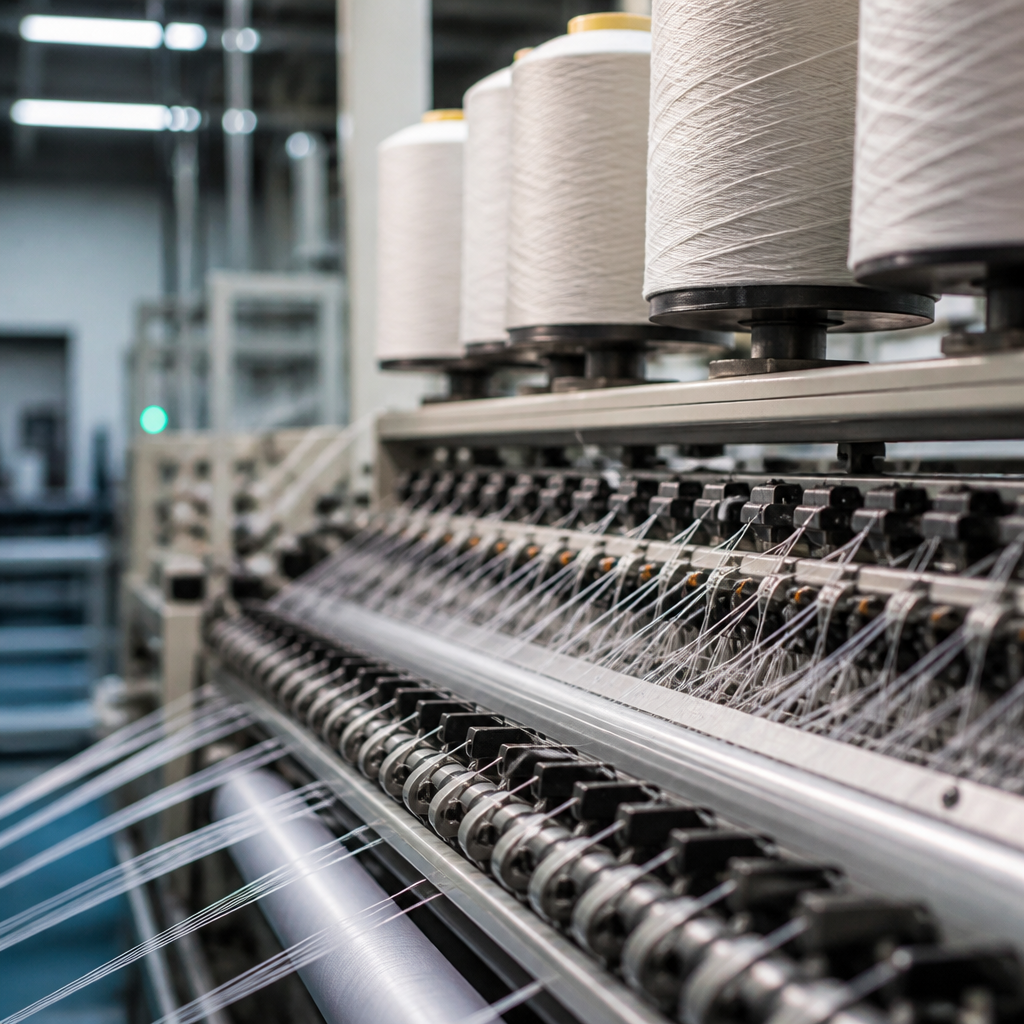
These materials also fit industrial production systems. Melt spinning, solution spinning, coating, lamination, and nonwoven processing can all be optimized for repeatability, cost control, and quality assurance. That is one reason so many new textile product launches are polymer-led rather than fiber-neutral. A launch team wants a material platform that can be tested, certified, sourced globally, and scaled without redesigning the entire manufacturing line. Polymers offer that pathway. They also support hybrid constructions, including polymer-natural blends, coated cottons, and multilayer composites that combine comfort with technical performance.
Another reason is the speed of iteration. In practical development work, changing a polymer formulation or additive can produce measurable gains faster than redesigning a full garment system. Brands launching next-generation outerwear, footwear uppers, upholstery, filtration media, or hygiene products often start by asking which polymer architecture can solve a narrow problem, such as pilling, odor retention, static buildup, UV degradation, or seam slippage. That targeted problem-solving approach is why polymers remain central to textile research and commercialization.
New product launches in performance apparel and sports textiles
Performance apparel is one of the most visible areas for polymer innovation because consumer benefits are easy to communicate and easy to test. Recent launches commonly focus on moisture management, four-way stretch, lighter weight, thermal regulation, and lower environmental impact. Polyester and nylon remain dominant because they provide strength and rapid drying, while elastane adds recovery and shape retention. What changes from launch to launch is how those polymers are modified. Hollow polyester fibers improve insulation with less bulk. Microfilament nylon creates a softer hand and denser fabric structure. Phase change material capsules can be embedded in polymer coatings to buffer temperature swings.
In product reviews and line development meetings, I often see successful launches framed around a specific use case rather than a general material claim. A trail running shell may use a polyurethane membrane laminated to recycled polyester for waterproof breathability, with seam tape chosen to match stretch and hydrolysis resistance. A cycling bib may combine nylon 6,6 for abrasion resistance with elastane and a moisture-moving knit structure. A yoga fabric launch may rely on bicomponent yarns that create mechanical stretch alongside elastomeric stretch, improving recovery while reducing fabric bagging over time. These are not marketing abstractions; they are polymer-enabled engineering decisions.
Brands are also introducing bio-based and recycled polymer stories into premium launches. Recycled polyester from post-consumer bottles is now common, but higher-value launches increasingly distinguish between mechanically recycled and chemically recycled inputs. Bio-based polyamides derived partly from castor oil have entered sportswear and hosiery because they reduce dependence on fossil feedstocks while preserving performance. The key lesson for buyers is that “new” does not only mean a completely unfamiliar material. Many strong launches come from improved polymer processing, verified sourcing, and better end-of-life planning applied to familiar fibers.
Protective, medical, and industrial textile launches
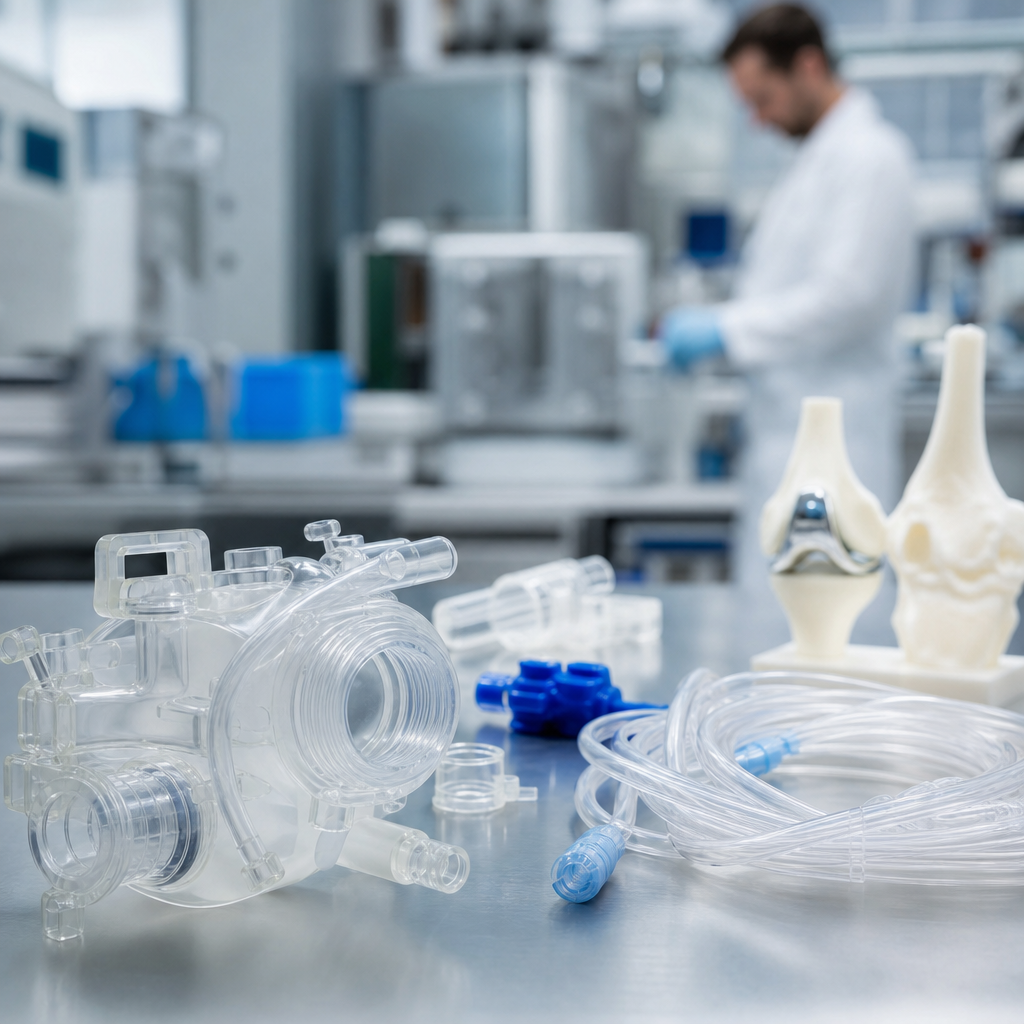
Some of the most consequential polymer innovations are not in fashion at all. They are in protective, medical, filtration, and industrial textiles where performance requirements are strict and failure has real consequences. Aramids such as Kevlar and Nomex remain critical in heat- and cut-resistant products, but newer launches often combine them with modacrylics, FR viscose, high-performance polyethylenes, or specialty coatings to balance comfort, compliance, and cost. Medical textiles rely heavily on polypropylene nonwovens because spunbond and meltblown structures can be engineered for barrier properties, breathability, and disposability. The pandemic made that supply chain visible, but innovation has continued in reusable gowns, antimicrobial surfaces, and advanced filtration layers.
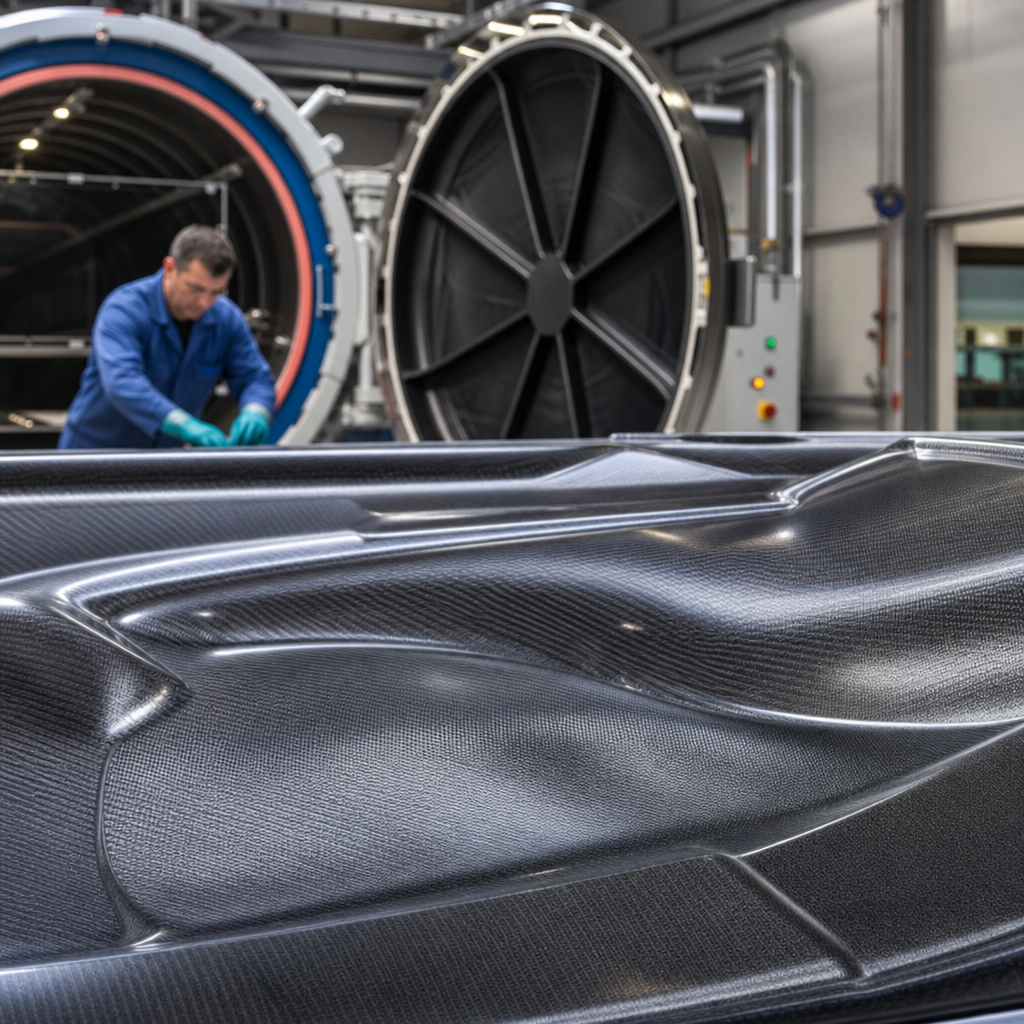
Automotive and aerospace textiles are another active launch area. Seat fabrics, headliners, carpets, airbags, and insulation systems use tailored polymers because they must meet abrasion, flammability, fogging, and aging requirements. Airbags are a classic example of polymer precision: nylon yarns must deliver controlled strength, reliable weaving performance, and stable coating compatibility. Geotextiles, meanwhile, often use polypropylene or polyester because tensile strength, creep behavior, and environmental resistance determine field performance in roads, drainage, and erosion control. These launches rarely receive mainstream attention, yet they represent some of the most disciplined material engineering in the sector.
| Launch area | Common polymers | Main performance goal | Typical example |
|---|---|---|---|
| Activewear | Polyester, nylon, elastane | Wicking, stretch, durability | Compression leggings with recycled polyester knit |
| Outerwear | Polyurethane, polyester | Waterproof breathability | Three-layer shell with PU membrane laminate |
| Medical nonwovens | Polypropylene | Barrier protection, filtration | Surgical gown using spunbond-meltblown-spunbond fabric |
| Protective workwear | Aramids, modacrylics | Flame resistance, cut protection | Arc-rated coverall for utilities |
| Automotive textiles | Nylon, polyester, polyurethane | Abrasion, flammability, longevity | Airbag fabric and coated seat material |
For companies planning new product launches in these categories, polymer choice is inseparable from certification and testing. Standards such as ISO 13934 for tensile properties, ISO 12947 for abrasion, ASTM D5034 for breaking strength, AATCC methods for moisture and colorfastness, and industry-specific flammability rules shape what can realistically reach market. The strongest launches are the ones where the polymer system was designed with the test protocol in mind from the beginning.
Sustainability-driven launches: recycled, bio-based, and circular polymers
Sustainability is now a launch category of its own, but polymer innovation here is more complex than simple fiber substitution. Recycled polyester is established, yet product teams still need to manage tradeoffs in color consistency, contamination, and molecular degradation. Chemical recycling is gaining attention because it can depolymerize PET back into feedstock, potentially enabling higher-quality outputs than repeated mechanical recycling. Companies launching circular polyester programs often pair material changes with digital product passports, take-back systems, and traceability platforms to strengthen the business case.
Bio-based polymers are also moving from pilot projects into commercial launches. Polylactic acid has appeared in nonwovens, blends, and packaging-textile crossover applications, though heat resistance and hydrolysis sensitivity can limit use. Polyamide variants with renewable content are more mature in selected segments. Regenerated cellulosics such as lyocell are not synthetic polymers in the same sense as polyester, but they increasingly appear in polymer strategy conversations because they blend well with synthetics and improve moisture handling and softness. In development work, these blended approaches are often more practical than all-or-nothing material shifts.
The harder issue is end-of-life design. Mixed-material garments can deliver excellent performance but remain difficult to recycle, especially when elastane, coatings, adhesives, and trims are involved. That is why some new product launches now emphasize mono-material construction, detachable components, or easier-to-separate laminates. Those design decisions may sound small, but they directly affect recovery economics. A credible sustainability launch must explain feedstock origin, manufacturing impacts, durability, and disposal route in one coherent material story.
Smart textiles, coatings, and next-generation polymer platforms
Beyond fibers alone, polymers are driving innovation through coatings, conductive systems, and responsive materials. Polyurethane coatings improve weather resistance and hand feel. Silicone finishes can enhance release properties and stability in specific technical uses. Conductive polymer formulations, printed inks, and flexible encapsulation systems are enabling smart textiles that monitor movement, temperature, or biometric signals. In healthcare and sports, this has led to launches of sensor-enabled garments, compression wear with embedded electronics pathways, and rehabilitation textiles that capture motion data without rigid devices.
Another active area is antimicrobial and odor-control technology. Silver-based additives, quaternary chemistries, and polymer-bound treatments have all appeared in launches, but performance claims require caution because efficacy can decline after laundering and regulatory scrutiny varies by market. Similarly, durable water repellent technologies have shifted as brands move away from long-chain fluorinated chemistries. New launches often feature short-chain alternatives, silicone-based systems, waxes, dendrimers, or fluorine-free finishes, each with different tradeoffs in oil repellency, durability, and processing complexity. The important point is that polymer innovation is no longer limited to the yarn; it spans every functional layer of the textile system.
Electrospun nanofibers, self-healing coatings, and thermoplastic composites are also moving from research to selective commercialization. Filtration, wound care, lightweight reinforcement, and advanced footwear are leading use cases. These launches are not mass-market yet, but they show where textile innovation is headed: more control over structure at micro and nanoscale levels, and tighter integration between materials science and product design.
How to evaluate new polymer textile products before adoption
When assessing new product launches, start with performance data, not branding language. Ask which polymer or blend is used, how the fabric is constructed, what finishing chemistry is applied, and which test methods support the claim. Request wash durability, pilling, tensile, tear, and dimensional stability data where relevant. For sustainable launches, verify recycled or bio-based content through recognized schemes such as Global Recycled Standard, Recycled Claim Standard, or ISCC PLUS where applicable. Also ask whether the launch changes processing requirements, dye uptake, lamination settings, or sewing behavior, because downstream manufacturing issues can erase the value of an otherwise promising material.
It is also wise to evaluate the full commercial package. A technically impressive polymer textile can still fail if minimum order quantities are unrealistic, lead times are unstable, or color reproducibility is poor. In my experience, the best launch partners share not only datasheets but process windows, known limitations, and realistic wear expectations. That transparency builds confidence and reduces costly trial cycles.
Polymers are innovating the textile industry by making fabrics more precise, more functional, and increasingly more accountable across their lifecycle. They enable the stretch in performance apparel, the barrier protection in medical nonwovens, the flame resistance in workwear, the durability in automotive interiors, and the circular design strategies now shaping sustainable launches. For anyone tracking new product launches under innovative products and solutions, polymers are the common thread that connects visible consumer releases with the deeper material science driving them.
The main benefit of understanding polymer-led textile innovation is better decision-making. Buyers can compare launches more intelligently, product developers can identify feasible opportunities sooner, and brands can separate meaningful advances from recycled marketing language. The strongest launches are specific about polymer composition, processing method, test performance, and end-of-life implications. They do not rely on vague promises. They show how the material works, why it was chosen, and where it fits in a realistic product strategy.
Use this hub as your starting point for exploring new product launches across apparel, technical textiles, medical materials, and sustainable fabric systems. As you review upcoming materials, focus on the polymer platform first, then trace how it affects comfort, protection, durability, manufacturability, and recovery. That approach will help you spot innovations that are built to last, scale, and deliver measurable value.
Frequently Asked Questions
1. How are polymers transforming the textile industry at a fundamental level?
Polymers are transforming the textile industry by changing what fabrics are made from, how they are manufactured, and how they perform in real-world use. At the most basic level, a polymer is a large molecule built from repeating units, and that structure gives manufacturers remarkable control over fiber properties. By adjusting polymer chemistry, molecular weight, crystallinity, elasticity, and processing methods, textile producers can create fibers that are stronger, lighter, softer, more stretchable, more durable, or more resistant to moisture, heat, chemicals, and abrasion. This means textiles are no longer defined only by traditional materials like cotton, wool, or silk; they are increasingly engineered for specific functions.
In practice, polymers are used to make fibers, films, coatings, foams, laminates, and composite textile structures. Polyester and nylon have become dominant because they offer a strong balance of cost, durability, wrinkle resistance, and scalability. Polyurethane has enabled stretch fabrics and comfort performance in activewear, while polypropylene has introduced lightweight and moisture-resistant options in technical textiles and hygiene products. High-performance polymers such as aramids have made it possible to produce protective clothing with exceptional heat and cut resistance. At the same time, bio-based and regenerated polymer systems are pushing the industry toward new sustainability models.
What makes polymers especially important is their versatility across the entire value chain. They influence spinning efficiency, dye uptake, finish compatibility, garment performance, wash durability, recyclability, and product lifespan. In other words, polymers are not just replacing one fiber with another; they are redefining how textiles are designed, manufactured, marketed, and recovered after use. That is why polymer innovation sits at the center of modern textile development, from everyday apparel to industrial fabrics, medical textiles, automotive interiors, and advanced wearable technologies.
2. What are the most common polymers used in textiles, and why are they so valuable?
The most widely used polymers in textiles include polyester, nylon, polyurethane, polypropylene, acrylic, aramids, and newer materials such as polylactic acid and regenerated cellulose blends. Each one brings a distinct set of properties that make it useful for specific textile applications. Polyester is one of the most important because it is durable, dimensionally stable, resistant to wrinkling, relatively easy to process, and adaptable for everything from fashion and home textiles to industrial uses. It also works well in blends, which helps manufacturers combine comfort with performance.
Nylon is valued for its strength, abrasion resistance, elasticity, and smooth hand feel, making it especially useful in hosiery, outerwear, technical apparel, luggage, and performance fabrics. Polyurethane, often used in the form of elastane or spandex components and coatings, is essential where stretch, recovery, and body-conforming comfort matter. Polypropylene is lightweight, hydrophobic, and chemically resistant, which makes it attractive for nonwovens, thermal base layers, geotextiles, filtration products, and medical disposables. Acrylic fibers are often used as alternatives to wool because they can deliver softness, warmth, and color clarity at a lower cost.
For high-performance applications, aramids such as para-aramids and meta-aramids stand out for their exceptional strength, flame resistance, and thermal stability. These materials are used in firefighter gear, protective gloves, ballistic textiles, and aerospace-related applications. Emerging polymers are equally significant. Polylactic acid, for example, is a bio-based polymer that has gained attention for lower fossil-resource dependency in selected applications, while regenerated cellulose blends offer an appealing route toward softness, breathability, and partially renewable sourcing. The value of these polymers lies not only in their individual performance but in how precisely they can be selected, blended, modified, or engineered to meet specific market demands across apparel, technical textiles, and sustainability-driven innovation.
3. How do polymer innovations improve fabric performance, comfort, and functionality?
Polymer innovations improve textiles by allowing performance to be engineered directly into the material rather than added only as a surface treatment. This creates fabrics that do more while often lasting longer. For example, polymer structure can be tailored to improve tensile strength, abrasion resistance, stretch and recovery, moisture transport, insulation, softness, drape, UV resistance, flame retardancy, and weather protection. This means the same basic concept of a textile can be adapted for very different environments, from athletic wear and medical fabrics to upholstery and protective gear.
Comfort is one of the biggest areas where polymer science has had a major impact. Moisture management fibers can help move perspiration away from the skin, making garments feel drier during activity. Elastic polymer systems improve fit and freedom of movement, while lightweight polymer fibers reduce garment bulk without sacrificing function. Advanced microfibers can create soft, smooth, high-density fabrics that feel more luxurious while still offering technical benefits. In outerwear and footwear, polymer membranes and coatings can provide wind resistance and water repellency while maintaining some degree of breathability, which is critical for all-day wear.
Functionality has expanded even further with smart and specialized textile applications. Polymer-based coatings can add antimicrobial properties, stain release, anti-static behavior, or chemical resistance. Foam and composite structures can enhance impact absorption and cushioning. Conductive or responsive polymer systems are also opening doors for wearable electronics, health-monitoring garments, and adaptive materials that react to temperature or movement. The key advantage is that polymers can be designed at the molecular and processing levels, giving textile developers a toolkit for balancing comfort, protection, appearance, and durability in ways that were much harder to achieve with conventional natural fibers alone.
4. Are polymer-based textiles sustainable, and what role do they play in textile recycling?
Polymer-based textiles can support sustainability, but the answer depends heavily on the type of polymer, how it is sourced, how the textile is constructed, and what happens to it at the end of its life. On one hand, many synthetic polymers are derived from fossil resources and can contribute to waste and microplastic concerns if not managed responsibly. On the other hand, polymers also make possible many of the solutions the textile industry now depends on, including recycled fibers, lightweight materials that reduce transport impact, highly durable fabrics that extend product life, and bio-based alternatives that reduce dependence on conventional petrochemicals.
Recycling is one of the most important areas where polymers are driving change. Polyester, especially PET-based polyester, has become a major focus for mechanical and chemical recycling systems. Recycled polyester made from post-consumer bottles or textile waste is already common in apparel and home furnishings, and growing investment in textile-to-textile recycling aims to make the loop more circular. Nylon is also being recycled in selected product streams, particularly in performance applications. Chemical recycling technologies are especially promising because they can break polymers down into monomers or other feedstocks that can be used again to produce high-quality fibers.
That said, sustainability challenges remain. Blended textiles can be difficult to separate, finishes and coatings can complicate recovery, and not all polymer products are designed with disassembly or recyclability in mind. This is why the industry is moving toward design-for-recycling strategies, mono-material constructions where appropriate, improved collection systems, traceability, and polymers derived from renewable or waste-based inputs. Materials such as polylactic acid and regenerated cellulose blends are part of this conversation, though each comes with its own infrastructure and performance considerations. Overall, polymers are not automatically sustainable, but they are central to many of the innovations that could make the textile industry more circular, resource-efficient, and commercially viable in the long term.
5. What does the future of polymers in textiles look like for brands, manufacturers, and consumers?
The future of polymers in textiles is moving toward smarter performance, cleaner production, and more circular product systems. For brands, this means greater ability to differentiate products through function, sustainability claims, comfort, and durability. Instead of competing only on style or price, companies can use advanced polymers to offer moisture-responsive activewear, lightweight insulation, bio-based fashion materials, recyclable mono-material garments, or protective textiles tailored for demanding work environments. As consumer expectations rise, polymer innovation is becoming a strategic tool for both product storytelling and measurable performance improvement.
For manufacturers, the future is closely tied to process efficiency and material precision. Advanced polymer engineering can support lower-energy processing, finer filament control, improved dye compatibility, and reduced waste during spinning and finishing. New extrusion methods, additive technologies, and composite fabric systems are creating opportunities for customized structures with fewer production steps. Manufacturers are also under pressure to document material origins, chemical inputs, and recyclability, which means the next generation of polymer textiles will likely be developed with traceability and end-of-life planning built in from the beginning.
For consumers, the benefits are likely to show up as better everyday products. Clothing may become lighter, more comfortable, more adaptive to temperature and activity, and more durable through repeated washing and wear. Home textiles may offer improved stain resistance, softness, and longevity. Technical and medical textiles may become safer and more specialized. At the same time, shoppers will increasingly expect transparency about whether a polymer is recycled, recyclable, bio-based, or responsibly sourced. In short, the future is not just about inventing new polymers; it is about using polymer science to create textiles that perform better, waste less, and align more closely with the practical and environmental expectations of the modern market.