New polymer adhesives and sealants for industrial use are reshaping how manufacturers bond, protect, and assemble products across automotive, electronics, construction, medical devices, and packaging. In practical terms, polymer adhesives are engineered materials that join substrates through chemical and physical adhesion, while sealants are formulated to fill gaps, block fluids, damp vibration, and maintain environmental barriers under movement or stress. The newest product launches in this category matter because they solve a long list of production problems at once: reducing cure time, lowering volatile emissions, improving durability, enabling lightweight design, and simplifying automation. I have worked with launch teams evaluating these materials on pilot lines, and the difference between an older solvent-borne adhesive and a modern moisture-curing or light-curing polymer system is often measured not just in bond strength, but in throughput, scrap reduction, worker safety, and warranty performance. This hub article covers the major technologies, where they fit, how new launches are being judged, and which questions buyers should answer before committing to qualification.
Industrial buyers increasingly want adhesives and sealants that do more than stick two parts together. They want compatibility with mixed-material assemblies, reliable performance after thermal cycling, compliance with environmental regulations, and stable dispensing on automated equipment. New product launches now emphasize silane-modified polymers, reactive polyurethane hot melts, UV-curable acrylics, toughened epoxies, low-bloom cyanoacrylates, and hybrid systems designed to bridge previous performance gaps. At the same time, suppliers are publishing more complete technical data, including viscosity windows, open time, green strength, Shore hardness, elongation, dielectric behavior, and resistance to humidity, chemicals, or ultraviolet exposure. For teams managing a portfolio of new product launches under innovative products and solutions, this page functions as the central reference point. It explains the technology landscape in plain terms, shows where each chemistry is strongest, and helps engineers, procurement managers, and product developers connect a launch announcement to actual plant-floor value.
Why new polymer adhesive and sealant launches are accelerating
The pace of new product launches has increased because industrial design requirements have changed faster than conventional fastening methods can keep up. Lightweight vehicles use aluminum, composites, coated steels, and plastics in the same assembly. Consumer electronics require thin bond lines, thermal management, and low outgassing. Building products need weatherable seals with movement capability over years of heat, rain, and freeze-thaw exposure. Traditional screws, welds, and gaskets still matter, but they often add weight, create stress concentrations, or fail to isolate dissimilar materials. Adhesives and sealants distribute loads over wider areas, reduce galvanic corrosion risk, and enable designs that would be difficult or impossible with mechanical fasteners alone.
Regulation is another force behind current launches. Restrictions on volatile organic compounds have pushed development away from solvent-heavy formulations toward reactive and high-solids systems. Original equipment manufacturers also expect safer chemistries, clearer handling guidance, and better documentation for REACH, RoHS, and sector-specific standards. In Europe and North America, sustainability targets are influencing requests for lower-temperature processing, reduced waste, longer service life, and in some cases improved debonding for repair or recycling. The result is a market where suppliers are no longer launching incremental variants only; they are releasing targeted formulations for battery packs, automated glazing, wearable devices, modular construction, and medical assembly.
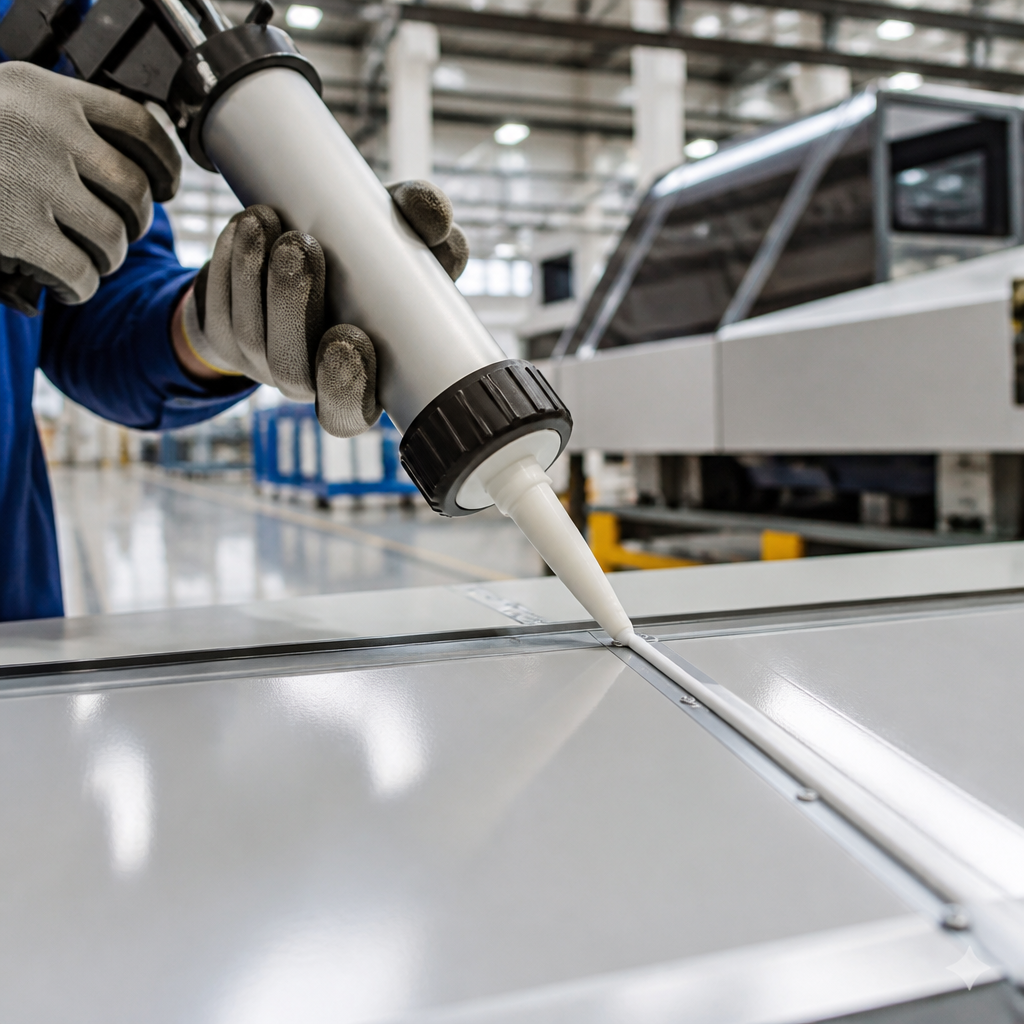
From firsthand evaluation work, I have seen another driver that rarely appears in launch headlines: process robustness. A technically impressive adhesive can still fail commercially if it strings at the nozzle, traps bubbles, skins too quickly, or drifts in viscosity during a shift. The strongest launches address manufacturing realities directly. Suppliers now tune rheology for robotic bead control, improve cartridge and drum stability, and publish dispensing recommendations for jetting, spray, slot die, bead laydown, or static mixing. This is why new polymer adhesives and sealants for industrial use should be assessed as process materials, not just laboratory materials.
Core chemistries behind today’s most important product launches
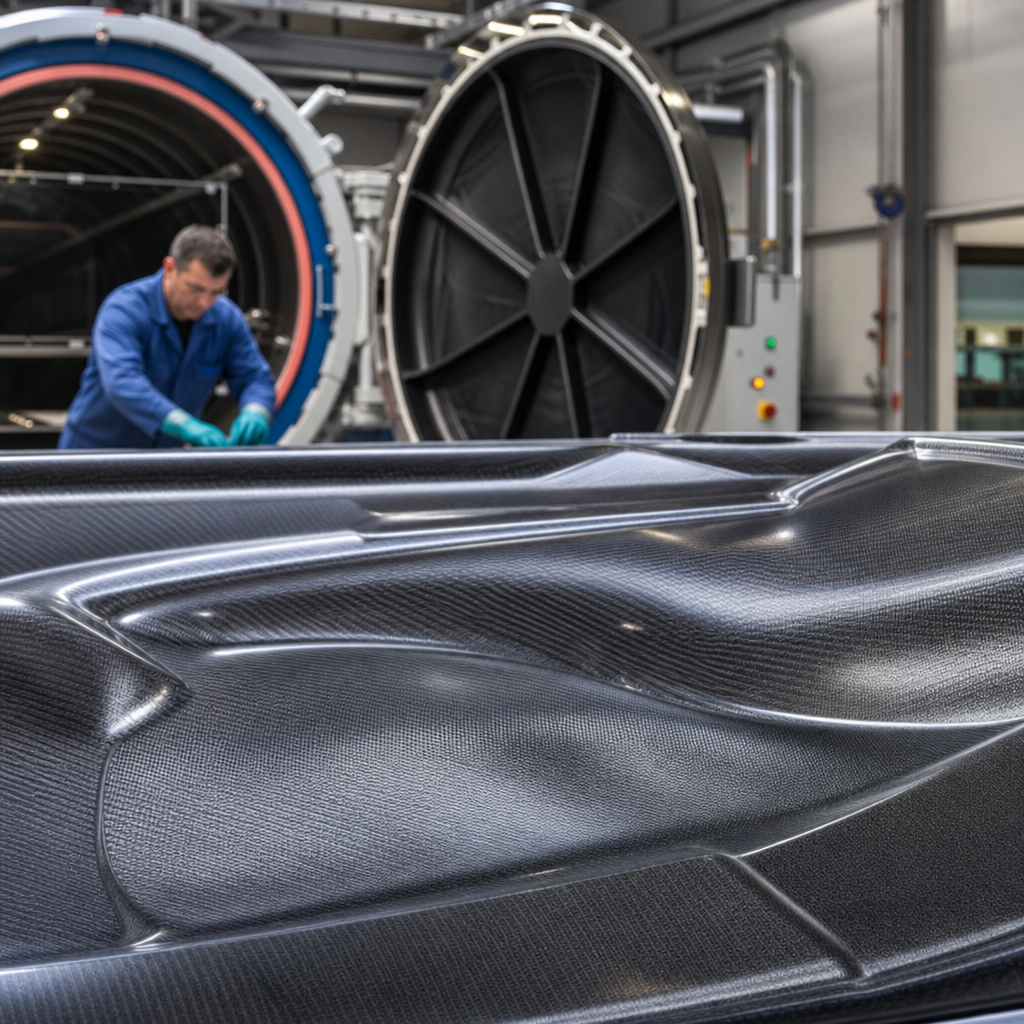
The most influential launches cluster around a handful of polymer platforms. Silane-modified polymers, often called SMP or MS polymers, are widely used where users want primerless adhesion, paintability, low isocyanate exposure, and elastic performance. They cure with ambient moisture and are common in transportation, construction, and general industrial sealing. Reactive polyurethane systems remain essential when high toughness, flexible strength, and fast fixture are required. One-component moisture-curing polyurethanes are common in windshield bonding and panel assembly, while reactive polyurethane hot melts combine rapid set on cooling with chemical crosslinking over time, making them valuable in profile wrapping, furniture, and electronics assembly.
Epoxy launches continue to focus on structural performance, thermal resistance, and adhesion to metals and composites. Toughened epoxies can handle impact and peel better than older brittle grades, which is why they appear in transportation and aerospace-adjacent assemblies. Acrylic adhesives, including methyl methacrylate systems, are used when manufacturers need strong bonds on metals, thermoplastics, and composites with less surface preparation than many epoxies require. UV-curable acrylics and cationic systems are expanding in electronics, optics, and medical devices because they offer precise cure-on-demand behavior. Cyanoacrylates are also evolving through low-odor, low-bloom, and flexible grades suited for intricate assemblies where cosmetic appearance matters.
Hybridization is the clearest pattern in recent new product launches. Suppliers are engineering formulations to combine the elasticity of sealants with the strength of structural adhesives, or the speed of hot melts with the final durability of reactive systems. They also add flame retardants, thermally conductive fillers, or electrically insulating packages to address battery modules, power electronics, and sensor housings. When reading launch materials, it helps to identify whether the innovation is truly a new polymer backbone, a new curing mechanism, or a formulation improvement such as better adhesion promotion, lower shrinkage, or easier automation. Each kind of innovation can be useful, but they solve different industrial problems.
How new launches are being evaluated across industrial sectors
Adhesives and sealants are qualified differently depending on the application, but the core evaluation logic is consistent: substrate, stress, environment, process, and compliance. Automotive teams may run lap shear, peel, impact wedge, corrosion, and climate aging tests while also checking compatibility with e-coat ovens and crash performance requirements. Electronics manufacturers focus on ionic contamination, dielectric strength, coefficient of thermal expansion, moisture sensitivity, and thermal shock. In construction, movement capability, weathering resistance, modulus, adhesion to porous and nonporous substrates, and standards such as ASTM C920 or ISO 11600 become central.
The most successful new product launches come with application-specific evidence rather than generic claims. A sealant launched for façade joints should show movement class, UV resistance, and staining behavior on natural stone. A battery pack gap filler should present thermal conductivity, density, pumpability, and flame performance. A medical device adhesive should address sterilization exposure, extractables concerns, and biocompatibility pathways where applicable. Engineers trust launches more when data mirrors field conditions. In my own reviews, I give extra weight to suppliers that include failure mode observations, not just pass-fail charts, because cohesive failure, substrate tear, and adhesive failure tell very different stories about long-term reliability.
Qualification also depends on total cost of ownership. A premium adhesive can be the right choice if it eliminates a primer, shortens cure from hours to minutes, reduces fixture complexity, or lowers rework rates. Procurement teams increasingly ask whether a launch supports single-source risk reduction, whether packaging fits existing pumps or pails, and whether shelf life aligns with plant consumption. These practical questions often decide adoption faster than headline strength numbers.
What buyers should compare when reviewing new product launches
Comparing new product launches is easiest when decision-makers separate marketing language from measurable performance. The table below highlights the criteria that consistently matter during industrial selection and line trials.
| Criterion | Why it matters | Typical metrics or evidence | Example use case |
|---|---|---|---|
| Cure mechanism | Determines line speed, equipment needs, and environmental sensitivity | Moisture cure rate, UV dose, mix ratio tolerance, heat profile | UV acrylic for optical sensor bonding |
| Substrate compatibility | Reduces prep steps and field failures | Adhesion on aluminum, ABS, glass, composites, coated steel | SMP sealant for mixed-material body panels |
| Mechanical profile | Must match joint design and service loads | Tensile strength, elongation, modulus, peel, impact resistance | Toughened epoxy for composite brackets |
| Environmental durability | Predicts long-term reliability | Humidity aging, salt spray, UV exposure, thermal cycling | Polyurethane adhesive for exterior transportation panels |
| Processability | Affects yield and automation success | Viscosity, sag resistance, open time, bead shape, pot life | Reactive hot melt in automated profile lamination |
| Regulatory and safety profile | Supports compliance and workforce protection | VOC content, hazard classification, documentation package | Low-emission sealant for indoor building products |
In launch reviews, I recommend asking six direct questions. What exact substrates were tested? Under what cure conditions were the published strengths achieved? What preparation is required in production, not in the lab? Which failure modes occurred after aging? What dispensing method was used? What is the evidence from a real industrial application that resembles yours? These questions quickly reveal whether a new polymer adhesive or sealant is ready for production or still optimized for brochure performance.
New product launch themes shaping the market now
Several themes dominate the current wave of launches. First is low-emission chemistry. Users want products that help meet workplace exposure limits and green building specifications while avoiding the performance compromises that older low-VOC systems sometimes had. Second is faster, more controllable cure. Dual-cure systems, snap-cure moisture formulations, and UV systems with shadow cure options are reducing bottlenecks in assembly. Third is adhesion to difficult substrates, especially low-surface-energy plastics, powder-coated metals, and composite laminates. Suppliers are responding with improved adhesion promoters and specialized primers.
Another major theme is electrification. Battery modules, electric drivetrains, charging systems, and power electronics all need bonding and sealing materials with tightly defined thermal, dielectric, flame, and vibration characteristics. New launches include gap fillers, thermal interface materials, cell-to-pack bonding systems, and fire-resistant sealants. Standards and test methods vary by application, but the technical challenge is consistent: manage heat, maintain insulation, and survive mechanical and thermal stress. A related trend is miniaturization. Wearables, sensors, cameras, and compact medical devices need low-viscosity or precision-dispensed materials that cure cleanly without contaminating optics or delicate circuitry.
Finally, suppliers are investing in circularity and repairability. Some new launches are designed for easier debonding through heat, chemistry, or controlled mechanical separation. Others use renewable raw material content or lighter packaging formats. These advances are still emerging and often involve tradeoffs in cost or temperature resistance, but they are important signals for buyers building long-range product strategies under innovative products and solutions.
How to use this hub for deeper research on industrial adhesives and sealants
This page is the hub for the broader new product launches topic, so its job is to help readers move from market overview to specific evaluation paths. If you are researching by chemistry, the logical next step is a dedicated comparison of polyurethane, epoxy, acrylic, silicone, and silane-modified systems. If you are researching by industry, sector pages should cover automotive bonding, electronics encapsulation, construction weathersealing, medical device assembly, and packaging line optimization. If you are at the shortlist stage, supplier-focused articles should analyze product launches from major manufacturers such as Henkel, H.B. Fuller, Sika, 3M, Arkema Bostik, Avery Dennison, Dow, and Huntsman, with attention to data sheet quality, application support, and qualification evidence.
Use this hub as a screening framework. Start with joint requirements, then map them to chemistry, process, and compliance needs. Build a test plan before requesting samples. Include baseline materials so that new product launches are judged against current performance, not only against supplier claims. Record surface preparation, cure conditions, environmental aging, and failure mode photos. When possible, run pilot-scale dispensing trials early; that is where promising materials often reveal hidden problems or clear advantages. Industrial bonding decisions are rarely won by a single headline metric. They are won by the launch that delivers dependable adhesion, consistent processing, and durable service performance in your actual manufacturing context.
New polymer adhesives and sealants for industrial use are no longer niche specialty materials; they are strategic enablers for product design, manufacturing efficiency, and long-term reliability. The newest launches are improving cure speed, mixed-substrate bonding, environmental resistance, automation compatibility, and safety profiles at the same time. For buyers and engineers, the opportunity is significant, but only when launch claims are translated into substrate-specific, process-specific evidence. Focus on chemistry fit, qualification data, dispensing behavior, and lifecycle demands rather than marketing adjectives. As you explore the wider new product launches library under innovative products and solutions, use this hub to narrow priorities, ask better technical questions, and identify the adhesive or sealant platforms most likely to create measurable plant-floor value. The next step is simple: define your application requirements clearly, then compare new launches against those requirements in a disciplined trial plan.
Frequently Asked Questions
1. What are new polymer adhesives and sealants, and why are they becoming so important in industrial manufacturing?
New polymer adhesives and sealants are advanced bonding and gap-filling materials engineered to meet the increasingly demanding performance needs of modern manufacturing. Polymer adhesives are designed to join two or more substrates through a combination of chemical bonding, surface interaction, and mechanical adhesion. Sealants, by contrast, are formulated primarily to fill joints, prevent the passage of air, water, dust, chemicals, or contaminants, and maintain a durable barrier even when parts expand, contract, vibrate, or move under load. In today’s industrial environment, the distinction matters because manufacturers often need both strong bonding and reliable environmental protection in the same assembly.
These materials are becoming more important because product designs are changing. Manufacturers are using lighter metals, engineering plastics, composites, glass, flexible electronics, and multilayer packaging structures that can be difficult to join with traditional mechanical fasteners or welding. New polymer systems can be tailored for specific substrates, cure profiles, strength requirements, and exposure conditions, which gives engineers much greater design freedom. They also support thinner assemblies, cleaner aesthetics, reduced part counts, and more even stress distribution across bonded surfaces.
Another key reason for their growing importance is process efficiency. Many of the latest adhesive and sealant formulations are developed for faster curing, lower volatile emissions, improved automation compatibility, and more consistent performance in high-volume production. In sectors such as automotive, electronics, medical devices, construction, and packaging, these materials help manufacturers improve durability, simplify assembly, reduce weight, and increase throughput without sacrificing reliability. In practical terms, they are no longer just alternatives to screws, rivets, and gaskets; they are now core enabling technologies in modern industrial design and production.
2. How do polymer adhesives differ from sealants in industrial applications?
Although adhesives and sealants are sometimes discussed together, they serve different primary functions in industrial use. Adhesives are intended mainly to create structural or semi-structural bonds between surfaces. Their main job is to hold components together and transfer loads across the bonded joint. Depending on the chemistry, they may be designed for high shear strength, peel resistance, impact tolerance, thermal stability, electrical insulation, or chemical resistance. In many applications, the adhesive becomes a critical part of the assembly’s mechanical performance.
Sealants, on the other hand, are used primarily to close gaps and maintain barriers against moisture, air, dust, fluids, chemicals, noise, or vibration. A sealant must often remain flexible over time so it can absorb movement caused by thermal cycling, pressure changes, or mechanical stress. While some sealants do provide adhesive properties, their defining role is usually environmental protection and joint accommodation rather than high-strength load bearing. This is especially important in construction joints, electronics enclosures, automotive seams, battery housings, and equipment exposed to weather or washdown conditions.
In real-world manufacturing, the two functions often overlap. A single advanced polymer formulation may bond a cover panel while also sealing out water and reducing vibration. However, engineers still need to evaluate products according to the intended use. If the assembly must carry structural loads, bond strength, modulus, substrate compatibility, and fatigue resistance become major selection criteria. If the assembly must remain watertight or chemically protected during movement, elongation, recovery, compression set, and long-term weatherability may matter more. Understanding the difference helps manufacturers choose the right material instead of assuming one product can perform every role equally well.
3. What performance benefits do the latest polymer adhesive and sealant technologies offer compared with traditional joining methods?
The latest polymer adhesive and sealant technologies offer several advantages over traditional joining methods such as welding, brazing, soldering, screws, bolts, rivets, clips, and conventional gaskets. One of the biggest benefits is the ability to bond dissimilar materials. Modern products can join metals to plastics, composites to glass, elastomers to coated surfaces, and other complex material combinations that are difficult or impractical to assemble using heat-based or mechanical methods alone. This is especially valuable in lightweighting strategies for automotive, transportation, electronics, and packaging applications.
Another major benefit is improved stress distribution. Mechanical fasteners concentrate load at specific points, which can create stress risers, distortion, or cracking in thin, brittle, or lightweight materials. Adhesives spread loads more evenly over a broader surface area, which can improve fatigue performance and reduce the risk of substrate damage. Sealants also add value by absorbing movement, damping vibration, and maintaining barrier integrity in joints exposed to thermal expansion or repetitive motion.
Process and design advantages are equally important. Polymer adhesives can eliminate drilling, reduce the need for extra hardware, support smoother external surfaces, and enable more compact assemblies. Many newer formulations are optimized for rapid curing, room-temperature processing, robotic dispensing, and cleaner application with lower waste. In electronics and medical manufacturing, precise dispensing and controlled cure behavior can be critical for quality and repeatability. In construction and heavy industry, long-term resistance to weather, moisture, chemicals, UV exposure, and temperature cycling helps extend service life and lower maintenance needs.
In addition, some advanced formulations deliver highly specialized functions beyond bonding or sealing alone. Depending on the chemistry, they may provide flame retardancy, thermal conductivity, electrical insulation, electrical conductivity, optical clarity, low outgassing, biocompatibility, or resistance to aggressive fluids. These expanded capabilities are why modern polymer systems are increasingly chosen not just as replacements for older methods, but as higher-performance solutions that solve multiple engineering problems at once.
4. Which industries benefit most from new polymer adhesives and sealants, and what are the typical use cases?
A wide range of industries benefit from new polymer adhesives and sealants, but some of the strongest demand comes from automotive, electronics, construction, medical devices, and packaging. In automotive and transportation manufacturing, these materials are used for body panel bonding, seam sealing, battery pack assembly, glass bonding, interior trim attachment, vibration damping, and protection against moisture, dust, and corrosion. As vehicles become lighter, more electrified, and more electronically complex, advanced polymer systems play a larger role in both structural performance and environmental protection.
In electronics, adhesives and sealants are essential for miniaturized, high-performance assemblies. Typical uses include component bonding, potting, encapsulation, gasketing, thermal interface applications, and enclosure sealing. Manufacturers rely on these materials to protect sensitive circuits from moisture, chemicals, dust, and mechanical shock while also addressing thermal management and electrical insulation needs. Newer formulations are especially valuable in devices that must remain compact, lightweight, and reliable under constant thermal cycling.
The construction sector uses polymer sealants extensively for expansion joints, glazing, facade systems, roofing, flooring, window installation, precast elements, and weatherproof barriers. Adhesives are also used for panel installation, insulation systems, interior finishing, and composite assemblies. In this environment, durability under UV exposure, rain, temperature change, and building movement is critical. A high-performance sealant must retain elasticity and adhesion for years, while construction adhesives often need to balance bond strength with application ease and jobsite conditions.
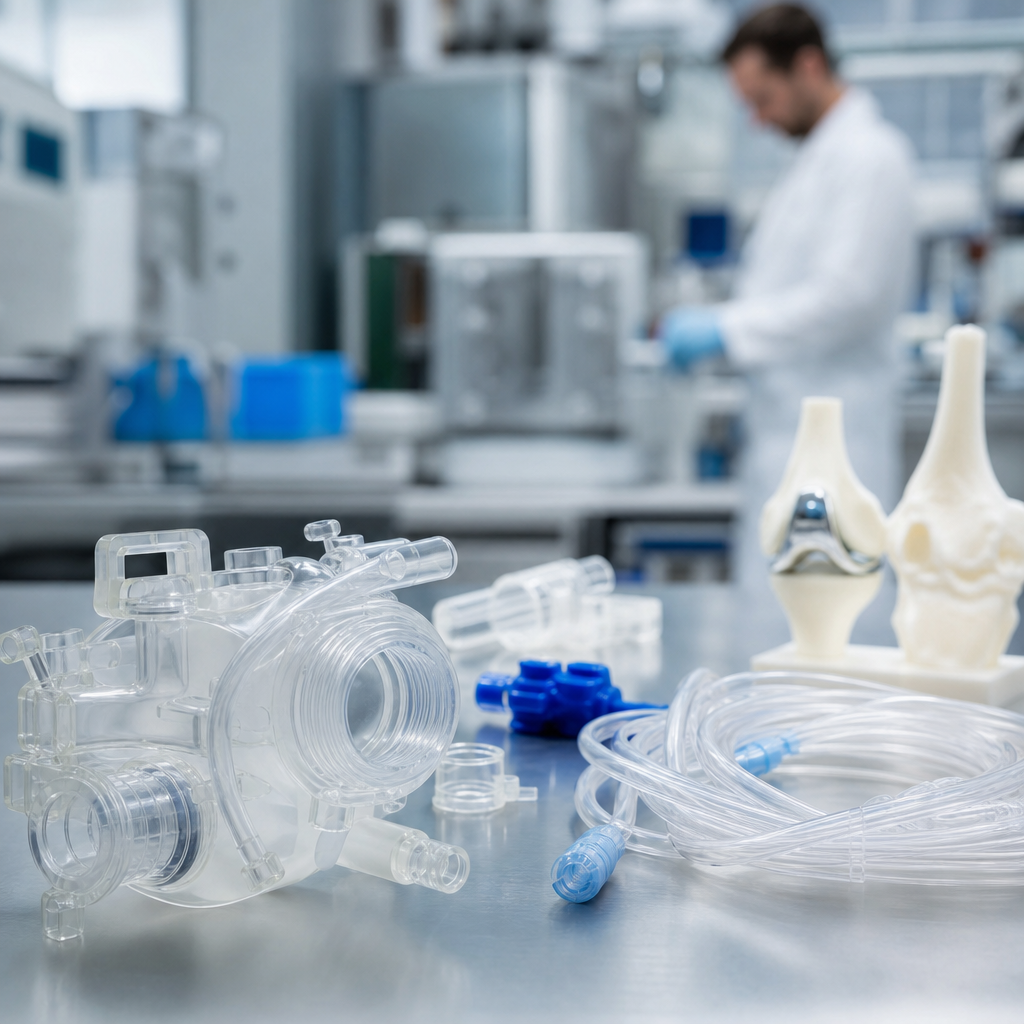
Medical device manufacturing is another area where advanced polymer technologies are especially important. Adhesives may be used in catheter assembly, wearable devices, diagnostic equipment, tubing connections, wound care products, and microfluidic systems. In these applications, manufacturers often require precise application, fast curing, sterilization resistance, and in some cases biocompatibility. Sealants may also be used to protect device housings and maintain contamination control. In packaging, polymer adhesives support flexible laminates, labels, cartons, closures, and specialty barrier structures where bond integrity, productivity, food-contact compliance, and sustainability goals all matter. Across all of these industries, the common theme is that newer materials help manufacturers combine performance, speed, and reliability in ways older joining methods often cannot.
5. What should manufacturers consider when selecting a new polymer adhesive or sealant for industrial use?
Choosing the right polymer adhesive or sealant starts with understanding the full application environment, not just the immediate bonding or sealing task. Substrate compatibility is one of the first issues to evaluate. Metals, plastics, composites, glass, painted surfaces, and low-surface-energy materials all behave differently, and the surface condition can be just as important as the material itself. Oils, release agents, oxidation, roughness, and cleanliness all affect adhesion. A product that performs extremely well on one substrate combination may be unsuitable for another unless the surface is properly prepared or primed.
Manufacturers also need to define the mechanical and environmental demands of the joint. For adhesives, this includes expected load type, such as shear, peel, cleavage, impact, or fatigue, along with required bond strength and stiffness. For sealants, key questions include the amount of joint movement, exposure to weather or chemicals, and the need for long-term elasticity and recovery. Temperature range, humidity, UV exposure, immersion, pressure, vibration, and contact with fuels, cleaners, or process fluids can all influence long-term performance. A product should be chosen based on service-life conditions, not just initial lab results.
Processing requirements are equally important in industrial settings. Cure speed, open time, viscosity, dispensing method, automation compatibility, storage stability, and rework considerations can directly affect production efficiency. A very high-performance material is not always the best choice if it creates bottlenecks