The global polymer industry is a dynamic and ever-evolving field, marked by significant advancements and pioneering innovations that cater to diverse applications and end markets. From packaging to automotive components to medical devices, polymers play a critical role in numerous industries. These materials, which include plastics, rubbers, and synthetic fibers, offer unmatched versatility, durability, and cost-effectiveness, making them an indispensable component of modern manufacturing processes.
As consumer demands evolve and environmental concerns become more pronounced, organizations within the polymer sector are seeking new ways to enhance their product offerings and reduce their environmental footprint. This often involves entering into strategic partnerships and collaborations with other entities, including material suppliers, technology providers, research institutions, and end-use manufacturers.
These alliances are instrumental in driving innovation, maximizing efficiency, and achieving sustainability goals. In this article, we will delve into the key players in the polymer industry, notable partnerships, and the overarching trends shaping these collaborative efforts.
Key Players in the Polymer Industry
The polymer sector comprises a diverse range of companies, including large multinational corporations, emerging startups, and specialized niche players. Some of the major entities dominating the market include:
- Dow Inc. – A global leader in materials science, Dow is renowned for its extensive portfolio of advanced polymer materials used in packaging, consumer goods, and industrial applications.
- BASF SE – As the largest chemical producer globally, BASF offers an extensive range of polymer products, from engineering plastics to performance materials, catering to various sectors including automotive, construction, and electronics.
- ExxonMobil Chemical – A key player in the polymer industry, ExxonMobil focuses on producing high-performance polymers, such as polyethylene and polypropylene, utilized in packaging, films, and automotive parts.
- SABIC – This diversified chemical company provides innovative polymer solutions across different industries, including healthcare, aviation, and automotive.
- DuPont – Known for pioneering advancements in polymer technologies, DuPont produces materials ranging from engineering plastics to high-performance films, addressing various industrial needs.
These organizations, through their robust research and development efforts, advanced manufacturing capabilities, and global market reach, significantly contribute to the progress and dynamism of the polymer sector.
Notable Partnerships in the Polymer Sector
Partnerships and collaborations in the polymer industry are fundamental to fostering innovation, driving sustainability, and meeting the evolving demands of end-user markets. Here are some noteworthy partnerships:
- Dow and Circulate Capital – In 2020, Dow partnered with Circulate Capital to tackle plastic waste and promote recycling across South and Southeast Asia. This collaboration focuses on reducing ocean plastic pollution by investing in waste management and recycling infrastructure.
- BASF and Hewlett Packard (HP) – BASF teamed up with HP to optimize 3D printing materials and technologies. Together, they’ve developed advanced polymer solutions tailored for HP’s Multi Jet Fusion (MJF) 3D printing systems.
- SABIC and Plastic Energy – SABIC has collaborated with Plastic Energy to convert low-quality, mixed plastic waste into valuable feedstock for new polymer production. This partnership underscores the commitment to creating a circular economy for plastics.
- ExxonMobil and Renewable Energy Group – ExxonMobil collaborates with Renewable Energy Group to explore converting renewable feedstocks into biodiesel. This partnership aims to reduce greenhouse gas emissions in polymer production processes.
- DuPont and International Flavors & Fragrances (IFF) – The merger between DuPont’s Nutrition & Biosciences unit and IFF exemplifies strategic alignment. The combined expertise facilitates innovations in sustainable polymer applications in the food industry.
These partnerships highlight how companies leverage each other’s strengths to push boundaries and develop cutting-edge, sustainable polymer solutions.

Emerging Trends in Polymer Collaborations
Several trends are influencing the formation of partnerships and collaborations within the polymer sector:
1. Focus on Sustainability: With growing environmental concerns, companies are prioritizing sustainability in their collaborations. This includes developing bio-based and recyclable polymers, enhancing recycling technologies, and optimizing resource efficiency.
2. Integration of Digital Technologies: Industry 4.0 technologies such as artificial intelligence (AI), the Internet of Things (IoT), and blockchain are being integrated into polymer production and supply chain processes. Collaborations with tech firms are pivotal in achieving these digital transformations.
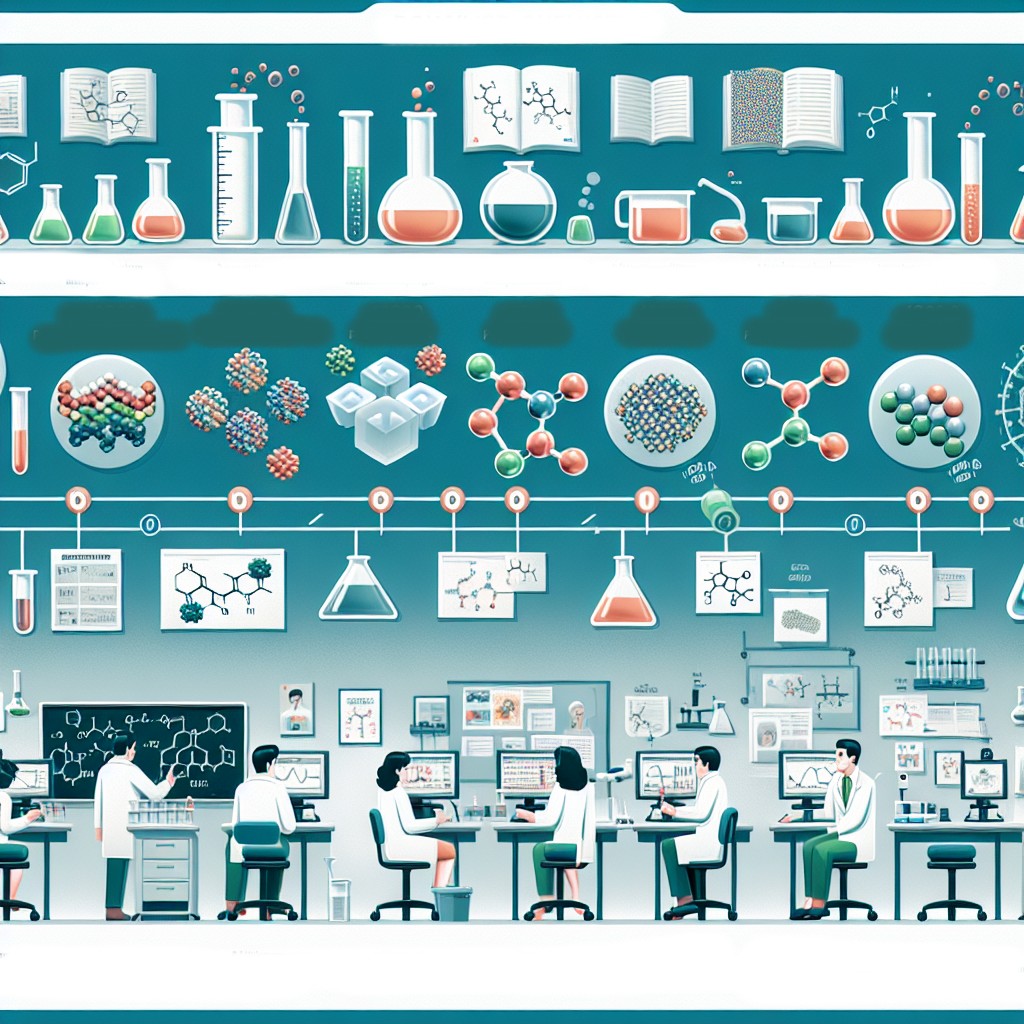
3. Collaborative Research Initiatives: Companies are increasingly entering into partnerships with academic and research institutions to accelerate R&D efforts. These collaborations facilitate the development of novel materials and applications, addressing contemporary challenges.
4. Circular Economy Initiatives: A significant trend is the shift towards a circular economy, where waste is minimized, and materials are reused. Partnerships are essential in designing products for reuse, recycling, and fostering closed-loop ecosystems.
5. Industry-Consumer Collaborations: Engaging consumers in product development is becoming more prevalent. Companies collaborate with end-users to understand their needs, thus developing customized polymer solutions that enhance user experiences.
Case Study: Dow and Circulate Capital
In 2020, Dow Inc. entered into a strategic partnership with Circulate Capital, an investment management firm focused on preventing ocean plastic pollution. This collaboration exemplifies how industry players can contribute to environmental sustainability while fostering innovation and economic growth.
Through this partnership, both organizations aimed to invest in companies and projects that enhance waste collection, sorting, and recycling infrastructure in South and Southeast Asia. These regions account for a significant portion of the global plastic waste entering the oceans. By improving waste management systems and recycling processes, Dow and Circulate Capital endeavored to reduce plastic leakage and promote a circular economy.
The partnership also spotlighted the importance of engaging multiple stakeholders, including governments, nongovernmental organizations, and local communities, in achieving shared sustainability goals. This case study serves as an inspiring example of how collaborative efforts can drive meaningful and positive change in the polymer industry.
Future Prospects
Looking ahead, the polymer sector is poised for continued growth and transformation, driven by advancements in material science, sustainability initiatives, and digital technologies. Future partnerships and collaborations will likely prioritize:
- Greater Sustainability: Companies will increasingly focus on developing renewable, recyclable, and biodegradable polymer solutions to address environmental concerns and regulatory pressures.
- Next-Generation Technologies: Innovations in 3D printing, nanotechnology, and smart polymers will shape the future landscape, with partnerships driving the commercialization of these technologies.
- Global Collaboration: Cross-border collaborations will become more significant as companies leverage international expertise and market access to optimize their supply chains and tap into new growth opportunities.
- Consumer-Centric Approaches: Engaging consumers in the innovation process will be critical, leading to the development of tailored solutions that meet user demands and preferences.
As these trends unfold, the importance of strategic partnerships and collaborations in driving the polymer industry’s progress and sustainability cannot be understated. Companies that successfully navigate these trends will be well-positioned to lead the industry into a more sustainable and innovative future.
Conclusion
The polymer industry, with its vast applications and substantial impact on modern life, is at a pivotal moment of transformation. As the sector responds to increasing demands for sustainability, efficiency, and advanced materials, partnerships and collaborations have become crucial drivers of progress and innovation.
Major industry players such as Dow, BASF, ExxonMobil, SABIC, and DuPont have demonstrated the value of strategic alliances by partnering with technology providers, research institutions, and other stakeholders to achieve shared goals. These collaborations have not only accelerated the development of cutting-edge polymer solutions but also addressed critical environmental and social challenges.
Emerging trends such as the integration of digital technologies, the emphasis on circular economy principles, and collaborative research initiatives signify the industry’s commitment to continuous improvement and adaptability. As companies navigate this evolving landscape, the importance of fostering strong, synergistic partnerships will be paramount in achieving sustainable growth and innovation.
In conclusion, the polymer sector’s future will be shaped by the ability of its key players to innovate and collaborate effectively. By leveraging each other’s strengths, sharing knowledge, and aligning efforts towards common objectives, these companies will contribute to a more sustainable, efficient, and innovative polymer industry, ultimately benefiting both society and the environment.