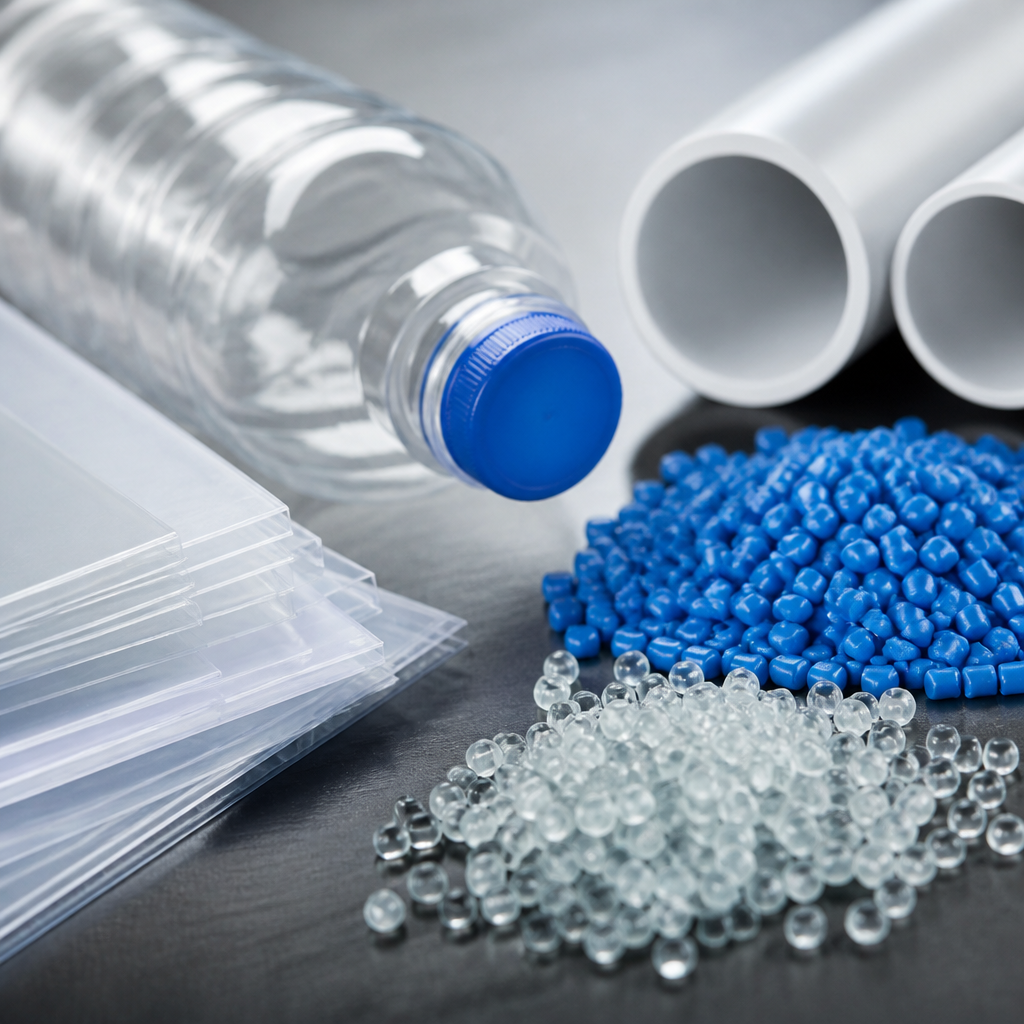
Polymers shape modern life because their physical properties determine whether a material becomes a flexible food wrapper, a transparent medical tube, a crash resistant car bumper, or a heat shielding aerospace component. In materials science, physical properties are the measurable characteristics that describe how a polymer behaves without changing its chemical identity, including density, crystallinity, glass transition temperature, melting behavior, mechanical strength, optical clarity, permeability, electrical response, and surface performance. Understanding the physical properties of polymers matters because small changes in molecular weight, chain architecture, additives, and processing can transform cost, durability, safety, and manufacturability. I have seen the same base resin pass one application and fail another simply because cooling rate altered crystallinity or moisture changed impact resistance. For engineers, product designers, buyers, and students, this topic is the practical bridge between polymer chemistry and real world performance. A reliable grasp of physical properties helps teams select better materials, predict service life, troubleshoot failures, and communicate specifications with confidence across design, processing, quality, and compliance functions.
Physical properties are often grouped into thermal, mechanical, optical, electrical, barrier, and morphological categories, but they are tightly connected rather than isolated. For example, a rise in crystallinity usually increases stiffness, density, and chemical resistance while reducing transparency and sometimes impact toughness. A plasticizer may improve flexibility yet lower heat resistance and increase permeability. Reinforcing fibers can boost modulus dramatically but also introduce anisotropy, meaning properties vary by direction. These interactions explain why polymer selection cannot rely on a single number from a data sheet. It requires understanding how structure, testing method, environment, and processing history combine to create measured values. Standards such as ASTM and ISO exist because test conditions strongly influence results. A tensile strength reported at one temperature, strain rate, or humidity level may not predict field behavior under another. This article serves as a hub for physical properties by outlining the core concepts, the measurements most often used, and the tradeoffs that govern practical polymer performance across industries.
Structure, morphology, and density
The starting point for physical properties is polymer structure. Chain length, branching, tacticity, crosslink density, and copolymer composition control how molecules pack and move. Morphology describes the internal arrangement of amorphous and crystalline regions. Amorphous polymers such as polystyrene and polycarbonate have disordered chains, while semicrystalline polymers such as polyethylene, polypropylene, nylon, and PEEK contain ordered crystallites dispersed within amorphous material. This distinction explains many everyday observations. High density polyethylene feels stiffer and more opaque than low density polyethylene because its chains pack more efficiently, creating higher crystallinity and density. In production troubleshooting, I have repeatedly used density and differential scanning calorimetry as quick indicators of whether a molding process changed morphology enough to alter part performance.
Density is one of the simplest polymer properties to measure, yet it carries substantial information. It affects part weight, shipping cost, buoyancy, and often stiffness to some degree. More importantly, density can reflect formulation and structure. Mineral filled polypropylene, for instance, gains weight and rigidity as talc loading increases. Foamed polymers intentionally lower apparent density to reduce material use and improve insulation. Specific gravity, usually reported relative to water, helps compare resins quickly in specification work. Density alone does not define quality, but it often reveals whether a compound matches expected composition. In quality control, an unexpected density shift can signal contamination, resin substitution, or moisture related voiding.
Crystallinity deserves special attention because it acts as a control knob for multiple properties at once. Higher crystallinity generally improves stiffness, abrasion resistance, solvent resistance, and heat distortion performance, but it can reduce transparency and make shrinkage more difficult to manage. Injection molded polypropylene parts often warp because cooling differences create uneven crystallinity through the wall. Film producers tune quench rates carefully because rapid cooling can preserve clarity by limiting crystal growth, while slower cooling can increase haze. Orientation adds another layer. When polymers are stretched during film blowing or fiber spinning, chains align, increasing strength and modulus along the draw direction. Biaxially oriented PET packaging is a classic example: orientation gives high clarity, strength, and dimensional stability that ordinary unoriented sheet does not achieve.
Thermal properties and temperature limits
Thermal properties define where a polymer can be processed and where it can be used safely. The most important temperatures are the glass transition temperature, melting temperature for semicrystalline materials, and decomposition temperature. Below the glass transition, amorphous regions are rigid and glassy; above it, they become softer and more rubbery. Polycarbonate remains useful at higher temperatures than polystyrene partly because its glass transition is much higher. Semicrystalline polymers also have a melting point because their ordered crystals require additional energy to break apart. Nylon, acetal, and polyethylene can retain some load bearing ability above their glass transition until melting occurs, which is why service temperature assessments must consider both transitions and actual stress conditions.
Several standard test methods translate thermal behavior into specification values. Differential scanning calorimetry measures transitions such as glass transition, crystallization, and melting. Thermogravimetric analysis tracks mass loss as temperature rises, revealing thermal stability and filler content. Heat deflection temperature and Vicat softening temperature estimate how a polymer responds to load or penetration at elevated temperature, although neither should be mistaken for a true maximum service temperature. Coefficient of thermal expansion matters in assemblies where polymer parts join metal or glass. I have seen electronic housings crack around fasteners because designers ignored the mismatch between polymer expansion and metal inserts during thermal cycling. Thermal conductivity is also relevant: most unfilled polymers are insulators, but fillers like graphite, boron nitride, or aluminum nitride can improve heat dissipation for battery modules and LED housings.
Flammability and long term heat aging complete the thermal picture. Some polymers ignite readily and drip when burning, while others are naturally more flame resistant because of aromatic backbones or halogen free flame retardant systems. Ratings such as UL 94 are common in electrical products, but passing a flame test does not guarantee long term property retention. Heat aging can embrittle polymers through oxidation, chain scission, or additive depletion. Polypropylene used outdoors, for example, can lose impact strength significantly if stabilizer packages are inadequate. For any application near engines, lighting, electronics, or sterilization cycles, thermal property data should be reviewed alongside aging and flammability performance, not in isolation.
Mechanical properties: stiffness, strength, toughness, and creep
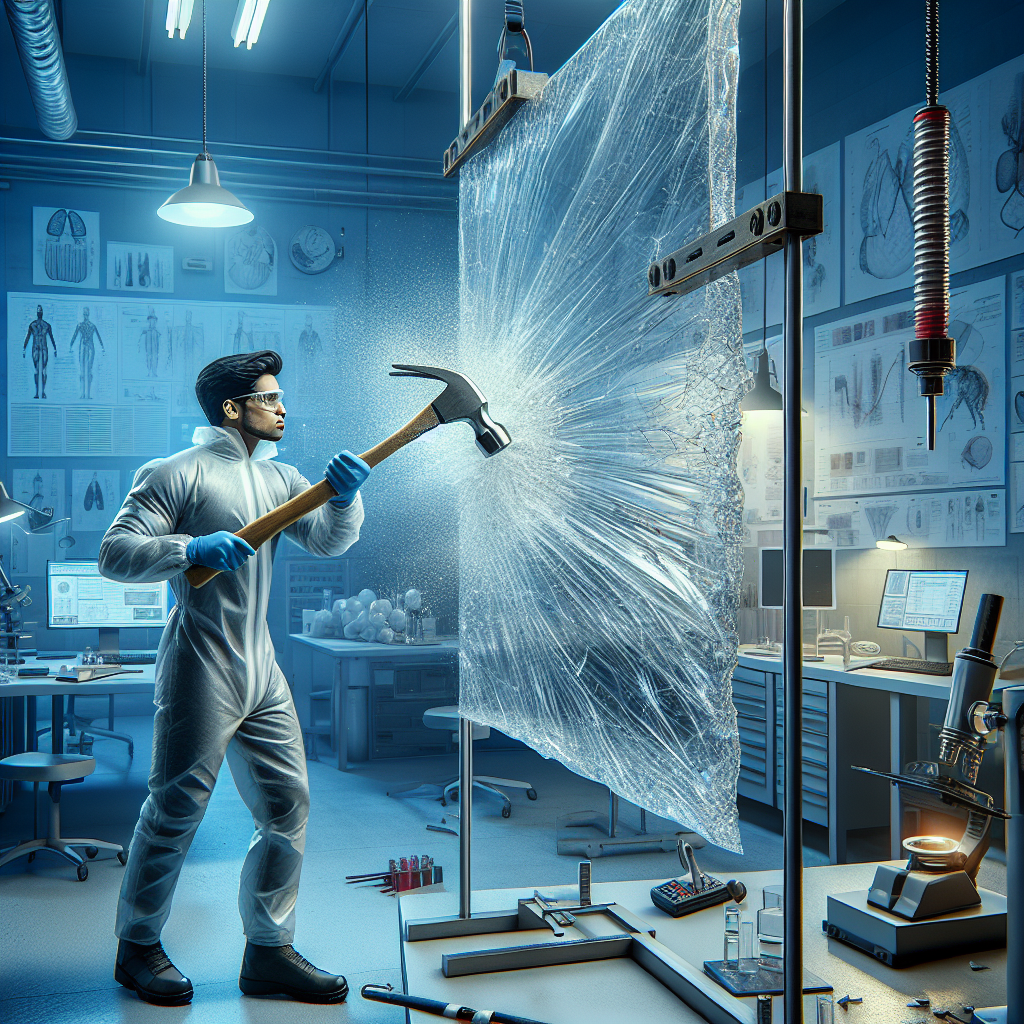
Mechanical properties are often the first numbers buyers compare, yet they are the easiest to misread. Tensile modulus describes stiffness: how much a polymer resists elastic deformation. Tensile strength describes the stress a material withstands before yielding or breaking under tension. Elongation at break reflects ductility, while impact resistance indicates energy absorption during sudden loading. Hardness, flexural modulus, compressive strength, tear resistance, and fatigue life add further detail. A rigid material is not automatically strong, and a strong material is not automatically tough. Glass filled nylon can have high stiffness and strength but may chip under impact if the design includes sharp notches. Thermoplastic elastomers, by contrast, can be soft yet extremely resilient under repeated bending.
Time and temperature strongly influence polymer mechanics because polymers are viscoelastic. Under constant load, many polymers creep, slowly deforming over time. Under constant strain, they can show stress relaxation. This is critical in seals, snap fits, pipe systems, and structural components. A nylon cable tie may feel secure immediately after installation but lose clamping force under heat and humidity. Creep resistance is one reason acetals and certain high performance semicrystalline polymers are favored for gears and load bearing parts. Designers should also account for strain rate effects. A polymer may appear tough during a slow tensile test but behave brittle during a high speed impact. Notch sensitivity matters too; small geometric flaws can reduce apparent toughness dramatically.
| Property | What it tells you | Common test reference | Practical example |
|---|---|---|---|
| Tensile modulus | Resistance to elastic stretching | ASTM D638 / ISO 527 | Higher modulus helps a housing keep its shape under load |
| Impact strength | Ability to absorb sudden energy | ASTM D256 / ISO 180 | Needed for power tool casings and helmets |
| Heat deflection temperature | Deflection under load at elevated temperature | ASTM D648 / ISO 75 | Useful for underhood and appliance parts |
| Water absorption | Moisture uptake over time | ASTM D570 / ISO 62 | Affects dimensions and toughness in nylon parts |
| Melt flow index | Ease of flow during processing | ASTM D1238 / ISO 1133 | Helps predict mold filling for thin wall packaging |
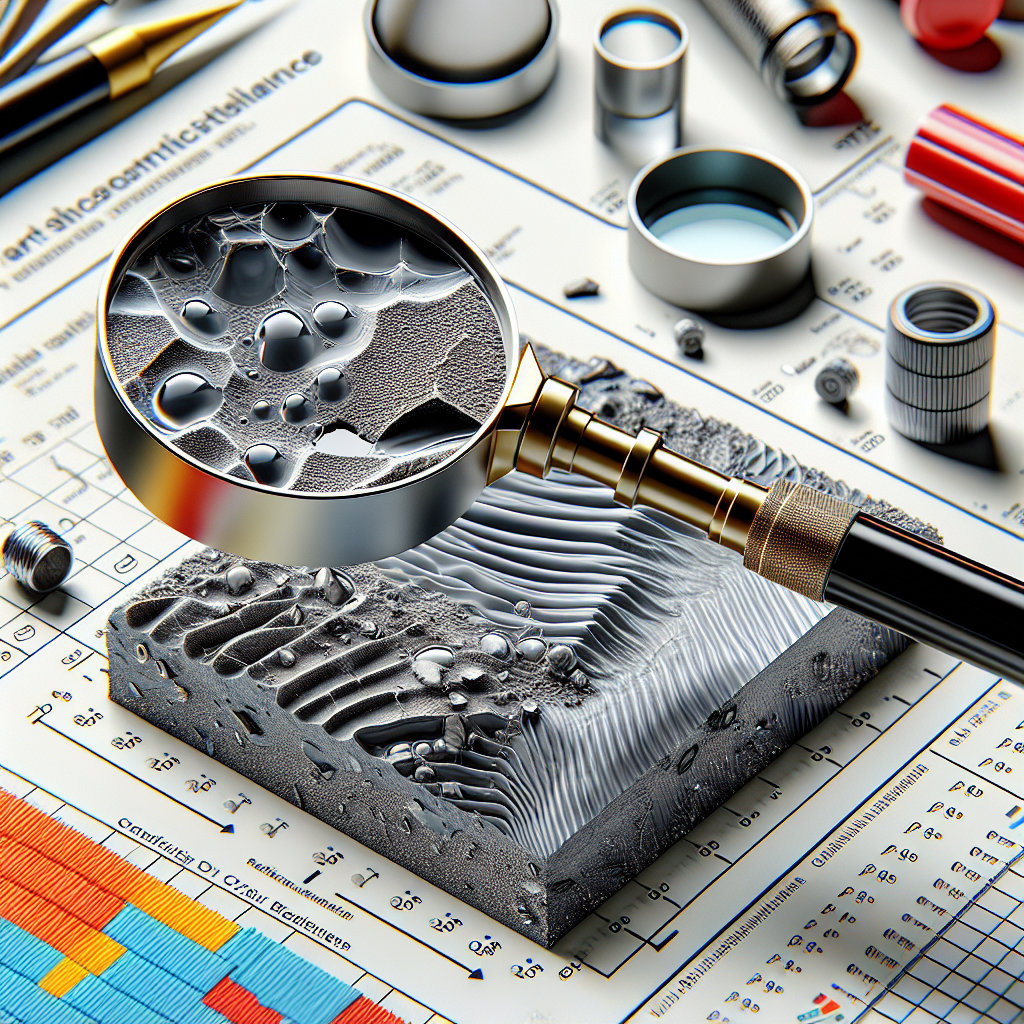
Mechanical performance improves or declines based on formulation and processing. Fillers like talc raise stiffness at modest cost, while glass fibers deliver much larger gains in modulus and heat resistance. Rubber toughening can transform brittle polymers such as ABS modified blends into impact resistant materials for enclosures and trim. Annealing may relieve residual stress and improve dimensional stability. On the other hand, excessive regrind, poor drying, or thermal degradation can reduce molecular weight and lead to brittle failure. In failure analysis, fracture surface appearance often helps distinguish ductile overload from embrittlement due to oxidation, moisture loss, or weld line weakness. Reading mechanical data correctly means asking how the specimen was molded, conditioned, and loaded, because the number only has meaning in that context.
Optical, electrical, and surface properties
Optical properties matter wherever appearance, visibility, or light transmission affects product function. Transparency, haze, gloss, color stability, and refractive index are common measures. Amorphous polymers like PMMA and polycarbonate can be highly transparent, while semicrystalline polymers often scatter light because crystals create interfaces that increase haze. Surface finish and additive choice also matter. Nucleating agents can alter crystal size in polypropylene, influencing clarity in food containers. UV exposure is another major factor. Without proper stabilizers, many polymers yellow, lose gloss, or become brittle in sunlight. Outdoor glazing, signage, and automotive trim all depend on weathering packages tailored to expected exposure.
Electrical properties range from excellent insulation to controlled conductivity. Most base polymers are good electrical insulators with high volume resistivity and low thermal conductivity, which is useful in wire coatings, connectors, and appliance housings. Dielectric constant and dissipation factor become critical in high frequency electronics, antennas, and printed circuit applications. PTFE, for example, is valued for low dielectric loss in demanding signal environments. Conductive behavior can be introduced using carbon black, carbon fiber, graphene, metal flakes, or intrinsically conductive polymers, though these additions usually trade off transparency, toughness, or processability. In antistatic packaging, the goal is often not full conductivity but controlled surface resistivity to dissipate charge safely.
Surface properties connect the polymer bulk to the outside world. Coefficient of friction, scratch resistance, surface energy, and adhesion determine how a part feels, wears, prints, bonds, or coats. Polyolefins such as polyethylene and polypropylene have low surface energy, which makes them useful for chemical resistance but difficult to print or bond without treatments like corona, plasma, or flame treatment. Medical devices, labels, and multilayer packaging routinely rely on these treatments to achieve adhesive performance. Scratch resistance is equally application specific. A dashboard trim piece needs appearance retention under abrasion, while a bearing grade polymer needs low wear and low friction under load. Surface texture created during molding can hide scratches but may also increase dirt retention or alter gloss.
Barrier properties, moisture effects, and processing relationships
Barrier properties describe how gases, vapors, and liquids move through polymers. Permeability to oxygen, carbon dioxide, water vapor, fuels, and aromas determines shelf life, safety, and regulatory compliance in packaging, automotive, and medical products. Polyethylene offers good moisture resistance but relatively poor oxygen barrier. EVOH provides excellent oxygen barrier in dry conditions, which is why it appears in multilayer food packaging, yet its performance declines as humidity rises. PET bottles balance clarity, strength, and decent gas barrier for beverages, while fluoropolymers and specialty nylons are used where fuel permeation must be tightly controlled. Barrier behavior depends on free volume, crystallinity, polarity, thickness, and temperature, so published values must be matched to actual service conditions.
Moisture can act as a benign exposure, a plasticizer, or a source of major property change depending on the polymer. Nylon is the clearest example. It absorbs water from the environment, which can increase toughness and reduce stiffness while also changing dimensions. A dry as molded nylon test bar may appear brittle compared with a conditioned one. This surprises teams that compare incoming inspection data with supplier data sheets without checking conditioning protocols. Polycarbonate and PET create a different moisture problem during processing: if not dried properly before molding, hydrolysis can cut molecular weight and harm impact strength or appearance. Moisture management therefore belongs in both property evaluation and process control.
Processing properties are part of the physical story because they influence the final morphology that controls use properties. Melt flow index gives a rough sense of viscosity and processability, but it is only a screening tool. Rheological testing across shear rates gives a more realistic picture for extrusion, film, fiber, or injection molding. Shrinkage, weld line formation, residual stress, orientation, and void content are all physical outcomes of processing conditions. A polypropylene part with identical chemistry can show different stiffness, warpage, and impact performance depending on mold temperature and packing profile. The most reliable approach is to pair laboratory data with processing history, environmental conditioning, and end use loading. For anyone building a materials and properties knowledge base, that is the central lesson of physical properties of polymers: they are measurable, predictable, and highly useful, but only when interpreted as an interconnected system. Use this hub as your starting point, then drill into each property category when selecting materials, setting specifications, or solving failures in the field.
Frequently Asked Questions
What are the physical properties of polymers, and why are they so important?
The physical properties of polymers are the measurable characteristics that describe how a polymer behaves under specific conditions without changing its chemical identity. These properties include density, crystallinity, glass transition temperature, melting behavior, mechanical strength, toughness, stiffness, flexibility, optical clarity, permeability, thermal stability, and electrical behavior. Together, they determine whether a polymer can perform well in a particular application, from lightweight packaging and medical tubing to automotive components and high temperature aerospace parts.
These properties matter because they directly connect molecular structure to real world performance. A polymer used in a food wrapper must be thin, flexible, and resistant to moisture transfer, while a polymer for a car bumper must absorb impact without cracking. In medical and optical applications, transparency and dimensional stability may be essential. Engineers and materials scientists rely on physical properties to predict how a polymer will respond to heat, force, stress, light, and environmental exposure. In other words, the usefulness of a polymer is not defined only by what it is made of chemically, but by how its physical properties allow it to function in service.
How do crystallinity and density affect polymer performance?
Crystallinity refers to the degree of ordered molecular packing within a polymer. Most commercial polymers are not fully crystalline or fully amorphous, but instead contain a mixture of ordered and disordered regions. This balance strongly affects physical behavior. As crystallinity increases, polymers generally become denser, stiffer, harder, and more resistant to chemicals and gas penetration. Higher crystallinity often improves barrier performance and dimensional stability, which is why semicrystalline polymers are frequently chosen for containers, structural parts, and applications requiring durability.
Density is closely related but not identical. It is the mass per unit volume of a polymer and can influence weight, strength to weight ratio, processing behavior, and end use efficiency. For example, low density materials are valuable where lightweight design is important, such as in transportation and consumer packaging. At the same time, a change in density can indicate changes in molecular packing, branching, or crystallinity, all of which affect final performance. A useful comparison can be seen in polyethylene grades: low density polyethylene is generally more flexible because of its branched structure and lower crystallinity, while high density polyethylene is stiffer, stronger, and more chemically resistant because its chains pack more efficiently.
What is the difference between glass transition temperature and melting temperature in polymers?
Glass transition temperature, often written as Tg, is the temperature range where the amorphous portions of a polymer shift from a hard, glassy state to a softer, more rubbery state. This is one of the most important thermal properties in polymer science because it strongly affects flexibility, toughness, and service temperature. Below Tg, a polymer may feel rigid and brittle. Above Tg, it becomes more mobile and often more flexible. This is why some plastics that perform well at room temperature may become brittle in cold outdoor conditions if their Tg is too high for the environment.
Melting temperature, often written as Tm, applies mainly to the crystalline regions of semicrystalline polymers. It is the temperature at which these ordered regions break down and the polymer transitions into a viscous melt. Unlike the glass transition, which affects amorphous motion, melting involves the loss of crystalline order. Understanding both Tg and Tm is essential for selecting materials and processing them correctly. For example, a polymer intended for hot fill packaging or under hood automotive use must maintain adequate properties at elevated temperatures, while a polymer used in flexible tubing must remain usable well above its Tg. These thermal transitions help define the operating window, manufacturability, and long term reliability of polymer products.
How do mechanical properties like strength, stiffness, and toughness differ in polymers?
Mechanical properties describe how a polymer responds to forces such as tension, compression, bending, and impact. Strength refers to the amount of stress a polymer can withstand before it fails or deforms significantly. Stiffness, often measured by modulus, describes how resistant the material is to elastic deformation under load. Toughness is different from both of these: it represents the ability of a polymer to absorb energy before fracturing. A material can be strong but brittle, or flexible yet highly tough, depending on its internal structure and temperature.
This distinction is critical in design. A rigid polymer with high stiffness may be excellent for housings and load bearing parts, but unsuitable for applications where repeated impact or bending occurs. A tough polymer may be preferred in helmets, bumpers, and protective components because it can deform and absorb energy without catastrophic cracking. Molecular weight, chain entanglement, crystallinity, temperature, additives, and processing conditions all influence these behaviors. For example, increasing crystallinity may improve stiffness and strength but can reduce impact resistance if the material becomes too brittle. That is why polymer selection always involves balancing mechanical properties rather than optimizing only one number.
Why are optical clarity and permeability important physical properties in polymer applications?
Optical clarity describes how well a polymer transmits light without significant scattering or distortion. It is especially important in products such as lenses, transparent packaging, medical devices, display covers, and laboratory equipment. Clarity depends on factors like molecular structure, crystallinity, surface smoothness, and the presence of additives or fillers. Amorphous polymers are often more transparent because they lack the internal ordered regions that can scatter light. In contrast, increased crystallinity may improve strength or chemical resistance but reduce transparency. This tradeoff is a major consideration when selecting materials for applications that must combine visibility with mechanical or thermal performance.
Permeability measures how easily gases, vapors, or liquids pass through a polymer. This property is essential in packaging, membranes, fuel systems, protective clothing, and medical products. For example, food packaging often requires low oxygen and moisture permeability to preserve freshness, while breathable medical films may need controlled vapor transmission. Permeability is influenced by chain mobility, free volume, crystallinity, temperature, and polymer polarity. In general, tightly packed and more crystalline structures tend to slow diffusion, improving barrier properties. Understanding permeability allows engineers to control shelf life, safety, sterilization compatibility, and environmental resistance, making it one of the most practical physical properties in everyday polymer design.