In recent years, biodegradable polymers have burgeoned as a focal point in the materials science industry due to their eco-friendly nature and vast potential in various applications. With global awareness leaning increasingly towards sustainable and environmentally friendly solutions, the demand for biodegradable polymers is at an all-time high. Unlike conventional polymers, biodegradable variants break down into natural substances such as water, carbon dioxide, and biomass under specific conditions over a relatively short period, thereby reducing the burden of persistent plastic waste in the environment. This article delves deeply into the various advancements that have occurred in the manufacturing processes of these vital materials. By understanding these developments, we can appreciate not only their scientific intricacies but also their impact on reducing global pollution levels. Furthermore, the evolution in manufacturing processes has paved the way for innovative applications across numerous industries.
Given the environmental challenges posed by plastic waste, researchers have been tirelessly working on improving both the efficiency and sustainability of biodegradable polymer manufacturing. Technological innovations and novel methodologies are being continuously developed to enhance the properties of these materials, making them more competitive with traditional polymers. Moreover, the industry is witnessing a significant shift as companies and governments invest in research to upscale production while minimizing costs and environmental impact. In this article, we will explore some of the most noteworthy advancements and how they relate to the wider industry, giving special attention to technological innovations, processes, and possible future trends in this promising field.
Understanding the advances in biodegradable polymer manufacturing is critical, as it signifies a transformative period in the way we approach polymer science and industry practices. Grasping these concepts involves a cross-disciplinary study that spans chemistry, biology, and materials science. This interconnectedness gives rise to diverse solutions designed to tackle modern global challenges. In essence, these advancements not only promise to curb plastic pollution but also provide a canvas for future scientific explorations and applications. Therefore, the comprehensive examination of advances in manufacturing processes plays a pivotal role in shaping sustainable development pathways for the materials industry, which holds implications for global ecological health and economic prosperity.
Advancements in Raw Material Sourcing
The foundation of biodegradable polymer manufacturing lies in the sourcing of raw materials. Traditionally, many polymers are derived from petroleum-based products, which pose sustainability challenges. Advances in raw material sourcing have thus focused on identifying and utilizing renewable and natural resources. A notable shift towards plant-based polymers has garnered attention, leveraging resources such as starch, cellulose, and lignin. These are abundant, renewable, and have a well-documented track record of biodegradability. For instance, polylactic acid (PLA), derived from corn starch, is one of the most prominent biodegradable polymers. It is now widely used in everything from packaging to textiles.
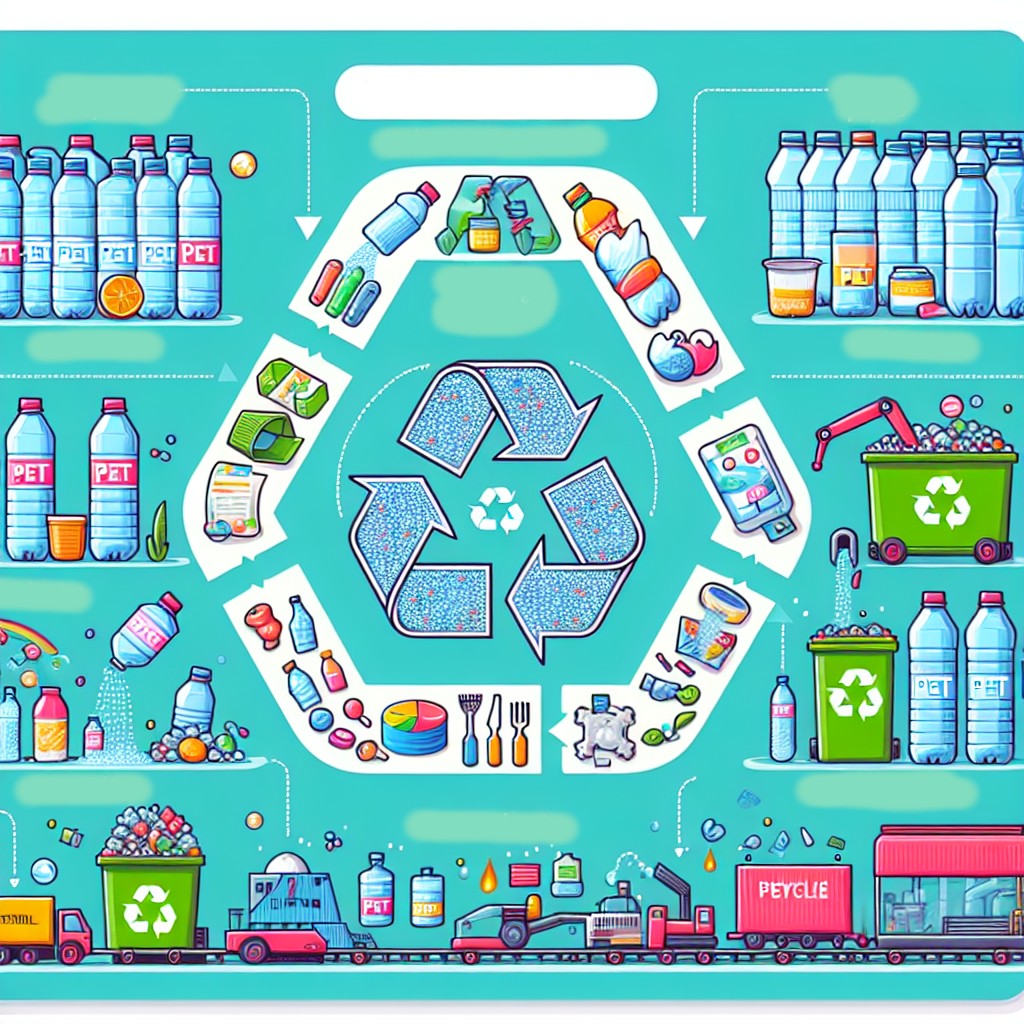
In addition to plant-based polymers, advancements have also been made in the use of waste products as raw materials. Researchers have developed methodologies to refine waste streams into valuable feedstock for biodegradable polymer production. This approach not only addresses waste management issues but also reduces reliance on virgin materials. For example, waste fruit and vegetable fibers have been successfully converted into valuable polymers. The synthesis of polyhydroxyalkanoates (PHAs) utilizes waste oils and fats as a feedstock, demonstrating economic and ecological benefits. Such innovative practices align with the principles of a circular economy by transforming waste into a resource.
Optimized Production Techniques
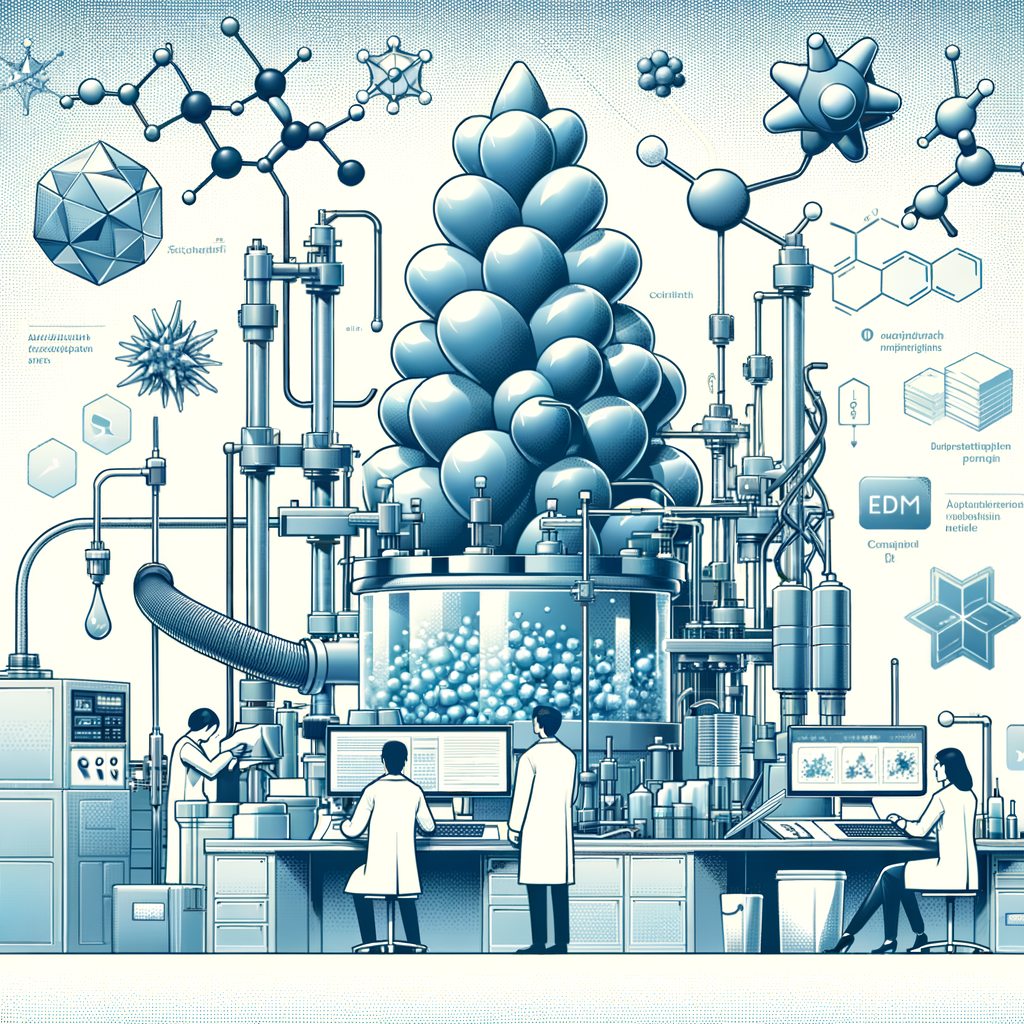
Enhancing production techniques is pivotal for the commercial viability of biodegradable polymers. Recent years have seen substantial developments in fermentation and polymerization processes. In biological production, microbial fermentation is a key technology, where microorganisms produce polymers as a byproduct of their metabolic processes. Traditional fermentation processes have been optimized to increase yield, reduce time, and enhance polymer properties. Genetic engineering of microbial strains, for instance, is a cutting-edge approach that has been integral in optimizing microbial fermentation for smoother, faster, and more cost-effective polymer production.
Moreover, advances in chemical polymerization techniques have also enriched the field. By modifying catalysts and reaction conditions, researchers can fine-tune the attributes of biodegradable polymers, enhancing properties such as strength, flexibility, and degradation rate. For example, advancements in ring-opening polymerization allow for the controlled synthesis of lactide to produce PLA with desirable characteristics. These developments are significant as they enable customization of polymer properties to meet specific application requirements, broadening the scope of potential uses for biodegradable polymers.
Innovations in Additive Technology
The development of additives tailored for biodegradable polymers represents another key advance in this area. Additives are used to enhance polymer performance, impact resistance, and are essential for stabilization. However, traditional additives might compromise biodegradability or introduce harmful residuals. Therefore, innovations have focused on creating eco-friendly additives from natural sources. Recent developments include the use of nanoclays, carbon-based nanomaterials, and bio-based plasticizers, which work synergistically to improve polymer interfaces without negatively impacting environmental considerations.
These powerful additives can dramatically improve the barrier properties, thermal stability, and mechanical integrity of biodegradable polymers, making them suitable for more demanding applications. Furthermore, research is being conducted on multifunctional additives that not only enhance polymer performance but are capable of actively facilitating the biodegradation process. This dual functionality heralds a promising future for biodegradable polymer applications and significantly extends their lifespan and durability in industrial applications.
Advanced Characterization Techniques
The strides made in biodegradable polymer manufacturing are closely complemented by advancements in characterization techniques, enabling a deeper understanding of material properties. Techniques such as atomic force microscopy (AFM), dynamic light scattering (DLS), and Fourier-transform infrared spectroscopy (FTIR) are essential tools in evaluating the physical and chemical properties of polymers. These advanced analysis methods allow scientists to meticulously assess the microstructure and functionality of emerging biodegradable polymers, ensuring alignment with environmental goals.
The integration of real-time monitoring technologies allows for the more precise tailoring of polymer properties during production. For example, in-line infrared spectroscopy can provide continuous feedback on the composition and properties of polymers as they are produced, ensuring greater consistency and efficiency in manufacturing. Such advanced characterization techniques will continue to be critical as biodegradable polymers evolve to meet increasingly complex demands.
Scaling and Commercialization Challenges
Despite impressive advancements, scaling up biodegradable polymer manufacturing for mainstream commercial application presents unique challenges. The transition from laboratory research to industrial-scale production often encounters issues related to cost, efficiency, and consistency. One key challenge is the economic feasibility of producing biodegradable polymers compared to traditional plastics. While advancements in technology and methodology have narrowed this gap, achieving cost parity remains a target for ongoing research.
Additionally, the need for an established infrastructure for both production and post-consumer processing is imperative for the full integration of biodegradable polymers into existing markets. Collaboration across the supply chain, from material sourcing to waste management, is necessary to create a supportive ecosystem for the growth of biodegradable polymer applications. Governments and industry leaders must be proactive in creating policies and incentives that drive investment in infrastructure and technology, potentially accelerating the mainstream adoption of biodegradable materials.
Applications and Future Trends
As the technology for biodegradable polymer manufacturing has evolved, so too have the applications. The variety of uses demonstrates their versatility and relevance across sectors. One of the most significant areas of application is in packaging, where the attributes of biodegradability reduce environmental impact, and advancements in technology have improved the functional attributes. Other notable sectors include agriculture, biomedical devices, and textiles. In agriculture, biodegradable mulches and films are gaining traction as they contribute to sustainable farming practices.
The biomedical field shows significant promise for biodegradable polymers as well, particularly in drug delivery systems and tissue engineering. These materials offer the advantage of safe biodegradability within the body, providing a pathway for innovative treatments and therapies. Future trends likely include the development of smart biodegradable materials tailored to respond to specific environmental stimuli, which could further expand their application into more specialized fields.
Conclusion
The strides made in biodegradable polymer manufacturing reflect a dynamic and rapidly evolving field that balances ecological needs with technological advancements. By improving raw material sourcing, production techniques, and additive technologies, scientists and industry leaders are working toward creating sustainable alternatives to conventional plastics. The journey to fully integrate these biodegradable materials into everyday use, however, still faces challenges linked to scaling, cost, and infrastructure.
The ongoing efforts in research and development signal a promising future for biodegradable polymers. By leveraging interdisciplinary approaches, the potential for innovation remains boundless. As we move forward, the collective responsibility of adopting sustainable manufacturing practices and fostering collaboration across industries is crucial for advancing this technology. Not only do these efforts have the potential to significantly mitigate plastic pollution, but they also represent a forward-thinking paradigm shift in materials science that could transform industries around the world.
In conclusion, the advances in the manufacturing of biodegradable polymers have been monumental, signifying a crucial turning point in addressing the challenges of waste management and sustainability. With continued innovation, investment, and collaboration, the future for biodegradable polymers holds significant promise, offering a sustainable solution that aligns with global environmental goals and paves the way for a more sustainable future.
Frequently Asked Questions
1. What are biodegradable polymers and why are they important?
Biodegradable polymers are a class of materials designed to break down after their intended use through microbial activities in natural environments. Typically, these polymers are converted into non-toxic end products such as water, carbon dioxide, and biomass, under defined conditions. They are burgeoning in importance because they address critical environmental issues associated with the disposal and accumulation of conventional plastic waste. As such, they provide a more sustainable alternative that can significantly reduce pollution in landfills and water bodies, consequently mitigating harm to wildlife and ecosystems. Their development and use are particularly crucial in a world increasingly focused on reducing environmental footprints, combating climate change, and promoting sustainability across industries.
2. What are the recent advances in biodegradable polymer manufacturing?
Recent advances in biodegradable polymer manufacturing span several innovative approaches and breakthroughs. Key among them is the improvement in production techniques that enable more efficient and cost-effective manufacturing processes. These include advancements in fermentation technology for producing polyhydroxyalkanoates (PHA), a type of biodegradable plastic. Biotechnology has also made significant strides, allowing for the development of more complex polymer structures that enhance both performance and degradation rates. Additionally, there has been progress in blending biodegradable polymers with other types of compostable materials to develop hybrid composites. Such composites can meet stringent industrial specifications for applications including packaging, agriculture, medical, and automotive sectors. Noteworthy is also the focus on utilizing renewable feedstocks like plant oil and cellulose, which further anchor biodegradable polymers as a sustainable choice for industries worldwide.
3. How are biodegradable polymers impacting the environment positively?
Biodegradable polymers positively impact the environment by breaking down more rapidly than conventional plastics, which can persist for hundreds of years. As biodegradable polymers decompose, they integrate back into natural cycles without leaving behind harmful residues. This significantly reduces plastic pollution on land and in marine environments. Moreover, by utilizing renewable materials as feedstocks, the lifecycle from production to degradation of these polymers is minimized in terms of carbon emissions and energy consumption, ultimately leading to a lower ecological footprint. Furthermore, they alleviate the burden on waste management systems, allowing for more effective resource allocation and reducing the volume of refuse sent to landfills.
4. Are there any limitations to the use of biodegradable polymers?
Despite their numerous benefits, biodegradable polymers have certain limitations. One significant challenge is cost. The production of biodegradable polymers often involves more complex processes than traditional plastics, making them more expensive. Moreover, their degradation can be dependent on specific environmental conditions such as temperature, humidity, and microbial activity, meaning they won’t degrade properly if disposed of incorrectly. However, this is continuously addressed by research aimed at manipulating polymer structures for accelerated and consistent degradation across diverse conditions. Another limitation is the mechanical properties of some biodegradable polymers, which in certain applications may not yet match the performance of conventional plastics. As such, ongoing research is critical to advance their strength and durability for broader applicability.
5. What industries are most benefiting from biodegradable polymers?
Biodegradable polymers are yielding significant benefits across various industries. In packaging, they provide a sustainable option for creating items like bags, containers, and films, significantly offsetting the vast amounts of plastic waste generated globally. The agricultural sector has adopted biodegradable films and plant pots to reduce the soil contamination associated with traditional plastic products. The medical industry benefits from biodegradable polymers by manufacturing bioabsorbable sutures, implants, and drug delivery systems, which naturally integrate into biological processes post-use, reducing the need for surgical removal. Additionally, the automotive industry is exploring these polymers for parts and components to enhance sustainability and reduce vehicle weight, thereby improving fuel efficiency. These industries are pivotal players in market expansion and innovation, driven by regulatory pressures, consumer demands for green solutions, and the overarching need to pivot to sustainable practices.