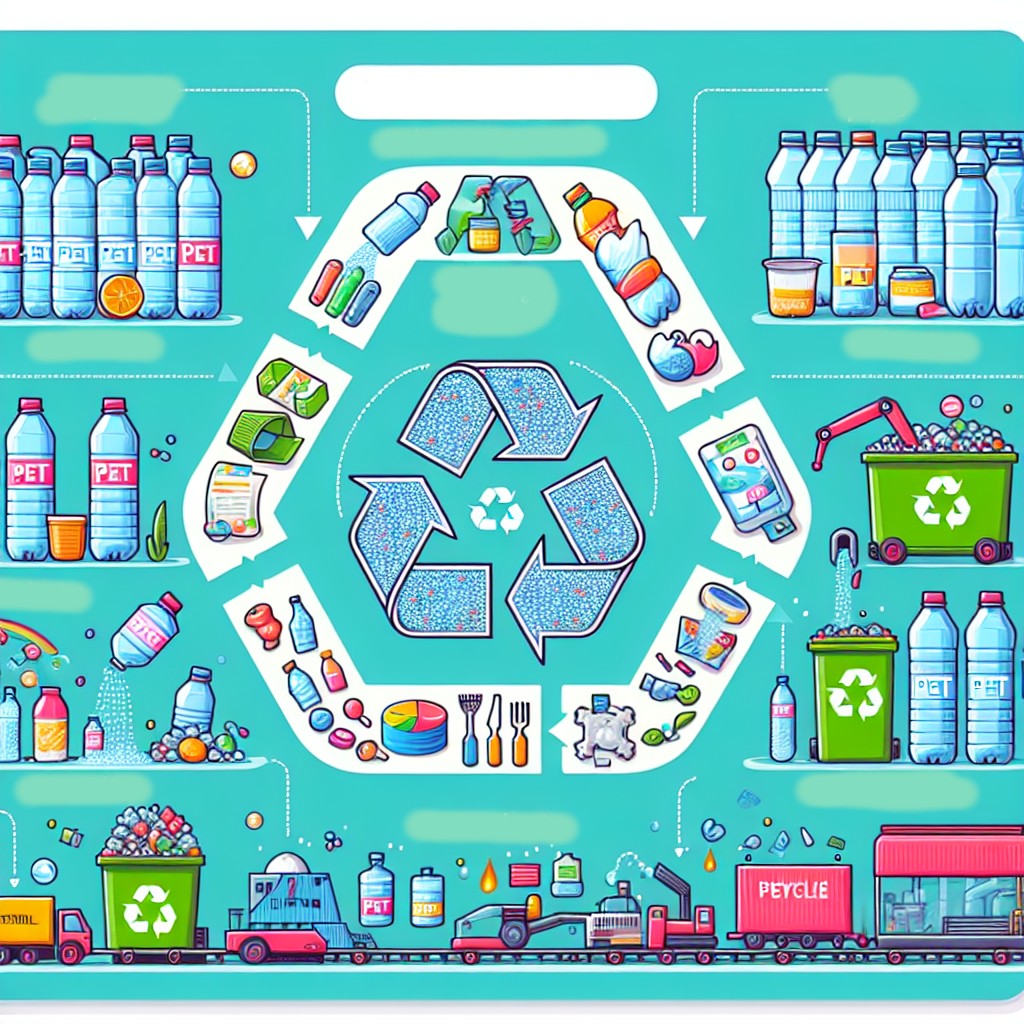
The exploration of mechanical properties of biodegradable polymers stands at the forefront of materials science and environmental sustainability. In an era marked by increasing ecological concerns and stringent environmental regulations, the demand for materials that can decompose naturally into non-toxic components is on the rise. Biodegradable polymers, which are polymers capable of breaking down through the action of living organisms, offer a promising solution to the mounting issue of pollution, particularly plastic pollution. The study of their mechanical properties is crucial not only for understanding their performance in various applications but also for determining how they compare with conventional, non-biodegradable polymers. As we delve into the detailed characteristics of these materials, we must consider factors such as strength, flexibility, and durability. These properties are critical in assessing their potential for widespread use in packaging, agriculture, medicine, and other industries. Understanding these aspects can pave the way for innovative applications that reduce environmental impact while maintaining the performance standards required by end-users.
Moreover, examining the degradation mechanisms and environmental factors that influence these polymers’ mechanical properties further highlights the importance of this exploration. Researchers are particularly interested in the relationship between the molecular structure of polymers and their capability to sustain mechanical loads over time. This analysis includes a focus on polymer crystallinity, molecular weight, and the presence of functional groups, each playing an essential role in defining a biodegradable polymer’s characteristics. Through this study, we aim to shed light not only on the intrinsic properties of biodegradable polymers but also on how modifications and enhancements can improve their functionality, offering economically viable and sustainable alternatives to traditional plastics. Ultimately, the exploration of these materials’ mechanical properties is a step toward achieving a greener planet and fostering innovation in material sciences.
Mechanical Properties of Biodegradable Polymers
To fully comprehend the mechanical properties of biodegradable polymers, it is essential to define what they are meant to achieve. Mechanical properties refer to how a material behaves under mechanical forces. For biodegradable polymers, these include tensile strength, elasticity, hardness, and impact resistance. The evaluation of these properties enables scientists and engineers to determine suitability for various applications, ensuring that the materials perform as needed without compromising environmental integrity.
Tensile strength is a primary consideration and represents the maximum amount of tensile stress that a material can withstand before failure. In the realm of biodegradable polymers, substances such as polylactic acid (PLA) and polyhydroxyalkanoates (PHA) are often examined for their tensile properties. These polymers exhibit varying degrees of tensile strength, which can be attributed to their unique molecular structures. Understanding the tensile strength is crucial for applications that require flexibility and durability, such as agricultural films and packaging materials.
Elasticity, or the ability of a material to return to its original shape after deformation, is another crucial property. Biodegradable polymers must balance flexibility with structural integrity to be useful in practical applications. For example, the elasticity of biodegradable polymers is particularly pertinent in medical applications such as sutures and implants, where materials must adapt to movement without losing their compositional integrity.
Hardness is a measure of a material’s resistance to deformation. This property is essential when polymers are used in applications requiring abrasion and wear resistance. For instance, in the packaging industry, where biodegradable polymers may come into contact with various external forces, hardness becomes a vital parameter ensuring that the material remains functional throughout its lifespan.
Impact resistance reflects a material’s ability to absorb and dissipate energy from sudden forces or shocks. Biodegradable polymers must often be assessed for their impact resistance particularly for uses that involve handling or processing of materials in dynamic environments. Improving the impact resistance of these materials without sacrificing biodegradability is a critical research focus, as it enables the extension of their application range.
The molecular structure of biodegradable polymers significantly influences these mechanical properties. Factors such as crystallinity, molecular weight, and presence of functional groups within the polymer matrix play pivotal roles. Crystallinity, for instance, affects the density and the rate of degradation, which in turn influences tensile strength and elasticity. Higher crystallinity often leads to increased strength and lower degradation rates, making them suitable for long-term applications.
Molecular weight also affects mechanical performance. High molecular weight polymers tend to exhibit superior mechanical properties due to long polymer chains that create strong intermolecular forces. However, the trade-off often lies in the degradation rate, where higher molecular weights can result in slower degradation. Consequently, striking a balance between mechanical robustness and biodegradability remains a central challenge in polymer development.
The addition of functional groups can further modify mechanical properties. By introducing side groups into the polymer backbone, the flexibility and interaction with environmental agents such as enzymes can be manipulated. These manipulations allow for the customization of polymers for specific applications, enhancing their mechanical properties while maintaining their biodegradable nature.
Environmental factors such as temperature, humidity, and exposure to microorganisms also impact the mechanical properties of these polymers. For example, elevated temperatures can increase the rate of biodegradation, potentially altering mechanical properties during the service life of the material. Similarly, humidity and exposure to microorganisms can accelerate the breakdown process or affect the polymer’s strength and elasticity. Consequently, understanding these environmental interactions is crucial for predicting the longevity and effectiveness of biodegradable polymers in real-world conditions.
A thorough exploration of biodegradable polymers’ mechanical properties demands a comprehensive approach combining experimentation and modelling. Testing methods such as tensile tests, dynamic mechanical analysis, and impact testing provide vital data on their mechanical behavioral patterns. Simultaneously, computational models can predict performance over a long period under various environmental conditions. Such comprehensive analyses are vital for developing reliable and robust biodegradable polymers that can replace conventional plastics in a wide range of applications, fostering a sustainable, low-waste future.
Application and Potential of Biodegradable Polymers
Biodegradable polymers offer immense potential across various industries due to their environmentally friendly characteristics coupled with their versatile mechanical properties. In packaging, for instance, the requirement for materials that can sustain necessary mechanical demands while minimizing ecological impact is paramount. Biodegradable options such as PLA-based films meet these demands, offering sufficient strength and flexibility for packaging goods ranging from food items to consumer electronics without contributing long-term pollutants to the environment.
The agricultural sector has also embraced biodegradable polymers to address issues linked to conventional plastic film usage. Mulch films made from biodegradable polymers can be left to decompose in the soil after the growing season, thereby reducing labor costs and minimizing soil contamination. The inherent properties of these polymers ensure they perform under various weather conditions, supporting crop growth while offering a sustainable alternative to conventional polyethylene films.
In the medical field, biodegradable polymers like polyglycolide (PGA) and polycaprolactone (PCL) are revolutionizing medical devices and applications. Their mechanical properties, such as controlled degradability and optimal tensile strength, make them ideal for drug delivery systems, suture materials, and temporary scaffolds for tissue engineering. The ability of these polymers to safely decompose within the body eliminates the need for surgical removal and minimizes adverse body reactions, setting new standards in patient care and post-operative recovery.
Furthermore, biodegradable polymers are unlocking new possibilities in the electronics industry. As the demand for sustainable electronics rises, biodegradable polymers are being leveraged for developing flexible, lightweight, and eco-friendly components. Although challenges exist in achieving the desired mechanical properties for robust electronic performance, continued research holds promise for future innovations.
Research and development in enhancing the mechanical properties of biodegradable polymers will undoubtedly lead to broader applications. By modifying polymer structures or blending different polymers, scientists aim to tailor properties to suit specific applications better. Advances in polymer modification techniques and the development of catalysts for improved biodegradability and mechanical performance are crucial for the future trajectory of these materials.
Conclusion
The exploration of the mechanical properties of biodegradable polymers plays an instrumental role in defining sustainable development in the materials industry. By understanding the mechanical attributes such as tensile strength, elasticity, hardness, and impact resistance, industries can better integrate these polymers into applications traditionally reliant on non-biodegradable materials. The investigation into molecular influences and environmental factors that affect mechanical properties adds depth to this understanding, enabling tailored approaches for various use cases.
Furthermore, biodegradable polymers provide a viable solution in addressing pollution concerns, particularly in industries like packaging, agriculture, medicine, and electronics. Their ability to offer sustainability without compromising performance demonstrates their potential in various sectors. Continued research and development are critical in optimizing these materials for new and existing applications, ensuring they meet performance standards while contributing to a greener planet.
In conclusion, the future of biodegradable polymers relies on ongoing advancements to address existing challenges related to their mechanical properties and biodegradability. Bridging performance with environmental concerns heralds a new era in material science where biodegradable polymers form an integral part of the solution. As industries adapt to these innovative materials, the potential to reduce ecological footprints while achieving economic and technological advancement becomes increasingly viable. This exploration not only signifies technological progress but also a commitment to environmental stewardship and a sustainable future.
Frequently Asked Questions
1. What are biodegradable polymers, and why are they important?
Biodegradable polymers are materials that can naturally decompose into non-toxic byproducts such as water, carbon dioxide, and biomass, usually through the action of living organisms like bacteria and fungi. This decomposition occurs under specific environmental conditions. They are important because they offer a sustainable alternative to traditional polymers, which can persist in the environment for hundreds of years, leading to pollution and ecological damage.
In today’s world, the significance of biodegradable polymers is growing due to increasing ecological concerns. As environmental regulations become more stringent, industries are seeking materials that align with sustainability goals. Biodegradable polymers reduce the volume of waste in landfills, decrease greenhouse gas emissions, and lessen the dependency on fossil fuels. Moreover, they are pivotal in applications that require temporary material lifespan, like agricultural films, medical implants, and packaging.
In essence, biodegradable polymers represent a step towards minimizing human ecological footprint, contributing to a cleaner planet, and fostering a circular economy where materials are recycled and reused in a continuous loop.
2. How do researchers determine the mechanical properties of biodegradable polymers?
Determining the mechanical properties of biodegradable polymers involves a series of rigorous tests and analyses to assess their behavior under various conditions and stresses. The key mechanical properties often evaluated include tensile strength, elasticity, impact resistance, and elongation at break.
Researchers typically employ standardized testing methods, such as ASTM and ISO tests, to measure these properties consistently. Tensile testing, for instance, involves stretching the polymer sample until it breaks to determine its tensile strength and elongation. Impact testing evaluates how the polymer responds to sudden and forceful impacts, providing insights into its durability and toughness.
Environmental parameters such as temperature, humidity, and biodegradation stage can also influence these properties significantly. Hence, tests are often conducted under various conditions to simulate real-world scenarios. By understanding these mechanical behaviors, researchers can tailor biodegradable polymers for specific applications while ensuring performance and sustainability.
3. What challenges are faced in the development of biodegradable polymers?
One of the biggest challenges in developing biodegradable polymers is balancing their mechanical properties with biodegradability. Traditional polymers often exhibit superior mechanical performance but lack environmental degradability. On the other hand, making a polymer biodegradable sometimes compromises its strength and durability.
Another challenge is cost. Producing biodegradable polymers is often more expensive than traditional plastic production, primarily due to the sophisticated technology and raw materials involved. This cost barrier can impede the widespread adoption of biodegradable plastics by industries.
The rate and conditions of biodegradation also pose significant hurdles. These polymers require specific conditions such as temperature, moisture, and microbial presence to degrade effectively. If those conditions aren’t met, the polymers may persist like conventional plastics. Therefore, predicting and controlling the biodegradation process remains a scientific challenge.
Additionally, there’s the need for comprehensive recycling systems and consumer education to support the integration of biodegradable polymers into everyday usage. Addressing these challenges requires ongoing research, technological innovation, and investment in infrastructure.
4. What are some common applications of biodegradable polymers?
Biodegradable polymers find applications across various sectors due to their eco-friendly nature and compatibility with different properties. One of the most common uses is in the packaging industry, where they are employed in making compostable bags, wraps, and single-use cutlery. This application helps reduce the environmental footprint of packaging waste.
In agriculture, biodegradable polymers are used in mulching films that protect crops while naturally decomposing into the soil at the end of their life cycle, contributing to soil health without leaving residues. Medical applications also greatly benefit from biodegradable polymers—materials for sutures, drug delivery systems, and temporary implants rely on these polymers to degrade harmlessly within the human body after fulfilling their purpose.
Additionally, biodegradable polymers are utilized in the production of non-durable goods like disposable diapers and sanitary products, helping to mitigate the impact of plastic waste in these areas. Overall, their application is directed where environmental impact reduction is prioritized, and temporary service life is needed.
5. How does the development of biodegradable polymers impact the environment?
The development and use of biodegradable polymers hold immense potential for positive environmental impact. As these materials decompose into non-toxic substances, they drastically reduce the volume of waste accumulating in the environment. This decomposition also means a reduction in the formation of microplastics, small polymer fragments that are harmful to marine and terrestrial life.
Moreover, biodegradable polymers can cut down greenhouse gas emissions associated with both the production and degradation phases of plastic lifecycle. Conventional plastics derived from petrochemicals contribute extensively to carbon emissions, while biodegradable polymers, particularly those from renewable sources, have a lower carbon footprint.
By shifting towards biodegradable alternatives, industries and consumers alike can decrease reliance on fossil fuels, thus conserving finite resources. Furthermore, integrating biodegradable polymers into circular economy models enhances recycling efficacy and product lifecycle sustainability.
Overall, the shift towards biodegradable polymer usage is aligned with global sustainable development goals (SDGs), aiming to mitigate climate change effects and promote responsible consumption and production.